Have you ever wondered what secrets a bird’s nest can reveal? Bird nest research isn’t just about feathers and twigs—it uncovers vital clues about nature, climate, and even your environment.
By understanding how birds build and use their nests, you gain insight into the health of ecosystems right outside your window. You’ll discover surprising facts and practical tips that make bird nest research both fascinating and easy to try yourself.
Ready to see the world from a bird’s eye view? Let’s dive in.

Credit: www.groundreport.in
Bird Nest Types
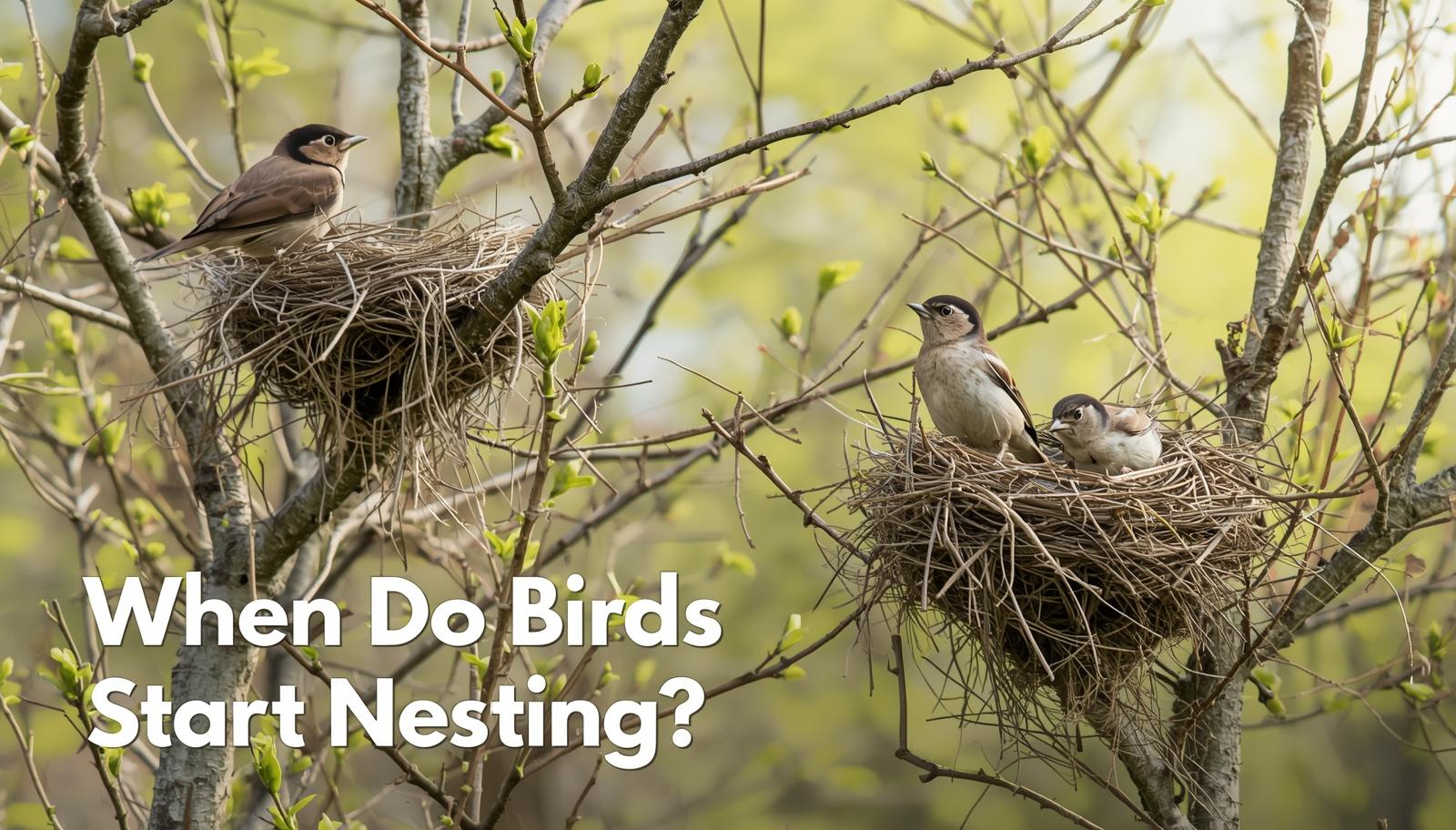
Bird nests come in many shapes and sizes. Birds build nests to keep their eggs safe and warm.
Each bird species uses different materials and designs. Nests show how birds adapt to their homes.
Common Nest Designs
Many birds build cup-shaped nests. These nests hold eggs and young birds securely.
Some birds make nests on the ground or in tree holes. Others weave hanging nests from branches.
- Cup nests: Made with grass and twigs, found on branches
- Platform nests: Large flat nests on trees or cliffs
- Cavity nests: Built inside holes or hollow trees
- Pendant nests: Hanging nests woven from fibers
- Ground nests: Simple nests on the soil or leaves
Materials Birds Use
Birds use many materials to build nests. They pick items that are strong and soft.
Materials can come from plants, animals, or human items. Birds choose what fits their environment best.
- Twigs and sticks for structure
- Grass and leaves for lining
- Feathers for warmth
- Mud to hold parts together
- Spider silk for flexibility
- Man-made items like string or paper
Unique Nesting Habits
Some birds build nests in unusual places. Others use unique methods to protect their young.
These habits help birds survive in tough conditions. They show how birds are creative builders.
- Oropendolas weave long hanging nests from tree branches
- Weaver birds create tight woven nests with grass
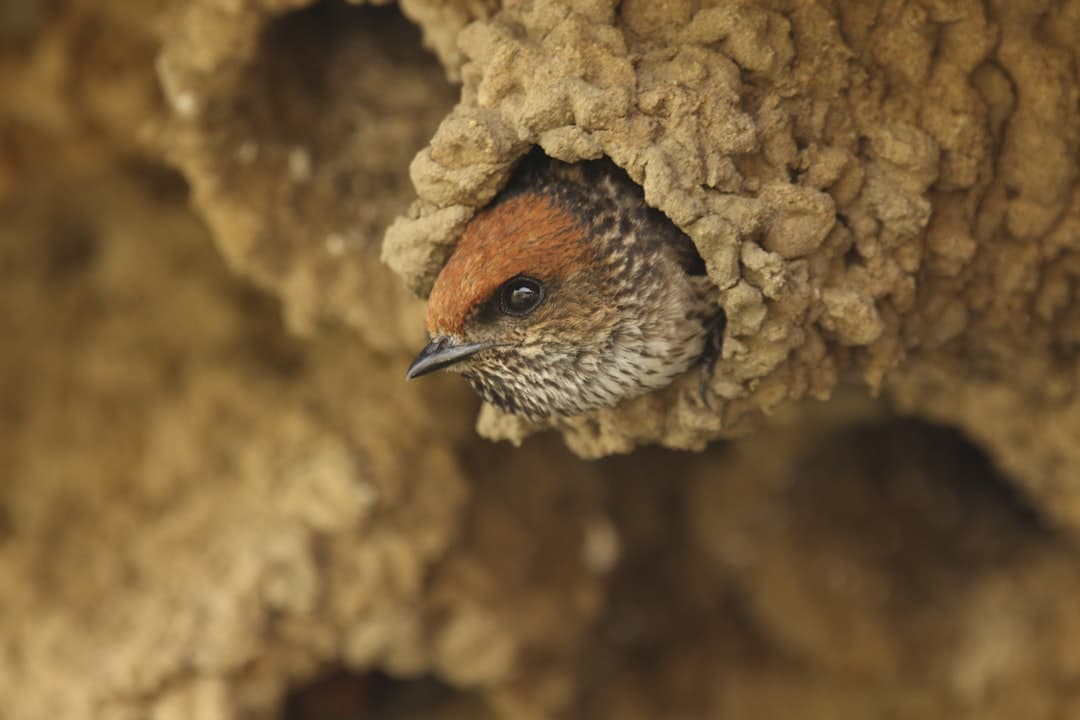
- Swallows build mud nests on walls or cliffs
- Woodpeckers carve holes in trees for nests
- Penguins use stones to make nests on ice
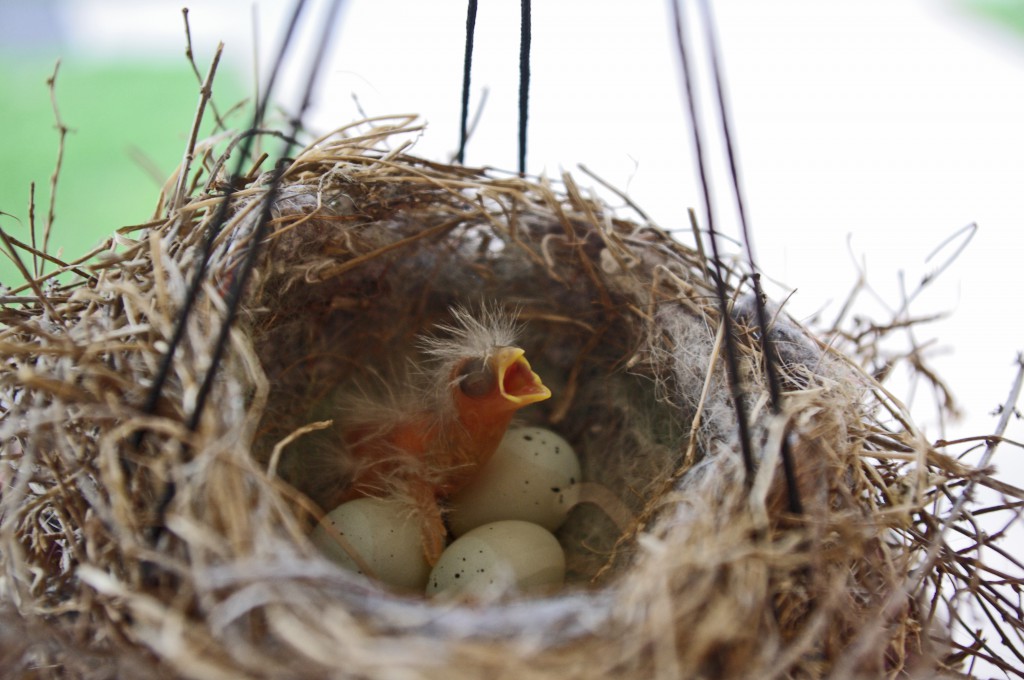
Credit: nestwatch.org
Nest Building Techniques
Birds build nests to protect their eggs and raise their young. Nests vary in shape, size, and materials. These differences depend on the species and environment.
Understanding how birds build nests helps us learn about their survival and habits. This article covers key aspects of nest building techniques.
Construction Methods
Birds use many ways to build nests. Some weave twigs tightly, while others pile mud or leaves. Materials come from their surroundings.
- Weaving: Birds like weaver birds use grass and twigs to make woven nests.
- Mud Building: Swallows mix mud with saliva to form strong walls.
- Leaf Nesting: Some birds arrange leaves to create a soft base.
- Burrowing: Certain species dig holes or tunnels for their nests.
Role Of Male And Female Birds
Both male and female birds often help build nests. Their roles vary by species. Sometimes, males gather materials while females shape the nest.
| Species | Male Role | Female Role |
| Weaver Bird | Builds outer structure | Shapes inner lining |
| Swallow | Collects mud and twigs | Constructs nest walls |
| Robin | Brings materials | Builds nest |
| Eagle | Finds nesting site | Builds and maintains nest |
Timing And Location Choices
Birds pick the best time and place for nests. These choices increase the chance of survival for their chicks.
Common factors birds consider:
- Season: Most build nests in spring or early summer.
- Safety: High or hidden spots reduce predator risks.
- Climate: Sheltered areas protect from wind and rain.
- Food Access: Near food sources to feed chicks easily.
Nesting Behavior Patterns
Birds show many behaviors when building nests. These actions help protect their eggs and chicks.
Nesting patterns vary by species and environment. Each bird has unique ways to care for its young.
Courtship And Nest Selection
Birds use songs and displays to attract mates. Courtship helps pairs form strong bonds.
After pairing, birds choose safe spots to build nests. Location depends on food and shelter nearby.
- Some birds pick tree branches or shrubs
- Others nest on the ground or cliffs
- Many prefer hidden spots to avoid predators
Egg Laying And Incubation
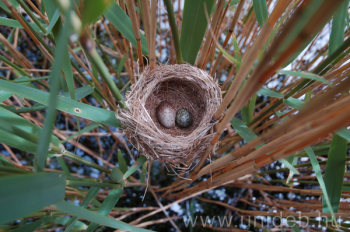
Female birds lay eggs inside the nest. The number of eggs varies by species.
Parents keep eggs warm using body heat. This process is called incubation and lasts weeks.
- Incubation temperature affects egg development
- Both parents may take turns warming eggs
- Some species use sunlight or heat from the environment
Chick Rearing Practices
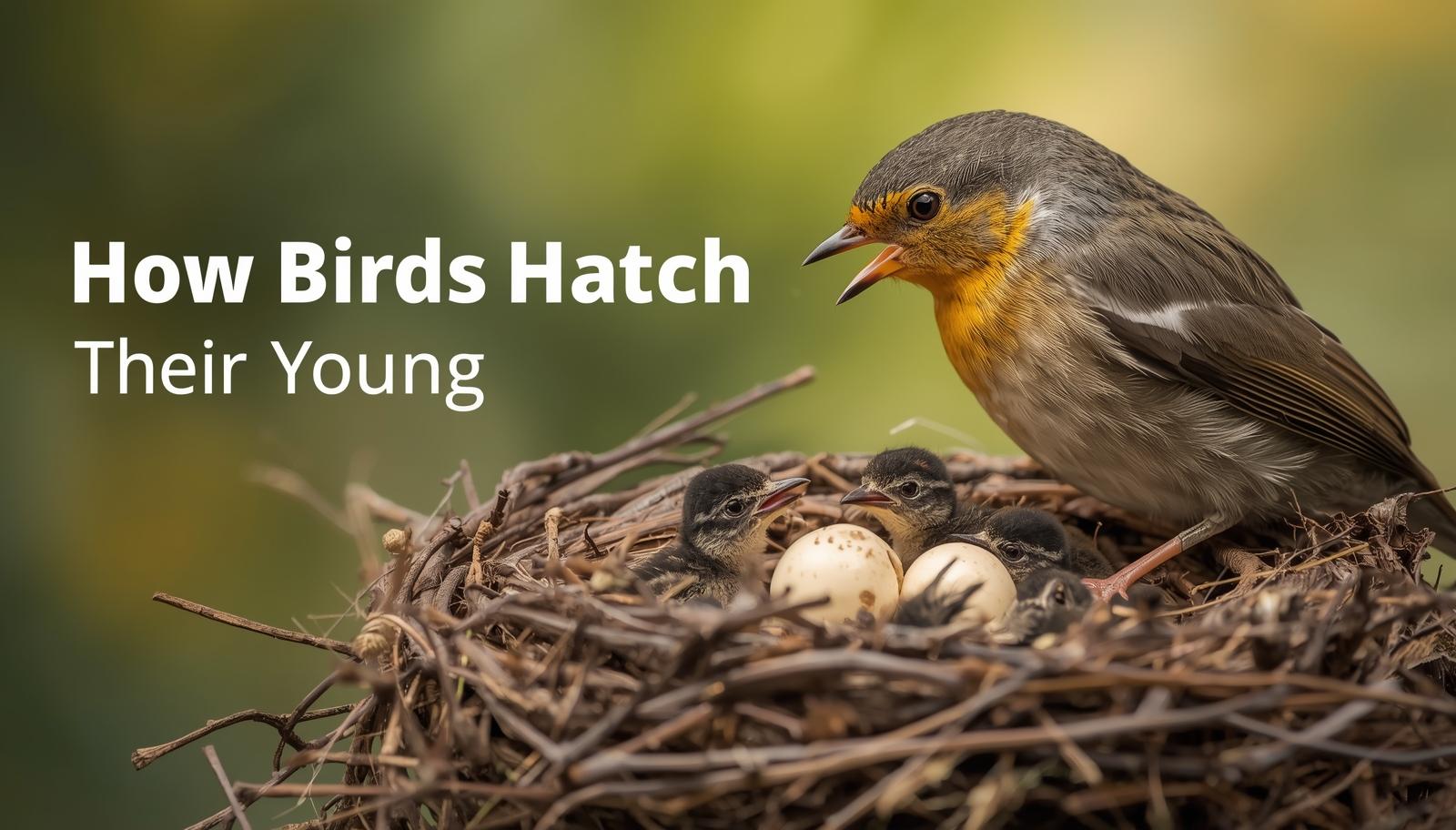
Once chicks hatch, parents feed and protect them. They bring food like insects or seeds.
Parents keep chicks warm and clean. They watch for dangers until chicks can fly.
- Parents feed chicks many times a day
- Chicks stay in the nest until strong enough
- Some birds teach chicks to find food themselves
Credit: study-in-hungary.com
Environmental Impact On Nests
Bird nests are sensitive to the environment around them. Changes in weather, animals, and people can affect how birds build and keep their nests safe.
Understanding these impacts helps protect bird habitats and supports their survival. Let’s explore the main factors that influence bird nests.
Climate Influence
Weather changes affect bird nests in many ways. Heavy rain can flood nests and strong winds may destroy them. Temperature changes also impact bird behavior during nesting.
Birds may build nests earlier or later depending on the season. Too hot or too cold weather can reduce the survival rate of chicks inside the nests.
Predators And Threats
Many animals hunt birds or their eggs. These predators cause birds to hide or move their nests to safer places.
- Snakes often eat eggs from nests.
- Squirrels may steal eggs or baby birds.
- Cats and larger birds can attack nests.
- Insects like ants may invade nests and harm chicks.
Human Activity Effects
Human actions can disturb bird nests in many ways. Construction, pollution, and deforestation reduce nesting sites. Noise and light also stress birds.
| Human Activity | Effect on Nests |
| Building and Logging | Destroy nesting areas |
| Pollution | Harm eggs and chicks |
| Loud Noise | Cause birds to abandon nests |
| Light Pollution | Disrupt bird sleep and behavior |
Research Methods In Nest Study
Studying bird nests helps us learn about bird behavior and life cycles. Researchers use many methods to collect accurate data.
These methods include watching nests directly, using new technology, and working with the public. Each way gives useful information.
Field Observation Techniques
Field observation is the main way to study nests. Scientists watch nests carefully without disturbing the birds.
- Use binoculars or scopes to see nests from a distance.
- Record nest locations with GPS devices.
- Note the number of eggs and chicks.
- Observe bird feeding and care behavior.
- Check nests regularly but briefly to avoid stress.
Use Of Technology
Technology helps collect data without being near nests all the time. Cameras and sensors monitor nests day and night.
| Technology | Purpose |
| Remote cameras | Record bird activity and nest conditions |
| Temperature sensors | Track warmth inside the nest |
| GPS trackers | Follow bird movements |
| Drones | Survey hard-to-reach nests |
Citizen Science Contributions
Many bird watchers help by reporting nest observations. This adds lots of data from many places.
Citizen scientists can:
- Find new nests and share locations.
- Report egg numbers and hatching dates.
- Take photos and upload to projects.
- Help track changes in bird populations.
Conservation Efforts
Bird nests are important for bird survival. Many groups work hard to protect these nests and help birds thrive.
Conservation efforts focus on keeping nests safe and restoring habitats. People also get involved to support these actions.
Protecting Nesting Sites
Protecting nesting sites means keeping bird homes safe from harm. This can stop nests from being destroyed by people or animals.
Many areas are marked as safe zones. These zones limit human activity near nests during breeding seasons.
- Creating protected areas
- Limiting construction near nests
- Monitoring nests regularly
- Using signs to warn visitors
Restoration Projects
Restoration projects help fix damaged habitats. These projects bring back trees and plants that birds need for nesting.
Restoring wetlands and forests creates more places for birds to build nests. This work supports bird populations.
- Planting native trees and shrubs
- Cleaning polluted areas
- Rebuilding wetlands and ponds
- Removing invasive plants
Community Involvement
Community members help by learning about bird nests and sharing this knowledge. They can watch for nests and report problems.
Volunteers take part in nest protection and habitat restoration. Their work supports long-term bird conservation.
- Joining local birdwatching groups
- Helping with habitat clean-ups
- Reporting nest disturbances
- Educating others about birds
Fascinating Nest Facts
Bird nests are amazing homes made by many bird species. They protect eggs and baby birds.
Nests come in many shapes and sizes. Each nest shows how birds adapt to their environment.
Record-breaking Nests
The largest nests belong to the Andean condor. These nests can be very wide and strong.
Some small birds build tiny nests. The hummingbird’s nest is one of the smallest.
- Largest nest: Andean condor’s nest, up to 3 meters wide
- Smallest nest: hummingbird’s nest, about the size of a walnut
- Longest nest: weaver birds build hanging nests over 1 meter long
Cultural Significance
Nests appear in stories and art in many cultures. They often show home and family.
Some cultures use bird nests in traditional medicine or food. Edible nests are rare and prized.
- Symbol of safety and comfort in many cultures
- Edible bird nests used in Asian cuisine
- Bird nests in art represent nature and life
Nest Symbolism
Nests symbolize new beginnings and growth. They remind people of care and protection.
In dreams, nests can mean security or a fresh start. They show connection to home.
- Symbol of home and family bonds
- Represents nurturing and protection
- Sign of new life and fresh starts
Frequently Asked Questions
What Is The Primary Focus Of Bird Nest Research?
Bird nest research studies the construction, materials, and location of nests. It helps understand bird behavior, reproduction, and habitat needs.
How Do Birds Choose Nest Locations?
Birds select nest sites based on safety, food availability, and shelter from predators and weather. Location impacts offspring survival.
Why Are Bird Nests Important For Ecosystems?
Bird nests support bird reproduction and species survival. They also contribute to biodiversity and indicate environmental health.
What Materials Do Birds Commonly Use For Nests?
Birds use twigs, leaves, feathers, mud, and grass. Material choice depends on species and habitat conditions.
Conclusion
Bird nest research offers valuable insights into avian life. Understanding nest construction helps protect bird species. It highlights the adaptability of birds in diverse environments. Observing nesting patterns reveals fascinating bird behaviors. Such research aids in conservation efforts. It ensures the survival of various bird species.
Engaging with this research broadens our appreciation for nature. Birds' intricate nesting habits inspire awe and curiosity. Continued study is crucial for preserving their habitats. Let's support initiatives focused on bird conservation. Together, we can ensure a vibrant future for our feathered friends.