Have you ever noticed birds quietly building nests inside shrubs near your home? Shrub nesting birds are fascinating creatures that bring life and color right to your backyard.
Understanding these birds can help you create a safe, welcoming space for them—and in return, you’ll enjoy the beauty and peaceful sounds they provide. If you want to learn how to spot these hidden nests and support your feathered neighbors, keep reading.
This guide will reveal everything you need to know about shrub nesting birds and how they can enrich your outdoor experience.

Credit: www.birdsandblooms.com
Top Shrub Nesting Birds
Shrubs provide safe homes for many birds. These birds build nests in thick bushes.
They use shrubs for protection from predators and bad weather. Shrubs are important for bird life.
Common Species Around Shrubs
Many bird species prefer shrubs for nesting. These birds are often found near homes and parks.
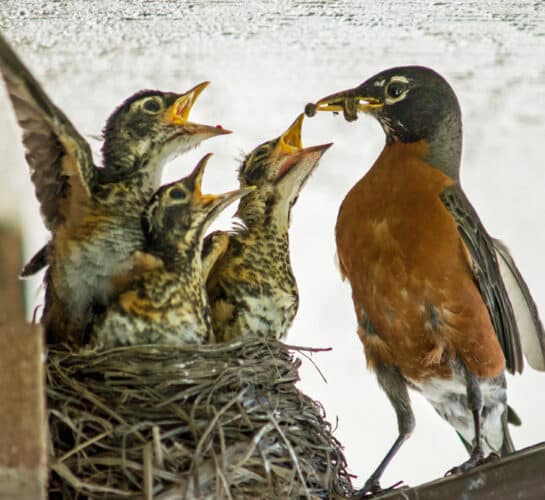
- American Robin
- Northern Cardinal
- Song Sparrow
- Common Yellowthroat
- Chickadees
These birds choose shrubs because of the dense cover. It helps them hide their eggs and chicks.
Unique Traits Of Shrub Nesters
Shrub nesting birds have special traits. They are good at building nests in thick branches.
They often use twigs, leaves, and grasses. Their nests blend well with the shrubbery around them.
- Small size to move easily in bushes
- Strong beaks to weave nest materials
- Camouflaged nests to avoid predators
- Quick flight to escape threats
Seasonal Behavior Patterns
Shrub nesting birds change their habits with the seasons. Most build nests in spring and early summer.
They sing more during breeding season to attract mates. In winter, many move to warmer places.
- Spring: Nest building and egg laying
- Summer: Feeding and raising chicks
- Fall: Preparing for migration or winter
- Winter: Some birds migrate, others stay hidden
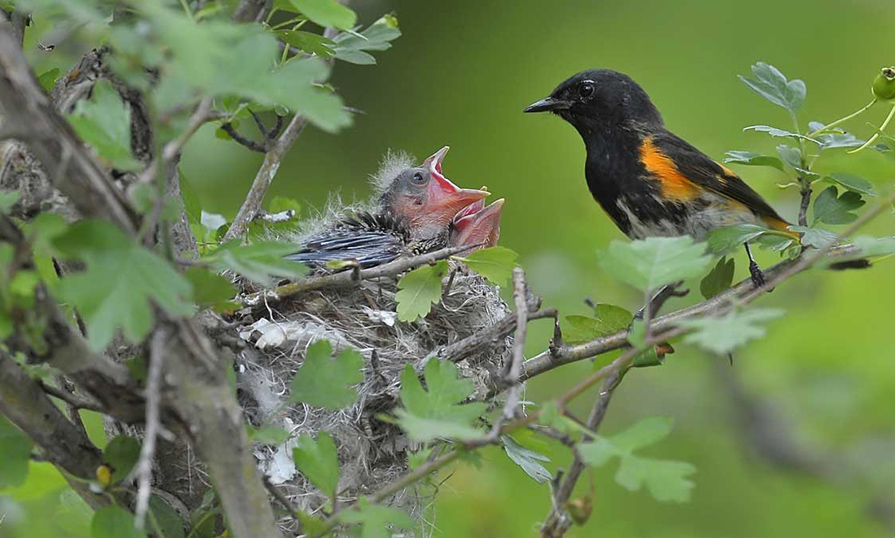
Credit: www.nscc.ca
Ideal Shrub Habitats
Shrubs provide a safe place for many birds to build nests. These habitats offer shelter and food.
Finding the right shrub habitat helps birds protect their eggs and raise their young successfully.
Preferred Shrub Types
Birds choose shrubs with dense branches to hide their nests. Some shrubs also have berries or seeds.
- Evergreen shrubs keep leaves all year round for shelter
- Deciduous shrubs provide thick cover in spring and summer
- Berry-producing shrubs supply food for both adults and chicks
- Native shrubs support local bird species best
Key Habitat Features
Good shrub habitats have thick branches and leaves. This helps birds hide from predators.
Birds also need shrubs near water and food sources. This makes it easier to feed their young.
- Dense foliage for nest protection
- Nearby food like insects and berries
- Safe distance from predators and human activity
- Access to fresh water
Impact Of Climate On Shrub Habitats
Climate changes affect shrub growth and bird nesting. Warmer temperatures can dry out shrubs.
Rainfall patterns also change shrub health. Some shrubs may not grow well in new conditions.
- Drought reduces shrub density and cover
- Heavy rain can damage nests and plants
- Temperature changes may shift bird nesting times
- Climate affects food availability around shrubs
Nesting Habits And Techniques
Shrub nesting birds build their homes carefully in bushes and low trees. These birds choose safe spots to protect their eggs and chicks.
They use different materials and shapes to make nests that fit their needs. Their techniques help keep their young warm and safe.
Nest Construction Styles
Shrub nesting birds build nests using twigs, leaves, and grass. They weave these materials tightly to form a strong base.
Some nests look like cups, while others are dome-shaped for extra cover. The nest style depends on the bird species.
- Cup-shaped nests sit in forked branches for support
- Dome-shaped nests have a roof to hide from rain
- Platform nests are flat and built on thick branches
- Some birds add soft materials inside for warmth
Egg Laying And Incubation
Female birds lay eggs inside the nest after it is ready. They lay a few eggs, usually spaced over several days.
The mother sits on the eggs to keep them warm. This incubation time lasts two to three weeks depending on the bird.
- Eggs are kept warm by the mother’s body heat
- Birds turn eggs often to help the embryos grow
- Both parents may help feed and protect the chicks
Protecting Nests From Predators
Shrub nesting birds hide their nests deep inside thick bushes. This makes it harder for predators to find them.
Some birds stay close and make alarm calls when danger is near. They also use camouflage by choosing nest materials that blend in.
- Building nests in dense shrubs hides them from view
- Parents stay alert and warn others of threats
- Using natural colors helps nests blend with surroundings
- Some birds remove egg shells to avoid attracting predators
Attracting Shrub Nesting Birds
Shrub nesting birds like places with thick bushes and safe cover. These birds build nests in shrubs to hide from predators.
You can attract these birds by providing food, water, and good nesting spots. Planting the right shrubs helps them feel safe.
Best Shrubs To Plant
Choose shrubs with dense branches and berries. These give birds shelter and food.
- Serviceberry – offers berries and cover
- Hawthorn – has thorns for protection
- Spirea – dense branches for nesting
- Dogwood – provides berries and shelter
- Viburnum – good for hiding nests
Creating Bird-friendly Spaces
Plant shrubs close together to make thick cover. This helps birds feel safe from predators.
Keep the area quiet and free from pets. Add leaf litter and small twigs for nesting materials.
- Group shrubs for better shelter
- Avoid using pesticides
- Leave some dead branches for nesting
- Provide natural nesting materials nearby
Feeding And Watering Tips
Offer bird feeders with seeds and suet. Fresh water is essential for drinking and bathing.
Place feeders near shrubs for easy access. Change water daily to keep it clean.
- Use sunflower seeds and mealworms
- Provide a shallow birdbath
- Keep food and water close to cover
- Refill feeders regularly
Conservation Challenges
Shrub nesting birds face many challenges to their survival. Protecting these birds requires understanding the main threats they face. Conservation efforts focus on stopping habitat loss and involving communities.
This section explains key problems and ways people can help protect shrub nesting birds.
Threats To Shrub Nesting Birds
Shrub nesting birds often suffer from predators and human disturbance. Their nests are easy to find in low shrubs. This makes them vulnerable to animals like cats and snakes. Human activities such as farming and development also cause harm.
- Predators destroy nests and eggs.
- Human noise scares birds away.
- Use of pesticides reduces insects for food.
Habitat Loss And Fragmentation
Many shrub areas are cut down for farming or buildings. This loss leaves fewer places for birds to live and raise young. Fragmentation splits habitats into small patches. Birds have trouble moving between these patches.
| Cause | Effect on Birds |
| Farming | Removes shrubs and food sources |
| Urban Growth | Breaks habitat into small pieces |
| Roads | Stops safe movement of birds |
Community Involvement In Protection
Local people can help protect shrub nesting birds. They can watch nests and report threats. Planting native shrubs creates new homes. Avoiding pesticides helps keep insect food safe.
- Join local bird watching groups.
- Help restore shrub habitats.
- Educate others about bird protection.
- Keep cats indoors to reduce predation.
Tip:Simple actions by communities make big differences in bird survival.

Credit: www.reddit.com
Frequently Asked Questions
What Types Of Birds Nest In Shrubs?
Many songbirds like sparrows, wrens, and thrushes prefer shrub nests. Shrubs offer protection and easy access to food.
Why Do Birds Choose Shrubs For Nesting?
Shrubs provide shelter from predators and harsh weather. Their dense branches offer safety and concealment for eggs and chicks.
How Can I Attract Shrub Nesting Birds?
Plant native shrubs with dense foliage and berries. Provide fresh water and avoid using pesticides to create a bird-friendly habitat.
When Is The Best Time For Shrub Nesting Birds?
Most shrub nesting birds breed in spring and early summer. This period offers optimal food and weather conditions for raising young.
Conclusion
Shrub nesting birds bring unique beauty to our landscapes. They create vibrant ecosystems right in our backyards. Observing these birds can be a joyful experience. Their presence indicates a healthy environment. Encourage their visits by planting native shrubs. Provide clean water sources and avoid pesticides.
This supports both the birds and your garden. Remember, every small effort counts. Enjoy the lively songs and colors they bring. Shrub nesting birds offer a closer connection to nature. Appreciate and protect these charming garden visitors. They truly enrich our lives.