Have you ever wondered why some birds build perfect nests while others struggle? The secret lies in understanding nest success and habitat.
Your backyard or local park might hold clues to how birds choose their homes and what helps their babies thrive. By learning these simple yet powerful insights, you can see nature in a whole new way—and maybe even help birds succeed.
Keep reading to discover how habitat shapes nest success and what you can do to make a difference.
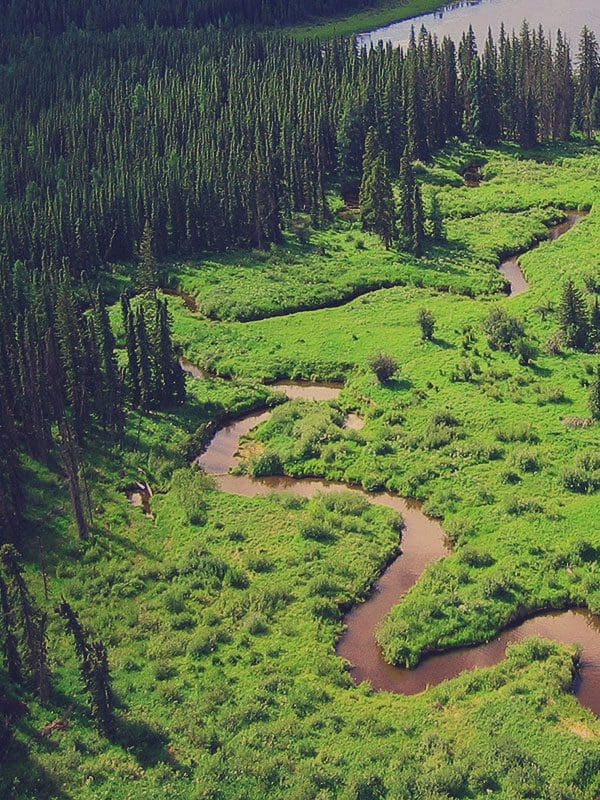
Credit: www.ducks.ca
Nest Types And Materials
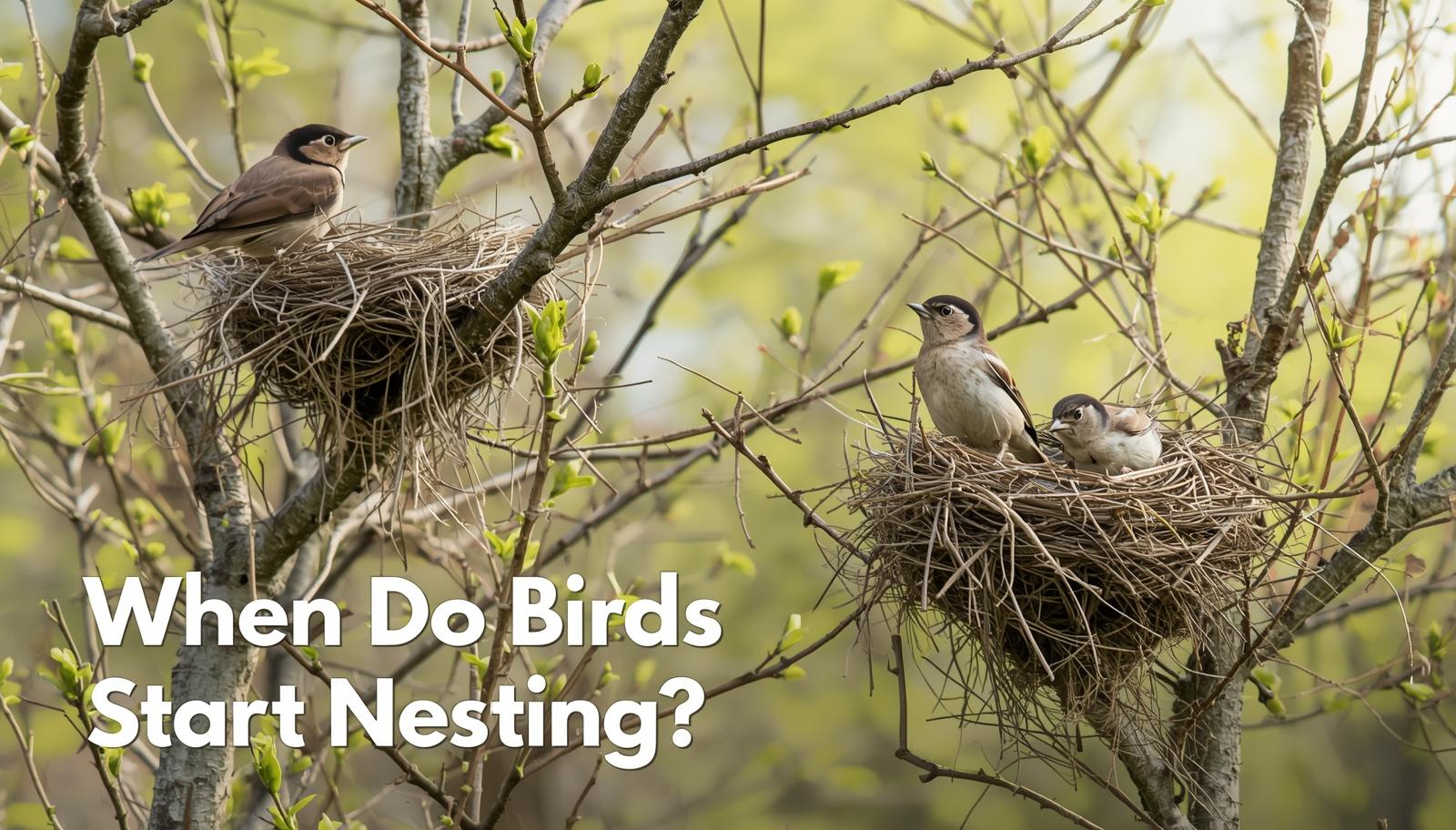
Nests are homes birds build to protect their eggs and young. Different birds use many designs and materials for their nests.
Understanding nest types and materials helps us learn how birds live and adapt to their homes.
Common Nest Designs
Birds create nests in many shapes. Some are simple while others are complex. Each design fits the bird’s needs and safety.
- Cup nests: round and open, found in trees or bushes.
- Cavity nests: made inside tree holes or cavities.
- Platform nests: flat and large, often on cliffs or tall trees.
- Ground nests: built directly on the soil or among plants.
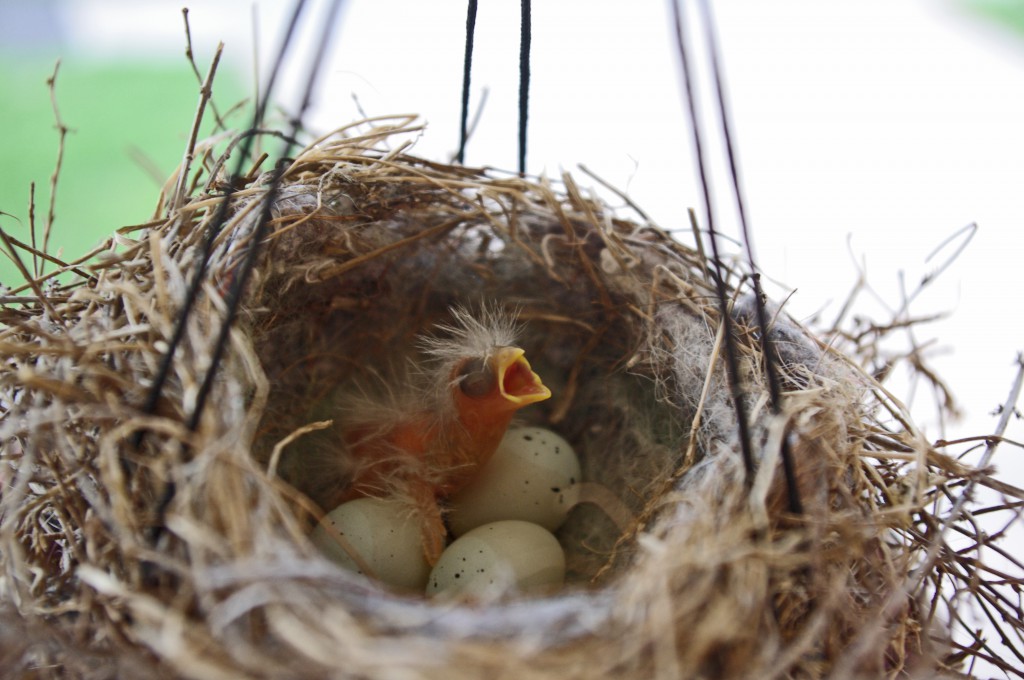
- Pendant nests: hanging nests made from woven fibers.
Preferred Nesting Materials
Birds choose materials that suit their environment. These materials keep the nest strong and safe.
| Material | Use |
| Twigs and sticks | Structure and support |
| Grass and leaves | Soft lining for eggs |
| Mud | Glue to hold materials together |
| Feathers | Warmth and comfort |
| Spider silk | Flexible binding |
| Animal hair | Soft lining and insulation |
Adaptations To Environment
Bird nests show many adaptations to survive weather and predators. Nest design and materials change with the environment.
Examples of adaptations include:
- Waterproof nests in rainy areas
- Well-hidden nests in places with many predators
- Warm nests in cold climates using thick materials
- Airy nests in hot places for cooling
Habitat Preferences
Nests form in places that offer safety and food. Birds choose habitats based on shelter and resources.
Understanding where nests are built helps protect wildlife. Different habitats serve different bird species.
Forest And Woodland Habitats
Forests and woodlands provide tall trees and dense leaves. These areas protect nests from predators and weather.
Birds often build nests high in branches or in tree hollows. The thick cover hides nests from view.
- Many songbirds prefer deciduous or mixed forests
- Woodpeckers use tree holes for nesting
- Dense foliage offers shelter from rain and wind
Wetlands And Aquatic Areas
Wetlands have water, reeds, and mud that attract water birds. These areas support nests near or above water.
Birds build nests on floating plants or in thick reeds. Water protects nests from some predators.
- Marshes and swamps provide rich feeding grounds
- Floating nests keep eggs safe from flooding
- Reeds and grasses hide nests well
Urban And Suburban Settings
Birds adapt to cities and suburbs by using buildings and trees. They find safe spots near humans.
Nests appear on ledges, in vents, and shrubs. Birds use man-made materials to build sturdy nests.
- Common sites include roofs, balconies, and parks
- Birds use twigs, string, and plastic for nests
- Urban areas offer food but also new dangers
Factors Affecting Nest Success
Nest success depends on many things in the bird’s environment. These factors decide if eggs hatch and chicks survive.
Understanding these factors helps protect birds and improve their habitats. Three key factors are predation risks, weather and climate, and human disturbance.
Predation Risks
Predators like snakes, raccoons, and other birds can eat eggs and chicks. This lowers the chance of nest success.
Birds use many strategies to protect their nests. They build nests in hidden places or defend them aggressively.
- Predators destroy eggs or kill chicks
- Nests in open areas face higher risks
- Birds may choose safer nesting spots
- Parental defense helps keep predators away
Weather And Climate Impact
Weather affects nests by changing temperature and moisture levels. Extreme heat or cold can harm eggs and chicks.
Heavy rain or storms may flood nests or cause damage. Climate changes can shift breeding seasons and food availability.
- Cold weather can slow chick growth
- Heat stress can kill young birds
- Storms can destroy nests
- Changing seasons affect food for chicks
Human Disturbance
Human activities like farming, building, and hiking can disturb nests. Noise and movement may cause birds to leave nests.
Repeated disturbance lowers nest success because eggs may get cold or predators may find the nest easier.
- Construction can destroy nesting sites
- Loud noises scare nesting birds
- Foot traffic may lead to nest abandonment
- Protecting nesting areas reduces harm
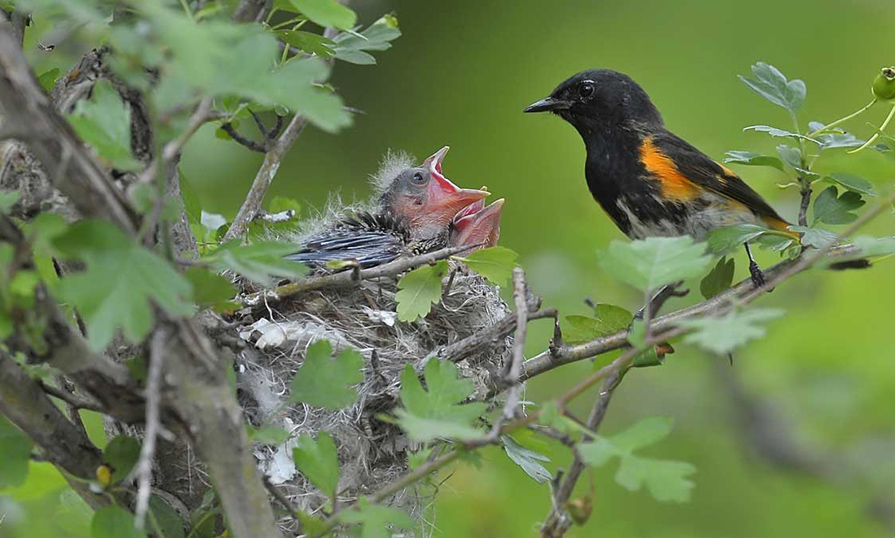
Credit: www.nscc.ca
Bird Behavior And Nesting
Birds have unique behaviors related to their nests. Nesting is important for their survival and reproduction.
Different species choose various places and materials for building nests. Their habits help protect eggs and young birds.
Mate Selection And Nest Building
Birds often pick mates by showing strength or beauty. This helps them find a good partner to raise chicks.
After choosing a mate, birds build nests together. They use sticks, leaves, and soft materials for comfort and safety.
- Some birds build nests in trees or shrubs
- Others use the ground or cliff edges
- Material choice depends on habitat and species
Parental Care Strategies
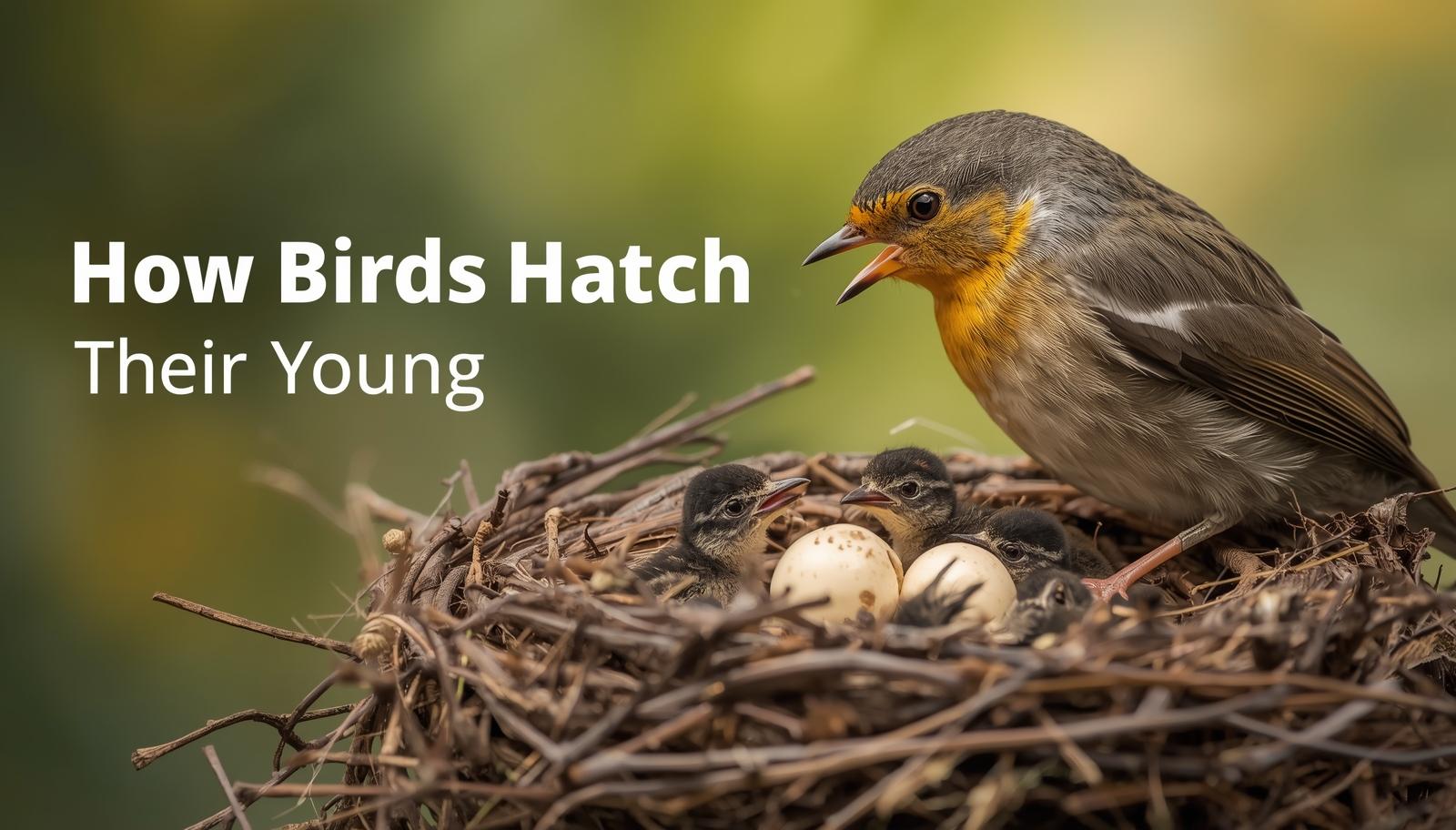
Bird parents protect their eggs and feed their chicks. They keep nests clean and safe from predators.
Both parents may share duties or one may take the lead. Care includes warming eggs and bringing food.
- Incubation keeps eggs warm for hatching
- Feeding young birds helps them grow fast
- Parents may teach survival skills to chicks
Fledgling Development
Fledglings are young birds learning to fly. Parents watch closely and guide them during this time.
Young birds practice flying and find food. They grow stronger until they can live on their own.
- Fledglings leave the nest but stay near parents
- Parents continue feeding until fledglings are ready
- Learning to fly and find food is a key step
Conservation And Habitat Management
Protecting birds' nests and habitats helps keep nature balanced. Conservation efforts support many species' survival.
Habitat management means caring for the places where animals live. This work improves their chances to thrive.
Protecting Nesting Sites
Nesting sites are critical for birds to lay eggs and raise chicks. Keeping these areas safe is very important.
Conservation groups watch nesting sites closely. They limit access and stop harmful activities nearby.
- Mark nests to avoid disturbance
- Control predators near nests
- Restrict human activities during breeding season
Habitat Restoration Efforts
Many habitats are damaged by pollution and development. Restoration helps bring back native plants and animals.
Restoring wetlands, forests, and grasslands improves food and shelter for wildlife. It also supports biodiversity.
- Plant native trees and shrubs
- Remove invasive species
- Clean polluted water sources
- Build safe nesting structures
Community Involvement
Local people play a big role in protecting habitats. Their support makes conservation work stronger.
Communities can help by watching wildlife, reporting threats, and joining clean-up events.
- Volunteer in habitat restoration projects
- Educate others about habitat needs
- Follow rules to avoid disturbing nests
- Support local conservation groups

Credit: idahobusinessreview.com
Technological Advances In Nest Monitoring
Scientists study bird nests to learn how birds survive and raise their young. New technology helps researchers watch nests without disturbing them.
Technology gives better ways to track nest success and understand habitats over time.
Remote Sensing Tools
Remote sensing tools use satellites and drones to observe nests from far away. These tools help monitor large areas quickly.
They detect changes in habitats and spot nests in hard-to-reach places. This keeps birds safe from human contact.
Camera And Sensor Use
Cameras and sensors placed near nests record bird behavior day and night. They send real-time data to researchers.
Sensors can track temperature, humidity, and movement. This helps scientists understand the conditions birds need to raise chicks.
- Motion-activated cameras capture bird visits
- Temperature sensors monitor nest warmth
- Humidity sensors track weather effects
- Audio sensors record bird calls and sounds
Data Analysis For Conservation
Scientists use computers to analyze data from sensors and cameras. They find patterns in bird nesting success and habitat health.
Data helps make plans to protect bird habitats and improve nest survival rates in nature.
- Track changes in nest success over time
- Identify threats like predators or weather
- Guide habitat restoration projects
- Support laws to protect nesting areas
Frequently Asked Questions
What Factors Influence Nest Success Rates?
Nest success depends on predator presence, weather conditions, food availability, and habitat quality. Safe, undisturbed areas increase success chances.
How Does Habitat Affect Bird Nesting?
Birds choose habitats with ample shelter, food, and nesting materials. Suitable habitats ensure better protection for eggs and chicks.
Why Is Nest Location Important For Birds?
Nest location impacts exposure to predators and weather. Birds select spots that offer safety, stability, and optimal microclimate.
How Can Humans Improve Bird Nesting Habitats?
Plant native vegetation, avoid pesticide use, and provide nesting boxes. Creating safe, resource-rich areas supports bird nesting success.
Conclusion
Nest success and habitat health are deeply connected. Thriving habitats lead to strong nests. Birds find food and shelter in rich environments. This supports their growth and survival. Protecting natural spaces ensures better nesting outcomes. Human activities often disrupt these vital habitats.
Conservation efforts play a crucial role. They help maintain balance and biodiversity. Small changes can make a big difference. Planting trees, reducing waste, and supporting conservation projects help. Together, we can create a safer world for our feathered friends. A world where both nests and habitats flourish.