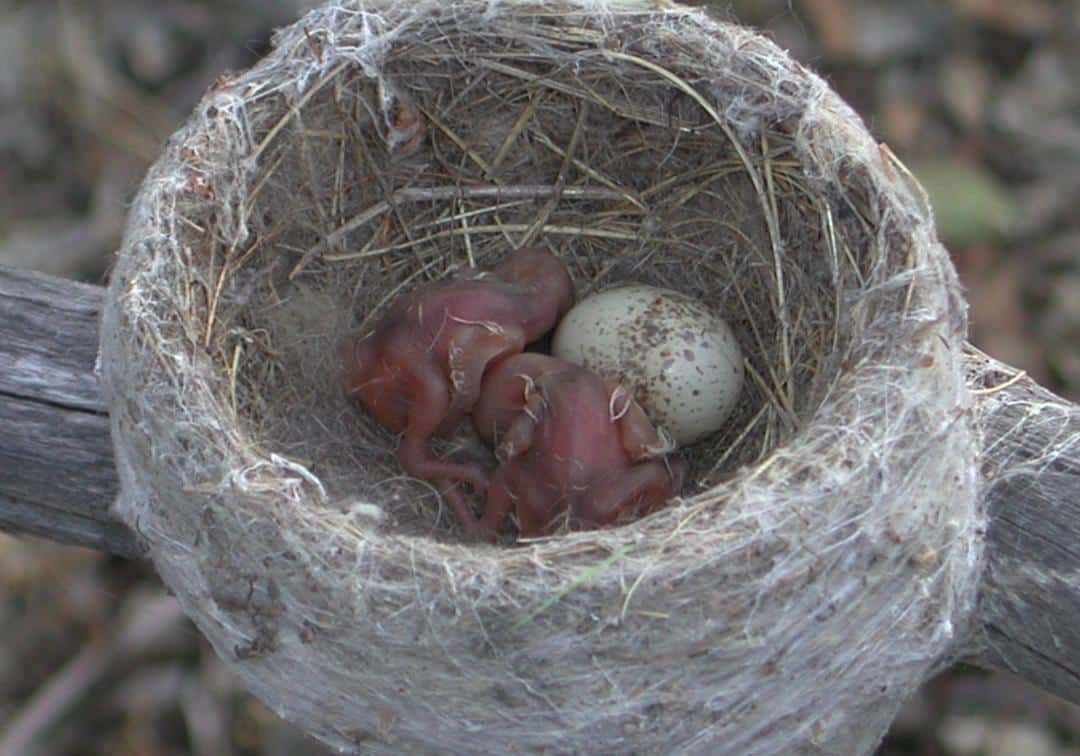
Have you ever wondered what threatens the fragile eggs in a bird’s nest? Bird egg predators are silent dangers that can wipe out entire broods before they even hatch.
If you care about wildlife or simply want to understand nature better, knowing who these predators are and how they operate can change the way you see the world around you. You’ll discover surprising facts about these egg hunters and learn what can be done to protect our feathered friends.
Keep reading, because what you’ll find out might just save a nest near you.

Credit: www.birdfy.com
Common Egg Predators
Bird eggs face many dangers from different animals. These predators eat eggs to survive. Knowing who these predators are helps protect bird nests.
Egg predators come from many animal groups. Some are mammals, others are reptiles or birds. Each group has unique ways to find and eat eggs.
Mammals That Target Eggs
Mammals often raid bird nests for eggs. They use their sharp teeth and strong smell to find eggs. Common mammal egg predators include raccoons, foxes, and squirrels.
- Raccoons: Climb trees to reach nests at night.
- Foxes: Hunt on the ground and dig up hidden nests.
- Squirrels: Eat eggs when other food is scarce.
- Weasels: Small but fast, can enter tight nest spaces.
Reptilian Threats
Some reptiles also eat bird eggs. Snakes are the main reptile egg predators. They can climb trees and sneak into nests quietly.
| Reptile | Method |
| Rat Snake | Climbs trees to eat eggs and chicks |
| Garter Snake | Hunts on the ground near nests |
| Monitor Lizard | Uses strong jaws to break eggshells |
Avian Predators
Birds also prey on eggs. Some birds steal eggs from other nests. Crows and jays are well-known egg predators. They use sharp beaks to break eggs.
- Crows – smart and can open many types of nests
- Jays – quick and often raid nests in daylight
- Magpies – steal eggs and young birds from nests
- Gulls – eat eggs found near water bodies

Credit: www.numberanalytics.com
Predator Behavior And Hunting Tactics
Bird egg predators use different ways to find and eat eggs. They have special hunting skills. These skills help them catch eggs without getting caught.
Understanding how predators act helps us learn about nature. It shows how predators survive and how birds protect their eggs.
Stealth And Surprise Attacks
Many predators sneak quietly to find bird nests. They move slowly to avoid noise and stay hidden. This helps them get close without scaring the birds.
Once close, predators strike fast and surprise the birds. This quick action stops the birds from defending their eggs. Surprise attacks increase the chance of success.
- Predators use slow, silent movements
- They hide behind leaves or branches
- Fast strikes catch birds off guard
- Some predators wait for the right moment to attack
Nest Raiding Patterns
Predators often visit nests in regular patterns. They may check several nests in an area. This helps them find eggs more easily.
Some predators return to the same nest many times. They take eggs one by one. This slow raiding can reduce chances of alerting the parent birds.
- Check multiple nests in a single area
- Return to nests repeatedly
- Take eggs slowly to avoid attention
- Use scent or sight to locate nests
Seasonal Variations In Predation
Predator hunting changes with the seasons. In spring and summer, many birds lay eggs. Predators hunt more during this time.
In colder months, fewer eggs are available. Predators may hunt less or find other food. Weather and food availability affect their behavior.
- Spring and summer have high predation rates
- Winter has less egg hunting
- Food scarcity changes predator actions
- Some predators migrate to find eggs year-round
Impact On Bird Populations
Bird egg predators play a big role in nature. They affect how many birds survive and grow. Predators include animals like raccoons, snakes, and crows.
When predators eat eggs, fewer baby birds hatch. This changes the number of birds in the wild over time.
Effects On Breeding Success
Egg predators lower breeding success by destroying eggs before they hatch. Birds lose chances to raise chicks. This causes fewer young birds each season.
Some birds build better nests to protect eggs. Others try to stay alert to predators. Still, many eggs do not survive in areas with many predators.
Long-term Population Changes
Egg predation can cause bird populations to drop over many years. If too many eggs are lost, fewer adult birds grow up. This weakens the whole population.
Populations may shrink or move to safer areas. Some species might even face local extinction if predators stay unchecked.
Species Most At Risk
Ground-nesting birds face the highest risk from egg predators. Their eggs are easier to find and reach. Small bird species also suffer more losses.
- Plovers and terns nest on open ground
- Songbirds with small nests lose many eggs
- Endangered birds with few nests are very vulnerable
Protecting Bird Nests
Bird nests face many threats from predators. Protecting these nests helps bird populations stay healthy. Both natural and human efforts can reduce risks.
Understanding how birds defend their nests and how people can help is important. This guide covers natural defenses, human actions, and habitat tips.
Natural Defense Mechanisms
Birds use many ways to keep their eggs safe. Some build nests in hidden places. Others use loud calls to scare predators away.
- Building nests high in trees or thick bushes
- Using camouflage to blend nests with surroundings
- Guarding nests aggressively against intruders
- Choosing nesting sites near protective plants or water
Human Intervention Strategies
People can help protect bird nests with simple actions. Placing barriers or warning signs can stop predators. Keeping pets away also helps.
| Strategy | Description | Effectiveness |
| Nest Boxes | Provide safe and secure nesting sites | High |
| Predator Guards | Barriers to keep snakes and raccoons away | Medium |
| Pet Control | Limit cats and dogs near nesting areas | High |
| Public Awareness | Educate people about protecting nests | Medium |
Habitat Management Tips
Managing habitats can reduce nest predators. Removing invasive plants and planting native species helps. Keeping areas clean also lowers risks.
- Clear dense underbrush where predators hide
- Plant native shrubs that offer natural cover
- Maintain water sources away from nests
- Remove trash that attracts predators
- Monitor nesting sites regularly
Spotting Signs Of Predation
Bird eggs face many dangers from predators. Knowing the signs helps protect nests. You can spot damage early and take action.
Watch nests carefully for changes. Look for physical clues and behavior shifts in parent birds. These signs show if predators are nearby.
Physical Clues At The Nest
Look closely at eggs and nest materials. Broken or missing eggs often show predation. Scattered feathers or dirt near the nest may also be clues.
Damage to the nest structure, like torn leaves or moved twigs, can mean a predator visited. Some predators leave bite or claw marks on eggs.
- Cracked or broken eggshells around the nest
- Eggs missing without signs of hatching
- Feathers or fur near the nest area
- Torn or disturbed nesting materials
- Scratch marks or bite marks on eggs
Behavioral Changes In Parent Birds
Parent birds act differently if predators are close. They may be more alert and restless. Sometimes, they stop visiting the nest as often.
You might hear alarm calls or see parents dive-bombing intruders. Some birds freeze or stay hidden near the nest to avoid drawing attention.
- Increased alertness and frequent scanning
- Less time spent on the nest
- Loud alarm calls or warning sounds
- Aggressive behavior toward intruders
- Hiding or freezing near the nest
When To Report To Wildlife Authorities
Report if you see repeated predator visits or damage. Also report if eggs or chicks are missing in protected areas. Authorities can help protect the birds.
If you find injured parent birds or chicks, contact wildlife experts. Do not try to handle wild birds yourself. Professional help ensures safety for both you and the birds.
- Repeated egg or chick loss from predation
- Damage in protected or conservation areas
- Injured or trapped birds found near nests
- Unusual predator activity threatening local bird populations
- When unsure about how to protect the nest

Credit: swibirds.org
Frequently Asked Questions
What Animals Are Common Bird Egg Predators?
Common bird egg predators include snakes, raccoons, crows, and squirrels. These animals often raid nests for easy food sources.
How Do Predators Find Bird Eggs In Nests?
Predators use sight, smell, and sound to locate nests. Disturbances near nests can also attract their attention.
Can Bird Parents Protect Eggs From Predators?
Yes, many bird species aggressively defend their nests. Some use camouflage and distraction to deter predators.
Why Are Bird Eggs Vulnerable To Predators?
Bird eggs are stationary and lack defense, making them easy targets. Their vulnerability increases during incubation.
Conclusion
Bird egg predators play a vital role in ecosystems. They help balance bird populations. This natural process ensures ecological harmony. Understanding these predators can aid in conservation efforts. Protecting bird habitats is crucial. It helps maintain biodiversity. Simple actions can make a difference.
Supporting local conservation programs is one way. We can all contribute to nature’s balance. Awareness and education are key. They empower communities to protect wildlife. Every effort counts towards a healthier planet. Together, we can safeguard bird populations. Let’s cherish and respect our natural world.
It’s a shared responsibility.