Have you ever paused to watch a bird building its nest? That simple act hides an amazing variety of styles and strategies.
Bird nesting diversity is more than just nature’s creativity—it reveals how birds survive, protect their young, and adapt to their environment. By understanding these fascinating differences, you’ll see birds in a whole new light. Ready to discover the incredible ways birds create their homes?
Keep reading, and your curiosity will take flight.
Types Of Bird Nests
Birds build nests to protect their eggs and young birds. Nests come in many shapes and sizes. Each type suits different bird species and environments.
Understanding nest types helps us learn more about bird behavior. The main types include cup nests, cavity nests, platform nests, and burrow nests.
Cup Nests
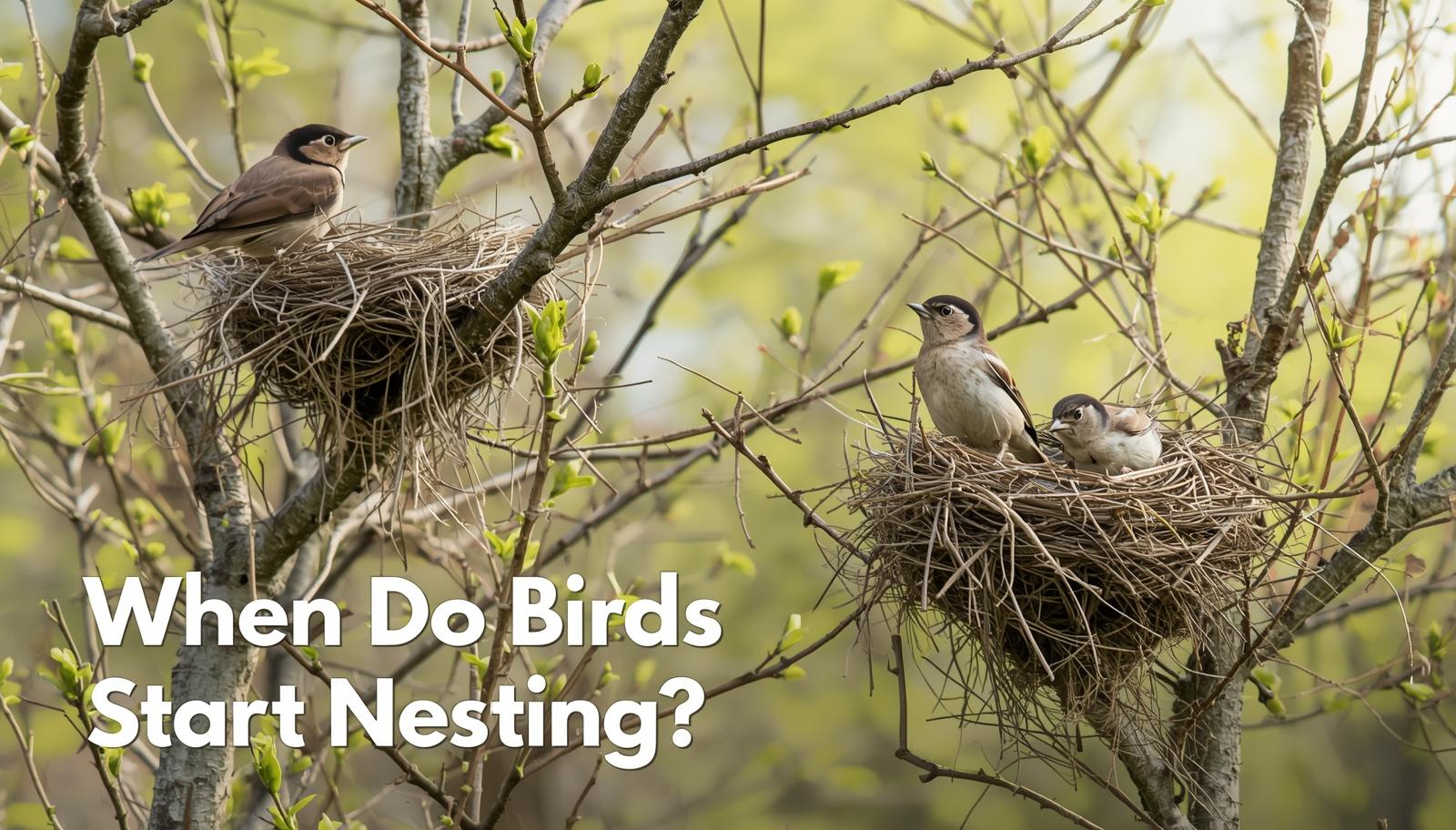
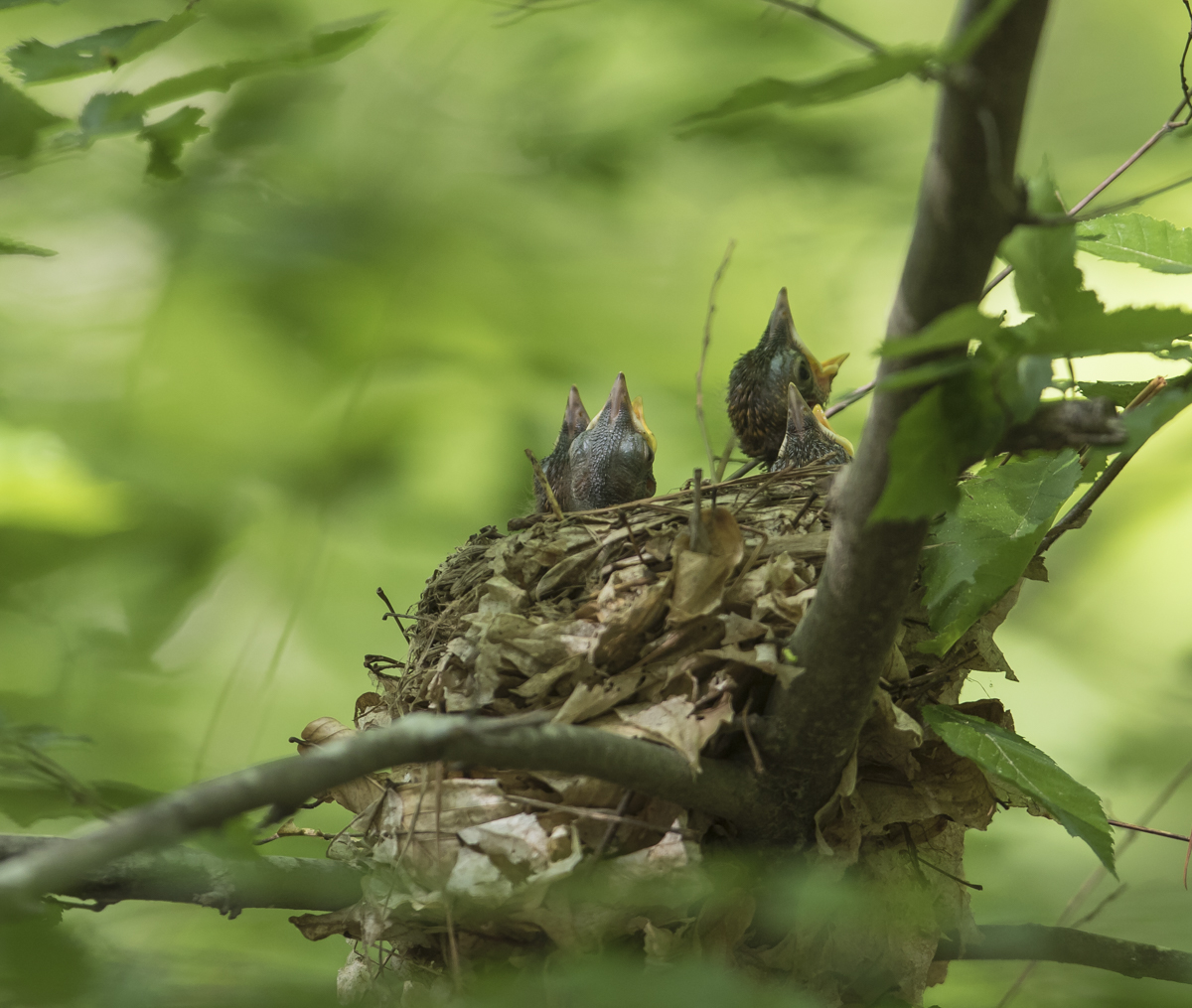
Cup nests are shaped like a bowl or cup. Birds use twigs, grass, and leaves to build them. These nests are often found in trees or bushes.
Many songbirds, like robins and finches, build cup nests. The nest holds eggs safely and keeps chicks warm.
Cavity Nests
Cavity nests are built inside holes or cavities. Birds use old tree holes or create their own. Woodpeckers are famous cavity nest builders.
These nests protect birds from weather and predators. Some birds line the cavity with soft materials for comfort.
Platform Nests
Platform nests are flat and wide. Birds use sticks and branches to build a strong base. These nests often sit on tree branches or cliffs.
Large birds, like eagles and hawks, make platform nests. The flat shape holds many eggs and chicks at once.
Burrow Nests
Burrow nests are dug into the ground or sand. Birds like puffins and kingfishers create tunnels for their nests. These nests offer good protection.
Burrows keep eggs safe from predators and weather. Birds often line burrows with feathers or leaves for warmth.
Materials Birds Use
Birds use many materials to build their nests. These materials help keep eggs safe and warm. Each bird species chooses what fits best.
The choice depends on where the bird lives and what it can find nearby. Some materials are soft, while others are strong.
Twigs And Leaves
Twigs are strong and help form the nest’s base. Birds collect small branches from trees or bushes.
Leaves add softness and help cover the nest. They also help hide the nest from predators.
- Twigs provide structure and support
- Leaves add comfort and camouflage
- Both materials are easy to find outdoors
Mud And Clay
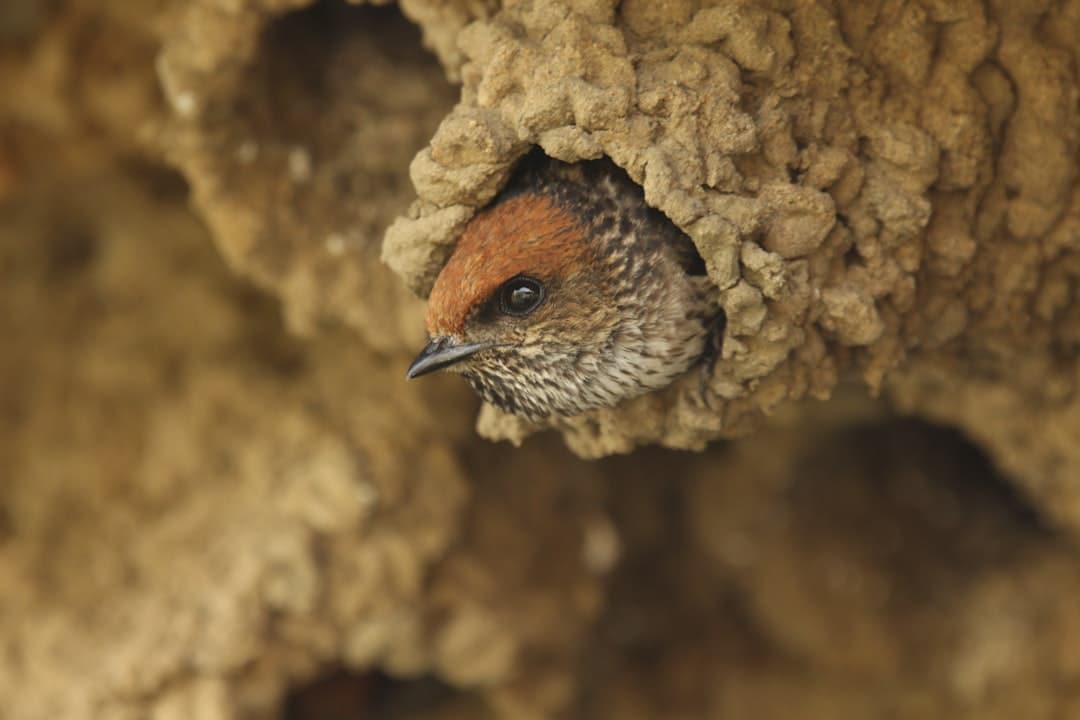
Some birds use mud or clay to glue their nests together. This material makes the nest strong and weatherproof.
Birds often mix mud with grass or straw. This mix helps the nest stay in place during wind or rain.
- Mud acts as a natural glue
- Clay helps form hard nest walls
- Mixing with plant material adds strength
Feathers And Fur
Feathers and fur make nests soft and warm. Birds collect these materials from themselves or other animals.
These materials protect eggs and baby birds from cold weather. They create a cozy nest lining.
- Feathers provide insulation
- Fur adds extra warmth
- Both improve comfort for hatchlings
Man-made Objects
Birds sometimes use man-made items like string, paper, or plastic. These objects can be easy to find in cities.
These materials may help build the nest or add softness. Birds adapt well to urban environments by using what is around.
- Strings and yarn add flexibility
- Paper and plastic can line the nest
- Birds use trash when natural materials are scarce
Nesting Habitats
Birds build nests in many places. Each type of habitat offers unique spots for nesting.
Nesting habitats affect bird survival and reproduction. Birds choose places that protect their eggs and chicks.
Forests And Woodlands
Forests provide many nesting options. Trees, shrubs, and the ground offer safe places for nests.
Birds like woodpeckers use tree holes. Others build nests on branches or hidden among leaves.
- Tree cavities for woodpeckers and owls
- Branch nests for songbirds
- Ground nests in leaf litter for some species
Wetlands And Marshes
Wetlands have water and plants that help birds hide nests. Many water birds nest here.
Birds build floating nests or use tall reeds. These nests stay safe from floods and predators.
- Floating nests on water plants
- Reed nests above water level
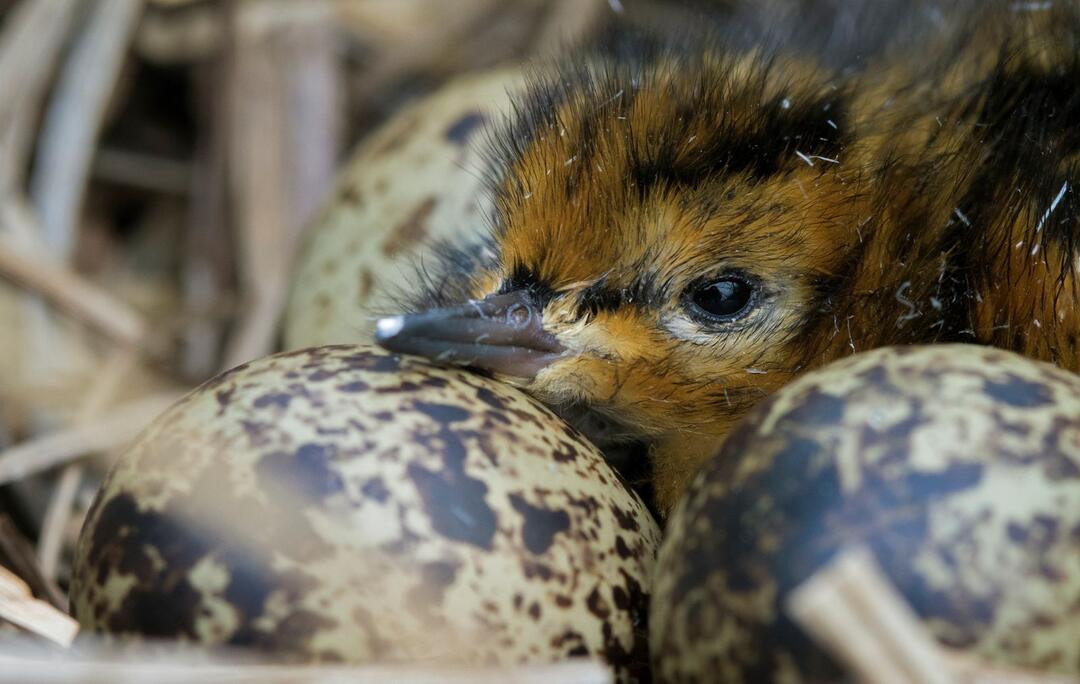
- Ground nests on dry patches
Urban Environments
Birds adapt to cities by using buildings and parks for nests. They find new places to raise chicks.
Common sites include rooftops, ledges, and trees in parks. Some birds use man-made structures.
- Rooftop nests on flat surfaces
- Ledge nests on buildings
- Park trees and shrubs
Grasslands And Deserts
Grasslands and deserts have fewer trees. Birds nest on the ground or in low bushes here.
Nests are often hidden in grass or under small plants. This protects eggs from heat and predators.
- Ground nests hidden in tall grass
- Small bush nests for shade
- Burrow nests dug into soil
Nesting Behaviors
Birds show many ways to build nests and care for their young. These behaviors help keep eggs and chicks safe.
Understanding how birds build nests and protect their babies helps us learn more about nature.
Nest Building Techniques
Birds use different materials to build nests. Some use twigs, leaves, or mud. Others use feathers or spider webs.
Nests can be cups, domes, or holes. The style depends on the bird species and environment.
- Twigs and leaves for sturdy nests
- Mud to stick parts together
- Soft materials for lining
- Hidden spots to avoid predators
Parental Roles
Both mother and father birds may help with nesting duties. Some share building the nest and feeding the chicks.
In some species, only the mother builds the nest. The father may guard or find food.
- Building the nest
- Incubating eggs
- Feeding hatchlings
- Protecting the nest area
Nest Defense
Birds use many ways to protect nests from predators. They stay alert and may attack or distract threats.
Some birds choose hidden or hard-to-reach places to build nests. This lowers risk from enemies.
- Alarm calls to warn others
- Fake injuries to distract predators
- Choosing camouflaged nest sites
- Guarding the nest closely
Seasonal Variations
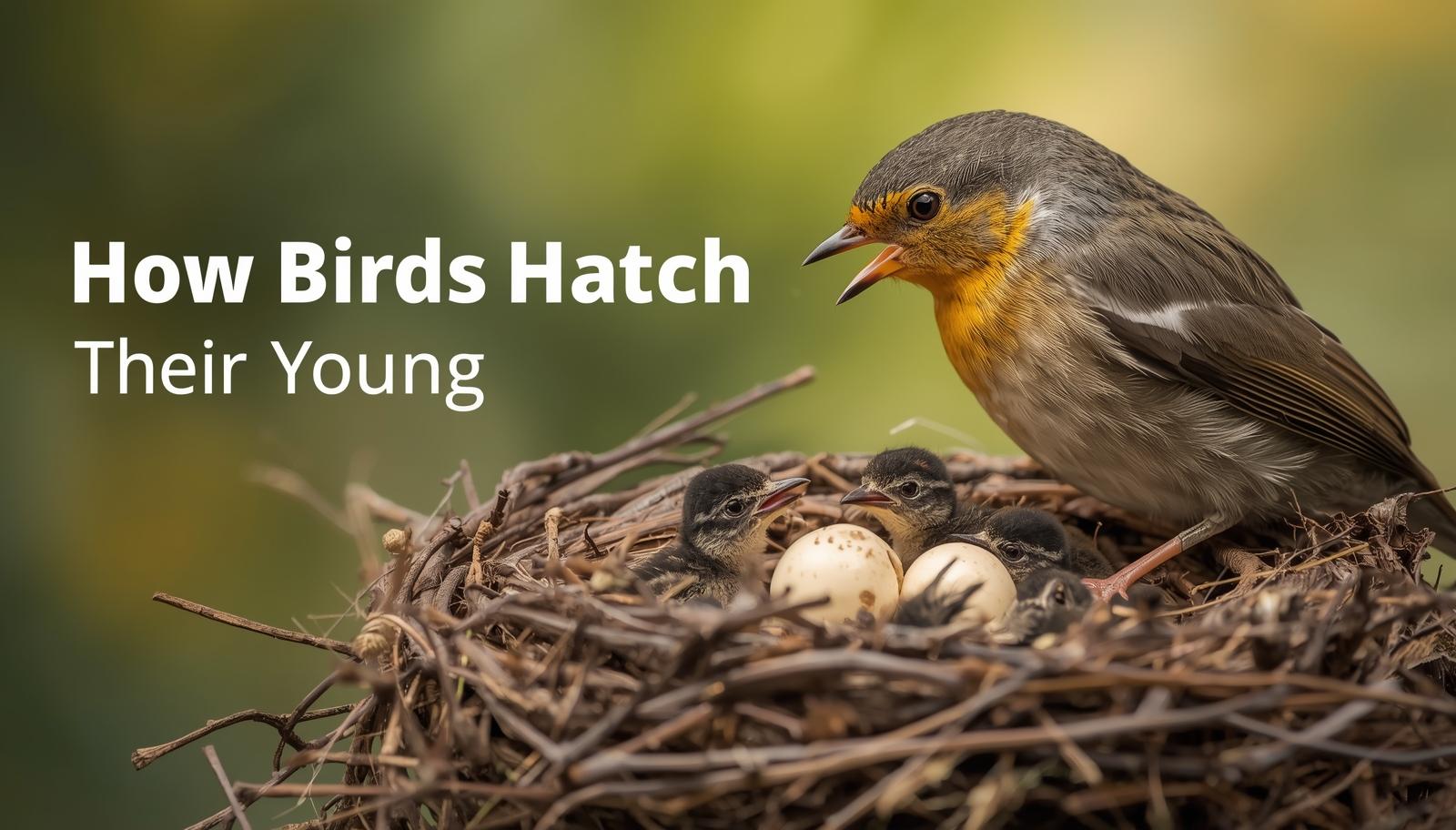
Nesting behaviors change with seasons. Birds often nest in spring when food is more available.
Some birds may build multiple nests or reuse old ones depending on the season and weather.
- Spring and summer for raising young
- Some build nests in fall or winter
- Changing nest sites with weather
- Adjusting materials to climate
Adaptations For Survival
Birds build nests to protect their eggs and chicks. These nests show many clever survival traits. Each adaptation helps birds live in different environments.
Understanding these adaptations helps us learn how birds survive threats. Their nests reflect smart choices for safety and comfort.
Camouflage And Concealment
Birds often use colors and materials that blend with their surroundings. This hides nests from predators and keeps eggs safe.
Leaves, twigs, and moss match the environment. Some birds build nests that look like natural objects like pinecones or bark.
- Use of natural materials for blending
- Nests shaped to look like surroundings
- Placement in hidden spots to avoid detection
Nest Location Choices
Birds pick safe places to build nests. They choose spots away from predators and bad weather.
Some nests are high in trees, while others are hidden in bushes or cliffs. Location helps protect eggs and chicks.
- High tree branches for safety
- Thick bushes for cover
- Cliffs or ledges to avoid ground predators
- Near water for food access
Temperature Regulation
Nests keep eggs warm in cold weather and cool in heat. Birds use soft materials to control temperature.
Some nests have thick walls or are built in shaded places. This helps eggs grow safely.
- Use of feathers and moss for insulation
- Building nests in shaded or sheltered spots
- Designs that allow air flow for cooling
Predator Avoidance
Birds use many ways to keep predators away. They build strong nests that are hard to reach or see.
Some birds add thorny branches or sticky materials around nests. This stops animals from getting too close.
- Building nests in hard-to-reach places
- Using thorny or sticky materials as barriers
- Choosing hidden spots to avoid attention
- Guarding nests actively against threats

Credit: www.numberanalytics.com
Impact Of Environment Changes
Bird nesting diversity depends a lot on the environment. Changes in nature can help or hurt birds. Many birds build nests to keep their eggs safe and raise chicks.
When the environment changes, birds may face problems finding good places to nest. This can reduce the number of birds in an area.
Climate Change Effects
Climate change causes shifts in weather and seasons. Birds may find it hard to know when to build nests. Some birds may lay eggs too early or too late.
Rising temperatures can also destroy nests or reduce food for baby birds. Some species may move to cooler places, changing nesting diversity.
Habitat Loss
Cutting down forests and building cities destroy bird homes. Birds lose places to build nests and hide from predators. Wetlands and grasslands are also lost.
Without safe habitats, many birds cannot survive or raise young. This lowers the number of bird species in an area.
Pollution And Nesting
Pollution harms birds and their nests. Chemicals and trash can poison birds or damage nests. Plastic waste can trap baby birds or block nest entrances.
Noise and light pollution can scare birds away from nesting places. This reduces nesting success and bird diversity.
- Chemicals can weaken eggshells
- Trash can cause injuries or death
- Noise disturbs bird communication
- Light confuses birds during nesting
Conservation Efforts
Many groups work to save bird habitats. They plant trees, protect wetlands, and stop pollution. These actions help birds find safe nesting places.
Building birdhouses and creating parks also help increase nesting diversity. Educating people about birds supports conservation too.
- Protect natural habitats from destruction
- Reduce pollution near nesting areas
- Create safe places with birdhouses
- Raise awareness about bird protection
Famous Bird Nesting Sites
Birds build nests in many special places around the world. These sites provide safety and good conditions for raising young birds.
Some famous bird nesting sites are known for their diversity and the large number of birds they support. Let’s explore some of these important places.
Tropical Rainforest Nests
Tropical rainforests are rich in bird species. Many birds build nests high in the trees to stay safe from predators.
Famous rainforests like the Amazon and Congo Basin host colorful birds that use leaves, twigs, and mud to build unique nests.
Migratory Bird Colonies
Migratory birds travel long distances and often nest in large groups called colonies. These colonies help protect birds from danger.
- Monterey Bay, California
- Wadden Sea, Europe
- Chilika Lake, India
- Point Pelee, Canada
Island Nesting Grounds
Islands provide quiet and safe places for birds to build nests. Many seabirds prefer islands because they have fewer predators.
| Island | Bird Species | Location |
| Galápagos Islands | Blue-footed Booby, Frigatebird | Pacific Ocean |
| Farallon Islands | Tufted Puffin, Common Murre | California Coast |
| Lord Howe Island | Providence Petrel, Masked Booby | Australia |
Protected Bird Sanctuaries
Many countries protect important bird nesting areas with sanctuaries. These places help birds survive and raise their young safely.
- Rann of Kutch, India
- Ramsar Wetlands, Iran
- Banc d’Arguin, Mauritania
- Platte River, USA
Credit: roadsendnaturalist.com
Credit: ak.audubon.org
Frequently Asked Questions
What Are The Main Types Of Bird Nests?
Bird nests vary widely, including cup, dome, platform, cavity, and scrape nests. Each type suits different bird species and environments.
How Does Nesting Diversity Benefit Bird Species?
Nesting diversity helps birds adapt to various habitats, avoid predators, and improve breeding success. It increases survival chances for offspring.
Which Materials Do Birds Use For Nesting?
Birds use twigs, leaves, grass, feathers, mud, and even man-made items. Material choice depends on availability and nest type.
How Do Birds Choose Nesting Sites?
Birds select sites based on safety, food access, climate, and predator presence. Good sites increase chick survival rates.
Conclusion
Bird nesting diversity amazes and educates. Each species builds unique homes. Observing these nests reveals nature's creativity. Birds use twigs, leaves, and mud. They adapt to different environments. This adaptation ensures survival. Understanding nesting habits enriches our knowledge. It connects us with nature.
Protecting bird habitats is crucial. Conservation efforts support diverse nesting. Let's appreciate these natural architects. They inspire wonder and respect. Next time, spot a nest. Appreciate its design and purpose. Nature truly showcases beauty and resilience.