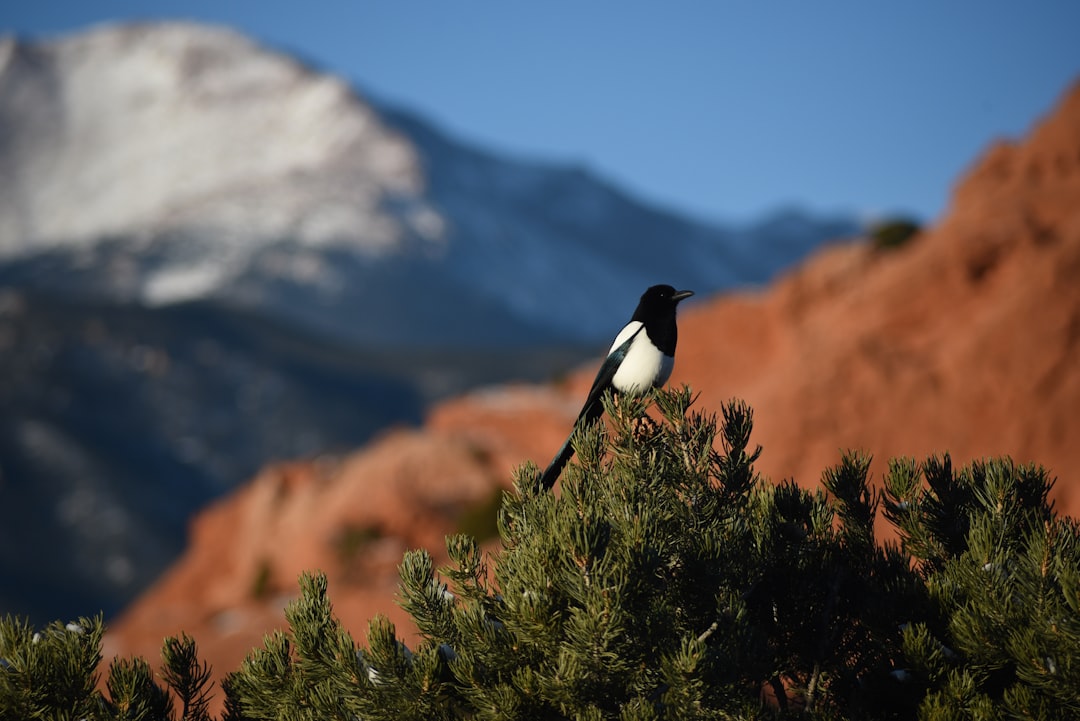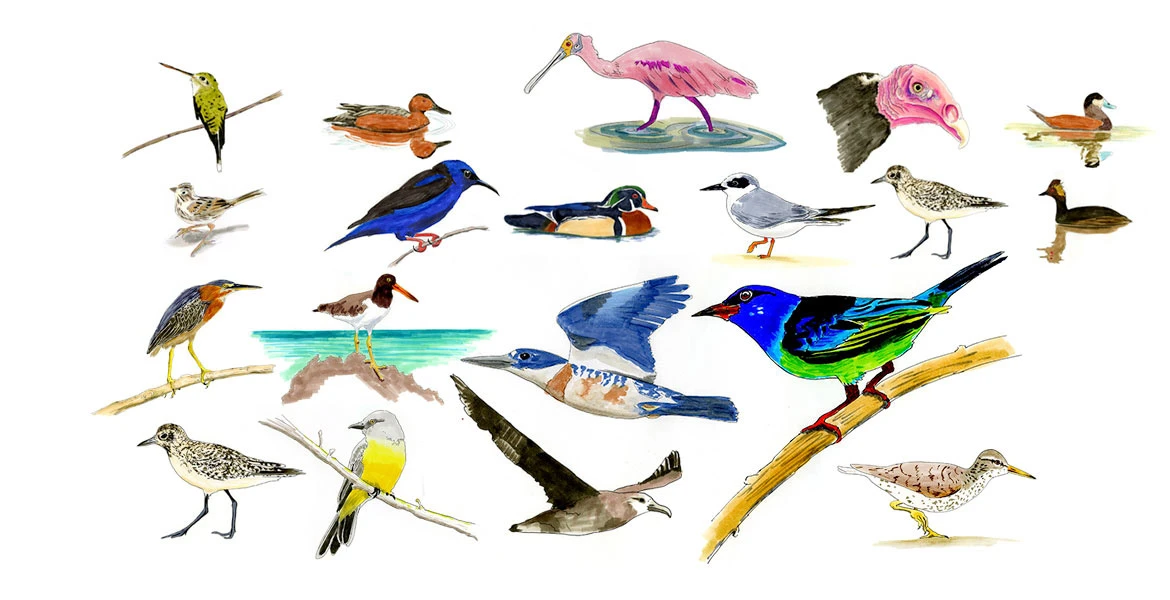
The year 2025 has been exciting for bird enthusiasts and scientists alike, with remarkable discoveries of new bird species around the world. From tropical rainforests to remote mountains, these birds display unique colors, behaviors, and adaptations that reveal the incredible diversity of life on Earth. Exploring these discoveries not only sparks our curiosity but also highlights the importance of protecting fragile habitats. In this article, we’ll take a closer look at the rare birds of 2025—their traits, habitats, and the efforts being made to conserve them.
Rare Birds of 2025
The year 2025 brings great bird finds. New species were found in far-off places.
These rare birds have special features. They live in unique habitats. Scientists want to learn about them.
Top New Species Unveiled
Several new bird species were found this year. Each one has a distinct size and shape.
-
The Azure Crowned Warbler
-
Golden-spotted Nightjar
-
Crimson-throated Sunbird
-
Emerald Feathered Owl
Unique Traits and Colors
These birds show bright colors. They have special body parts. Their feathers shine in the light.
Habitat and Range
These rare birds live in mountains and forests. Each species prefers a special area.
-
Azure Crowned Warbler: South American tropical rainforests.
-
Golden-spotted Nightjar: Dry African woodlands.
-
Crimson-throated Sunbird: Asian mountain slopes.
-
Emerald Feathered Owl: Dense Australian forests.

Credit: news.mongabay.com
Discoveries Around the World
Scientists find new birds globally. These finds teach us about nature. Birds live in many spots: forests, wetlands, and mountains.
Each new bird shows us Earth’s rich life. Let’s look at recent finds from different places.
Tropical Rainforest Finds
Rainforests hold many unknown birds. Thick plants create safe bird homes. New birds here are often bright. They have unique calls.
Scientists found small birds that hide in leaves. Some use special feathers to blend in. These finds help protect rainforests.
Mountainous Regions
Mountains have tough weather and rocks. Birds here have thick feathers and strong wings. New mountain birds show special skills. They survive cold and wind.
Researchers found birds living only very high up. They have unique colors and songs. Studying them shows how animals adapt.
Coastal and Wetland Birds
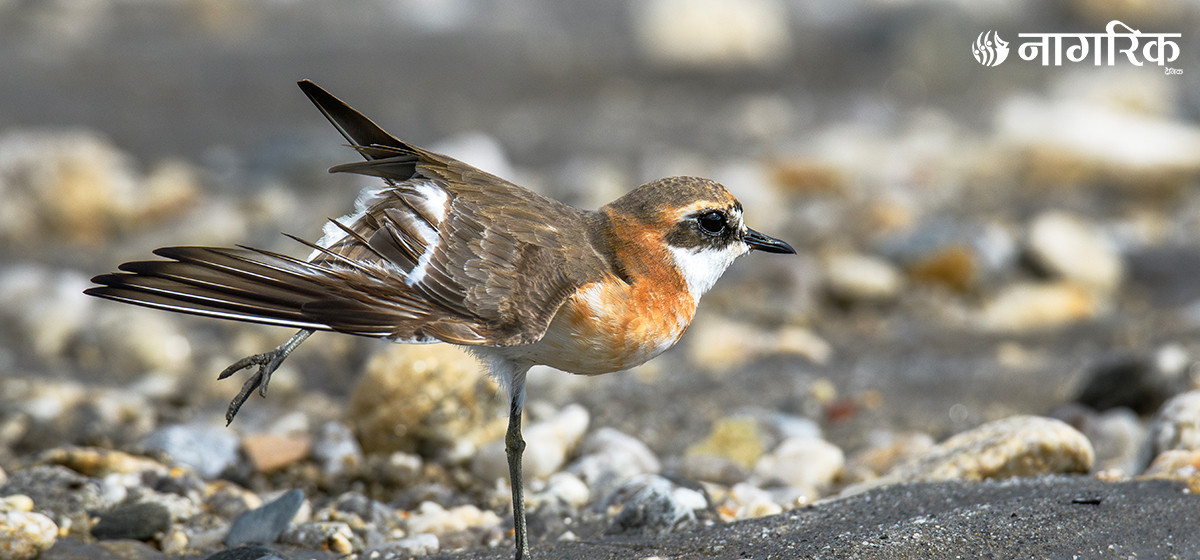
Wetlands and coasts offer food and cover. Many new birds live near the water. They often have long legs. They use sharp beaks for fishing.
New finds include birds with unique fishing habits. Some hide in reeds. These finds show bird use of water habitats.
Scientific Progress
Scientists find many new bird species yearly. These finds help us learn more. New tools and teamwork are key. They help find and study these birds.
Better Tracking Tricks
Scientists use tiny GPS units. They follow birds in the wild. These units show where birds live and fly.
Radio telemetry tracks birds in remote areas. This data gives clues about bird habits.
-
GPS trackers record migration routes.
-
Radio telemetry helps study remote areas.
-
Satellite tracking shows global moves.
DNA Testing Helps
DNA tests help find new bird species. They compare genes. This finds differences that are hard to see.
Genetic data shows bird family ties. This helps sort species. It aids our understanding of evolution.
-
Genetic links clarify bird families.
-
It confirms new species finds.
Researchers Work Together
Scientists from many countries share ideas. This teamwork speeds up bird finds.
Lab experts and field teams work together. They study new birds. Sharing knowledge is crucial.
-
Teams share tracking data globally.
-
Joint DNA analysis improves accuracy.
-
Researchers publish finds together.
Protecting New Species
Finding new birds helps us know nature better. It shows how rich life is here.
It is important to protect these new species. They may be rare. They need safe places to live.
Threats to New Birds
New bird species often face danger. Habitat loss is a major threat.
Other risks include pollution and hunting. Climate change is also a threat. These risks can quickly cut bird numbers.
-
Land clearing and deforestation harm them.
-
Climate change affects food sources.
-
Illegal hunting and trapping is a danger.
-
Pollution harms bird health.
Protecting Bird Homes
Saving bird homes helps new species live. It keeps their areas safe from harm.
Creating parks and reserves helps. Restoring harmed areas helps birds thrive.
-
Establish protected wildlife areas.
-
Restore forests and wetlands.
-
Control pollution near bird habitats.
-
Watch habitats for changes.
Local People’s Role
Local people are key to saving birds. They know the land well. They watch for danger.
Communities help by protecting forests. They avoid hunting. Education helps raise awareness.
-
Community groups stop poaching.
-
Teach children about nature and birds.
-
Use old knowledge for conservation.
-
Support eco-friendly farming.
Birdwatching Advice
Watching birds is fun. It is a way to see new species. It needs patience and some knowledge.
These tips help you spot new birds. They help you watch them safely.
Best Times to See Birds
The best times are early morning. Birds are also active late afternoon.
Spring and fall are good seasons. Many birds move during these times.
-
Visit at dawn or dusk.
-
Try spring and fall seasons.
-
Check local bird moving times.
Must-Have Gear
Good gear makes watching easier and fun. Binoculars help you see far birds.
Use an app or notebook to record finds. Wear comfy clothes that blend in.
-
Binoculars give clear views.
-
Use an app or notebook for notes.
-
Wear quiet, comfortable clothing.
-
Bring water and snacks for long trips.
-
Use a field guide to know the birds.
Watch Birds Respectfully
Always respect birds and their homes. Stay quiet. Do not move fast to avoid scaring them.
Keep a safe distance. Do not feed or touch the birds. Leave the place as you found it.
-
Stay silent and move slowly.
-
Keep your distance from nests.
-
Do not feed or touch birds.
-
Follow all local rules.
-
Take only photos. Leave only footprints.v
Credit: myrepublica.nagariknetwork.com
Frequently Asked Questions
What Defines A New Bird Species?
A new bird species shows unique traits. These include differences in how it looks. Behavior or habitat also matter. DNA is crucial. Scientists check DNA to confirm the bird is unique.
How Are New Bird Species Discovered?
New bird species are found by field research. Bird experts explore many habitats. They collect samples and data. New tools like DNA testing help. Local knowledge also gives insights.
Why Are New Bird Species Important?
New bird species add to nature’s health. They show us how life changes. Studying them helps conservation. Protecting them keeps ecosystems healthy. Finds inspire research and interest.
How Many New Bird Species Are Found Yearly?
Scientists find about five to ten new bird species each year. This number changes. Tropical rainforests find the most. New methods help increase finds. Research continues daily.
Conclusion
Finding new bird species shows nature’s rich state. Each bird adds to Earth's big puzzle. Scientists learn about life daily. These finds tell us to protect wildlife. Birdwatching brings peace and joy.
Keep exploring the world around you. Nature holds many secrets. Stay curious. Enjoy the beauty of birds.