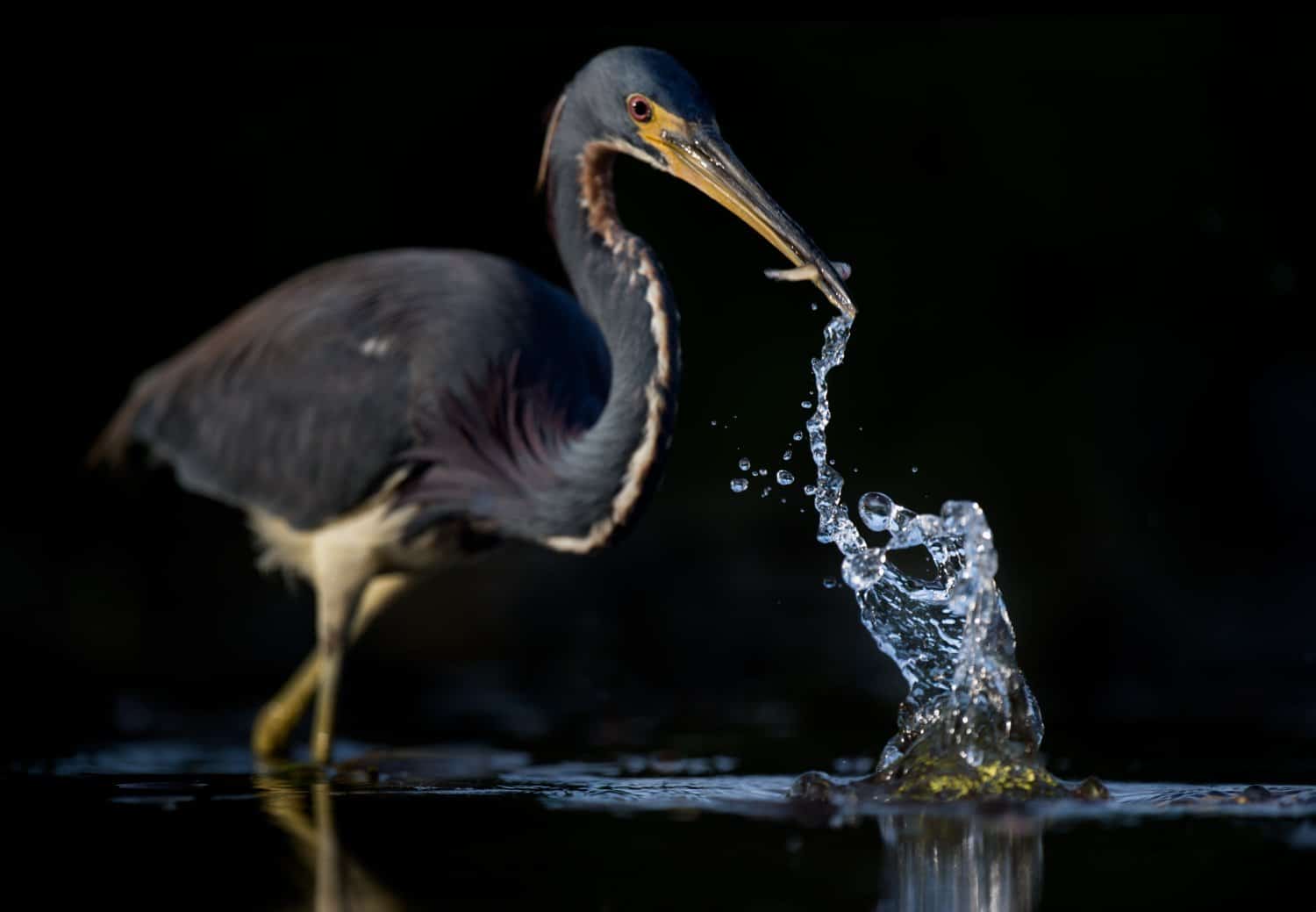
Have you ever wanted to capture the perfect shot of a bird in flight or perched on a branch? Bird photography can be both thrilling and challenging.
But with the right techniques, you can turn your photos from ordinary to extraordinary. You’ll discover simple yet powerful tips that will help you get closer to your feathered subjects and snap stunning images every time. Ready to improve your bird photography skills and impress everyone with your shots?
Let’s dive in and make your next photo session unforgettable.
Choosing The Right Gear
Bird photography needs the right gear to get clear and sharp images. Choosing good equipment helps you capture birds in their natural beauty.
This guide covers the best cameras, lenses, and accessories for bird photography. Picking the right tools makes shooting easier and more fun.
Best Cameras For Bird Photography
Bird photography needs cameras with fast autofocus and good image quality. Cameras with high frame rates help capture quick bird movements.
DSLR and mirrorless cameras both work well. Look for cameras with good sensor size and low noise in images.
- High frame rate (at least 7 frames per second)
- Fast and accurate autofocus system
- Good performance in low light
- Durable and weather-sealed body
Lenses That Capture Details
Long lenses are key for bird photography. They let you shoot from far away without scaring birds.
Choose lenses with good zoom range and fast focus. Prime lenses give sharp images but zoom lenses offer more flexibility.
- Telephoto lenses (300mm or longer)
- Zoom lenses with image stabilization
- Wide apertures (f/4 or wider) for better light
- Lightweight for easier handling
Essential Accessories
Accessories make bird photography easier and improve results. A sturdy tripod helps keep the camera steady.
Extra batteries and memory cards let you shoot longer. A good camera bag protects your gear in the field.
- Tripod or monopod for stability
- Extra batteries and memory cards
- Camera rain cover for bad weather
- Lens cleaning kit to keep glass clear
- Comfortable camera bag for carrying gear

Credit: digital-photography-school.com
Mastering Camera Settings
Bird photography needs the right camera settings. You must adjust your camera for sharp and clear images.
Knowing shutter speed, aperture, and ISO helps you take better bird photos. Let’s explore these settings.
Optimal Shutter Speeds
Shutter speed controls how long your camera’s sensor sees light. Fast speeds freeze bird motion well.
Use faster shutter speeds for flying birds to avoid blur. Slower speeds can work for still birds.
- Flying birds: 1/1000 second or faster
- Perched birds: 1/500 second or faster
- Very still birds: 1/250 second might work
Aperture And Depth Of Field
Aperture is the size of the lens opening. It affects how much of the photo is in focus.
Use a wide aperture (small f-number) to blur the background. This makes the bird stand out.
- Wide aperture: f/2.8 to f/5.6 for blurred backgrounds
- Narrow aperture: f/8 or higher for more focus area
- Balance aperture with shutter speed and ISO
Iso Tips For Clear Shots
ISO controls your camera’s sensitivity to light. Higher ISO helps in low light but adds noise.
Use the lowest ISO that lets you keep fast shutter and good aperture. This keeps images clear.
- Bright daylight: ISO 100 to 400
- Cloudy or shade: ISO 400 to 800
- Low light: ISO 800 or higher, but watch for noise
Finding And Approaching Birds
Bird photography needs patience and care. Finding birds in nature is the first step. Approaching them without scaring them is very important.
Using the right techniques helps you get closer to birds. This way, you can take clear and natural photos.
Scouting Locations
Look for places where birds like to stay. Wetlands, forests, and fields are good spots. Early mornings are the best time to find active birds.
Visit the same place several times. This helps you learn the birds’ habits and favorite spots.
- Parks with water sources
- Nature reserves and bird sanctuaries
- Wooded areas with plenty of trees
- Open fields with flowers or seeds
Using Bird Calls
Bird calls can attract birds closer to you. Use a small recorder or app to play calls of birds you want to photograph. Keep the volume low to avoid scaring them.
Listen carefully for bird sounds in the wild. This helps you find hidden birds and understand their behavior.
- Use calls only for short times
- Choose calls of local bird species
- Watch how birds react to the calls
- Avoid disturbing nesting birds
Approach Techniques
Move slowly and quietly toward the bird. Sudden moves can scare birds away. Stay low and use natural cover like bushes or trees.
Wear clothes that blend with the environment. Avoid bright colors or shiny objects. Use a zoom lens to keep distance but get close photos.
- Walk softly on the ground
- Stop and wait if birds notice you
- Use shadows and sunlight to your advantage
- Keep your camera ready but steady
Composing Stunning Shots
Bird photography requires patience and a good eye. Composing your shots well makes your photos stand out.
Focus on how you frame the bird, use light, and choose the background. These details create beautiful images.
Framing And Angles
Choose the right angle to show the bird’s best side. Try to get eye level with the bird for a natural look.
Use the rule of thirds to place the bird off-center. This makes the photo more interesting and balanced.
- Get close or use zoom to fill the frame with the bird
- Leave space in front of the bird to show where it is looking
- Try different angles like side view or from below
Lighting For Impact
Good light highlights the bird’s colors and details. Early morning and late afternoon have soft, warm light.
Avoid harsh midday sun that creates strong shadows. Overcast days give even light and reduce glare.
- Shoot with the sun behind you to light the bird fully
- Use side lighting for texture and depth
- Backlighting can create a glowing outline around the bird
Background Considerations
A clean background helps the bird stand out. Look for simple, blurred backgrounds without distractions.
Use a wide aperture to blur the background. This makes the bird sharp and the background soft.
- Avoid bright colors or clutter behind the bird
- Look for natural colors like green leaves or blue sky
- Change your position to find a better background
Capturing Action And Behavior
Bird photography shows the beauty of birds in their natural world. Capturing action and behavior makes photos more lively and interesting.
To get great shots, you need to watch birds closely and be ready to snap pictures fast. This helps catch their movements and habits clearly.
Flight Photography Tips
Taking photos of birds in flight needs quick reflexes and the right camera settings. Use a fast shutter speed to freeze motion.
Focus on the bird’s eyes and use continuous autofocus to keep the bird sharp as it moves.
- Set shutter speed to at least 1/1000 second
- Use burst mode to take many shots quickly
- Track the bird smoothly with your camera
- Use a telephoto lens for close-up shots
Feeding And Nesting Moments
Photos of birds feeding or nesting show their natural behavior and care for young ones. These moments tell a story about their life.
Stay quiet and use camouflage to avoid scaring the birds. This helps you get close without disturbing them.
- Use a zoom lens to keep distance
- Focus on small details like beaks and feathers
- Capture interactions between parent and chicks
- Watch for interesting light angles
Patience And Timing
Patience is key in bird photography. Birds do not always act quickly. Wait calmly for the right moment.
Visit bird spots at different times of day to catch varied behaviors. Early morning and late afternoon often work best for lighting and activity.
- Bring comfortable gear for long waits
- Learn about bird habits to predict movements
- Be ready to take pictures fast
- Respect the birds and their space

Credit: www.allaboutbirds.org
Post-processing Tips
Post-processing is key to improving bird photos. It helps bring out details and correct small issues.
Using simple editing tools can make your bird images look sharper and more vivid.
Enhancing Colors And Contrast
Adjusting colors and contrast makes the bird stand out. It adds life to dull photos.
Boost the saturation slightly to keep colors natural. Increase contrast to show details in feathers.
- Use sliders to increase contrast without losing details
- Raise saturation carefully to avoid unnatural colors
- Adjust white balance for correct color tones
Cropping For Focus
Crop your photo to remove empty space. Focus on the bird’s eyes or unique features.
Cropping helps viewers see the main subject clearly. It also improves the photo’s composition.
- Crop tightly around the bird to reduce distractions
- Keep important parts like the head and wings inside the frame
- Use the rule of thirds to place the bird for balance
Removing Distractions
Remove spots or objects that take attention away from the bird. Clean backgrounds help the subject shine.
Use editing tools to erase small distractions like branches or dust spots.
- Clone out distracting branches or leaves
- Remove dust spots or sensor marks
- Smooth out busy backgrounds if needed
Ethical Bird Photography
Bird photography lets you capture nature’s beauty. It also needs care and respect for birds.
Ethical photography means protecting birds and their homes. This helps keep birds safe and happy.
Respecting Wildlife
Always treat birds as living creatures, not just subjects. Watch quietly and avoid sudden moves.
Keep a safe distance. Use zoom lenses to get close shots without scaring birds.
Minimizing Disturbance
Limit time spent near bird nests and feeding areas. Too much presence can cause stress to birds.
Turn off flash and reduce noise. Bright lights and loud sounds scare birds and change their behavior.
- Stay on marked paths and trails
- Avoid touching or moving nests
- Use natural light instead of flash
- Keep camera sounds low or off
Following Local Guidelines
Check local rules before photographing birds. Some places have restrictions to protect wildlife.
Respect seasonal bans like breeding or migration periods. This helps birds survive and thrive.
- Ask for permits if needed
- Follow park or reserve rules
- Avoid restricted areas
- Report any bird harm or disturbance
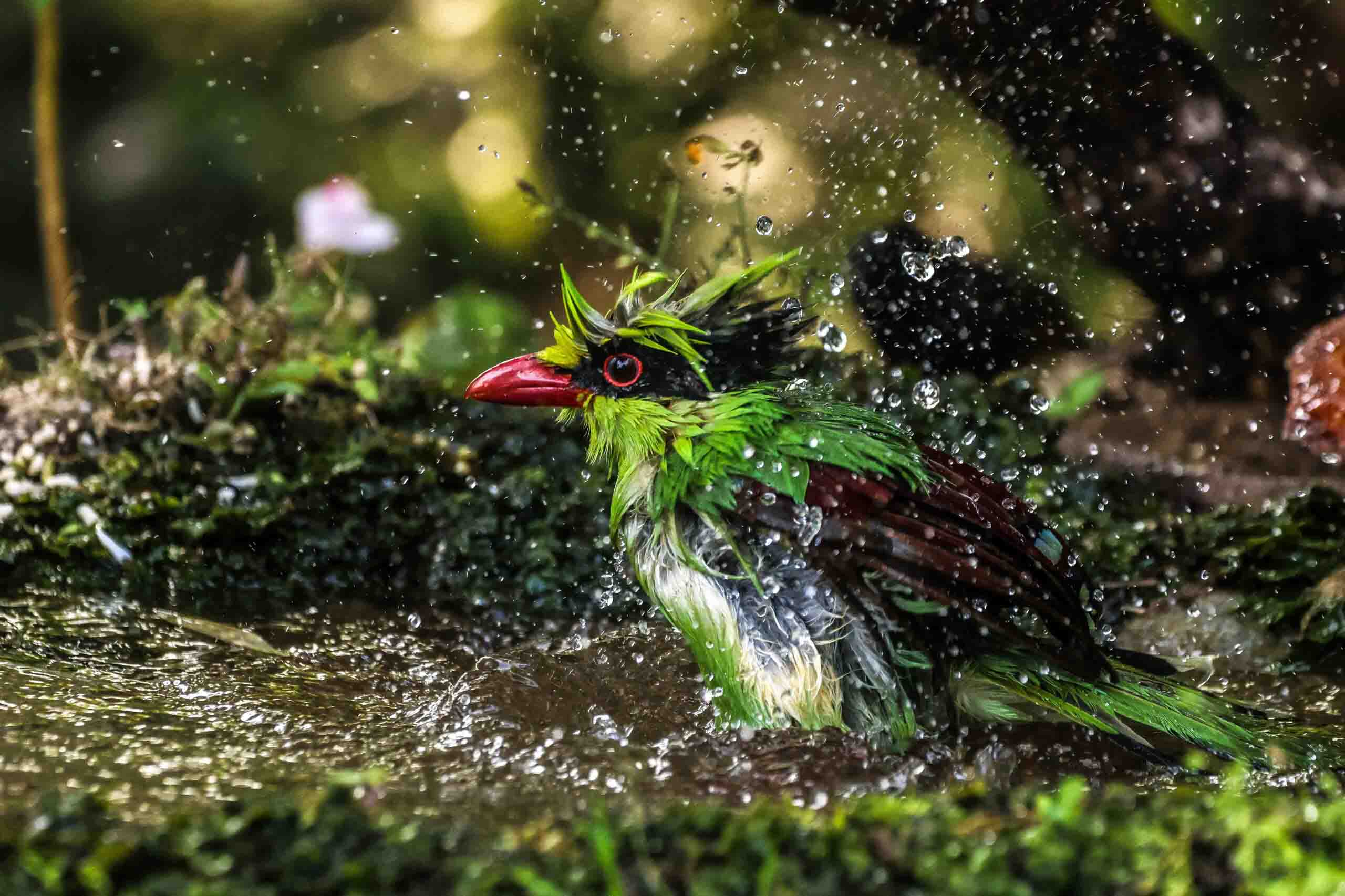
Credit: pixelspeaks.photography
Frequently Asked Questions
What Camera Settings Work Best For Bird Photography?
Use a fast shutter speed (1/1000s or higher) to freeze motion. Set a low ISO for clarity. Use aperture f/5. 6 to f/8 for sharp focus and background blur. Shoot in continuous mode to capture multiple shots quickly.
How Can I Approach Birds Without Scaring Them?
Move slowly and quietly. Wear camouflage or neutral colors. Avoid direct eye contact. Use natural cover like bushes. Stay downwind to prevent birds from detecting your scent. Patience is key to getting close shots.
What Lenses Are Ideal For Bird Photography?
Telephoto lenses between 300mm to 600mm are best. They allow close-up shots without disturbing birds. A lens with image stabilization helps reduce blur. Zoom lenses offer flexibility, while prime lenses provide sharper images.
How Do I Capture Birds In Flight Effectively?
Use continuous autofocus (AI Servo/AF-C mode). Set a fast shutter speed (1/2000s or faster). Track the bird smoothly with your camera. Use burst mode to increase chances of sharp shots. Practice panning to follow bird movement.
Conclusion
Capturing beautiful bird photos requires practice and patience. Start with basic techniques. Focus on lighting and composition. Always be ready to capture the unexpected. Use a quiet approach to avoid scaring birds. Invest in a good zoom lens for better shots.
Learn to predict bird behavior. It helps in capturing perfect moments. Enjoy the process and keep experimenting. With practice, your skills will improve over time. Bird photography can be a rewarding hobby. It connects you with nature and enhances creativity.
Keep clicking and enjoy the journey of bird photography.