A Bird Perched: Symbolism, Photography, and Nature’s Hidden Messages
Have you ever stopped to watch a bird perched quietly on a branch? That simple moment holds more beauty and meaning than you might realize.
When you focus on a bird resting calmly, you tap into a sense of peace and curiosity that can brighten your day. You’ll discover why these small creatures capture our attention and how their stillness can inspire you. Keep reading, and you’ll see the world from a fresh perspective—one that helps you feel more connected and aware.
The Charm of Bird Photography
Bird photography captures the beauty and grace of birds in their natural world. It brings us closer to nature and helps us see details we might miss with the naked eye.
Through the camera lens, every feather and movement tells a story. This art form connects photographers with wildlife and the environment around them.
Why Birds Make Perfect Subjects
Birds come in many shapes, sizes, and colors. Their variety makes photography exciting and rewarding.
- Birds are active and often show interesting behaviors.
- They live in diverse habitats, offering many backgrounds.
- Birds have striking patterns and bright colors that stand out.
- Photographing birds helps improve focus and patience.
Connecting With Nature Through the Lens
Bird photography encourages spending time outdoors. It brings calm and helps us notice the small wonders around us.
| Benefit | How It Helps |
| Patience | Waiting for the right moment improves patience. |
| Observation | Noticing bird details sharpens observation skills. |
| Relaxation | Being in nature reduces stress and boosts mood. |
| Connection | Feeling close to wildlife builds respect for nature. |
Essential Gear for Bird Photography
Bird photography needs special gear to get clear and close shots. You must have the right tools to capture birds well.
This guide covers important gear to help you take good bird photos. Focus on your camera, lens, and support tools.
Choosing The Right Camera and Lens
Pick a camera with fast autofocus to catch quick bird movements. A camera with good image quality helps in low light.
Use a telephoto lens to get close photos without scaring the bird. A lens with 300mm or longer focal length works best.
- DSLR or mirrorless cameras with fast autofocus
- Telephoto lenses 300mm to 600mm for detailed shots
- Image stabilization helps reduce blur
- Weather-sealed gear for outdoor conditions
Tripods And Accessories for Stability
Tripods keep your camera steady and reduce shake. This is important when using heavy lenses or slow shutter speeds.
Choose a tripod that is strong but easy to carry. Use a gimbal head for smooth camera movement while tracking birds.
- Sturdy tripod with adjustable height
- Gimbal head for smooth tracking
- Remote shutter release to avoid camera shake
- Bean bags or monopods as portable support options
Techniques For Stunning Detail
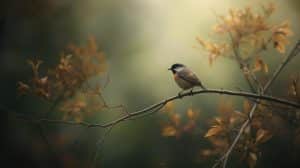
Photographing a bird perched captures a beautiful moment in nature. Clear and sharp images bring out the bird’s charm.
Using the right techniques helps show every fine detail. Focus and exposure are key for great photos.
Mastering Focus and Exposure
Focus on the bird’s eye for a sharp and lively image. Use a single focus point to keep it clear.
Adjust exposure to avoid bright spots or dark shadows. Balanced light shows the bird’s natural colors well.
- Use autofocus with eye detection if available
- Set exposure compensation to prevent overexposure
- Shoot in natural light for soft and even illumination
- Try spot metering to expose the bird, not the background
Capturing Feathers and Textures
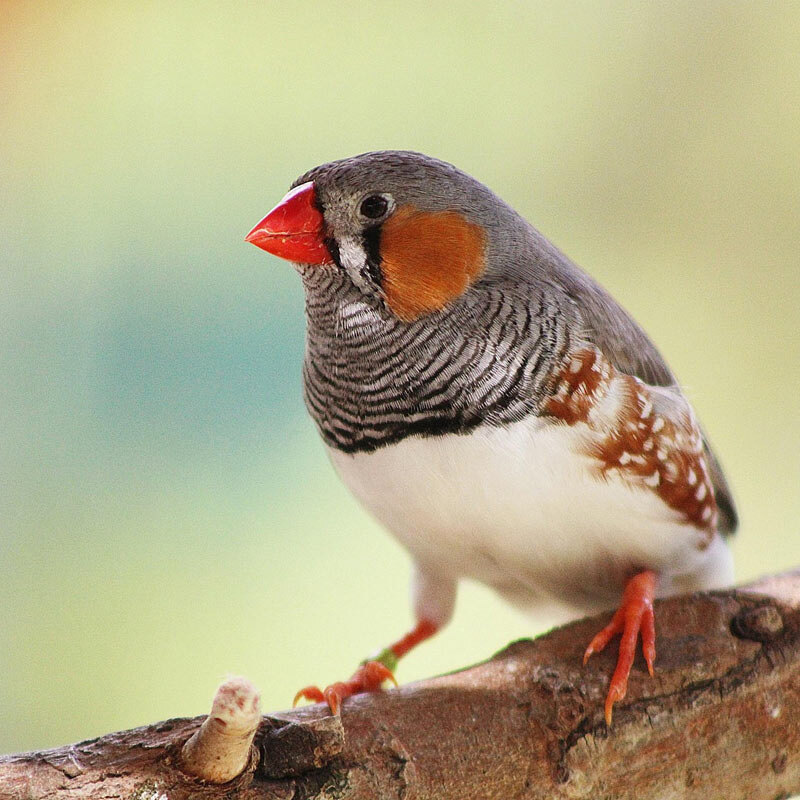
Feathers show rich patterns and textures. Good lighting and close focus reveal these details clearly.
Use a lens with good sharpness and zoom to fill the frame. This helps capture the bird’s fine textures.
- Shoot at a high resolution for better detail
- Use a smaller aperture (higher f-number) for more depth of field
- Keep the shutter speed fast to avoid blur from movement
- Capture feathers in side light to highlight textures
Timing And Patience in the Field
Photographing a bird perched takes time and patience. Birds can be shy and move quickly.
Knowing when to watch and how to wait helps you get better photos. Timing is very important.
Best Times to Photograph Birds
Early morning and late afternoon are the best times to take bird photos. Light is soft and warm.
Birds are often more active during these times. They search for food or rest on branches.
- Morning: Birds sing and move a lot
- Late afternoon: Birds settle down to rest
- Avoid midday: Light is harsh and birds hide
Reading Bird Behavior for Better Shots
Watching how a bird acts helps you predict its next move. This gives you time to prepare.
Look for signs like head turns, wing movement, or how it holds its body. These show what it will do.
- Bird looks around: It may fly soon
- Bird preens feathers: It feels calm and still
- Bird leans forward: It might take off or jump
Composing Serene Bird Images
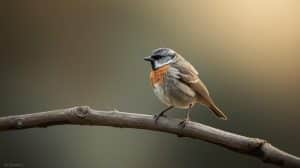
Capturing peaceful bird photos needs careful thought. Each photo tells a calm story from nature.
Focus on how you frame the bird and the background. Use light to make the mood soft and quiet.
Framing And Background Choices
Choose a simple background to keep the bird the main subject. Avoid busy scenes that distract the eye.
- Use natural elements like leaves or branches to frame the bird
- Select backgrounds with soft colors or blurred details
- Keep space around the bird for a feeling of openness
- Avoid cluttered or bright backgrounds that take attention away
Using Light to Enhance Mood
Light sets the tone in your bird photos. Soft light creates calm feelings and highlights details.
| Lighting Type | Effect on Mood | Best Time |
| Soft morning light | Gentle and warm | Early morning |
| Golden hour light | Warm and peaceful | Just after sunrise or before sunset |
| Overcast light | Even and calm | Cloudy days |
| Harsh midday light | Strong shadows, less calm | Noon, avoid if possible |
Post-processing Tips
Post-processing helps improve your photos after shooting. It can bring out the best details and colors in your images.
Using the right techniques keeps your photos natural and pleasing to the eye. Avoid making edits that look fake or too sharp.
Enhancing Details Without Overdoing
Focus on sharpening only the key parts of your photo. Over-sharpening can cause noise and unnatural edges.
- Use a soft brush to sharpen important details like eyes or feathers.
- Apply noise reduction to smooth grainy areas.
- Check your image at 100% zoom to avoid over-editing.
- Adjust clarity gently to keep textures natural.
Balancing Colors for Natural Looks
Correct color balance keeps your photo close to real life. Avoid colors that look too bright or dull.
| Color Adjustment | Tip |
| White Balance | Set to match the light source for true colors |
| Saturation | Increase slightly to enhance colors without oversaturation |
| Contrast | Adjust to add depth but keep shadows soft |
| Hue | Tweak carefully to avoid unnatural tones |
Inspiring Bird Photography Projects
Bird photography is a great way to explore nature and improve your skills. It helps you see details you might miss otherwise.
Many photographers start projects to focus on birds. These projects can tell stories and show beauty in nature.
Documenting Bird Species Locally
Start by finding birds in your area. Use a camera to take clear pictures of each bird you see.
Keep a record of the species with photos and notes. This helps you learn about local birds and share knowledge.
- Visit parks and gardens regularly
- Take photos from different angles
- Note the date and location of each bird
- Use bird guides to identify species
Creating A Nature Photography Series
Focus on birds in their natural environment. Show how they live, feed, and interact with nature.
Make a series of photos that tell a story. This can make your work more interesting and meaningful.
- Choose a theme, like birds in flight or feeding habits
- Take pictures at different times of day
- Use close-ups and wide shots together
- Organize photos to show a clear story

Credit: www.shutterstock.com
Frequently Asked Questions
What Does a Bird Perched Symbolize?
A bird perched often symbolizes freedom, perspective, and clarity. It represents the ability to see things from a higher vantage point. This view offers insights into life’s journey. Additionally, it may signify peace, calmness, and a moment of rest or reflection amidst life’s chaos.
How Does a Bird Maintain Balance When Perched?
Birds maintain balance when perched through their unique anatomical adaptations. Their feet automatically lock around branches, thanks to a tendon mechanism. This allows them to sleep without falling. Their center of gravity is also positioned close to their feet. This enhances stability and balance.
Why Do Birds Perch On Power Lines?
Birds perch on power lines because they provide a safe resting spot. These lines are elevated, keeping them safe from ground predators. Additionally, power lines offer a broad view of the surroundings, helping them spot potential food. Birds are insulated, so they don’t get electrocuted unless they touch another wire.
What Time of Day Do Birds Typically Perch?
Birds typically perch during early mornings and evenings. These times are ideal for resting and observing their surroundings. Mornings are often used for vocalizing and establishing territory. Evenings, on the other hand, are a time for winding down and finding a safe roosting spot for the night.
Conclusion
A bird perched brings calm and beauty to any scene. It shows nature’s quiet moments that often go unnoticed. Watching a bird rest can help us feel peaceful too. Small things like this remind us to slow down and enjoy life.
Birds perched on branches tell stories of freedom and grace. They inspire us to appreciate the simple joys around us. Next time you see a bird perched, take a moment to pause and smile. Nature’s gentle presence is always there to lift our spirits.