

Have you ever wondered what it feels like to spot a colorful bird found in tropical rain forests darting through the dense green? Imagine seeing a bird so vibrant, it instantly captures your attention and sparks your curiosity.
This colorful bird isn’t just a treat for the eyes—it plays a vital role in the rainforest’s delicate ecosystem. If you want to discover why this stunning creature is so special and what makes it stand out in one of the world’s most beautiful habitats, keep reading.
Your next adventure into nature’s wonders starts right here.
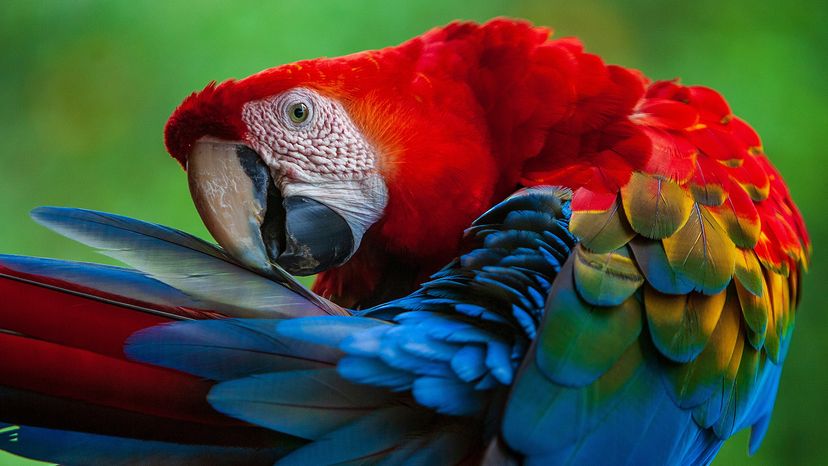
Credit: animals.howstuffworks.com
Vibrant Species In Rainforests
Tropical rainforests are home to many colorful birds. These birds show bright colors and unique shapes. They live among the trees and flowers of the jungle.
Many species of birds use their colors for different reasons. Some use colors to find mates. Others use them to hide from predators.
Parrots And Macaws
Parrots and macaws are famous for their bright feathers. They have strong beaks and can mimic sounds. These birds live in groups and enjoy eating fruits and nuts.
- Scarlet Macaw: Red, yellow, and blue feathers
- Blue-and-yellow Macaw: Bright blue and golden-yellow
- Amazon Parrot: Mostly green with colorful patches
- Eclectus Parrot: Males are bright green, females red and purple
Toucans And Hornbills
Toucans and hornbills have large, colorful bills. Their bills help them reach fruits on branches. These birds are loud and live in tropical forests across the world.
| Species | Bill Color | Size |
| Toucan | Bright orange and black | Large |
| Rhinoceros Hornbill | Yellow and black | Large |
| Great Hornbill | Yellow and white | Very large |
Other Colorful Birds
Many other birds show bright colors in rainforests. They include birds of paradise, motmots, and quetzals. These birds use colors to attract mates or warn others.
Notable Colorful Birds
- Bird of Paradise – Known for bright feathers and dances
- Motmot – Blue and green feathers with a unique tail
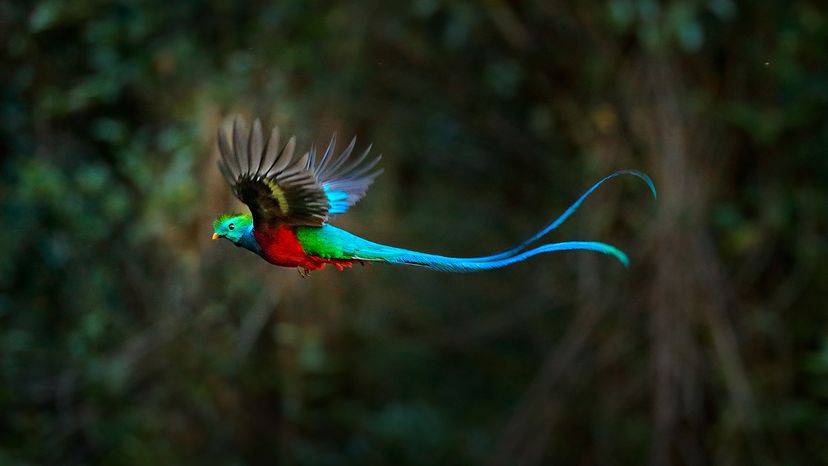
- Resplendent Quetzal – Bright green with red chest and long tail
Credit: medium.com
Adaptations For Survival
Colorful birds living in tropical rain forests have special traits to survive. These traits help them find food, avoid danger, and attract mates.
Many of these adaptations are about how they look and behave in their environment. These help them live well in the dense forest.
Camouflage And Coloration
Bright colors may seem easy to spot. But these birds use their colors to blend into flowers and leaves. This hides them from predators.
- Green feathers match the leaves around them.
- Bright reds and yellows mimic tropical flowers.
- Patterns break up their shape to confuse enemies.
- Some colors reflect light to look like wet leaves.
Feeding Habits
These birds eat a variety of foods. Their beaks and feeding styles suit what they like to eat. This helps them get enough energy.
| Food Type | Beak Shape | Feeding Method |
| Fruits | Short and strong | Plucking from branches |
| Insects | Long and thin | Probing under bark |
| Nectar | Curved and slender | Drinking from flowers |
Mating Displays
Colorful birds use bright feathers and dances to find a partner. These displays show how healthy and strong they are.
- Flashing bright feathers in sunlight
- Performing rhythmic dances on branches
- Making unique calls to attract mates
- Building decorated nests with colorful items
Habitats And Distribution
The colorful bird lives mainly in tropical rain forests. These forests provide the right climate and food. The bird’s bright feathers help it blend with flowers and fruits.
Its range covers many tropical regions around the world. It thrives in areas with dense trees and plenty of insects and fruits to eat.
Tropical Rainforest Zones
Tropical rain forests have different zones where this bird can live. Each zone offers unique food and shelter.
- Emergent layer: Tall trees where birds can see far and find mates.
- Canopy layer: Dense leaves for food and protection.
- Understory layer: Shaded area with smaller plants for nesting.
- Forest floor: Rarely visited by the bird because it is dark and wet.
Nesting Sites
The bird builds nests in safe places. It chooses spots that hide the nest from predators and bad weather. Nests are often high in trees or thick shrubs.
| Type of Nest | Common Location | Materials Used |
| Cup-shaped | Branches in canopy | Twigs, leaves, moss |
| Cavity | Holes in tree trunks | Feathers, soft fibers |
| Platform | Forks of large trees | Sticks, leaves |
Migration Patterns
This bird usually stays where food is found. Some groups move short distances when seasons change. They follow fruit and insect availability.
Migration behaviors include:
- Partial migration in some regions
- Moving to lower areas during dry seasons
- Returning to breeding sites when rains begin
Role In Ecosystems
Colorful birds found in tropical rain forests play many roles. They help keep the forest healthy and balanced.
These birds work with plants and animals in different ways. Their actions support life in the forest.
Seed Dispersal
Many colorful birds eat fruits and carry seeds far from the parent tree. This helps new plants grow in new places.
- Birds eat fruit and swallow seeds
- Seeds pass through the bird’s digestive system
- Birds drop seeds while flying or resting
- Seeds grow into new plants in different areas
Pollination
Some birds visit flowers to drink nectar. They carry pollen from one flower to another, helping plants make seeds.
| Bird Type | Flower Preference | Pollination Role |
| Hummingbirds | Bright, tubular flowers | Transfer pollen on their heads |
| Sunbirds | Small, colorful flowers | Pick up pollen on their beaks |
| Honeycreepers | Various shapes and colors | Spread pollen between flowers |
Predator-prey Relationships
These birds are both hunters and prey. They keep insect populations under control and feed larger animals.
Key predator-prey roles:
- Birds eat insects and small animals
- Larger animals hunt colorful birds
- Birds use bright colors to warn or hide
Threats To Colorful Birds
Colorful birds in tropical rain forests face many dangers. These threats hurt their homes and survival chances.
Understanding these threats helps protect these beautiful birds and their environment.
Deforestation
Deforestation removes trees where colorful birds live. It destroys nests and food sources. Birds lose safe places to hide from predators.
- Logging for wood and paper
- Clearing land for farming
- Building roads and homes
- Forest fires caused by humans
Climate Change
Climate change changes weather patterns in rain forests. It affects bird migration and breeding seasons. Some birds cannot find food or suitable places to live.
| Effect | Impact on Birds |
| Rising temperatures | Heat stress and habitat loss |
| Changing rainfall | Food scarcity and fewer nests |
| Extreme storms | Destroy nests and injure birds |
Illegal Wildlife Trade
Many colorful birds are taken from the wild for sale. This trade reduces wild populations quickly. Birds suffer from poor care and stress.
Common reasons for illegal trade:
- Pet market demand
- Exotic decoration
- Traditional medicines
Conservation Efforts
Colorful birds in tropical rain forests face many dangers. People work hard to protect them and their homes.
Conservation helps keep these birds safe for future generations to enjoy.
Protected Areas
Protected areas are special places where birds and plants can live safely. These areas stop hunting and logging.
Many tropical rain forests are now national parks or reserves. These parks help keep the birds’ homes safe.
- National parks limit human activity
- Reserves offer safe nesting sites
- Protected forests keep food sources available
Community Involvement
Local communities play an important role in bird conservation. They learn how to protect birds and their habitats.
Many projects teach people to watch birds and stop harmful actions like cutting trees.
- Education about bird importance
- Training in forest protection
- Supporting eco-friendly jobs
Breeding Programs
Breeding programs help increase bird numbers. Birds are raised in safe places away from dangers.
After growing strong, birds return to the wild to join natural populations.
- Care for eggs and chicks
- Provide healthy food and shelter
- Release birds back into forests
Tips For Birdwatchers
Tropical rain forests are home to many colorful birds. Watching these birds can be a fun and peaceful activity.
To enjoy birdwatching, you need some simple tips. These tips help you see and photograph birds without disturbing them.
Best Viewing Seasons
Bird activity changes with the seasons. Some times of the year are better for spotting colorful birds in rain forests.
Dry seasons usually have less rain and more bird movement. Birds are easier to see when they visit water sources or open areas.
- Visit during dry months for clearer skies and easier walking
- Look for breeding seasons when birds show bright colors
- Early mornings and late afternoons are best times of day
Photography Techniques
Taking pictures of colorful birds needs patience and the right tools. Use a camera with a zoom lens to capture details from far away.
Stay still and quiet to avoid scaring the birds. Natural light works best, so shoot when the sun is low for soft colors.
- Use a zoom lens to photograph without disturbing birds
- Set your camera to fast shutter speed for sharp images
- Wear muted clothing to blend with the environment
- Use natural light during early morning or late afternoon
Responsible Wildlife Watching
Respect for birds and their homes is very important. Do not get too close or make loud noises that frighten them.
Stay on marked paths and avoid picking plants or disturbing nests. Keep a safe distance to protect both you and the birds.
- Keep a quiet voice and move slowly
- Stay on trails to protect plants and animals
- Do not feed the birds or wildlife
- Use binoculars to watch birds from afar
Credit: animals.howstuffworks.com
Frequently Asked Questions
What Is The Most Colorful Bird In Tropical Rain Forests?
The most colorful bird found in tropical rain forests is the Resplendent Quetzal. It has vibrant green and red feathers, making it stand out beautifully in the dense forest.
Where Do Tropical Rainforest Birds Usually Live?
Tropical rainforest birds typically live in the forest canopy, where they find food, shelter, and mates. They thrive in humid, warm environments with abundant trees and plants.
Why Are Tropical Rainforest Birds So Brightly Colored?
Bright colors help tropical rainforest birds attract mates and communicate. These vivid hues also provide camouflage among colorful flowers and fruits in the dense forest.
What Do Colorful Tropical Rainforest Birds Eat?
Most colorful tropical rainforest birds eat fruits, insects, nectar, and small animals. Their diverse diet supports their vibrant plumage and energy needs in the rich ecosystem.
Conclusion
The vibrant bird of the tropical rainforests dazzles with its colors. Its unique beauty draws attention from bird enthusiasts worldwide. These birds play a crucial role in their ecosystem. They help in pollination and seed dispersal. Their presence indicates a healthy environment.
Protecting these birds ensures a balanced rainforest ecosystem. Observing them offers a glimpse into nature’s wonders. Their colorful feathers captivate the heart and mind. To preserve their habitat is to cherish our planet’s diversity. Remember, every bird counts. Every action matters.
Let’s protect these beautiful creatures and their homes.



