
Are you wondering if you should be clipping your bird’s nails? You’re not alone.
Many bird owners are unsure about this aspect of pet care. Overgrown nails can lead to discomfort and health issues for your feathered friend, but the process of trimming them can seem daunting. You might worry about causing pain or doing it incorrectly.
Understanding the importance of nail care and learning how to do it safely can ensure your bird stays healthy and happy. We’ll uncover everything you need to know about clipping your bird’s nails, helping you to feel confident and informed. Keep reading to discover the simple steps and tips that will make this task easier and stress-free for both you and your bird.
Why Nail Care Matters
Birds use their nails for many daily activities. Keeping their nails trimmed helps them stay healthy.
Overgrown nails can cause pain and make it hard for birds to move. Nail care is important for their comfort.
Health Risks Of Overgrown Nails
Long nails can break or curl into the skin. This can cause infections and hurt the bird.
Overgrown nails may lead to joint problems. Birds might develop arthritis or other health issues.
- Broken nails can bleed and cause infection
- Curled nails can pierce the skin
- Pressure on joints can cause pain and arthritis
Impact On Bird Mobility
Birds with long nails may find it hard to grip perches. This affects their ability to balance and move.
Overgrown nails can slow birds down. They might avoid climbing or flying due to discomfort.
- Difficulty gripping perches or toys
- Slower movements and less activity
- Reluctance to fly or climb
Behavioral Changes Due To Nail Issues
Pain from long nails can make birds irritable. They may become more aggressive or withdrawn.
Birds might stop playing or grooming themselves. Nail problems can lower their overall happiness.
- Increased irritability or aggression
- Less interest in playing or interacting
- Reduced grooming and self-care
Signs Nails Need Clipping
Birds’ nails can grow too long if not trimmed. Long nails can cause problems for your pet’s health.
It is important to know the signs that show your bird’s nails need clipping. Watch closely for changes in behavior or appearance.
Visible Overgrowth
You can see when a bird’s nails grow too long. They may curl or extend past the toe tips. This overgrowth can make walking hard.
- Nails curl tightly around the toe
- Nails extend beyond the usual length
- Nails look sharp and uneven
Difficulty Perching
Birds with long nails may find it hard to grip perches well. They might slip or hold on awkwardly. This can cause stress and discomfort.
- Birds lose balance on perches
- Feet slide instead of gripping
- Birds avoid perching for long times
Scratching Or Injury
Long nails can lead to scratches on your bird’s skin or your own. They might hurt themselves by catching nails on cage bars or toys.
- Bird scratches its body often
- Bleeding or wounds near feet
- Nails catch on cage or toys easily
When To Clip Bird Nails
Bird nails can grow too long and cause discomfort. Clipping nails helps keep birds healthy.
Knowing the right time to clip is important for your bird’s safety and comfort.
Age And Species Considerations
Young birds often have softer nails that wear down naturally. Older birds may need more frequent clipping.
Different species have different nail growth rates and habits. Some birds use their nails more, which helps wear them down.
- Small parrots usually need less frequent clipping.
- Larger birds like macaws may need more regular care.
- Birds that climb and scratch often have shorter nails.
Seasonal Factors
Season changes can affect nail growth. Birds may be more active in some seasons and less in others.
During winter, birds often stay indoors and use nails less. This can cause nails to grow longer.
- Check nails more often in colder months.
- Provide natural perches to help wear nails down.
- Adjust clipping schedule based on activity level.
Veterinary Recommendations
Vets can show you how to clip nails safely. They advise on the best time based on your bird’s health.
Regular checkups help catch nail problems early. Some birds need clipping more often due to health issues.
- Ask your vet how often to clip nails.
- Get help if nails are too long or cracked.
- Follow vet advice on tools and techniques.
Tools For Nail Clipping
Clipping a bird’s nails needs the right tools. Using proper tools makes the job safer and easier.
Different tools suit different bird sizes and nail types. Knowing what to use helps keep your bird healthy.
Types Of Clippers
There are many types of nail clippers made for birds. Each type has its own shape and use.
- Guillotine Clippers: These have a hole where the nail fits and a blade that cuts when squeezed.
- Scissor Clippers: Look like small scissors and work well for thicker nails.
- Nail Trimmers: These are electric tools that file nails down gently.
- Human Nail Clippers: Can be used but must be sharp and clean.
Additional Grooming Supplies
Besides clippers, some supplies help during nail trimming. They make the process safer and cleaner.
- Styptic Powder: Stops bleeding if you cut the quick by mistake.
- Emery Board or Nail File: Smooths rough edges after clipping.
- Towels: Helps hold the bird gently but firmly.
- Disinfectant: Cleans clippers before and after use.
Safety Gear
Safety gear protects both you and your bird during nail clipping. Use gear to avoid accidents.
- Gloves: Protect your hands from scratches and bites.
- Eye Protection: Shields your eyes from sudden bird movements.
- Non-Slip Mat: Keeps the bird steady on the surface.
Step-by-step Clipping Process
Clipping your bird’s nails is important for their health and comfort. It helps prevent nails from getting too long and causing pain or injury.
Follow these simple steps to safely clip your bird’s nails at home. Take your time and be gentle to keep your bird calm.
Preparing Your Bird
Start by choosing a quiet and comfortable place. Make sure your bird feels safe and secure before you begin.
Wash your hands and gather the nail clippers and some styptic powder. Styptic powder stops bleeding in case of accidents.
- Find a well-lit area
- Calm your bird with soft voices
- Have a towel ready to gently hold your bird
- Keep nail clippers and styptic powder nearby
Proper Clipping Technique
Hold your bird gently but firmly. Avoid squeezing too hard to keep your bird calm and still.
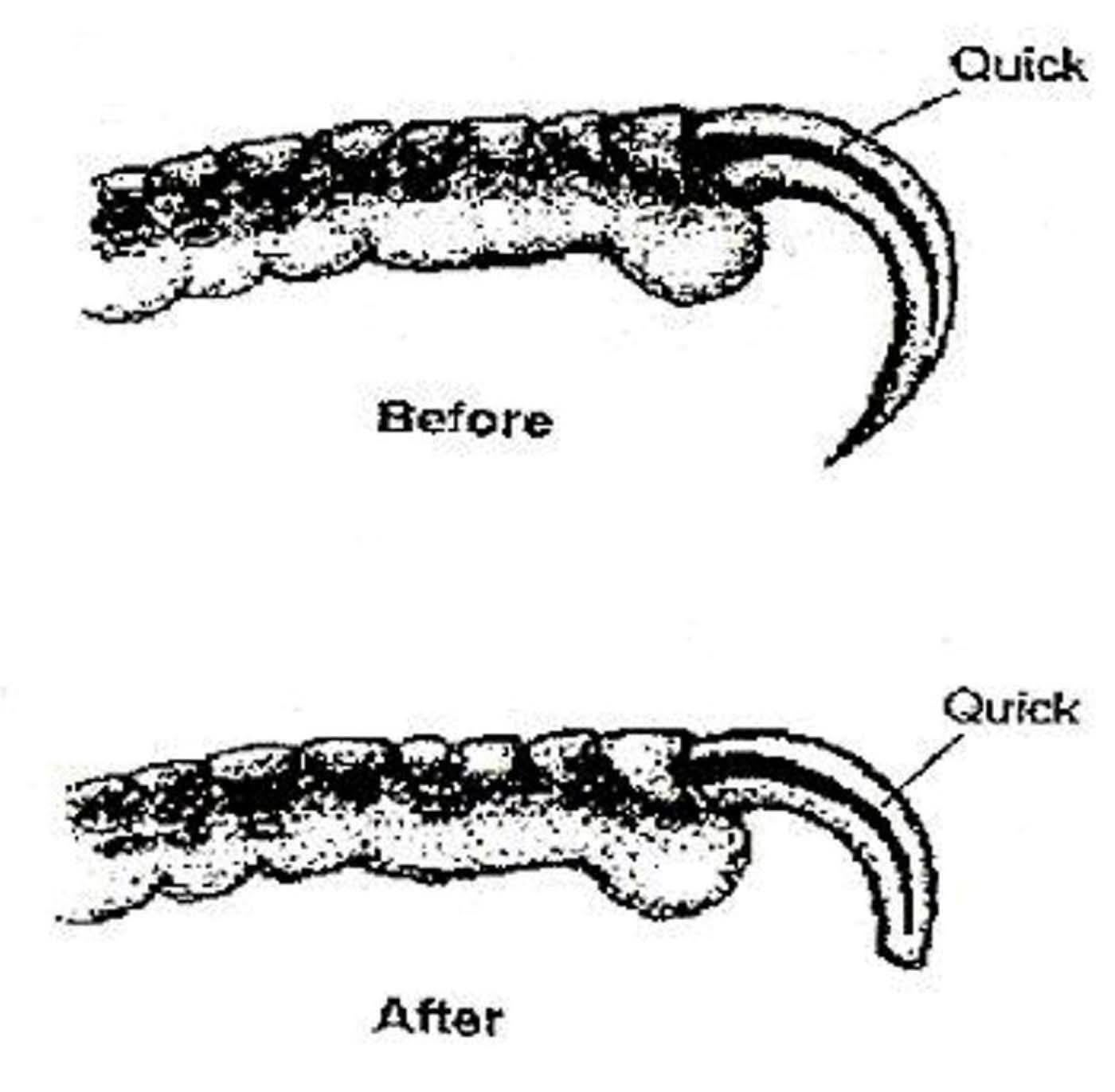
Look for the quick, the pink part inside the nail. Do not cut into the quick because it causes pain and bleeding.
- Use sharp nail clippers made for birds
- Trim only the tip of the nail
- Cut small amounts at a time
- Check the quick before each cut
- Stop if your bird struggles too much
Handling Accidents
If you accidentally cut the quick, do not panic. Use styptic powder to stop the bleeding quickly.
Apply styptic powder gently on the nail tip. Hold your bird calmly until the bleeding stops. If bleeding does not stop, call a vet.
- Keep styptic powder or pencil nearby
- Apply powder with gentle pressure
- Stay calm to keep your bird calm
- Seek professional help if bleeding is heavy

Credit: www.reddit.com
Alternatives To Clipping
Bird owners often wonder if they should clip their pet’s nails. Clipping can be stressful for birds and owners. There are other ways to keep nails short and healthy.
Using natural methods and regular care helps avoid clipping. These alternatives support your bird’s comfort and well-being.
Natural Wear Methods
Birds can naturally wear down their nails by moving around and using their beaks. Allowing your bird to walk on rough surfaces helps nails stay short.
Encouraging natural activity reduces the need for clipping. This method is gentle and keeps nails healthy over time.
Providing Perches And Toys
Perches made of different textures help birds file their nails naturally. Toys that encourage chewing and climbing also support nail wear.
- Use rough wood or concrete perches
- Offer safe chew toys for beak and nails
- Rotate toys to keep birds active
These items keep your bird busy and promote healthy nail length without clipping.
Regular Vet Checkups
Visit a vet regularly to check your bird’s nail health. A vet can trim nails safely if needed. They also spot other health problems early.
Regular checkups help keep your bird comfortable and prevent pain from overgrown nails.
Common Mistakes To Avoid
Clipping your bird’s nails needs care and attention. Many owners make mistakes that can hurt their birds.
Knowing what to avoid helps keep your bird safe and calm during nail clipping.
Cutting Too Short
Cutting nails too short can cause pain and bleeding. Birds have a quick inside their nails that you must avoid.
If you cut the quick, your bird may bleed and feel scared of nail clipping next time.
- Look for a pink area inside clear nails; this is the quick.
- Cut only the sharp tips, not near the quick.
- Use good lighting to see the quick clearly.
Ignoring Bird Stress
Birds can get very stressed during nail clipping. Ignoring their signs may cause injury or fear.
Watch for signs like flapping, biting, or heavy breathing. Stop if your bird looks scared.
- Keep sessions short to reduce stress.
- Talk softly to calm your bird.
- Give treats after clipping to create a positive experience.
Using Incorrect Tools
Using the wrong tools can hurt your bird or make clipping hard. Avoid using dull or large clippers.
Bird nail clippers are small and sharp for a clean cut. Other tools may crush or splinter nails.
- Choose clippers made for birds or small pets.
- Keep tools clean and sharp.
- Do not use scissors or human nail clippers.

Credit: www.youtube.com
Maintaining Healthy Nails Long-term
Clipping birds’ nails is important to keep them healthy. Overgrown nails can cause pain and injury. Regular care helps your bird stay comfortable.
Besides clipping, other habits support healthy nails for a long time. These habits include good diet, exercise, and nail checks.
Diet And Nutrition
A balanced diet supports strong nails in birds. Vitamins and minerals help nails grow correctly. Lack of nutrients can cause weak or brittle nails.
Provide foods rich in calcium, protein, and vitamins. Fresh fruits, vegetables, and bird pellets give good nutrition. Avoid feeding only seeds.
- Calcium strengthens nails and bones
- Protein helps nail growth
- Vitamins A and D improve nail health
- Fresh foods add essential nutrients
Exercise And Activity
Exercise helps birds wear down nails naturally. Climbing and flying keep nails trimmed without much clipping. Lack of activity leads to long, sharp nails.
Provide toys and perches that encourage movement. Different textures help nails file down. Allow your bird time outside the cage for flying.
- Perches with rough surfaces help nail wear
- Toys encourage climbing and movement
- Flying reduces nail length naturally
- Exercise improves overall health
Routine Nail Monitoring
Check your bird’s nails regularly to spot problems early. Look for cracks, splits, or overgrowth. Early care prevents injury and pain.
Set a schedule to inspect nails weekly. Use good lighting and a calm environment. If nails grow too long, clip them carefully or ask a vet for help.
- Inspect nails every week
- Look for cracks or splits
- Trim nails if they grow too long
- Seek vet help if nails cause pain

Credit: www.reddit.com
Frequently Asked Questions
How Often Should You Clip A Bird’s Nails?
Birds generally need nail clipping every 4 to 6 weeks. Frequency depends on their activity and nail growth rate. Regular checks help prevent overgrowth and discomfort. Consult a vet for specific advice based on your bird’s species and lifestyle.
Can Clipping Bird Nails Hurt The Bird?
If done correctly, clipping bird nails is painless. Avoid cutting the quick, which contains blood vessels and nerves. Use proper tools and techniques. If unsure, seek professional help to prevent injury or stress to your bird.
What Tools Are Best For Clipping Bird Nails?
Use small, sharp nail clippers designed for birds or small pets. Avoid human nail scissors as they may crush nails. Quality tools ensure clean cuts and reduce the risk of splitting or damage. Keep tools clean and sharp for safety.
Should All Bird Species Have Their Nails Clipped?
Not all bird species require regular nail clipping. Birds with natural outdoor activity often wear down nails naturally. Indoor or pet birds usually need nail maintenance. Observe your bird’s nails and consult a vet for tailored care advice.
Conclusion
Clipping bird nails helps keep your pet safe and healthy. Nails that grow too long can cause pain or injury. Regular trimming also prevents damage to furniture and skin. Always use the right tools and be gentle. Watch your bird’s behavior to know when to trim.
If unsure, ask a vet or bird expert for help. Taking care of your bird’s nails shows love and keeps them happy. Small steps make a big difference in your bird’s life.



