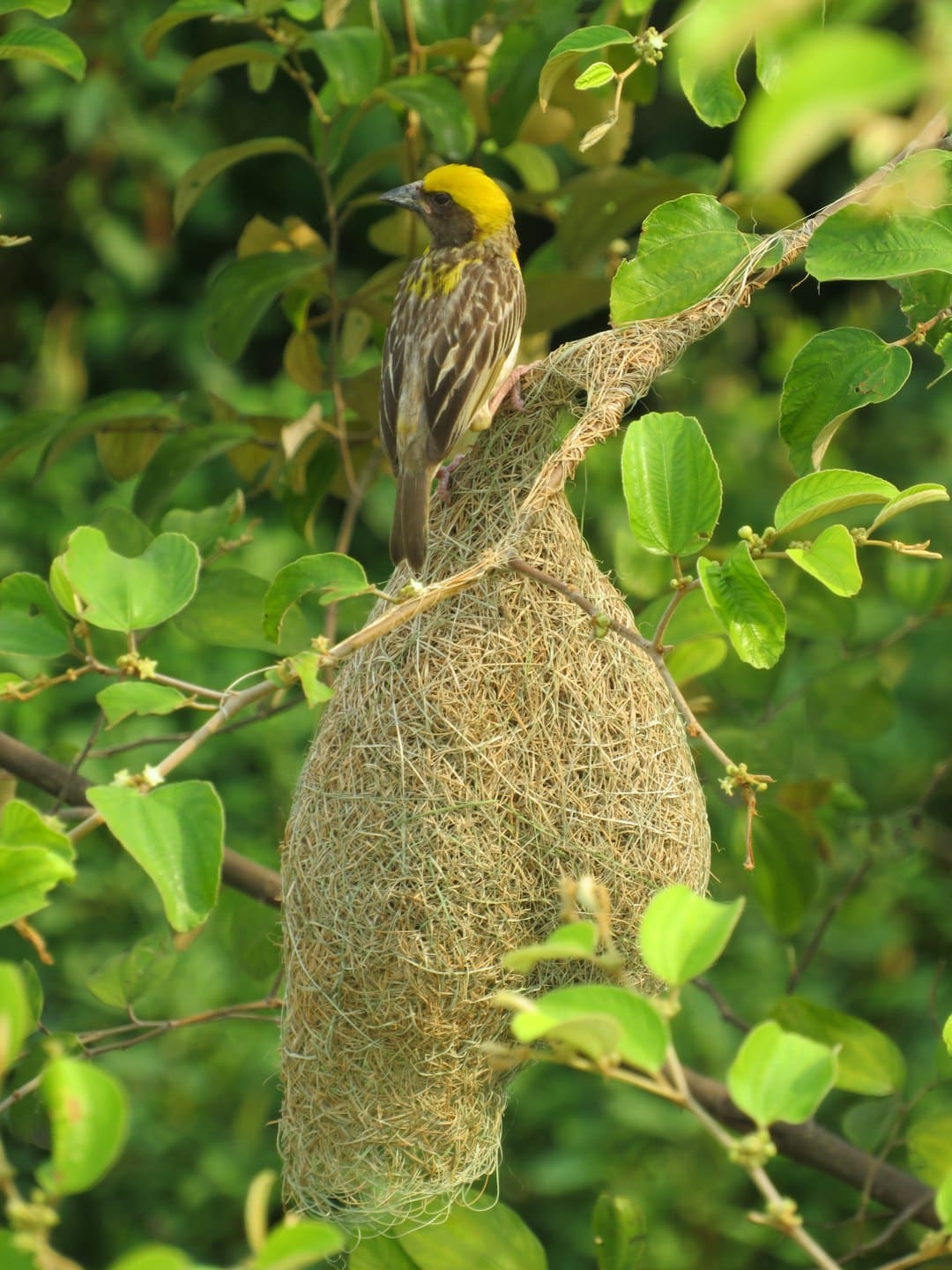
Are you looking to create a safe and welcoming space for birds right in your garden? Choosing the best shrubs for bird nests can turn your outdoor area into a vibrant haven full of life and song.
These special plants not only add beauty to your yard but also offer shelter and protection for nesting birds. You’ll discover which shrubs attract birds, how they support nesting, and easy tips to make your garden their favorite spot. Keep reading to learn how to invite more feathered friends to your home and enjoy the magic of nature up close.
Shrubs That Attract Birds
Birds need safe places to build nests and find food. Shrubs can offer shelter and meals all year. Choosing the right shrubs helps support wildlife in your garden.
Some shrubs keep their leaves all year. Others bloom with flowers or grow berries. Each type attracts different birds and helps them survive.
Evergreen Shrubs For Year-round Shelter
Evergreen shrubs keep their leaves in winter. Birds use them as nests and protection from cold wind. These shrubs make good homes all year long.
- Boxwood: dense branches for hiding
- Holly: sharp leaves that keep predators away
- Juniper: thick foliage and berries
- Rhododendron: large leaves for cover
Flowering Shrubs That Provide Food
Flowering shrubs attract insects and offer nectar. Birds eat these insects and sip nectar for energy. Flowers also help birds find places to build nests.
| Shrub | Flower Color | Birds Attracted |
| Butterfly Bush | Purple | Hummingbirds, Warblers |
| Azalea | Pink, White | Finches, Sparrows |
| Spirea | White, Pink | Chickadees, Thrushes |
| Weigela | Red, Pink | Hummingbirds, Orioles |
Berry-producing Shrubs For Wildlife
Berry-producing shrubs give food to many birds. Berries are rich in energy, especially in fall and winter. Birds use these shrubs for feeding and nesting.
- Serviceberry: sweet berries for thrushes
- Elderberry: clusters loved by waxwings
- Winterberry: bright red berries in winter
- Dogwood: berries that last into winter

Credit: www.birdsandblooms.com
Nest-friendly Shrub Characteristics
Shrubs can provide a perfect home for birds to build nests. They offer safety and shelter from weather and predators. Choosing the right shrub helps birds thrive.
Good nesting shrubs share certain traits. These traits protect nests and support bird families during breeding seasons.
Dense Foliage For Protection
Thick leaves and branches hide nests from predators. Dense foliage also blocks wind and rain. This keeps eggs and chicks safe and warm.
Shrubs with many small leaves or needles provide the best cover. Birds feel safer when they can easily hide their nests.
- Offers shelter from harsh weather
- Conceals nests from predators
- Creates a quiet, safe space
- Helps keep nests warm
Branch Structure Suitable For Nesting
Strong, well-spaced branches support nests well. Birds build nests on branches that hold weight without breaking. Branches that grow horizontally or in a fork are ideal.
Flexible branches help birds weave nests tightly. Shrubs with many small branches allow birds to attach nests securely.
- Supports the nest’s weight safely
- Allows easy nest attachment
- Provides stability during wind
- Offers many nesting spots
Height And Location Considerations
Shrubs should be tall enough to keep nests out of reach. Medium height shrubs protect nests from ground predators. Location matters to avoid heavy foot traffic and pets.
Plant shrubs where birds can find food and water nearby. Good spots increase bird visits and nesting success.
- Medium to tall height for safety
- Placed away from busy areas
- Near food sources like berries
- Close to water for drinking
Top Shrubs For Different Climates
Shrubs play a key role in providing safe spaces for birds to build nests. Different climates need different types of shrubs. Choosing the right shrubs helps birds thrive and stay protected.
This guide shows the best shrubs for temperate zones, tropical areas, and arid regions. Learn which shrubs suit each climate and attract nesting birds.
Best Shrubs For Temperate Zones
Temperate zones have mild summers and cold winters. Shrubs here must survive frost and still offer shelter. Many native shrubs provide good cover for bird nests.
- Dogwood (Cornus species) – strong branches and dense leaves
- Holly (Ilex species) – evergreen with prickly leaves for protection
- Witch Hazel (Hamamelis) – flowers in late fall, dense structure
- Spiraea – grows thick with many small branches
- Viburnum – dense foliage that hides nests well
Shrubs Suited For Tropical Areas
Tropical climates are warm and humid all year. Shrubs here must handle rain and heat. Many tropical shrubs have thick leaves and provide great nesting spots.
| Shrub | Features | Bird Benefits |
| Hibiscus | Large flowers, dense branches | Good cover and food source |
| Ixora | Clusters of small flowers, evergreen | Attracts insects for food, thick leaves |
| Bougainvillea | Thorny branches, vibrant bracts | Protective nesting sites |
| Clerodendrum | Fragrant flowers, fast growth | Dense foliage for concealment |
Drought-tolerant Shrubs For Arid Regions
Arid regions have little rain and hot temperatures. Shrubs here must save water and still protect birds. These tough shrubs provide shade and nesting space.
Top drought-tolerant shrubs include:
- Creosote Bush – aromatic leaves, dense growth
- Texas Sage – silver leaves, withstands heat
- Desert Willow – long branches, produces flowers
- Saltbush – salt-tolerant, good cover
Planting And Maintenance Tips
Shrubs are great homes for birds to build nests. Choosing the right shrubs helps birds feel safe. Proper care keeps these plants healthy and inviting.
Good planting and maintenance habits make shrubs last longer. This guide shares easy tips to help your shrubs thrive for nesting birds.
Ideal Planting Times
Plant shrubs in early spring or fall for best growth. These seasons give plants time to settle before hot or cold weather.
Spring planting helps shrubs grow strong before summer. Fall planting lets roots develop in cooler soil.
- Early spring: soil warms, less chance of frost
- Fall: cooler temperatures, steady rainfall
- Avoid planting in extreme heat or cold
Soil And Water Needs
Shrubs need well-drained soil to avoid root problems. Check soil type before planting and improve it if needed.
Water shrubs regularly, especially in dry times. Keep soil moist but not soaked to help roots grow.
- Test soil drainage with a simple hole test
- Add organic matter to improve poor soil
- Water deeply once or twice a week
- Reduce watering during rainy seasons
Avoiding Common Pest Issues
Bird-friendly shrubs attract some pests. Watch plants often to catch problems early. Use safe methods to control pests.
Choose pest-resistant shrubs when possible. Keep plants healthy so they fight off bugs better.
- Inspect leaves and stems weekly
- Remove damaged or infected parts quickly
- Use natural pest control like neem oil
- Encourage beneficial insects like ladybugs
Creating A Bird-friendly Habitat
Shrubs are important for birds. They offer shelter, food, and places to build nests. Choosing the right shrubs helps birds feel safe and comfortable.
By planting the best shrubs, you support birds all year. These plants attract birds and give them a good home.
Combining Shrubs With Other Plants
Mix shrubs with flowers and trees to create a diverse habitat. Different plants provide food and shelter for many bird types.
Layer plants by height. Tall trees, medium shrubs, and low flowers make birds feel safe and offer many places to explore.
- Tall trees offer nesting spots and shade
- Shrubs give cover and berries for food
- Flowers attract insects for birds to eat
- Ground plants provide seeds and hiding places
Providing Water Sources
Birds need fresh water for drinking and bathing. Place a birdbath or small pond near shrubs. This helps birds stay healthy and clean.
Keep water clean and change it often. Shallow water with gentle edges is best for small birds to use safely.
- Use a shallow birdbath or basin
- Change water every few days
- Place water near shrubs for easy access
- Add stones for birds to perch on
Minimizing Disturbances
Birds need quiet areas to build nests and raise their young. Avoid loud noises and heavy foot traffic near shrub areas.
Do not prune shrubs during nesting season. Give birds time to use the plants without interruptions.
- Keep pets away from nesting spots
- Limit lawn mowing near shrubs
- Do not trim shrubs from spring to summer
- Place signs to remind others to be quiet

Credit: savvygardening.com

Credit: www.monrovia.com
Frequently Asked Questions
What Are The Best Shrubs For Bird Nests?
The best shrubs for bird nests include dense, thorny, and evergreen types. Examples are hawthorn, holly, and viburnum. These provide excellent shelter and protection for birds.
Why Do Birds Prefer Certain Shrubs For Nesting?
Birds prefer shrubs with dense foliage and thorns. These shrubs offer safety from predators and harsh weather. They also provide good cover and materials for nest building.
How To Choose Shrubs That Attract Nesting Birds?
Choose native shrubs with thick branches and evergreen leaves. Shrubs with berries also attract birds. Ensure the shrub offers shelter and food to support nesting.
Can I Plant Shrubs To Encourage Bird Nesting?
Yes, planting shrubs like elderberry or dogwood helps attract nesting birds. They offer food, shelter, and protection, creating a bird-friendly environment in your garden.
Conclusion
Choosing the right shrubs can attract more birds to your garden. Birds need safe places to nest and raise their young. Dense shrubs like holly and juniper provide shelter and protection. They also offer food sources through berries and insects.
Your garden becomes a haven for birds. Planting these shrubs creates a thriving ecosystem. It’s a simple way to support wildlife. Plus, you enjoy the beauty of nature right at home. Your garden becomes lively and vibrant. Happy birdwatching!