

Have you ever wondered how birds travel thousands of miles every year without getting lost? Bird banding for migration research holds the key to unlocking these amazing journeys.
By placing tiny bands on birds' legs, scientists gather crucial information about where birds go, how far they fly, and what challenges they face along the way. If you want to understand the secrets behind bird migration and why it matters to you and the environment, keep reading.
This simple method is changing the way we protect our feathered friends and the world they depend on.

Credit: www.trgt.org
Purpose Of Bird Banding
Bird banding is a way to study birds by attaching small bands to their legs. Scientists use these bands to learn more about birds over time.
This process helps researchers track birds and understand many details about their lives and habits.
Tracking Migration Routes
Bird banding helps scientists follow where birds travel during migration. Bands provide data on the paths birds take each year.
Knowing these routes helps protect important habitats along the way.
Monitoring Population Changes
Banding shows changes in bird numbers over time. Researchers can see if a species is increasing or decreasing.
This information helps identify species that need protection or special care.
Studying Behavior And Lifespan
Bands allow scientists to observe individual birds for many years. This helps study their habits and how long they live.
Researchers learn about mating, feeding, and nesting behaviors by tracking banded birds.
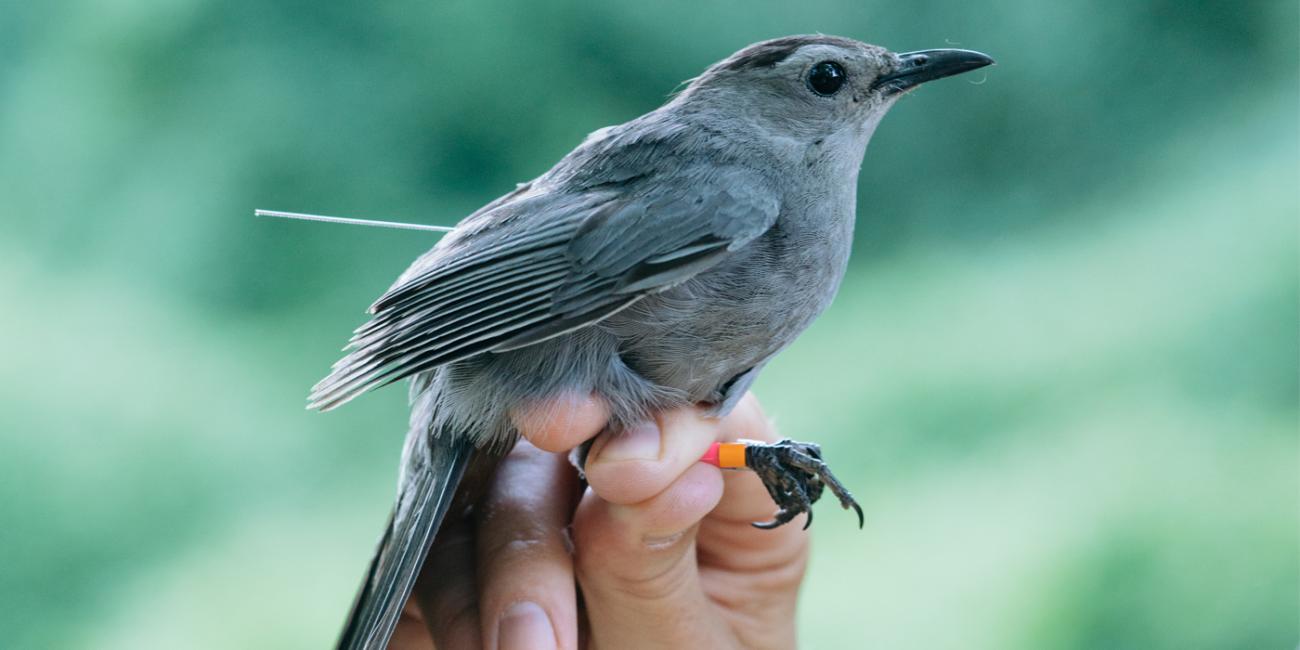
Credit: nationalzoo.si.edu
Techniques And Tools
Bird banding helps scientists track bird migration. It uses small bands placed on birds' legs or wings.
This method provides data about routes, survival, and behavior of migrating birds.
Types Of Bands And Tags
There are different bands and tags for bird tracking. Each type fits certain bird sizes and study goals.
- Metal Bands: Durable and used for many species
- Colored Plastic Bands: Easy to see from a distance
- Radio Transmitters: Small devices that send signals
- GPS Tags: Record exact locations during migration
Capturing And Handling Birds
Scientists use safe ways to catch birds for banding. Nets and traps are common tools.
After capture, they handle birds gently to avoid stress or injury.
- Use mist nets in flight paths
- Check traps often to release birds quickly
- Hold birds firmly but gently
- Work fast to reduce bird stress
Data Recording Methods
Recording bird data is key for research. Scientists note band number, species, age, and sex.
They use paper forms or digital devices to save this information.
- Record date and location of capture
- Note bird measurements and health
- Enter data into databases for analysis
- Use photos for extra details
Key Research Findings
Bird banding helps scientists learn about bird migration. Researchers track birds to study when and where they travel.
This research shows important details about bird habits and how they change over time.
Migration Timing And Patterns
Bird banding reveals the exact times birds start and end migration. Some birds travel earlier or later depending on the year.
Scientists see patterns in routes birds take. These patterns help understand how birds avoid bad weather and find food.
- Birds often migrate at night to avoid predators.
- Timing can change with temperature and daylight length.
- Different species use different routes and speeds.
Trustworthy Fact: "Banding recoveries have provided indisputable proof of incredible avian endurance. One of the most famous long-distance records involves an Arctic Tern banded as a chick in Labrador, Canada, that was recovered just 90 days later in southeastern South Africa—a distance of nearly $14,000$ kilometers (over 8,700 miles), confirming the species' status as the world's greatest migrator."
Habitat Use And Preferences
Banding shows which habitats birds use during migration stops. Birds prefer areas with food and shelter.
Some birds need wetlands, while others use forests or grasslands. Protecting these areas is key to helping birds survive.
- Wetlands provide insects and water for many species.
- Forests offer cover and nesting sites during migration.
- Open fields help seed-eating birds find food.
Impact Of Environmental Changes
Bird banding tracks how birds respond to changes like climate and habitat loss. Many birds shift their migration timing due to warming temperatures.
Loss of stopover sites forces birds to fly longer without rest. This can lower their survival and breeding success.
- Warmer springs cause earlier migration in some species.
- Urban growth reduces natural stopover habitats.
- Pollution affects food availability for migrating birds.
Challenges In Bird Banding
Bird banding helps scientists track bird migration and behavior. It involves placing small bands on birds’ legs.
This process faces many challenges that affect research results and bird safety.
Ethical Considerations
Bird banding must be done carefully to avoid harming birds. Researchers must follow strict rules to protect them.
Handling birds can cause stress or injury if done wrong. Bands should fit well and not bother the bird.
- Use lightweight bands to prevent discomfort
- Limit handling time to reduce stress
- Follow animal care guidelines and laws
Data Accuracy And Limitations
Data from bird banding can be incomplete or biased. Not all banded birds are seen again, which limits tracking.
Band loss or damage can cause wrong data. Also, some species are harder to catch, affecting sample size.
- Birds may lose bands over time
- Recapturing banded birds is not always possible
- Sampling may not represent whole populations
Logistical And Weather Issues
Fieldwork for bird banding depends on good weather and location access. Bad weather can stop banding activities.
Remote areas make it hard to carry equipment and find birds. Timing is also critical to catch birds during migration.
- Rain, wind, and cold can delay banding
- Hard-to-reach sites limit research options
- Short migration windows require quick work
Citizen Science And Bird Banding
Bird banding helps scientists learn about bird migration. It shows where birds travel and how far they go.
Citizen science lets people help with bird banding. Many volunteers join to watch and tag birds safely.
Public Involvement Opportunities
Anyone can help with bird banding projects. Volunteers observe birds, record data, and assist experts.
Local groups and parks often hold events. These let people learn and take part in bird banding.
- Join bird banding workshops
- Help watch and record bird activity
- Participate in local bird counts
- Share bird sightings with scientists
Training And Safety Tips
Proper training is important before handling birds. This keeps birds and people safe.
Wear gloves and use soft nets. Handle birds gently to avoid harm or stress.
- Learn how to use banding tools
- Follow expert instructions carefully
- Keep birds calm and still
- Wash hands after handling birds
Contributing To Conservation
Bird banding helps protect bird species. Data shows which areas need more care and protection.
Citizen scientists give valuable information. This helps create better plans to save birds and habitats.
- Track bird migration routes
- Monitor population changes
- Identify threats to birds
- Support habitat restoration efforts

Credit: rpbo.org
Future Trends In Migration Research
Bird banding helps scientists learn about migration patterns. New trends show how technology and teamwork improve research. These advances make tracking birds easier and more accurate.
Researchers use new tools to study genetics and share data worldwide. These methods give a clearer picture of how birds move and survive during migration.
Advances In Tracking Technology
Small devices now track birds in real time. These tools give detailed data on flight paths and stopover sites. Solar-powered tags help birds carry less weight. Satellite tracking covers long distances without losing signals.
- Miniature GPS tags collect precise location data
- Geolocators record light levels to estimate positions
- Automated radio telemetry networks detect tagged birds
- Solar-powered devices reduce battery weight
Integrating Genetic Studies
Genetic analysis reveals connections between bird populations. It shows how birds from different areas mix during migration. Scientists track genes to study adaptation and survival. This helps explain changes in migration routes and timing.
| Genetic Method | Purpose |
| DNA Barcoding | Identify species and populations |
| Genome Sequencing | Study adaptation to environments |
| Microsatellite Analysis | Track gene flow between groups |
| SNP Genotyping | Detect migration-related traits |
Global Collaboration Efforts
Researchers worldwide share data and methods. This teamwork helps track birds across continents. Online databases store banding and tracking information. Joint projects improve conservation plans and policy decisions.
Key collaboration platforms:
- International Bird Banding Database
- Global Flyway Network
- Bird Tracking Data Hub
- Researcher Exchange Programs
Frequently Asked Questions
What Is Bird Banding In Migration Research?
Bird banding involves attaching a small, uniquely numbered ring to a bird’s leg. It helps track migration routes, behavior, and lifespan. Researchers gather valuable data on bird movement patterns and population dynamics. This method is essential for understanding bird migration and aiding conservation efforts.
How Does Bird Banding Help Track Migration?
Bird banding allows scientists to identify individual birds when recaptured or found. It provides precise data on migration timing, distance, and stopover sites. This information reveals migration routes and helps monitor species health and environmental changes affecting their journeys.
Is Bird Banding Safe For Birds?
Yes, bird banding is safe when done by trained professionals. The bands are lightweight and do not harm the birds. Proper handling minimizes stress, ensuring the birds can continue their migration without issues. Ethical guidelines govern all banding activities.
What Equipment Is Used In Bird Banding?
Equipment includes metal or plastic bands, pliers for attaching bands, and mist nets to safely catch birds. Researchers also use GPS devices, data sheets, and bird identification guides. These tools ensure accurate data collection and bird safety during the process.
Conclusion
Bird banding plays a crucial role in migration research. It helps scientists track bird journeys. This data reveals patterns and changes in migration routes. Understanding these patterns is vital for bird conservation. It guides efforts to protect habitats and ensure survival.
Bird banding also connects people to nature. Observing banded birds encourages community involvement. It fosters a deeper appreciation for wildlife. So, support bird banding initiatives. They are key to preserving our feathered friends.


