Bird Chick Care: Essential Tips for Feeding, Growth, and Healthy Development
Caring for bird chicks can feel overwhelming, especially if you’re new to it. You want to give your little feathered friends the best start in life, but where do you begin?
Caring for bird chicks is a vital part of Bird Chick Care. Providing the right environment and nutrition is essential for their growth.
The truth is, with the right tips and a bit of patience, you can help your baby birds grow strong and healthy. You’ll discover simple, effective ways to care for bird chicks that anyone can follow. Keep reading, because your bird’s future depends on the care you provide now.
Understanding Bird Chick Care is crucial for nurturing them effectively. The more you know, the better you can support their development.
Preparing The Nest
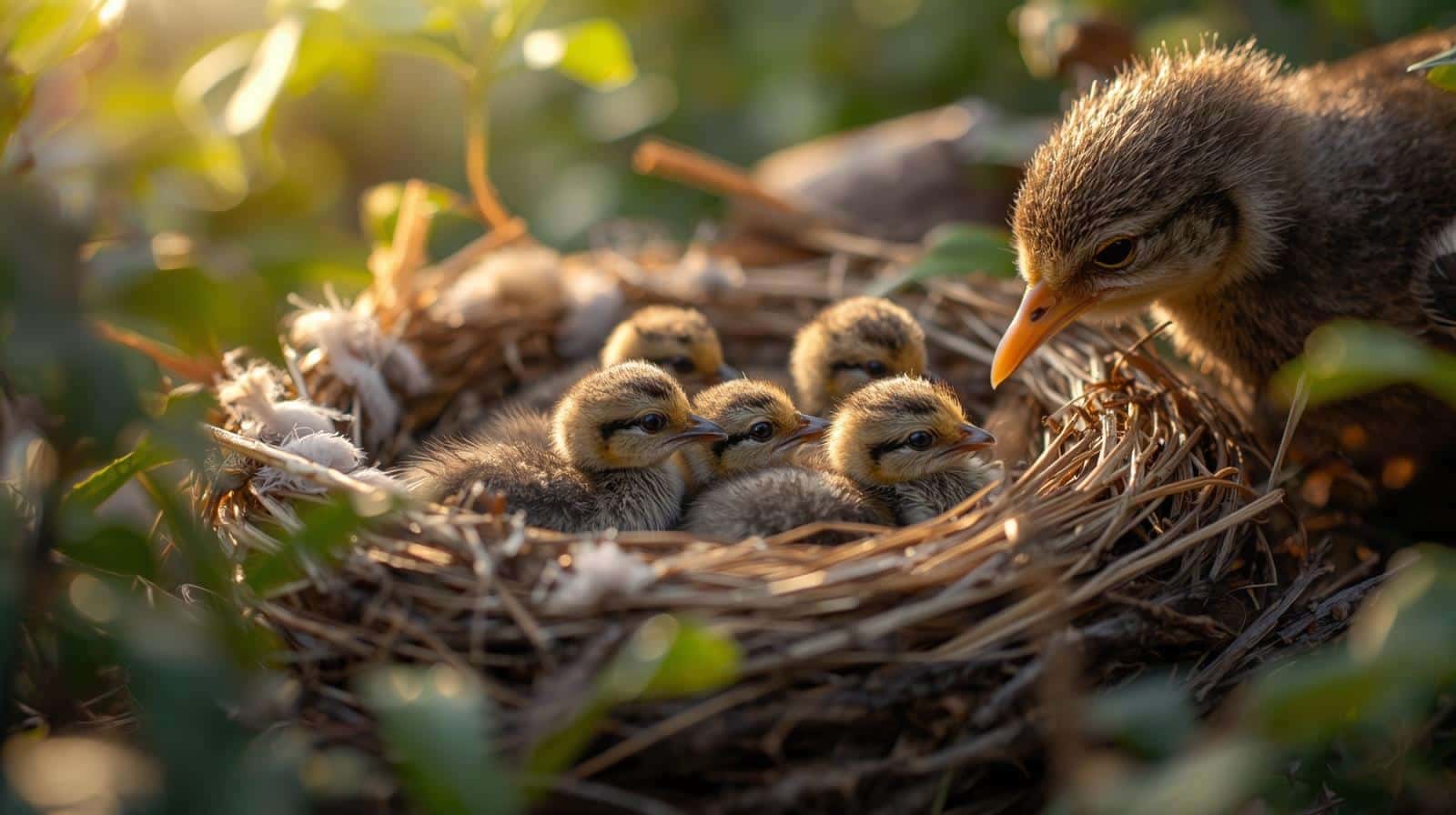
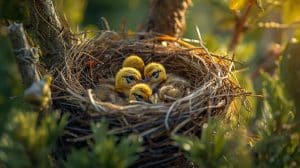
Taking care of bird chicks starts with preparing a safe nest. The nest gives warmth and protection to the baby birds.
Effective Bird Chick Care begins with a well-prepared nest that ensures safety and warmth.
Good nest preparation helps chicks grow strong and healthy. It also keeps them safe from danger.
Choosing The Right Location
Choosing the right location is part of proper Bird Chick Care. Ensure it’s safe and comfortable for the chicks.
Pick a quiet place away from strong winds and heavy rain. The spot should be safe from predators like cats and other animals.
Look for a location that gets some shade during the hottest part of the day. It should also be easy for the parent birds to reach.
Selecting Suitable Nesting Materials
Use soft and natural materials like dry grass, leaves, and feathers. These materials keep the chicks warm and comfortable.
Using safe materials is an important aspect of Bird Chick Care that promotes health and comfort for the chicks.
Avoid using sharp or rough items that can hurt the chicks. Make sure the materials are clean and free from chemicals.
- Dry grass or straw
- Soft leaves
- Feathers
- Small twigs
- Clean cotton or wool (natural, no synthetic fibers)
Maintaining Cleanliness
Keep the nest clean to prevent diseases. Remove any droppings or spoiled food daily.
Regular maintenance is critical in Bird Chick Care to prevent diseases and ensure a healthy environment.
Replace old nesting materials with fresh ones. Clean nests help chicks stay healthy and safe.
Feeding Baby Birds
Proper feeding techniques are essential in Bird Chick Care to ensure they grow strong and healthy.
Feeding baby birds is very important for their growth and health. They need special care and the right food to develop well.
Knowing what to feed, how often, and how to feed can help baby birds survive and thrive.
Knowing the right feeding practices enhances Bird Chick Care and ensures their nutritional needs are met.
Best Food Choices
Baby birds need food that is easy to digest and full of nutrients. Their diet depends on the bird species.
Making informed food choices is a crucial part of Bird Chick Care, tailored to their specific needs.
Soft foods like soaked dog or cat kibble, boiled eggs, and mashed fruits are good options. Avoid giving bread or milk.
- Soaked dog or cat kibble
- Boiled and mashed eggs
- Soft fruits like bananas or berries
- Insects like mealworms for insect-eating birds
- Special bird formula from pet stores
Feeding Frequency and Techniques
Baby birds eat often because they have small stomachs. Feed them every 15 to 30 minutes during the day.
Feeding frequency is another important factor in Bird Chick Care. Consistency helps in their development.
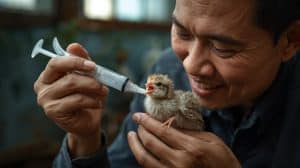
Use a small syringe or dropper to feed gently. Make sure the food is warm but not hot to avoid burning.
- Feed every 15-30 minutes from dawn to dusk
- Use a clean syringe or dropper
- Keep food warm, about body temperature
- Feed slowly to prevent choking
- Hold the bird gently and support its head
Avoiding Common Feeding Mistakes
Many mistakes can harm baby birds. Do not give cold food or force feed too fast. This can cause illness or injury.
Avoiding common mistakes is vital in Bird Chick Care to prevent harm and ensure their well-being.
Do not feed wild birds human food like bread or milk. Avoid feeding too much at once to prevent choking.
- Never give cold or hot food
- Do not force feed quickly
- Avoid bread, milk, or junk food
- Feed small amounts to prevent choking
- Keep feeding tools clean to avoid infections
Monitoring Health
Monitoring health regularly is an essential part of Bird Chick Care to identify any issues early.
Keeping a close eye on your bird chicks’ health is very important. Early detection of problems helps them stay strong and grow well.
Bird chicks need a clean, safe place with the right temperature and humidity. Watching for signs of illness helps prevent serious health issues.
Recognizing Signs of Illness
Bird chicks may show many signs when they feel sick. Look for changes in behavior, eating, or appearance. Early action can save their lives.
Recognizing the signs of illness is crucial in Bird Chick Care to ensure timely intervention.
- Less active or weak
- Loss of appetite or not drinking water
- Fluffed up feathers or droopy wings
- Unusual droppings or diarrhea
- Labored breathing or coughing
- Swollen eyes or nose discharge
Temperature And Humidity Control
Bird chicks need a warm and moist environment. Too cold or too dry air can make them sick quickly. Keep a steady room temperature and proper humidity.
Temperature control is significant in Bird Chick Care, as it affects the chicks’ overall health and comfort.
| Age of Chick | Temperature (°F) | Humidity (%) |
| 1 to 7 days | 90 – 95 | 60 – 70 |
| 8 to 14 days | 85 – 90 | 55 – 65 |
| 15 to 21 days | 80 – 85 | 50 – 60 |
| Over 21 days | 75 – 80 | 45 – 55 |
When To Consult a Vet
Some signs need urgent care from a vet. Quick help can stop illness from getting worse. Watch your chick closely and call a vet if needed.
Consulting a vet is an important aspect of Bird Chick Care, especially when health issues arise.
- Chick is very weak or not moving
- Refusing to eat or drink for over 12 hours
- Severe breathing problems
- Blood in droppings or vomit
- Swollen body parts or open wounds
- Unusual behavior that lasts more than a day
Encouraging Growth and Development
Encouraging growth is a fundamental component of Bird Chick Care, focusing on their physical and social needs.
Taking care of baby birds is important for their healthy growth. You must help them develop strong bodies and good habits.
Small steps in care can make a big difference in their future. This guide covers keyways to support young birds.
Promoting Physical Activity
Physical activity helps young birds build muscles and improve coordination. Offer safe spaces for them to move freely and explore.
Promoting activity is crucial in Bird Chick Care, helping them develop strength and coordination.
- Provide low perches for climbing
- Place toys to encourage pecking and play
- Allow short, supervised flights in a secure area
- Change environment items often to stimulate activity
Introducing New Foods Gradually
New foods help birds get needed nutrients. Introduce them slowly to avoid upset stomachs or rejection.
| Food Type | When to Introduce | Notes |
| Soft fruits | After 2 weeks | Cut into small pieces |
| Cooked vegetables | After 3 weeks | Offer fresh daily |
| Seeds and grains | After 4 weeks | Mix with regular food |
Socializing Young Birds
Socializing young birds is a key part of Bird Chick Care to ensure they grow into well-adjusted adults.
Social time helps birds learn behavior and reduces fear. Spend time near them and introduce gentle interaction.
Tips for socializing young birds:
- Talk softly to build trust
- Let birds see each other safely
- Handle birds gently for short times
- Introduce new sounds slowly
Weaning Tips
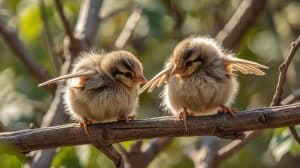
Weaning practices are a vital element of Bird Chick Care, allowing chicks to develop independence.
Weaning bird chicks is an important step for their growth. It helps them learn to eat on their own. This process needs care and patience.
Knowing when and how to start weaning will make it easier for you and your chick. The right approach supports their health and independence.
Timing The Weaning Process
Watch your chick’s behavior to know when to start weaning. Most chicks begin weaning between 6 and 8 weeks old. Signs include less begging for food and more interest in solid items.
- Observe if the chick tries to eat on its own.
- Check if the chick is gaining weight steadily.
Transitioning to solid foods is a crucial step in Bird Chick Care, ensuring they adapt properly to new diets.
- Start offering solid food alongside formula.
Transitioning To Solid Foods
Introduce solid foods slowly. Begin with soft, easy-to-eat pieces. Mix solids with a little water or formula to soften them. Keep fresh water available at all times.
| Food Type | Preparation |
| Soft fruits | Chopped small or mashed |
| Cooked vegetables | Finely chopped or pureed |
| Pellets | Moistened with water or formula |
| Sprouted seeds | Rinsed and fresh |
Supporting Independence
Encourage your chick to feed itself. Provide food in shallow dishes. Limit hand feeding as the chick grows. Let the chick explore different foods and textures.
Supporting independence is essential in Bird Chick Care, allowing chicks to learn self-feeding skills.
Tips to support independence:
- Place food in a quiet, safe spot.
- Offer a variety of foods to spark interest.
- Be patient and avoid forcing the chick to eat.
- Clean dishes regularly to keep food fresh.
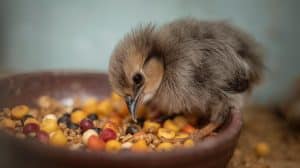
Frequently Asked Questions
How Do I Feed a Baby Bird Chick?
Feed baby birds with a specialized formula or soft foods. Use a small syringe or dropper to deliver food gently. Feed every 2-3 hours, ensuring the food is warm but not hot. Avoid giving water directly to prevent choking.
When Should I Start Weaning Bird Chicks?
Begin weaning bird chicks around 4 to 6 weeks old. Gradually introduce solid foods while reducing formula feedings. Offer soft fruits, vegetables, and seeds suitable for their species. Monitor their eating habits closely to ensure smooth transition and proper nutrition.
How Do I Keep Bird Chicks Warm?
Keep bird chicks warm using a heat lamp or heating pad set at 95°F (35°C). Maintain temperature gradually decreasing as chicks grow. Avoid direct heat contact to prevent burns. Warmth supports digestion and growth during early stages.
What Signs Indicate a Healthy Bird Chick?
Healthy bird chicks are active, alert, and responsive. Their eyes should be clear and bright, and feathers should appear smooth. They eat regularly and produce normal droppings. Weight gain and steady growth are key signs of good health.
Conclusion
Caring for bird chicks requires patience and attention. Proper Bird Chick Care provides them with a safe environment, good nutrition, and social interaction.
Enjoy the rewarding experience of Bird Chick Care. Your efforts make a significant difference in their lives. Happy bird chick care!