Have you ever wondered how tiny bird chicks grow from fragile eggs into strong, fluttering creatures? Understanding bird chick development can unlock amazing secrets about nature’s incredible process.
You’ll discover each fascinating stage, from hatching to fledging, and learn what helps these little birds survive and thrive. By the end, you’ll see bird chicks in a whole new light—and maybe even feel inspired to watch their growth with fresh eyes.
Ready to dive into the world of bird chick development? Let’s get started!
Egg Fertilization And Incubation
Bird chick development starts inside the egg. This process begins with fertilization and continues through incubation. Both stages are vital for healthy growth.
Fertilization ensures the egg contains a developing embryo. Incubation provides warmth and protection until hatching.
Fertilization Process
Fertilization happens when a male bird’s sperm meets the female’s egg cell. This usually occurs inside the female’s oviduct. The egg is then fertilized before the shell forms.
The fertilized egg contains all the genetic material needed to grow into a chick. After fertilization, the egg moves down the oviduct where layers of the shell and membranes develop.
Incubation Conditions
Incubation is the process of keeping the egg warm for the embryo to grow. Birds use body heat or sit on their eggs to maintain the right temperature.
Ideal conditions include steady warmth, humidity, and regular turning. These factors help the embryo develop properly and prevent damage.
- Temperature around 99°F (37°C)
- Humidity between 40% and 60%
- Eggs turned several times daily
Egg Structure And Composition
Bird eggs have several parts that support chick growth. The outer shell protects the embryo and keeps moisture inside. It is mostly made of calcium carbonate.
Inside the shell, membranes hold the egg white and yolk. The yolk provides food, and the white offers water and protection. The embryo develops on the yolk’s surface.
- Shell:Hard outer layer
- Shell membranes:Protect inside parts
- Albumen (egg white):Supplies water and protein
- Yolk:Main food source
- Embryo:Growing chick
Embryo Formation
Bird chick development starts inside the egg with embryo formation. The embryo grows from a single cell to a complex organism.
This process involves many changes, including cell division, organ development, and early movements.
Cell Division And Differentiation
The embryo begins with rapid cell division. Cells multiply to form layers that will build the chick’s body.
- Cells divide to increase their number
- Cells start to specialize for different functions
- Groups of cells form tissues like muscle and skin
- Differentiation guides the shape of the body parts
Development Of Organs
Organs begin to form as cells gather and grow into specific shapes. Each organ has a special role for the chick’s survival.
| Organ | Function | Formation Time |
| Heart | Pumps blood | Day 2-3 |
| Lungs | Help breathing | Day 5-7 |
| Brain | Controls body | Day 3-6 |
| Intestines | Digest food | Day 6-10 |
Heartbeat And Movement
The heart starts beating early to supply the embryo with oxygen and nutrients. Movements show the chick is growing strong.
Key signs of embryo activity:
- Heartbeat begins around day 2
- Small twitches appear by day 4
- Stronger movements develop after day 7
- Movement helps muscle and bone growth
Hatching Preparation
Before a bird chick hatches, it goes through important changes inside the egg. These changes help the chick get ready to break out of the shell. This stage is called hatching preparation.
During this time, the chick moves into the right position, absorbs the yolk sac for nutrition, and starts the pipping process to crack the shell.
Chick Positioning
The chick moves inside the egg to get into the best position for hatching. Usually, the chick’s head points toward the large end of the egg. This helps it use its beak to break the shell.
The body curls up, and the chick tucks its head under its right wing. This position protects the chick and helps it prepare to push out of the shell.
Absorption Of Yolk Sac
The yolk sac inside the egg provides food for the chick. Before hatching, the chick absorbs this yolk sac into its body. This gives the chick extra energy and nutrients.
Absorbing the yolk sac helps the chick survive for a few days after hatching while it learns to find food on its own.
Pipping Process
The chick uses a special egg tooth on its beak to start cracking the shell. This first crack is called the pip. The chick makes a small hole to breathe air outside the egg.
After the first pip, the chick continues to chip away at the shell until it can push out completely. This process can take several hours.
- First, the chick makes a small hole in the shell
- It then creates a circular crack called the "zip"
- The chick pushes and breaks the shell to hatch
Credit: besgroup.org
Post-hatching Growth
After hatching, bird chicks grow quickly. Their bodies change a lot in the first days and weeks.
They need care and food to develop strong muscles, feathers, and body functions.
Feeding And Nutrition
Bird chicks depend on their parents for food. They need many nutrients to grow well.
Parents feed them insects, worms, or soft food to help build strong bones and muscles.
- Protein helps build muscle
- Fats provide energy
- Vitamins and minerals support health
Feather Development
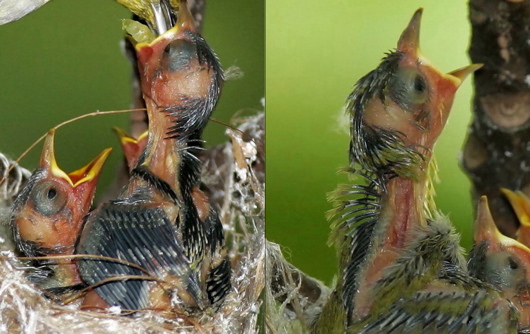
Feathers grow after hatching to help chicks stay warm and learn to fly. They start as soft down.
Over time, strong feathers replace down to protect the bird and allow flight.
- Down feathers keep chicks warm
- Flight feathers develop for flying
- Feathers also help with waterproofing
Thermoregulation
Young chicks cannot control their body heat well. They need warmth from parents or nests.
As they grow feathers and body fat, they start to keep warm by themselves.
- Parent birds warm chicks by brooding
- Feathers help keep heat inside
- Body fat adds insulation
Fledging And Independence
Young birds leave the nest during fledging. This stage shows their growth toward independence.
They learn to fly, interact with others, and find food on their own. These skills help them survive.
Flight Practice
After leaving the nest, birds practice flying daily. They start with short flights close to the nest.
- Flap wings to build muscle strength
- Learn to balance in the air
- Practice landing safely on branches
- Increase flight distance gradually
- Improve speed and direction control
Social Behavior
Fledglings start to interact with other birds. Social skills help them join flocks and avoid danger.
| Behavior | Purpose | Example |
|---|---|---|
| Calling | Communication | Alerting about food |
| Following | Learning | Watching adults hunt |
| Playing | Practice skills | Chasing siblings |
Survival Skills
Young birds must find food and stay safe. They learn important survival skills during independence.
- Spotting predators and hiding quickly
- Finding food like insects and seeds
- Building simple shelters or using safe spots
- Understanding weather changes
- Using calls to warn others
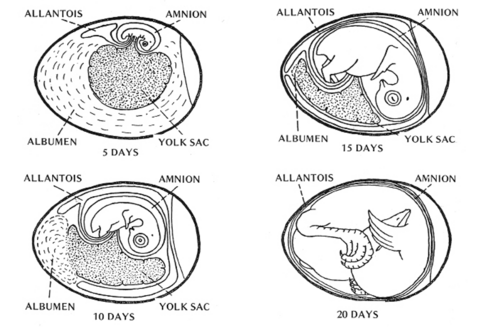
Credit: extension.msstate.edu

Credit: www.dreamstime.com
Frequently Asked Questions
What Are The Main Stages Of Bird Chick Development?
Bird chick development includes three key stages: embryo formation, hatching, and growth. It starts inside the egg, where cells divide and organs form. After hatching, chicks rely on parents for warmth and feeding. Growth continues until they become independent.
How Long Does Bird Chick Development Take?
Development time varies by species but generally lasts 10 to 30 days. Smaller birds develop faster, while larger birds need more time. After hatching, chicks grow rapidly for several weeks before fledging and learning to fly.
What Factors Affect Bird Chick Development?
Temperature, humidity, and parental care greatly influence chick development. Proper incubation conditions ensure healthy embryo growth. Nutrition from parents is vital after hatching. Environmental threats and predators also impact survival rates during early development stages.
How Do Bird Parents Care For Their Chicks?
Bird parents keep eggs warm by incubating them consistently. After hatching, they feed chicks with insects or regurgitated food. Parents protect chicks from predators and harsh weather. This care ensures chicks survive and grow properly.
Conclusion
Bird chick development is a fascinating journey. From hatchlings to fledglings, each stage is vital. Understanding this growth helps us appreciate nature's wonders. Observing their progress can be educational and rewarding. It teaches patience and care. Remember, every species has unique needs.
Providing a safe environment is crucial for their survival. Witnessing their first flight is truly magical. Such moments remind us of life's beauty and resilience. Engaging with birds fosters a deeper connection with nature. Keep exploring and learning about these incredible creatures.
It enriches our lives in unexpected ways. Thank you for joining this avian adventure!