

Have you ever been lying in bed, trying to fall asleep, when suddenly you hear a bird chirping at night? It can feel strange and even a little unsettling.
Why are birds active when most of the world is quiet? If you’ve been wondering about those unexpected nighttime songs, you’re not alone. You’ll discover the surprising reasons behind bird chirping at night and what it means for your environment.
Keep reading, because understanding this natural mystery might change the way you listen to the night forever.

Credit: ttnature.com
Reasons For Night Chirping
Birds chirping at night can seem strange. Many people wonder why birds make sounds after dark.
Birds use their voices to communicate. Night chirping has several important reasons.
Territorial Calls
Some birds sing at night to mark their territory. They warn other birds to stay away.
Nighttime calls help birds keep their space safe from rivals. This stops fights during the day.
Mating Signals
Birds use night songs to attract mates. The calls show strength and health to potential partners.
Chirping at night can help birds find a mate when it is quiet. This makes their song stand out.
Environmental Triggers
Changes in light and noise can cause birds to chirp at night. Street lights may confuse them.
Birds also sing at night when food is nearby or when the weather is calm and clear.
- Artificial lights make birds active after dark
- Less noise pollution helps birds hear each other
- Cool night air can encourage singing
Common Night Chirping Species
Many birds sing at night to mark their territory or find mates. Night chirping is common in some bird species.
These night singers have unique sounds that help identify them in the dark. Let’s learn about some common species.
Owls And Nightjars
Owls are famous for their hooting calls at night. Their sounds can be deep or sharp.
Nightjars make soft, repetitive calls. They often use their voice to warn others.
- Owls use calls to find mates and protect territory.
- Nightjars use chirps to communicate with their group.
- Both species are mostly silent during the day.
Mockingbirds And Thrushes
Mockingbirds sing many different sounds at night. They copy other birds and noises.
Thrushes have clear and sweet songs. Their night calls are often soft and melodic.
- Mockingbirds use night singing to claim space.
- Thrushes sing at night to attract mates.
- Both birds are known for varied and rich songs.
Other Nocturnal Songbirds
Some smaller birds also chirp at night. Examples include certain warblers and sparrows.
These birds use night songs to communicate safely. Their calls are softer than daytime songs.
- Night warblers sing to keep in touch with others.
- Sparrows may chirp at night during breeding seasons.
- Night songs help these birds avoid predators.
Impact Of Urbanization
Birds often chirp at night in cities. Urbanization changes their natural habits. Cities bring new challenges to bird life.
Nighttime bird sounds can be affected by city growth. Light and noise pollution change when and how birds sing.
Light Pollution Effects
Bright city lights confuse birds. They may start singing at odd hours. Light pollution can disrupt their sleep and behavior.
Birds rely on natural light to know day and night. Artificial lights change this cycle. This can affect their feeding and breeding.
Noise Interference
City noises make it hard for birds to hear each other. Cars, sirens, and machines cover bird songs. Birds may sing louder or at different times.
Noise pollution reduces communication between birds. It can affect their ability to find mates and warn of danger.
- Loud noises mask bird songs
- Birds may sing earlier or later
- Communication problems harm bird survival
Adaptation To City Life
Some birds change their habits to live in cities. They may sing at night when it is quieter. Others adjust their songs to be heard over noise.
Birds that adapt better can survive in urban areas. These changes help them find food and mates despite city challenges.
- Sing at quieter times like late night
- Change song pitch to cut through noise
- Use city structures for nesting and feeding
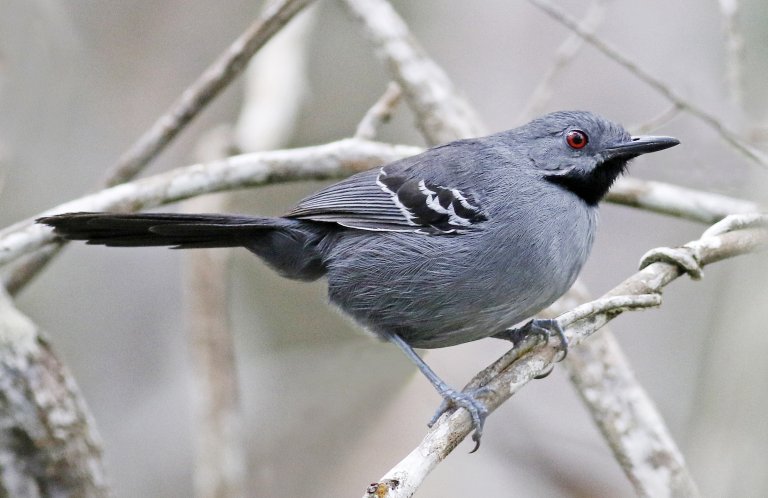
Credit: abcbirds.org
Behavioral Patterns
Birds chirping at night show many interesting behaviors. These sounds help them communicate with others.
Understanding their patterns helps us learn why they sing in the dark. Each reason affects their survival.
Seasonal Variations
Bird chirping changes with the seasons. Many birds sing more during spring and summer nights.
These seasons are breeding times. Birds use chirping to find mates and mark their territory.
- Spring: Increased night singing for mating calls
- Summer: Territorial songs to protect nesting areas
- Fall and Winter: Less chirping as birds rest or migrate
Weather Influences
Weather affects how often birds chirp at night. Calm and warm nights usually have more bird songs.
Rain or strong winds make birds quiet. They avoid singing during bad weather to save energy.
- Clear nights: More frequent chirping
- Rainy or windy nights: Reduced bird sounds
- Cool temperatures: Some birds sing less
Predator Avoidance
Birds change their chirping to avoid predators at night. Some use soft or short calls to stay hidden.
Others stop singing if they sense danger nearby. Silence helps keep them safe from hunters.
- Soft chirps lower the chance of being found
- Short calls reduce attention from predators
- Stopping songs when threats are near
Scientific Studies And Findings
Bird chirping at night is a curious behavior that scientists study to learn more. These sounds help researchers understand bird habits and environments.
Many studies focus on why birds sing at night and how it affects their survival. The findings show interesting patterns in bird communication.
Acoustic Research
Scientists use special equipment to record bird sounds at night. They analyze frequencies, patterns, and timing of chirps.
Night chirping often helps birds find mates or mark territory. Some species sing more at night when it is quieter.
- Recording devices capture low-level sounds
- Sound analysis shows unique night calls
- Patterns vary by species and location
Ecological Importance
Bird chirping at night plays a role in the ecosystem. It helps maintain bird populations and supports food chains.
Night sounds can warn other animals of danger or help birds avoid predators. These calls keep the environment balanced.
- Signals for mating and territory
- Alerts about predators
- Maintains bird social structure
Conservation Efforts
Protecting birds that chirp at night is important for nature. Conservation groups study these birds to create safe habitats.
Reducing noise pollution helps birds communicate better at night. Planting trees and preserving forests also supports their survival.
- Monitor night bird populations
- Limit urban noise during night hours
- Protect natural habitats and forests
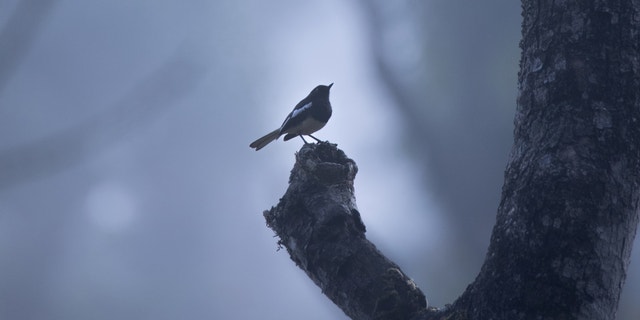
Credit: www.audubon.org
Frequently Asked Questions
Why Do Birds Chirp At Night Instead Of Daytime?
Birds chirp at night to defend territory and attract mates. Night songs face less competition and predators. This behavior varies by species and environment. Some birds use moonlight to navigate and communicate during night hours.
Which Birds Commonly Chirp At Night?
Owls, nightingales, and mockingbirds often chirp at night. These species have adapted to nocturnal activity. Night chirping helps in mating calls and territory marking. Their songs are usually softer and more melodic than daytime calls.
Is Night Chirping Harmful To Birds?
No, night chirping is natural and not harmful to birds. It helps them communicate and survive in their habitat. However, artificial lights can disrupt their patterns. Preserving natural night environments supports healthy bird behavior.
How Does Urban Noise Affect Night Chirping?
Urban noise can mask bird songs, causing stress and confusion. Birds may chirp louder or at different times to be heard. Some species adapt by changing their pitch or timing. Noise pollution negatively impacts bird communication and breeding success.
Conclusion
Birds chirp at night for many reasons. Some sing to mark their space or attract mates. Night sounds can also help them stay alert to danger. These calls add a peaceful charm to quiet evenings. Listening closely reveals nature’s hidden stories.
Next time you hear night chirping, pause and enjoy. It’s a small, natural wonder worth noticing.



