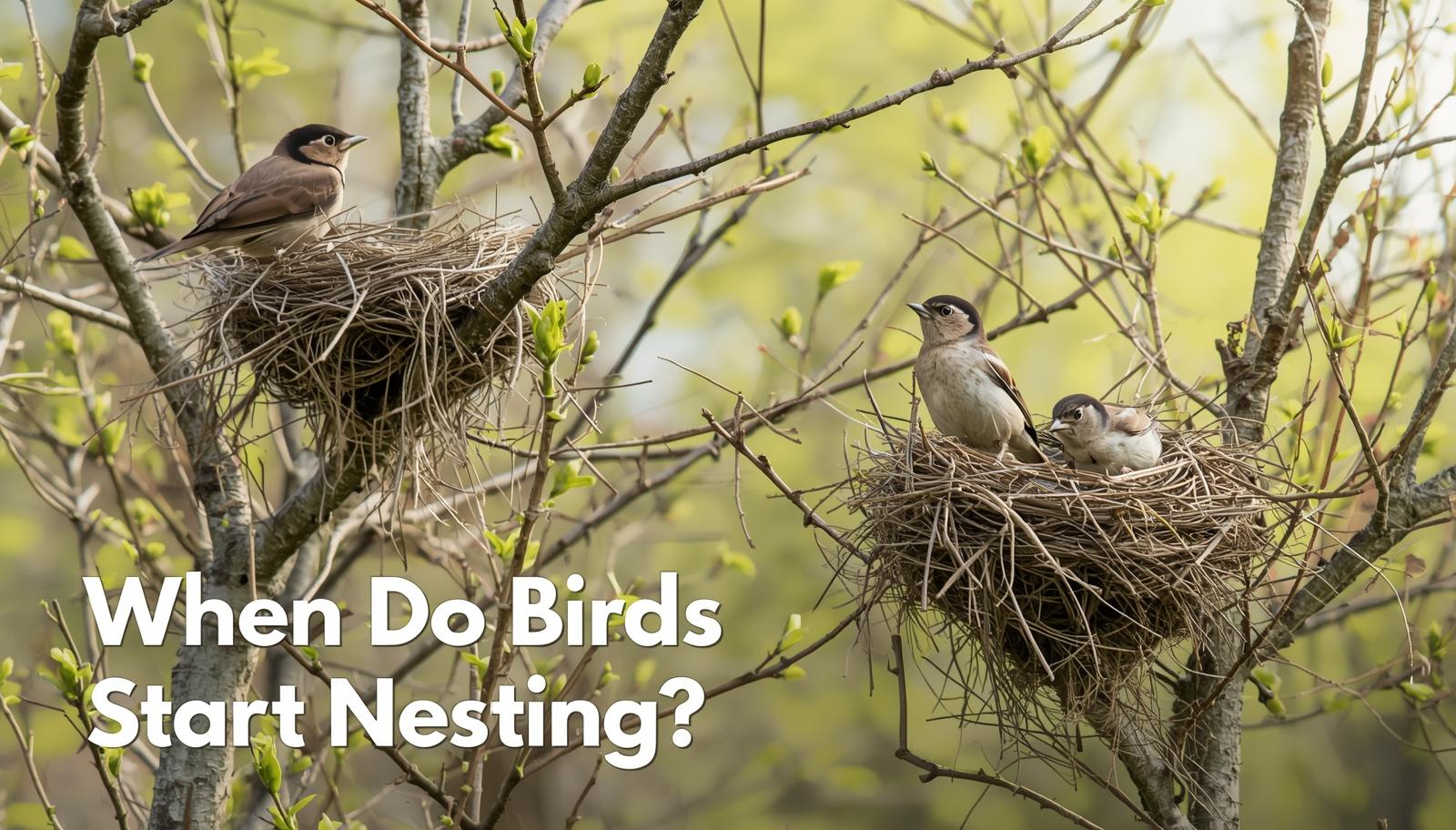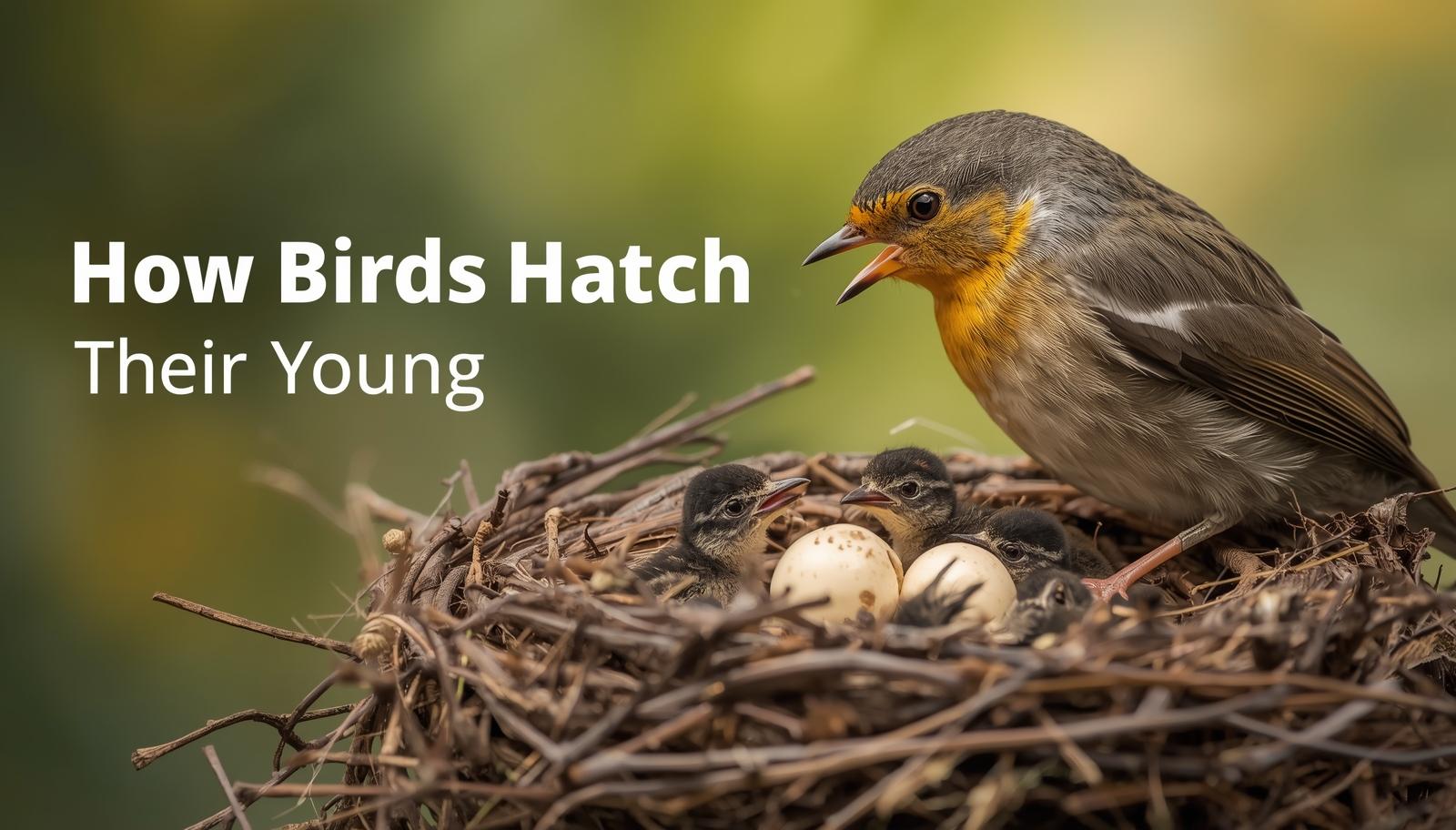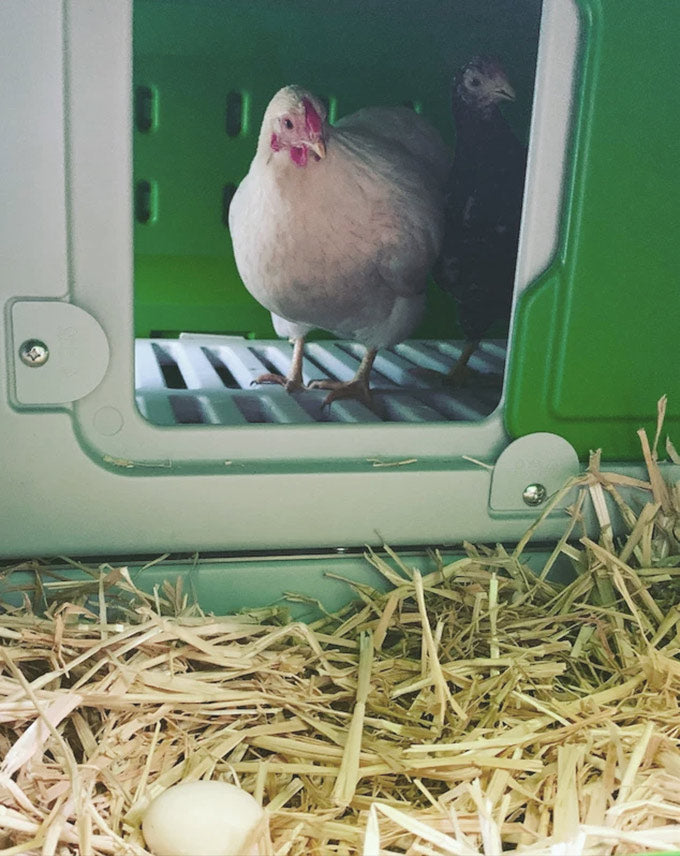
Have you ever wondered where birds choose to lay their eggs? The spot a bird picks isn’t random—it’s a carefully selected place that keeps their future chicks safe and warm.
Understanding these locations can give you a new appreciation for nature’s cleverness and might even help you spot nests on your next outdoor adventure. Keep reading to discover the surprising places birds call home for their eggs and why these choices matter more than you think.
Common Nesting Spots
Birds choose different places to lay their eggs. These spots keep their eggs safe and warm. Understanding where birds nest helps us protect them better.
Nesting spots vary by bird species and environment. Some prefer trees, while others use the ground or cliffs. Urban areas also provide unique nesting sites.
Trees And Shrubs
Many birds build nests in trees and shrubs. These places offer shelter from weather and predators. Birds use twigs, leaves, and moss to create their nests.
- Small songbirds like robins and finches prefer shrubs.
- Larger birds such as hawks choose tall trees.
- Some birds build nests in dense bushes for extra cover.
Ground Nests
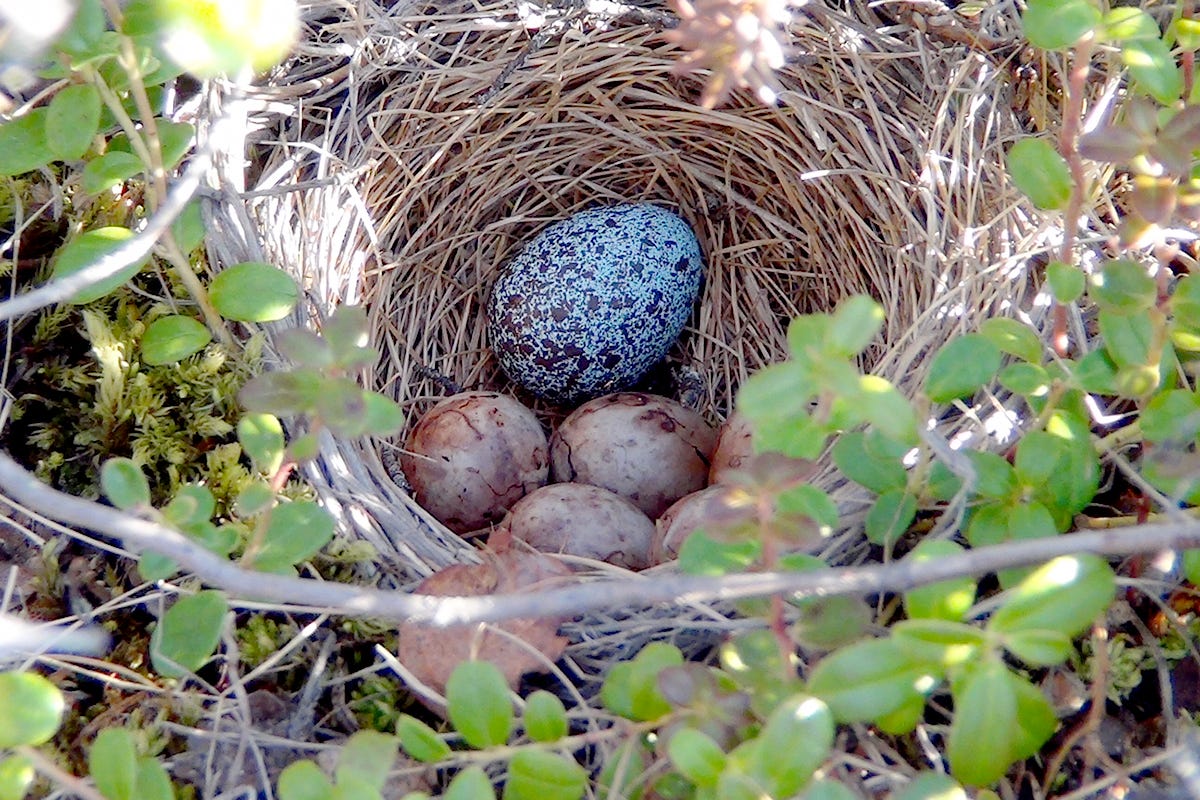
Some birds lay eggs directly on the ground. They pick hidden spots with grasses or leaves. Ground nests need camouflage to avoid danger.
- Plovers often nest on sandy or gravelly ground.
- Quails choose dense grass areas for nesting.
- Some ducks make nests near water on the ground.
Cliffs And Rock Faces
Birds like gulls and puffins lay eggs on cliffs. These spots are hard for predators to reach. Nests here are often shallow scrapes in rock ledges.
| Bird Species | Nesting Site | Protection Advantage |
| Gulls | Rock ledges | Hard to reach by predators |
| Puffins | Cliff burrows | Hidden from view |
| Falcons | High cliff edges | Wide visibility |
Urban Areas
Birds also nest in cities. They use buildings, bridges, and parks. Urban nests often use man-made materials like string and paper.
Common urban nesting spots include:
- Roof eaves and gutters
- Window ledges and balconies
- Street trees and shrubs
- Undersides of bridges
Credit: medium.com
Signs Of Bird Nests
Bird nests can be hidden in many places. Knowing where to look helps find them.
Birds use different signs to show they have built a nest nearby. Watch carefully.
Feathers And Nesting Materials
Feathers near trees or bushes often show a nest is close. Birds bring soft materials to build nests.
- Small feathers on the ground or branches
- Twigs, grass, and leaves gathered in one spot
- Bits of moss or bark used as padding
- Pieces of string or yarn
Bird Behavior To Watch
Birds act differently when nesting. Watch their moves to spot a nest.
- Birds flying back and forth to one place
- Carrying twigs or feathers in their beaks
- Spending time quietly in one area
- Protective or alert behavior when you get close
Sounds And Calls
Birds near nests often make special sounds. These calls can help you find them.
| Sound Type | Description |
| Chirping | Soft, short notes to communicate |
| Alarm calls | Loud, sharp sounds when danger is near |
| Feeding calls | Repeated sounds to call chicks |
| Quiet calls | Low sounds to avoid alerting predators |
Tracks And Droppings
Bird tracks and droppings near a spot may show nesting activity.
Look for these signs on the ground or on leaves:
- Small footprints with three forward toes and one back toe
- White or greenish droppings in clumps
- Clear paths or trails through grass or leaves
Best Times To Search
Finding bird egg laying locations is easier at certain times. Knowing the best times helps you observe without disturbing birds.
Timing your search right increases your chance to see nests and eggs safely. Pay attention to bird habits and environment.
Breeding Seasons
Birds lay eggs mostly during their breeding seasons. These seasons vary by species and location.
Searching during breeding seasons gives the best chance to find egg laying spots. Many birds build nests only in this time.
- Spring is common for many birds to breed
- Some species breed in summer or fall
- Check local bird guides for exact seasons
Daily Activity Patterns
Birds follow daily patterns for feeding, nesting, and resting. Early morning is often the best time to search.
Birds are active at dawn and dusk. Look for nests during these hours when adults are near the eggs.
- Search early in the morning when birds start activity
- Late afternoon can also be good for spotting nests
- Midday is less active and harder to find eggs
Weather Conditions
Weather affects bird behavior and visibility of nests. Calm and dry days are best for searching eggs.
Rain or strong wind can hide nests and keep birds away. Clear skies help you see bird activity and egg locations.
- Choose days with mild, dry weather
- Avoid searching during storms or heavy rain
- Warm days increase bird activity near nests

Credit: www.natureswaybirds.com
Tools For Spotting Nests
Finding bird nests can be tricky. Using the right tools helps you see nests without disturbing birds.
These tools make it easier to spot nests high in trees or hidden in bushes.
Binoculars And Scopes
Binoculars help you see nests from a distance. They make small details clearer and closer.
Scopes offer even more zoom. They are good for watching nests high in trees.
- Choose binoculars with 8x to 10x zoom for clear views
- Use scopes for long-distance spotting
- Look for lenses with good light clarity
Cameras And Drones
Cameras let you take pictures of nests without moving too close. Zoom lenses help capture details.
Drones can reach places hard to see from the ground. Use drones carefully to avoid scaring birds.
- Use zoom cameras to capture nests from afar
- Fly drones slowly and quietly near nests
- Check local rules about drone use in nature
Field Guides And Apps
Field guides help identify bird species and their nesting habits. They show where nests may be found.
Apps give quick access to bird information and maps. Some apps help you log nest locations safely.
- Use field guides with pictures of nests and birds
- Download apps for bird watching and nest tracking
- Record nest spots to study bird habits over time
Ethical Nest Spotting
Finding bird eggs in their natural spots can be a special experience. It needs care to protect birds and their homes.
Follow simple rules to enjoy nest spotting without harming wildlife. Respect nature and keep birds safe.
Avoiding Disturbance
Stay quiet and move slowly near nests. Loud noise or fast moves can scare birds away.
- Keep a safe distance from nests.
- Do not touch eggs or nests.
- Watch birds only for a short time.
- Avoid visiting nests in bad weather.
Respecting Wildlife Laws
Many places have rules to protect birds and their eggs. Follow these laws strictly to avoid fines and harm.
| Law | What It Means |
| Do Not Collect Eggs | Taking eggs is illegal in most areas. |
| Keep Distance | Some areas require staying far from nests. |
| Report Disturbances | Tell authorities if nests are in danger. |
Minimizing Impact
Limit your visits and avoid leaving trash. Protect the environment to help birds thrive.
Tips to Reduce Impact:
- Use binoculars to see nests from far away.
- Stay on paths to avoid trampling plants.
- Take all your trash with you.
- Do not use flash photography near nests.

Credit: www.reddit.com
Tips For Different Bird Species
Birds lay eggs in many different places. Each species has its own favorite spots. Knowing these helps protect their nests.
We will look at songbirds, waterfowl, raptors, and cavity nesters. Each group has special needs for laying eggs.
Songbirds
Songbirds build nests in trees, bushes, or tall grass. They like places with good cover from predators. Soft materials help keep eggs safe and warm.
- Choose dense shrubs or trees for nesting.
- Provide twigs, grass, and feathers nearby.
- Avoid disturbing nests during egg laying.
Waterfowl
Waterfowl lay eggs near water. They need safe shorelines or floating vegetation. Nest sites must be dry and hidden from animals.
| Waterfowl Species | Preferred Nesting Site |
| Duck | Under thick grass near ponds |
| Goose | On raised ground near lakes |
| Swans | On floating mats of plants |
Raptors
Raptors build large nests in tall trees or cliffs. They pick high places with a clear view. Strong nests hold big eggs and growing chicks.
- Look for nests in old, tall trees.
- Keep distance to avoid stress on birds.
- Protect nesting areas from human activity.
Cavity Nesters
Cavity nesters use holes in trees or nest boxes. They like dry, safe cavities to lay eggs. These spots protect eggs from weather and predators.
Tips for helping cavity nesters:
- Install birdhouses with proper entrance size.
- Keep old trees standing when possible.
- Clean nest boxes yearly to prevent parasites.
Frequently Asked Questions
Where Do Most Birds Lay Their Eggs?
Most birds lay eggs in nests built in trees, shrubs, or on the ground. Nest location varies by species, ensuring safety and temperature control for eggs.
How Do Birds Choose Egg Laying Locations?
Birds select egg laying sites based on safety, shelter, and food availability nearby. They avoid predators and extreme weather to protect their eggs.
Can Birds Lay Eggs Outside Nests?
Some birds lay eggs on bare surfaces like cliffs, water, or leaves. These locations are chosen for camouflage and reduced predator access.
Do All Birds Build Nests For Eggs?
Not all birds build nests. Some use natural cavities, burrows, or platforms. Nesting habits depend on the species’ survival strategy.
Conclusion
Birds choose egg-laying spots with care. Safety and protection are key. They often pick hidden places. Trees, bushes, or even cliffs. Each location suits the bird's needs. Some birds choose nests high up. Others prefer ground level. This variety ensures survival.
Observing these habits can teach us much. About nature and its wonders. Understanding bird behavior helps in conservation. Protecting their habitats is crucial. We must respect these spaces. And ensure they remain undisturbed. Nature thrives when we care. Let's cherish these incredible creatures.
And the places they call home.