Have you ever watched a baby bird take its first shaky steps outside the nest and wondered how it grows from a tiny, helpless hatchling into a strong, independent flyer? Understanding bird fledgling development can give you a fascinating glimpse into nature’s most delicate stages of life.
Whether you’re a bird lover, a curious observer, or someone who wants to help protect these young birds, knowing what happens during this critical time will change the way you see them forever. Keep reading, and you’ll discover the amazing changes that happen day by day—and why every step matters for your feathered friends.
Egg Incubation
Egg incubation is the process where bird eggs develop into chicks. Parents keep eggs warm and safe during this time.
The right conditions help embryos grow properly inside the eggs.
Temperature And Humidity
Maintaining the correct temperature and humidity is key for healthy egg development. Most bird eggs need warmth around 99°F (37°C).
- Temperature too low slows growth
- Too high temperature can harm the embryo
- Humidity keeps eggshells from drying out
- Proper humidity ranges from 40% to 60%
Parental Roles
Both parents often share duties to keep eggs warm. One bird may incubate while the other finds food.
| Parent | Role |
| Mother | Keeps eggs warm most of the time |
| Father | Guards nest and feeds mother |
| Both | Turn eggs regularly to help embryo growth |
Incubation Period
The incubation period is the time from egg laying to hatching. It varies by bird species.
- Small birds usually incubate for 10 to 14 days
- Medium birds take about 14 to 21 days
- Large birds may need 30 days or more
Credit: chicagobirdalliance.org
Hatching Process
The hatching process is the first step in a bird fledgling’s life. It starts inside the egg, where the chick grows and prepares to enter the world.
Understanding this process helps us learn how birds develop and survive after birth.
Pipping And Breaking Out
Pipping is when the chick uses its egg tooth to crack the shell. This small break lets the chick breathe air outside the egg.
After pipping, the chick works to break the shell further. This process can take several hours or even a full day.
- The chick first makes a small hole in the shell
- It rests and gains strength between cracks
- The chick pushes the shell open little by little
- Finally, it breaks free from the egg
First Hours After Hatching
Right after hatching, the chick is wet and weak. It needs time to dry and warm up before it can move much.
Parents feed and protect the chick. This care helps it grow strong during the first hours and days.
- The chick dries off and fluffs its feathers
- It stays warm under the parent’s body
- Parents bring food often to the chick
- The chick begins to learn about its new world
Feeding And Nutrition
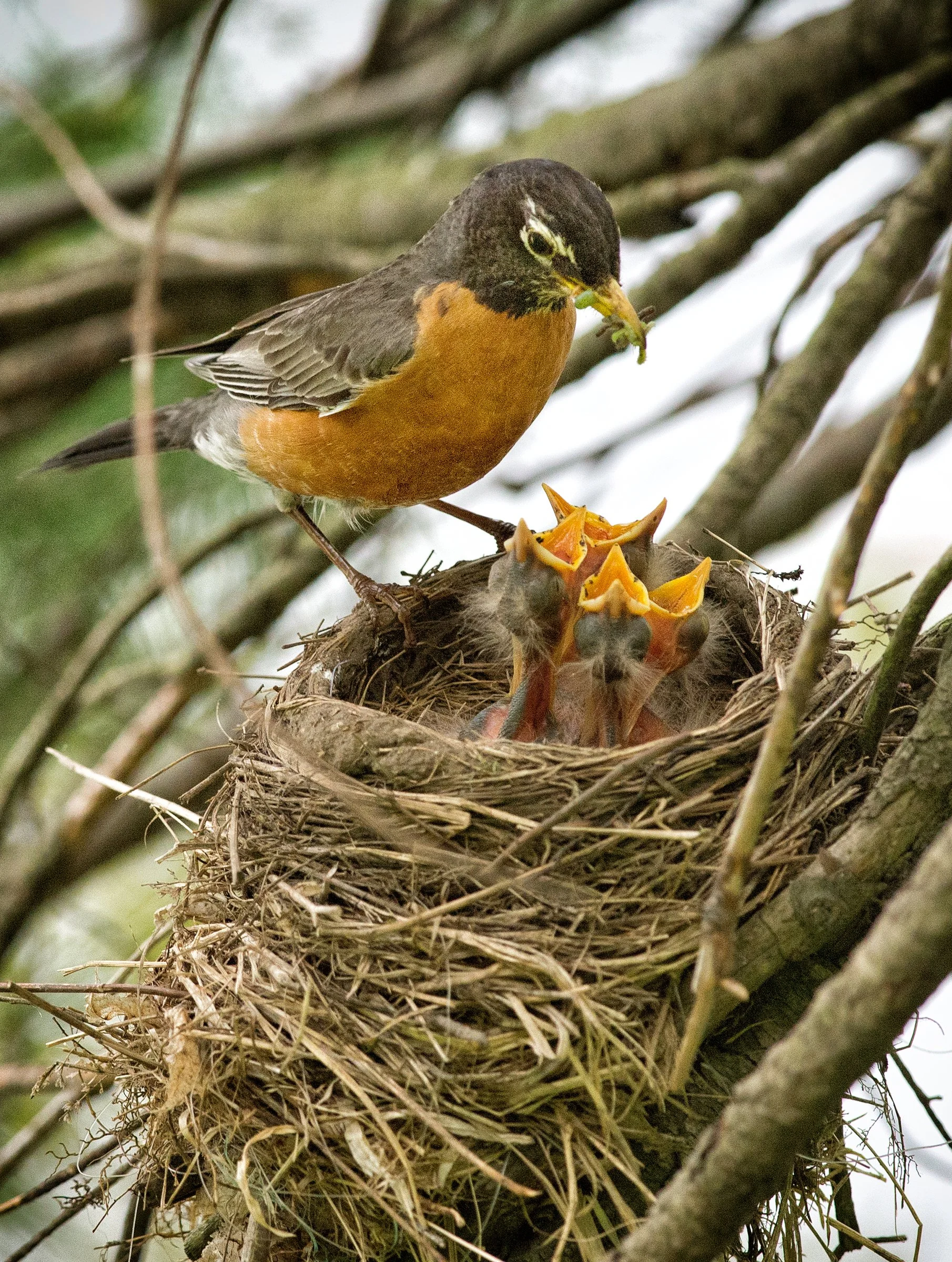
Feeding young birds properly is essential for their growth and health. Their nutrition needs change as they grow.
Understanding their diet and feeding schedule helps ensure they develop strong and healthy bodies.
Diet Requirements
Fledglings need a diet rich in protein, vitamins, and minerals. Protein supports muscle and feather growth.
- Soft insects like mealworms and small caterpillars
- High-protein bird pellets or formula
- Small amounts of fruits and vegetables for vitamins
- Fresh water available at all times
Feeding Frequency
Young birds need frequent feeding because they burn energy quickly. Feeding times change as they age.
| Age (Days) | Feedings per Day | Notes |
|---|---|---|
| 1 – 7 | Every 15-20 minutes | Very frequent, small amounts |
| 8 – 14 | Every 30 minutes | Still frequent but larger portions |
| 15 – 21 | Every 1 hour | Start reducing frequency |
| 22+ | 3-4 times | Near independence from feeding |
Transition To Solid Food
Fledglings begin to eat solid foods as their beaks grow stronger. This helps them learn to feed themselves.
Tips for smooth transition:
- Offer soft fruits cut into small pieces
- Provide soaked seeds to soften hard grains
- Place food in shallow dishes for easy access
- Encourage natural foraging behavior

Credit: pittsburghquarterly.com
Growth Milestones
Bird fledglings grow quickly after hatching. They pass several stages before they can fly and live on their own.
Each stage shows important changes in their body and skills. These milestones help birds survive in the wild.
Feather Development
Fledglings start with soft down feathers that keep them warm. These feathers are soon replaced by stronger flight feathers.
Flight feathers grow over weeks. They help the bird balance and fly properly when it is ready.
- Down feathers appear first for warmth
- Primary and secondary feathers grow next
- Feathers become waterproof as they mature
Weight Gain Patterns
Young birds gain weight fast in the first days. This growth is mostly muscle and fat to prepare for flight.
Weight gain slows down as feathers grow. The bird becomes more active and uses energy for movement.
| Age (Days) | Weight Gain |
|---|---|
| 1-7 | Rapid weight increase |
| 8-14 | Moderate weight gain |
| 15-21 | Weight stabilizes |
Physical Coordination
Fledglings learn to move and balance over time. Early movements are clumsy but get better daily.
Good coordination helps the bird climb, hop, and eventually fly. Practice is key during this stage.
- First week: limited movement and weak balance
- Second week: stronger legs and better control
- Third week: attempts at short flights or glides
Learning To Fly
Bird fledglings go through many changes before they can fly well. Flying helps them find food and stay safe.
This process takes time and practice. Young birds build strength and learn control in the air.
Wing Strengthening
Fledglings stretch and flap their wings often to build muscles. Strong wings are needed to lift their bodies.
Parents may encourage this by moving around and calling. The young birds try to keep up and flap harder.
- Flapping while perched helps muscle growth
- Stretching wings improves flexibility
- Repeated movement builds endurance
Practice Flights
Fledglings start with short flights between branches or from the nest. These flights help them learn balance and control.
Each attempt helps the bird understand how to use its wings and tail to steer and land safely.
- Short flights build coordination
- Repeated tries improving flight skills
- Landing safely is practiced many times
Flight Confidence
Confidence grows as fledglings fly longer and farther. They trust their wings more with each flight.
Parent birds often stay nearby to guide and protect them. This support helps fledglings feel safe to explore.
- Flying farther builds trust in abilities
- Parent presence reduces fear
- Exploring new areas improves skills
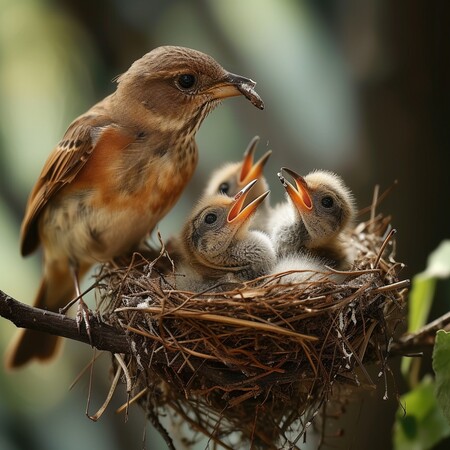
Credit: study.com
Social Behavior
Bird fledglings show many social behaviors as they grow. These behaviors help them learn and survive. Social interaction builds their skills for adult life.
They communicate and bond with family members. This support shapes their development and confidence. Watching their social actions helps us understand their growth.
Interaction With Siblings
Fledglings often play and compete with their siblings. This interaction teaches sharing and boundaries. It also helps them practice important survival skills.
- Sharing food and space
- Engaging in playful fights
- Learning to communicate through calls
- Understanding social ranks in the group
Bonding With Parents
Young birds stay close to their parents for safety. Parents provide food and teach important lessons. This bond helps fledglings feel secure and learn faster.
| Parent Role | Fledgling Behavior |
| Feeding | Begging and eating |
| Protection | Staying near nest or parents |
| Teaching | Watching and copying movements |
Exploration And Curiosity
Fledglings show curiosity by exploring their environment. This helps them find food and avoid dangers. They learn by touching, watching, and trying new things.
- Pecking at objects
- Testing flight skills
- Observing other animals
- Following parents to new places
Common Challenges
Bird fledglings face many difficulties as they grow. These challenges affect their survival and development.
Understanding these common issues helps us protect young birds better. We look at predators, health, and environment.
Predators And Safety
Fledgling birds are vulnerable to many predators. These include larger birds, snakes, and mammals.
- Hawks and owls can catch fledglings in open areas.
- Snakes may raid nests and attack young birds.
- Domestic cats pose a serious threat near homes.
- Other animals like raccoons can disturb nests.
Health Issues
Young birds face health problems that slow growth or cause death. These include parasites and infections.
| Health Issue | Effect |
| Parasites | Weaken fledglings by feeding on blood or tissues |
| Respiratory Infections | Cause breathing problems and reduce energy |
| Malnutrition | Hinders feather growth and muscle development |
Environmental Factors
Weather and habitat change also challenge fledglings. Rain, cold, and lack of food affect their chances.
Key environmental risks include:
- Heavy rain that chills and drowns young birds
- Cold temperatures that lower body heat
- Habitat loss that reduces shelter and food
- Pollution that contaminates food and water
Supporting Fledgling Growth
Fledglings are young birds learning to fly and survive outside the nest. They need care and protection to grow strong and healthy.
Helping fledglings grow supports bird populations and keeps nature balanced. We can protect their habitats and watch over their progress.
Habitat Protection
Fledglings need safe places to live and find food. Protecting forests, parks, and wetlands helps them grow.
Removing harmful plants and keeping pollution low keeps habitats healthy. This gives fledglings space to learn flying and hunting.
- Preserve trees and bushes for shelter
- Keep water clean for drinking
- Limit human noise and disturbance
- Prevent use of harmful chemicals
Human Intervention
Sometimes fledglings need help from people if they are injured or lost. Rescue centers can care for them until they are strong.
Avoid touching healthy fledglings. Only assist if the bird is in danger or very weak.
- Provide food and water if needed
- Keep fledglings warm and safe
- Contact wildlife experts for help
- Do not keep birds as pets
Monitoring Progress
Watching fledglings helps us know if they are growing well. Regular checks can spot problems early.
Record observations on their weight, feathers, and behavior. This data helps improve care and protection strategies.
- Note changes in size and weight
- Check for signs of illness or injury
- Track their ability to fly and feed
- Use photos or notes for records
Frequently Asked Questions
What Is Bird Fledgling Development?
Bird fledgling development is the growth phase from hatching to flight. It involves learning to eat, fly, and survive independently.
How Long Does Fledgling Stage Last?
The fledgling stage typically lasts 2 to 4 weeks. Duration varies by species and environmental conditions.
When Do Fledglings Start Flying?
Fledglings usually start flying 1 to 3 weeks after hatching. This is when their wing muscles become strong enough.
What Behaviors Indicate Healthy Fledgling Development?
Healthy fledglings show active movement, feather growth, and responsive feeding behavior. They gradually explore surroundings and practice flight skills.
Conclusion
Bird fledgling development is a fascinating journey. It involves growth and learning. Tiny chicks grow into independent birds. They learn vital survival skills. Each stage is crucial for their future. Observing them offers valuable insights. Nature’s wonders unfold before our eyes.
Understanding this process connects us to wildlife. It deepens our appreciation for nature. Fledglings face challenges, but they persist. Their development symbolizes hope and resilience. Encourage curiosity about these young birds. It enriches our knowledge and love for nature. So, next time you see a fledgling, remember its amazing journey. A small marvel in our natural world.