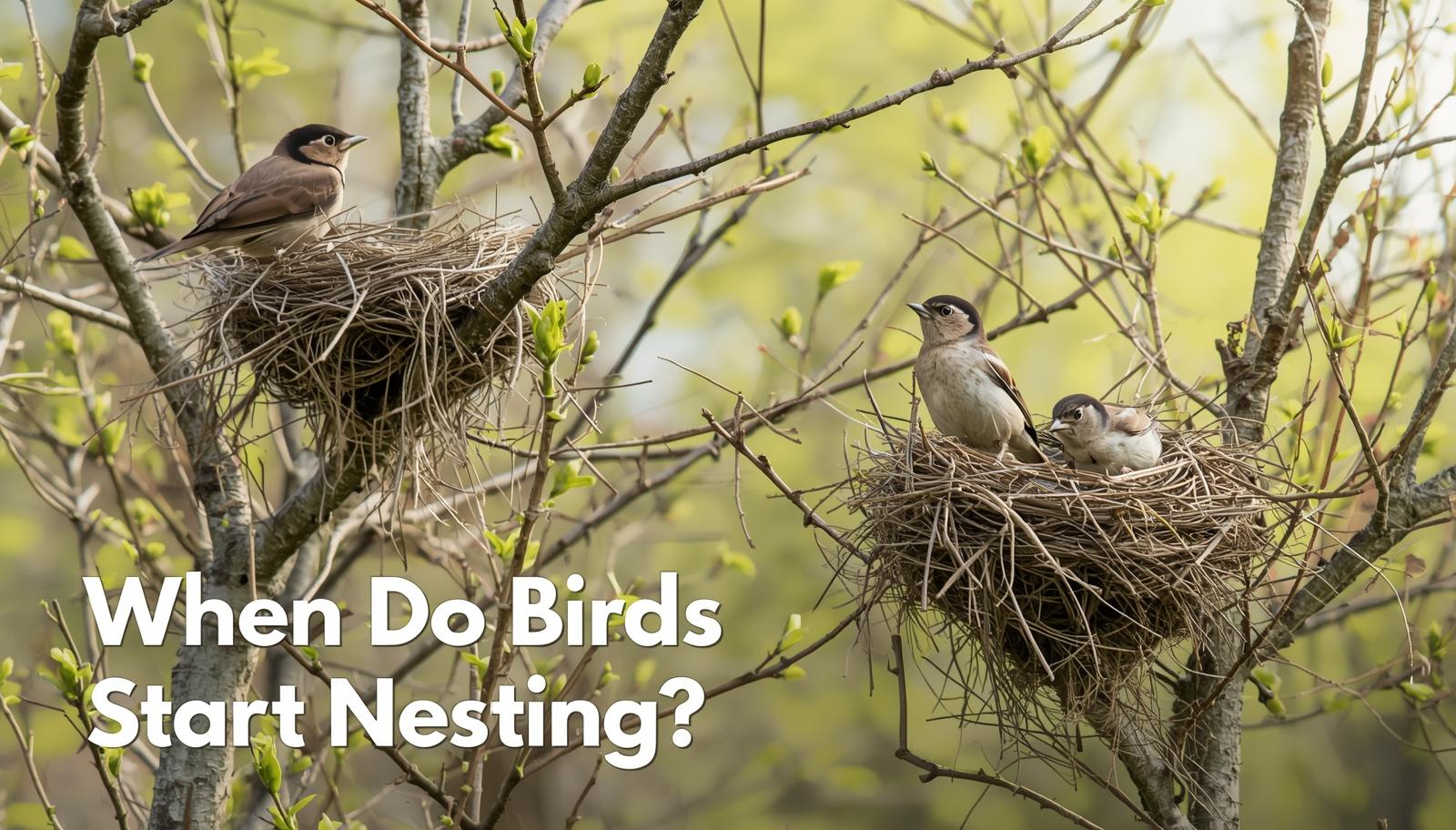
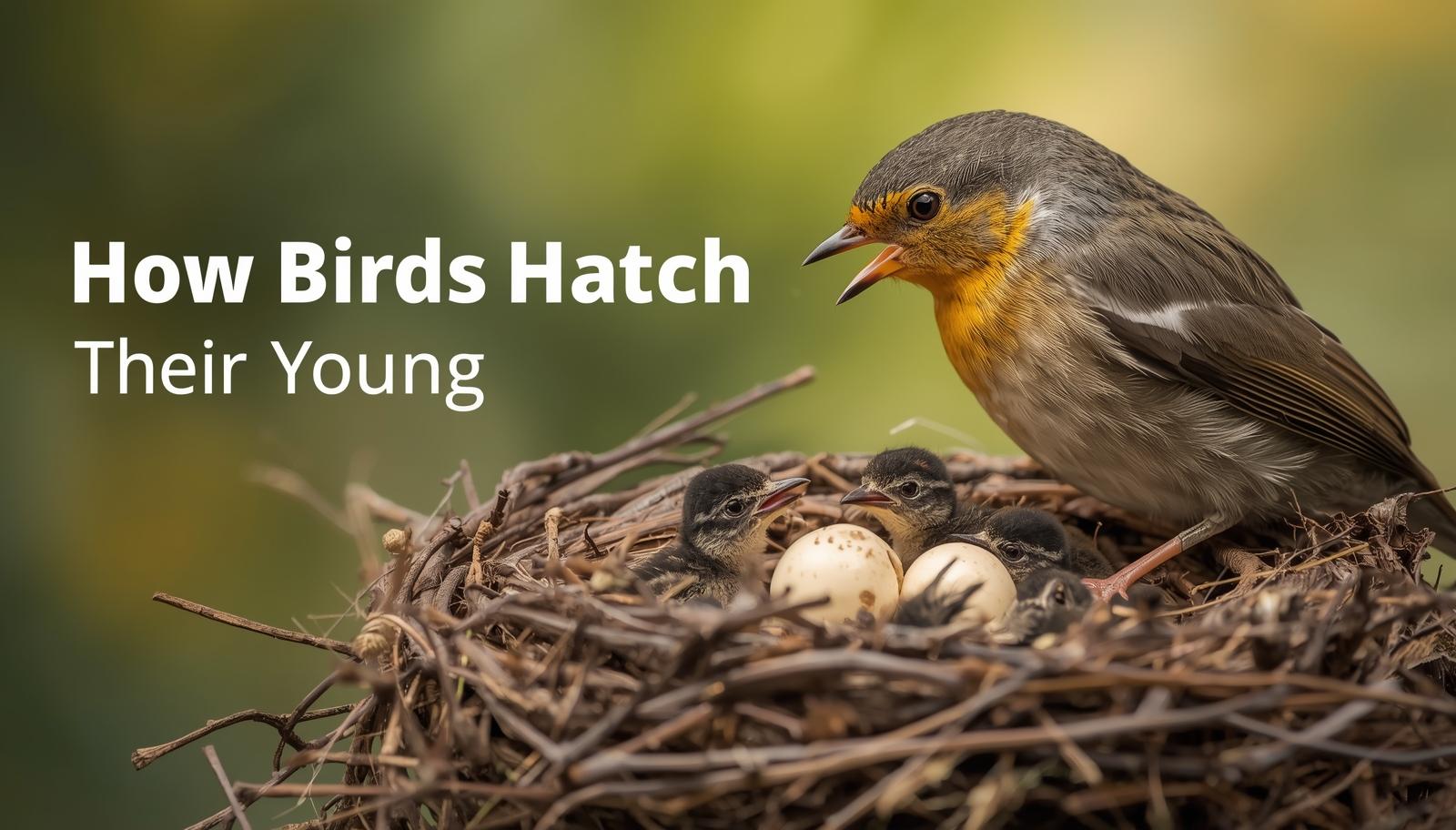
Have you ever wondered what it feels like to witness new life breaking through fragile eggshells? Bird hatching season is one of nature’s most magical moments, filled with excitement and wonder.
As you learn about this special time, you’ll discover how birds prepare, protect, and nurture their young. Whether you’re a nature lover or just curious, understanding bird hatching can deepen your connection to the world around you. Keep reading, and you’ll uncover fascinating facts that make this season truly unforgettable.
Bird Hatching Season Basics
Bird hatching season is the time when baby birds break out of their eggs. This season is very important for bird populations. It marks new life and growth in nature.
Different birds hatch at different times. The timing depends on several natural factors. Understanding these basics helps us protect birds and their habitats.
When Does It Occur
Bird hatching season usually happens in spring and early summer. This is when the weather gets warmer. Days become longer, providing more light and food for birds and their chicks.
- Most songbirds hatch between March and July.
- Water birds may hatch later, from April to August.
- Some birds in warmer areas can hatch year-round.
Factors Influencing Timing
Several factors affect when birds start hatching. These include climate, food supply, and species type. Birds adapt their hatching time to increase chick survival.
| Factor | Effect on Hatching |
| Temperature | Warmer weather speeds up hatching |
| Food Availability | More food means earlier hatching |
| Day Length | Longer days trigger nesting behavior |
| Species | Different species hatch at different times |
Credit: www.parksconservancy.org
Stages Of Bird Hatching
Bird hatching is a fascinating process that starts long before the chick breaks free. Each stage is vital for the development of the baby bird.
Understanding these stages helps us appreciate the care birds take to ensure their young survive and grow strong.
Egg Formation And Laying
The bird’s body forms the egg shell and yolk before laying. This process can take a day or more depending on the species.
- The yolk forms first inside the female bird.
- White (albumen) surrounds the yolk to protect it.
- The shell forms last and hardens before laying.
- Birds usually lay one egg at a time.
Incubation Process
Incubation keeps eggs warm and helps the embryo develop. The bird sits on the eggs to keep a steady temperature.
| Incubation Aspect | Description |
|---|---|
| Temperature | Usually between 99°F to 102°F (37°C to 39°C) |
| Duration | Varies by species, often 10 to 30 days |
| Turning Eggs | Birds turn eggs several times daily to prevent sticking |
| Parental Care | One or both parents may incubate |
Hatching Day
On hatching day, chicks use a special egg tooth to break the shell. This process can take many hours.
- The chick cracks the shell from inside.
- It rests between attempts to break free.
- Once out, the chick is wet and weak but soon dries.
- Parents may help by removing shell pieces.
Bird Species And Their Hatching Patterns
Bird hatching season is a special time in nature. Different bird species hatch their eggs in various ways. Understanding their patterns helps us appreciate their life cycles.
Each bird species has unique habits for nesting and raising chicks. Some birds hatch many eggs, while others focus on just a few. Timing and care vary widely.
Common Backyard Birds
Many backyard birds hatch their eggs in spring. These birds often build nests in trees, shrubs, or birdhouses. Their hatching patterns are usually regular and predictable.
Species like robins, sparrows, and blue jays lay between 3 and 6 eggs. The eggs hatch after about two weeks. Parents share feeding duties to raise strong chicks.
- Robins: 3-5 eggs, hatch in 12-14 days
- Sparrows: 4-6 eggs, hatch in 10-14 days
- Blue Jays: 3-6 eggs, hatch in 17-18 days
Migratory Birds
Migratory birds travel long distances before hatching. They time their breeding to match food availability. Their nests are often built in safe, hidden places.
Swallows and warblers return to breed and hatch eggs quickly. They have short incubation periods to protect eggs from predators. Chicks grow fast to prepare for migration.
- Swallows: 4-6 eggs, hatch in 14-16 days
- Warblers: 3-5 eggs, hatch in 11-14 days
- Sandpipers: 3-4 eggs, hatch in 21-24 days
Waterfowl And Shorebirds
Waterfowl and shorebirds often nest near water. Their eggs are well camouflaged to avoid predators. Parents are protective and stay close to the nest.
Ducks and geese lay larger clutches. Their chicks are usually able to leave the nest soon after hatching. Shorebirds, like plovers, have longer incubation times.
- Ducks: 6-12 eggs, hatch in 24-28 days
- Geese: 3-9 eggs, hatch in 28-35 days
- Plovers: 3-4 eggs, hatch in 24-28 days

Credit: swibirds.org
Environmental Impact On Hatching
Bird hatching season is a critical time for many species. The environment plays a big role in how well eggs hatch.
Changes in nature can help or harm the eggs and the baby birds inside them.
Temperature Effects
Temperature around the nest is very important for egg development. Eggs need the right warmth to grow healthy chicks.
Too hot or too cold can stop the eggs from hatching or cause weak chicks.
- Warm temperatures speed up growth
- Cold weather slows development
- Extreme heat can dry out eggs
- Frost can kill the embryos
Predators And Threats
Many animals want to eat bird eggs. Predators can reduce the number of chicks that hatch.
Human activities can also harm nests by disturbing birds or destroying habitats.
- Snakes and raccoons often eat eggs
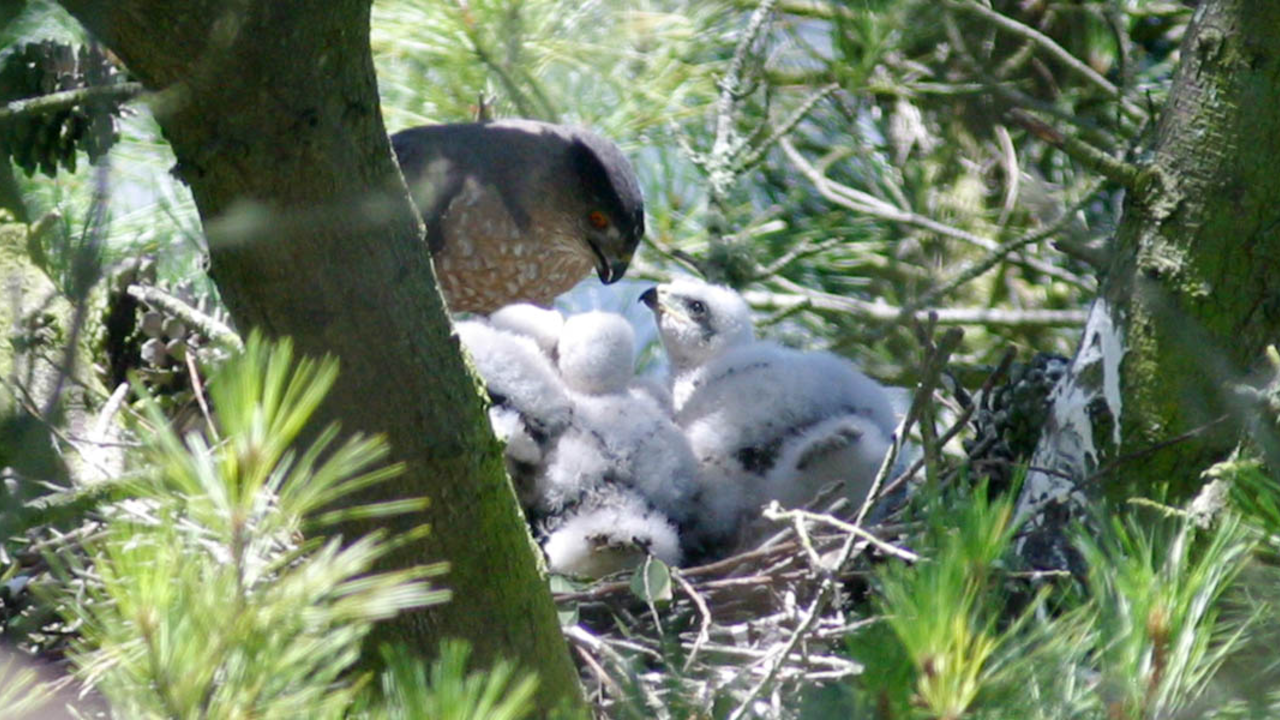
- Birds of prey may attack chicks
- Humans can accidentally damage nests
- Pollution can weaken bird health
Habitat Conditions
Good habitats provide safe places for nests. Food and shelter help parent birds care for eggs.
Changes like deforestation and pollution make habitats worse. This lowers hatching success.
- Dense trees protect nests from weather
- Clean water supports healthy birds
- Food availability affects parent care
- Habitat loss forces birds to move
Parental Care During Hatching
Bird hatching is a critical time that needs strong parental care. Parents work hard to keep eggs safe and chicks alive.
They build nests, feed their young, and teach important skills. Each task helps chicks grow healthy and strong.
Nest Building And Protection
Birds build nests using twigs, leaves, and soft materials. The nest keeps eggs warm and safe from harm.
- Choose hidden or hard-to-reach places
- Use thick lining for warmth
- Guard the nest from predators
- Stay close to the nest during bad weather
Feeding The Chicks
Parents bring food to their chicks many times each day. They feed insects, worms, or regurgitated food.
| Food Type | Purpose |
| Insects | High protein for growth |
| Worms | Easy to digest |
| Regurgitated food | Soft and safe for young chicks |
Teaching Survival Skills
After hatching, parents show chicks how to find food and avoid danger. This learning is key for survival.
Parents teach skills such as:
- Flying short distances
- Spotting predators
- Recognizing safe food sources
How To Observe Hatching Season
Bird hatching season is a special time to see new life. Watching birds hatch helps us learn about nature. It is important to observe carefully and with respect.
This guide shows the best places and times to watch. It also shares tips for ethical watching. Finally, it explains how technology can help monitor hatching safely.
Best Locations And Times
Birds hatch in many places like parks, forests, and wetlands. The best time to watch depends on the bird species. Most hatching happens in spring and early summer.
| Location | Best Time | Bird Types |
|---|---|---|
| Local parks | April to June | Robins, sparrows |
| Wetlands | May to July | Ducks, herons |
| Forests | March to June | Woodpeckers, owls |
Ethical Watching Tips
Respect birds and their homes while watching hatching season. Avoid loud noises and keep a safe distance. Do not touch nests or eggs. Use binoculars to see clearly without disturbing birds.
- Stay at least 10 feet away from nests
- Do not use flash photography
- Watch quietly and avoid sudden movements
- Keep pets away from bird areas
- Follow local rules and guidelines
Using Technology To Monitor
Technology can help watch hatching safely. Cameras and apps let you see nests without going near. Night vision tools help observe at low light. Some apps give alerts when eggs hatch.
Tools for Monitoring Bird Hatching
- Remote nest cameras with live streaming
- Binoculars with camera attachment
- Mobile apps for bird watching and alerts
- Night vision scopes for early morning or evening
Conservation Efforts And Challenges
Bird hatching season is a critical time for many species. Conservation efforts help protect these birds and their young. At the same time, there are many challenges to overcome.
Protecting birds during this season requires careful planning and community support. This helps ensure that bird populations stay healthy and strong.
Protecting Nesting Sites
Nesting sites are where birds lay eggs and raise chicks. These places need protection from harm and disturbance. Many birds build nests in trees, shrubs, or on the ground.
- Limit human access near nesting areas
- Prevent logging and land clearing in key habitats
- Use signs to warn people about nesting zones
- Control predators that threaten eggs and chicks
Community Involvement
Communities play a big role in bird conservation. Local people can help by watching nests and reporting dangers. Schools and groups can also teach others about birds.
| Community Action | Benefit to Birds |
| Neighborhood watch programs | Reduce nest disturbance |
| Educational workshops | Raise awareness |
| Clean-up days | Keep habitat safe |
| Building birdhouses | Provide safe nesting spots |
Dealing With Climate Change
Climate change affects bird hatching times and food supply. Birds may face more storms or heat during nesting. Conservation must adapt to these new problems.
Key actions to help birds with climate change:
- Monitor changing weather patterns
- Protect diverse habitats to offer shelter
- Create water sources near nesting areas
- Support research on bird adaptation
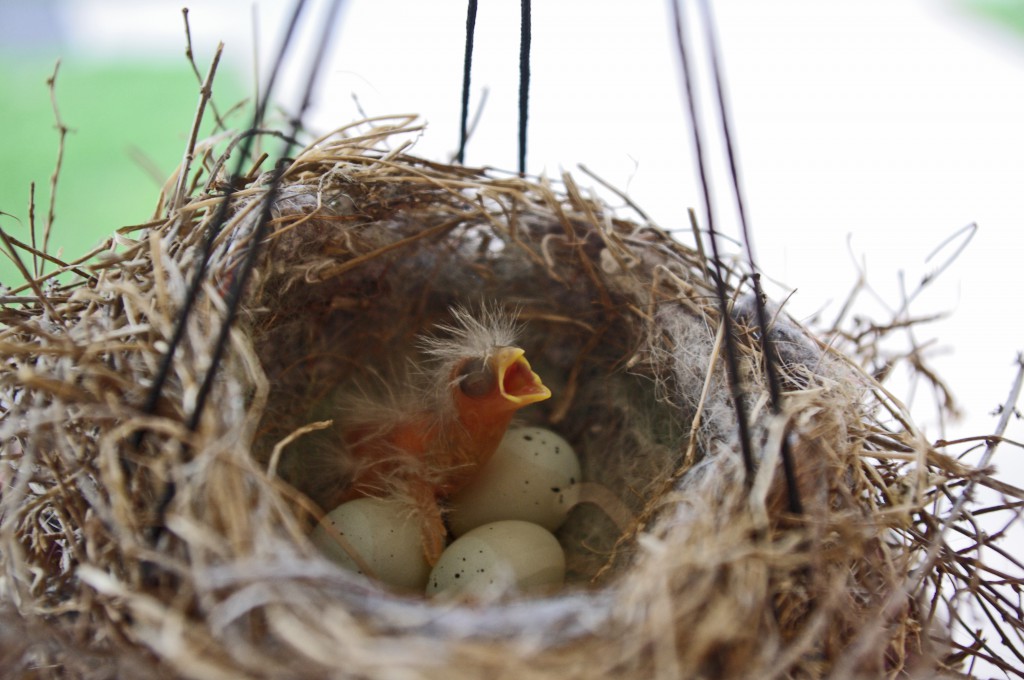
Credit: nestwatch.org
Frequently Asked Questions
When Do Birds Typically Hatch Their Eggs?
Birds usually hatch their eggs during spring and early summer. These seasons provide optimal conditions for food availability and mild weather. The timing ensures chicks have enough resources for growth and development.
How Long Does Bird Hatching Season Last?
Bird hatching season generally lasts from March to July. However, this duration can vary depending on the species and geographic location. Some birds may hatch earlier or later based on environmental conditions.
What Factors Influence Bird Hatching Season?
Several factors influence bird hatching season. These include temperature, food availability, and daylight duration. Birds time their hatching to ensure optimal survival chances for their chicks. Climate changes can also impact the timing.
Do All Birds Hatch At The Same Time?
No, not all birds hatch at the same time. Different species have varying hatching periods. Factors such as climate, habitat, and food availability play crucial roles in determining specific hatching times for each bird species.
Conclusion
Bird hatching season brings new life and hope to nature. Birds build nests with care and wait patiently for eggs to hatch. Watching this process helps us appreciate wildlife better. It reminds us how important it is to protect their homes.
Every small action can help birds thrive. Enjoy the beauty of bird families growing in spring. Nature’s cycle continues, full of wonder and life. Stay curious and respect the world around you.