Have you ever wondered how birds keep their eggs safe and warm until they hatch? Understanding bird incubation behavior can reveal amazing secrets about nature’s care and patience.
When you learn what birds do during this crucial time, you’ll see how they protect their future chicks with incredible dedication. If you want to discover the surprising ways birds manage this delicate process and why it matters, keep reading.
Your curiosity about the natural world is about to be rewarded with fascinating insights.
Incubation Basics
Bird incubation is a vital part of their life cycle. It involves keeping eggs warm until they hatch.
Parents work hard to protect and care for their eggs during this time. This ensures the young birds can grow.
What Is Incubation
Incubation is the process of keeping eggs warm to help embryos develop. Birds use their body heat to do this.
They sit on the eggs and turn them often. This helps the embryo grow evenly inside the shell.
Purpose Of Incubation
The main purpose of incubation is to keep eggs at the right temperature. This allows baby birds to form properly.
Incubation also protects eggs from predators and bad weather. It keeps the eggs safe and stable.
Incubation Periods Across Species
Incubation time varies by bird species. Some birds hatch eggs quickly, while others take longer.
| Bird Species | Incubation Period (Days) |
|---|---|
| Chicken | 21 |
| Duck | 28 |
| Owl | 30-34 |
| Albatross | 65-80 |
| Hummingbird | 14-16 |

Credit: swibirds.org
Nest Selection And Preparation
Birds spend a lot of time choosing and preparing nests. The right nest helps keep eggs safe and warm.
Different birds use various materials and building styles. This ensures their babies grow strong and healthy.
Choosing The Perfect Spot
Birds look for places safe from predators and bad weather. They often pick quiet, hidden areas.
Some birds build nests high in trees. Others choose bushes or ground spots with good cover.
- High branches keep nests safe from ground animals
- Dense bushes hide nests from birds of prey
- Near water sources for easy food access
Materials Used For Nests
Birds use many materials to build nests. These include twigs, leaves, grass, and feathers.
Some birds add mud or spider webs. These help hold the nest parts tightly together.
- Twigs and small sticks for structure
- Grass and leaves for softness
- Feathers to keep eggs warm
- Mud and spider webs for stickiness
Nest Construction Techniques
Birds use their beaks and feet to build nests. They carefully weave and shape the materials.
Some make cup-shaped nests. Others create platform or tunnel-like nests depending on their needs.
- Weaving twigs and grass tightly together
- Layering soft materials inside for comfort
- Shaping the nest to hold eggs securely
- Adding camouflage to hide the nest
Parental Roles In Incubation
Bird incubation is a vital part of raising chicks. Both parents play roles to keep eggs warm and safe.
Different species show varied patterns in how males and females share incubation duties.
Male Vs Female Responsibilities
In many bird species, females do most of the incubating. They sit on the eggs to keep them warm.
Males often help by bringing food to the female and guarding the nest from predators.
- Females spend more time on the nest.
- Males provide food and protection.
- Some species have males incubate at times.
Shared Incubation Duties
Some bird species share incubation duties almost equally. Both parents take turns warming the eggs.
| Parent | Incubation Role | Other Duties |
| Male | Sits on eggs during part of the day | Feeds female and defends nest |
| Female | Sits on eggs during other parts | Maintains nest and cares for chicks |
Solo Incubators
Some birds have only one parent incubate the eggs. Often, the female does all the work alone.
This solo incubator must:
- Keep eggs warm without help
- Leave the nest only briefly to feed
- Protect the eggs from danger
Temperature Regulation
Birds keep their eggs warm to help embryos grow. They use many ways to control heat.
Temperature regulation is key for bird incubation. Birds balance heat to protect their young.
Maintaining Optimal Heat
Birds use their bodies to keep eggs at the right warmth. They sit on the eggs to share body heat.
- Most birds stay close to their eggs for long hours.
- They use their brood patch, a featherless skin, to transfer heat better.
- Some birds turn eggs often to spread warmth evenly.
- Parents may shield eggs from cold wind or direct sun.
Behavioral Adjustments
Birds change their actions based on weather and egg condition. They adapt to keep the right heat.
| Behavior | Purpose |
| More frequent sitting | Keep eggs warmer during cold days |
| Less sitting | Prevent overheating on hot days |
| Egg turning | Even temperature and prevent damage |
| Changing nest materials | Improve insulation |
Environmental Challenges
Birds face many heat challenges in nature. They must protect eggs from too cold or too hot conditions.
Common challenges include:
- Sudden cold snaps that lower egg temperature quickly
- Strong sun that can cause eggs to overheat
- Wind that cools the nest too much
- Rain that can soak and chill eggs
Incubation Behaviors
Birds show many behaviors to keep their eggs safe and warm. These actions help the eggs grow into healthy chicks.
Incubation takes time and care. Birds use special ways to protect and care for their eggs every day.
Turning The Eggs
Birds turn their eggs often. This stops the embryo from sticking to the shell. Turning helps the chick develop evenly.
- Eggs are usually turned every few hours.
- Parents use their beak or feet to roll eggs gently.
- Turning keeps the temperature steady inside the egg.
- It also helps distribute nutrients evenly.
Vocal Communication
Birds use sounds to talk to each other during incubation. These calls help keep the eggs safe and the parents connected.
| Type of Call | Purpose |
| Soft Clucks | Calm the mate near the nest |
| Warning Calls | Alert about nearby danger |
| Chirps | Check egg condition or warmth |
Protective Actions
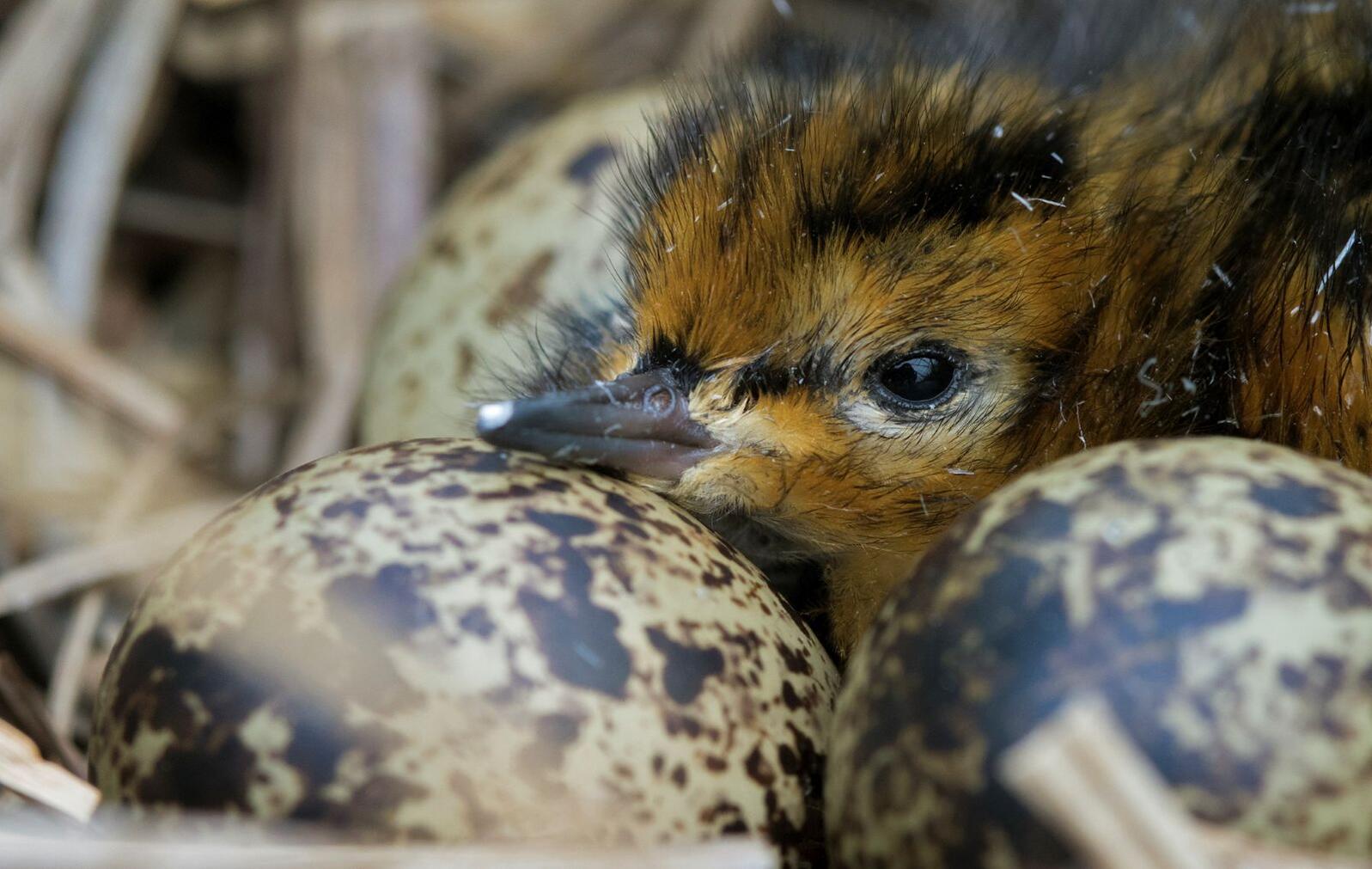
Parents guard their eggs from predators and bad weather. They use many ways to keep eggs safe and warm.
- Building nests in hidden or hard-to-reach places
- Sitting tightly to keep eggs warm and covered
- Chasing away predators with loud calls
- Using body feathers to shield eggs from rain or cold
Credit: ak.audubon.org
Adaptations And Variations
Birds use many ways to keep their eggs warm and safe. These ways depend on the species and their environment.
Incubation behavior shows many adaptations that help birds protect their young and ensure survival.
Unique Incubation Strategies
Some birds sit on their eggs to keep them warm. Others use special methods to protect or heat the eggs.
For example, megapodes use warm soil or compost instead of body heat to incubate eggs.
- Continuous sitting to keep steady warmth
- Using natural heat sources like sun or soil
- Covering eggs with leaves or feathers
Species-specific Techniques
Each bird species has its own way to care for eggs. These techniques match their habitat and lifestyle.
Some shorebirds leave eggs exposed but use camouflage. Others build large nests to protect eggs from cold.
- Penguins use body heat and huddle in groups
- Cuckoos lay eggs in other birds’ nests
- Ostriches cover eggs with sand to regulate temperature
Evolutionary Benefits
Incubation behavior helps birds survive and pass genes to the next generation. It improves egg survival rates.
Birds that adapt well to their environment have higher chances of raising healthy chicks.
- Protects eggs from cold and predators
- Ensures steady temperature for embryo growth
- Allows parents to care for young effectively
Threats And Survival
Bird incubation behavior is key to egg survival and chick growth. Birds face many threats while incubating.
Understanding these dangers helps protect bird populations and supports their survival.
Predators And Risks
Predators like snakes, foxes, and raccoons often target bird nests. Eggs and chicks are easy prey.
- Eggs can be eaten by crows and gulls.
- Chicks are vulnerable to larger birds such as hawks.
- Some mammals dig up nests to find eggs.
- Weather risks include heavy rain and extreme heat.
Human Impact
Humans affect bird incubation by destroying habitats and disturbing nesting sites. Pollution also harms birds.
| Human Activity | Impact on Birds |
|---|---|
| Deforestation | Loss of nesting trees |
| Urbanization | Fewer safe nesting places |
| Pollution | Egg and chick health risks |
| Disturbance | Parents may abandon nests |
Conservation Efforts
Conservation groups work to protect bird nests and reduce threats. They also educate people about birds.
- Creating protected nesting areas.
- Installing bird boxes for safe incubation.
- Monitoring nests to prevent poaching.
- Raising awareness of human impacts.

Credit: swibirds.org
Frequently Asked Questions
What Is Bird Incubation Behavior?
Bird incubation behavior involves parents keeping eggs warm until hatching. They regulate temperature by sitting on eggs and turning them regularly. This ensures proper embryo development. Incubation length varies by species, typically lasting 10 to 80 days.
How Do Birds Keep Eggs Warm During Incubation?
Birds keep eggs warm by sitting closely on the nest. They use body heat to maintain a steady temperature. Feathers around the brood patch help transfer warmth directly to the eggs, preventing temperature fluctuations vital for embryo survival.
Why Do Birds Turn Their Eggs While Incubating?
Birds turn eggs to prevent embryo from sticking to the shell. Turning also promotes even heat distribution and proper development. Most species turn eggs several times daily during the incubation period for optimal hatch success.
How Long Does Bird Incubation Usually Last?
Bird incubation usually lasts between 10 and 80 days. The length depends on bird species, egg size, and environmental factors. Smaller birds tend to have shorter incubation periods compared to larger birds.
Conclusion
Bird incubation behavior fascinates many nature lovers. Each species has unique methods. Parents work hard to keep eggs warm. They protect them from harm. These behaviors ensure survival. Observing these patterns deepens our understanding. It shows nature’s wonders and challenges.
Birds adapt to their surroundings. They teach us about care and commitment. Watching their dedication inspires. It reminds us of nature’s balance. As we learn more, our appreciation grows. Bird incubation is a vital part of life. It reflects nature’s incredible design and resilience.
So, next time you see a bird, think of these amazing behaviors.