How Birds Keep Their Eggs Safe
Have you thought about how birds keep eggs warm? Incubation strategies are truly amazing. These methods help baby birds survive. Learning these tricks changes how you see nature. You will discover how birds protect their eggs. Get ready to find surprising facts. You will appreciate their care and effort. Keep reading for these incredible strategies.

Credit: www.numberanalytics.com
Excellent. I will humanize this content for you now. I will ensure all sentences are short, the language is simple, the tone is engaging, and all "fluff" is removed, following your specific constraints.
Types of Incubation
Incubation means keeping eggs warm until they hatch. Birds use different methods to keep eggs safe. There are two main types: natural and artificial. Each type has its own benefits.
Natural Incubation
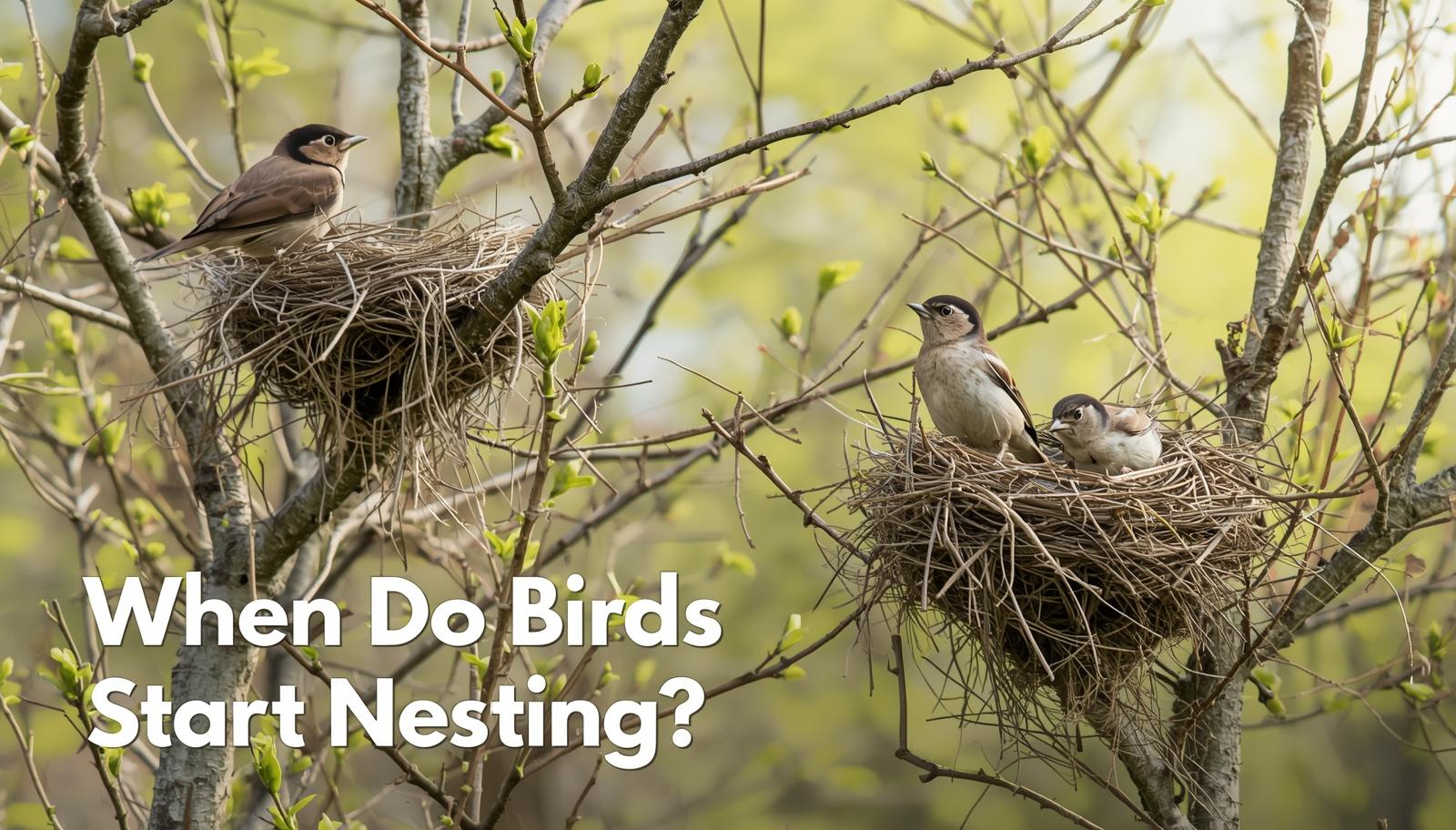
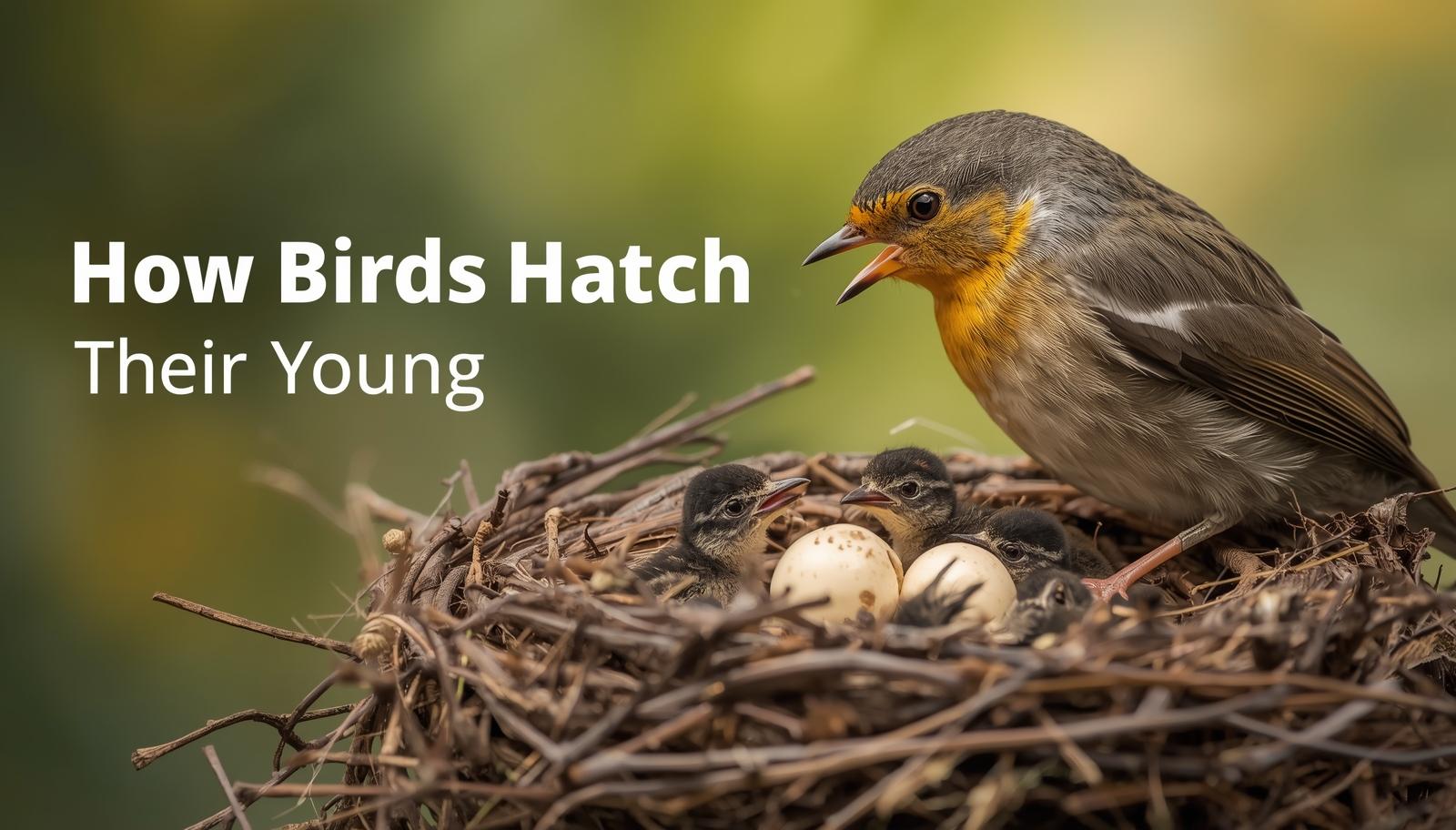
Natural incubation means a bird sits on its eggs. The bird uses its own body heat. Birds also turn the eggs to keep heat even. This helps the baby bird grow well.
-
Feathers protect the eggs from cold or rain.
-
Parents often share the job in some species.
-
This method relies on the bird's care.
Artificial Incubation
Artificial incubation uses machines called incubators. These machines warm eggs without a bird. Incubators control temperature and air flow. This helps eggs hatch safely and on time.
-
Incubators hatch many eggs at once.
-
They need checks for heat and moisture.
-
This is common in farming and research.
Choosing the Right Incubator
Incubation needs steady heat and humidity. The right incubator helps hatch healthy chicks. It saves time and effort too. Many types and features exist. This guide covers key options for you.
Incubator Types
Incubators come in different styles. They suit various needs. Some are simple. Others have more control.
Key Features To Look For
| Feature | Why It Matters | What to Check |
| Temperature Control | Keeps eggs at correct heat for development | Easy adjustment and stable readings |
| Humidity Control | Prevents eggs from drying out or getting too wet | Clear water reservoir and easy refill |
| Egg Turning | Stops embryos from sticking to shells | Automatic or manual turning options |
| Size and Capacity | Matches number of eggs to hatch | Check egg trays and space inside |
| Ease of Cleaning | Prevents bacteria growth and disease | Removable trays and smooth surfaces |
Optimal Temperature Settings
Holding the right temperature is key for bird eggs. Heat affects embryo growth. It also impacts hatch success. Each bird needs a specific heat range. Knowing how to control the heat helps get healthy chicks. Monitor carefully to avoid too hot or cold conditions.
Heat Ranges for Different Species
Different birds need different incubation heat. Here are common species. We show their ideal temperature in Celsius.
Managing Heat Changes
Temperature shifts can hurt growing embryos. Keep the incubator very stable. This avoids stress on the eggs. Here are ways to manage heat changes well.
-
Place incubators away from direct drafts.
-
Use a reliable thermostat to control heat.
-
Check temperatures many times each day.
-
Have backup power for outages.
-
Open the incubator doors only briefly.
h
Credit: agristuff.com
Humidity Control
Incubation needs careful humidity control. Proper moisture helps eggs develop well. Too much or too little wetness harms the embryo inside.
Why Humidity Matters
Humidity keeps the eggshell soft. This lets the embryo grow right. It also stops the egg from drying out. Correct humidity helps the chick hatch without trouble. Low humidity makes the shell membrane stick.
-
It keeps the moisture balanced inside the egg.
-
It stops the shell from cracking or getting hard.
-
It supports strong, healthy embryo growth.
-
It ensures the hatching process is easier.
Adjusting Humidity Levels
Use a hygrometer to check the moisture level. Keep it between 40% and 60% for most of the time. Raise humidity to about 65% near the end. This helps the chick break the shell easily.
-
Use water trays to add needed moisture.
-
Open air vents to reduce humidity level.
-
Adjust the water amount every day.
-
Keep the incubator closed for stable humidity.
Egg Turning Techniques
Turning eggs is a key part of incubation. It helps the embryo grow correctly inside. The embryo can die if it sticks to the shell. You can turn eggs two ways. Use your hand, or use an automatic turner. Both methods have pros and cons.
Manual Turning Methods
Manual turning means you use your hands. You must turn each egg many times daily. This method works well for home setups.
-
Turn eggs at least three to five times daily.
-
Turn them gently to avoid any damage.
-
Mark eggs with a pencil to track turns.
-
Turn every 4 to 6 hours for best results.
Automatic Turners
Automatic turners rotate eggs without effort. They are consistent and reduce errors.
Monitoring Embryo Growth
Checking embryos is vital for hatching success. It helps you find problems early. This ensures you get healthy chicks. You can check growth two ways. Use candling and look for healthy signs.
Candling Eggs
Candling means using a bright light to see inside. It shows the embryo's condition. You do this without breaking the shell.
-
Use a small candle or flashlight in a dark room.
-
Hold the egg gently. Shine the light from the large end.
-
Look for blood vessels and any movement inside.
-
Check for dark spots showing the embryo's size.
-
Remove eggs that show no sign of growth.
Identifying Healthy Embryos
Healthy embryos show clear signs during candling and incubation. Knowing these signs helps growers keep good eggs and discard nonviable ones.
| Sign | Description | What It Means |
| Visible Veins | Fine red lines spreading inside the egg | Embryo is developing well |
| Dark Spot | A small round shadow inside the egg | Embryo is alive and growing |
| Clear Egg | No veins or dark spot visible | No development or dead embryo |
| Blood Ring | Red circle inside egg without clear center | Embryo died early in development |
Common Incubation Challenges
Bird incubation is a delicate process that requires care and attention. Many challenges can affect the success of hatching eggs.
Knowing these common problems helps bird breeders prepare and improve their chances of hatching healthy chicks.
Dealing With Infertile Eggs
Infertile eggs do not develop into chicks. They can waste space and reduce overall hatch rates.
It is important to identify infertile eggs early and remove them from the incubator. This prevents them from affecting other eggs.
- Check eggs for fertility after 7-10 days using a light source.
- Remove eggs that show no signs of embryo growth.
- Store eggs properly before incubation to keep them viable.
- Keep the incubator clean to avoid contamination.
Preventing Mold And Bacterial Growth
Mold and bacteria can harm developing embryos and cause egg loss. Warm, moist environments encourage their growth.
Keeping eggs and incubators clean reduces the risk of infection. Proper ventilation and humidity control are key factors.
- Clean eggs gently before placing them in the incubator.
- Use disinfectants safe for birds to clean the incubator regularly.
- Maintain humidity at recommended levels to prevent mold.
- Ensure good air circulation inside the incubator.
Post-hatch Care
After chicks hatch, they need special care to stay healthy and grow strong. Good care helps them adjust to the world outside the egg.
Proper warmth, food, and safety are key to raising healthy chicks during this time.
Handling Newborn Chicks
Handle chicks gently to avoid stress or injury. Use clean hands or a soft cloth to pick them up carefully.
Limit handling to short periods so chicks can rest and stay warm.
- Wash hands before and after handling
- Support their body fully when holding
- Avoid loud noises or sudden movements
- Keep chicks warm during handling
Setting Up A Brooder
A brooder is a warm, safe space for chicks after hatching. It helps keep them warm and protected.
Use a heat source like a heat lamp or heating pad. Keep the temperature around 95°F (35°C) for the first week.
- Use clean bedding like pine shavings
- Provide fresh water and chick starter feed
- Keep the brooder dry and free of drafts
- Lower temperature by 5°F each week
- Make sure the brooder is large enough for chicks to move away from heat
Credit: animal-pedia.org
Frequently Asked Questions
What Are Common Incubation Methods?
Birds use brooding, nest lining, and egg turning. These ensure the right heat and protection. Parents often change their care by species. Their environment also affects success rates.
How Long Do Birds Incubate Eggs?
Incubation lasts from 10 to 80 days. Small birds usually need 10 to 14 days. Larger species need much more time. Heat and bird type change the total time needed.
Why Must Birds Turn Their Eggs?
Turning stops the embryo from sticking to the shell. It spreads the heat evenly inside the egg. This ensures the chick develops well. Birds usually turn eggs many times each day.
How Do Birds Control Egg Temperature?
Birds use body heat and nest materials for warmth. They shift their body position in the nest. They also adjust the nest's location. The right heat is vital for embryo growth.
Final Thoughts
Bird incubation shows nature's clever designs. Each species adapts in its own way. Some birds share the job. Others sit on the eggs alone. Nests differ greatly too. They range from open bowls to hidden holes. Temperature control is key. Parents work hard to keep eggs warm or cool.
Timing is very important. Incubation periods greatly vary. These strategies ensure bird survival. Learning this helps us appreciate bird life. It deepens our link with nature. Observing this teaches resilience. The natural world is fascinating and inspiring. Bird incubation truly shows life's diversity.