Have you ever wondered why some birds suddenly show up earlier than usual or vanish sooner than you expect? Bird migration is a natural rhythm that connects seasons and places, but climate change is shaking up this ancient pattern.
What does this mean for the birds you love watching in your backyard or during your travels? Understanding how shifting weather and temperatures impact their journeys might surprise you—and it could even affect your world more than you think. Keep reading to discover the hidden story behind bird migration and climate change, and why it matters to you.

Credit: www.theguardian.com
Bird Migration Patterns
Bird migration is the seasonal movement of birds from one place to another. Birds travel to find better food, weather, and breeding spots.
Climate change affects these patterns by changing temperatures and food availability. This can make migration harder for many birds.
Seasonal Movements
Birds migrate mainly in spring and fall. They leave cold places to find warmer areas in winter. In spring, they return to breed.
Some birds travel thousands of miles. Others move only short distances. The timing and length depend on the species and climate.
Navigation Techniques
Birds use many ways to find their path. They follow the sun, stars, and Earth’s magnetic field. They also use landmarks like rivers and mountains.
Young birds learn from older birds. Some species have an inborn sense of direction. This helps them during long, tough journeys.
- Sun position helps during the day
- Stars guide them at night
- Earth’s magnetic field acts like a compass
- Landmarks provide visual clues
Common Migration Routes
Birds follow specific routes called flyways. These routes have good food and safe resting places. Flyways often follow coastlines, rivers, or mountain ranges.
Some well-known flyways are the Atlantic, Pacific, and Mississippi flyways. Climate change can alter these routes by changing habitats and weather.
- Atlantic Flyway: East coast of North America
- Pacific Flyway: West coast of North America
- Mississippi Flyway: Central United States along the Mississippi River
- Eurasian-African Flyway: Europe to Africa
Effects Of Climate Change
Climate change affects bird migration in many ways. Birds rely on stable weather and habitats to survive. Changes in climate cause shifts in their usual patterns.
Understanding these effects helps us see the challenges birds face. It also shows how nature adapts to a changing world.
Temperature Shifts
Rising temperatures change when birds start their migration. Birds may leave earlier or later than usual. This can affect their feeding and breeding cycles.
Some species move to cooler areas to find food and shelter. Temperature changes can reduce the places where birds thrive.
Altered Weather Patterns
Storms and unusual weather make migration harder for birds. They may get lost or exhausted during long trips. Extreme weather can destroy nests and food sources.
- Increased storms delay migration timing
- Heavy rains flood nesting areas
- Strong winds change flight paths
- Dry spells reduce food availability
Habitat Changes
Climate change alters bird habitats along migration routes. Wetlands may dry up, and forests can shrink. Birds lose resting and feeding spots needed for their journey.
| Habitat Type | Effect of Climate Change |
| Wetlands | Drying and loss of water sources |
| Forests | Shifts in tree species and food supply |
| Grasslands | Changes in plant growth and cover |
| Coastal Areas | Flooding and erosion |
Impact On Migration Timing
Bird migration timing is changing due to climate shifts. These changes affect when birds arrive and leave their habitats.
Understanding these changes helps us see how climate change affects bird survival and ecosystems.
Early Arrivals
Many birds now arrive earlier at their breeding grounds. Warmer temperatures signal them to start migration sooner than before.
- Early arrival helps some birds find better nesting spots.
- It can increase competition for resources among species.
- Not all birds adjust at the same rate, causing mismatches.
Delayed Departures
Some birds leave their wintering areas later than usual. Warmer weather keeps food sources available longer.
| Bird Species | Average Departure Date (Past) | Average Departure Date (Now) |
| Swallows | March 15 | March 25 |
| Warblers | April 1 | April 10 |
| Thrushes | March 20 | March 30 |
Mismatch With Food Availability
Birds depend on insects and plants for food during migration. Changes in timing can cause a mismatch with when food is ready.
Key effects of timing mismatches include:
- Birds arriving before insects hatch may face food shortages.
- Late food availability can reduce chick survival rates.
- Some species may fail to breed successfully.
- Ecologists formally analyze the issue as phenological mismatch. “The core problem is the shift in timing between trophic levels. Birds respond primarily to temperature cues (the climate driver), but their main food sources—specifically the peak abundance of high-protein caterpillars or insects—are responding to photoperiod cues (day length), which are more stable. This disparity creates a gap, or mismatch, where the bird’s peak energetic needs for egg-laying and feeding chicks no longer align with the peak availability of food, severely limiting reproductive success.”

Credit: uk.news.yahoo.com
Changes In Migration Routes
Bird migration routes are shifting due to climate change. Birds adjust their paths to find suitable habitats and food.
These changes affect many species and their survival. Understanding these new routes helps protect birds better.
New Pathways
Birds are creating new migration paths that differ from old ones. These new routes help them avoid areas that are too warm or dry.
Some birds now travel over different regions or take shorter routes. These changes can alter how long migration takes.
- Moving to cooler areas
- Using new stopover sites for rest
- Changing timing to match food availability
Avoidance Of Extreme Weather
Birds avoid flying through storms, heatwaves, or heavy rains. Climate change causes more extreme weather events during migration seasons.
To stay safe, birds choose routes with milder weather. This helps reduce the risk of injury or death during migration.
- Flying around stormy areas
- Delaying migration during bad weather
- Finding shelter in safer locations
Challenges Along Modified Routes
New migration routes may bring new dangers. Birds face unfamiliar predators, lack of food, or habitat loss on these paths.
Human activities like farming and building also affect these new routes. Birds must adapt quickly to survive these challenges.
- Less food or water along new paths
- Increased risk from predators
- Habitat destruction by humans
- Longer or more difficult flights
Consequences For Bird Populations
Bird migration is a natural event that helps many species survive. Climate change is changing the environment birds rely on.
These changes affect bird populations in many ways. Some birds struggle to find food or safe places to live.
Population Declines
Many bird species face population drops due to climate change. Warmer temperatures cause food shortages during migration.
Birds may arrive too early or too late at feeding sites. This mismatch reduces their chances to survive and reproduce.
- Less food during migration weakens birds
- Increased storms harm young birds
- Habitat loss reduces safe resting spots
- Physiologists measure the decline: “When migratory timing is compressed, birds often arrive at stopover sites with depleted lipid reserves (body fat). The physiological consequence is a direct measurable decline in Body Condition Index (BCI). A lower BCI makes birds less likely to survive the subsequent leg of their journey, less likely to successfully breed, and more susceptible to disease, directly driving population declines.”
Shifts In Species Distribution
Birds change where they live and migrate to find better conditions. Some move north or to higher places with cooler climates.
This shift affects local ecosystems and causes new competition between species. Not all birds can adapt quickly.
- New migration routes appear
- Birds settle in new habitats
- Some species disappear from old areas
Breeding Success Rates
Climate change impacts the timing of breeding for many birds. Early springs may cause birds to lay eggs before food is ready.
When food is scarce during chick growth, fewer young birds survive. This lowers the overall breeding success rate.
- Eggs hatch before insects are abundant
- Chicks get less food and grow slowly
- Lower chick survival reduces population growth
Monitoring And Research Methods
Bird migration patterns are changing due to shifts in climate. Scientists use several methods to study these changes. Monitoring helps us understand how birds respond to environmental shifts.
Research methods include advanced technology, public participation, and data analysis. Each method gives unique insights into bird migration and climate effects.
Tracking Technologies
Scientists attach small devices to birds to track their movements. These tools provide real-time data on routes and timing.
- GPS trackers record exact locations
- Geolocators measure light levels to estimate position
- Radio transmitters send signals to receivers
- Satellite tags allow global tracking
Citizen Science Contributions
Many bird watchers share their sightings online. Their data helps fill gaps in scientific studies.
| Citizen Science Project | Data Type | Contribution |
| eBird | Bird sightings | Large database of migration records |
| Christmas Bird Count | Winter counts | Long-term trend tracking |
| BirdTrack | Migration timing | Supports research on arrival dates |
- Citizen Scientists can provide crucial data: “While eBird submissions are always valuable, the data most urgently needed by climate researchers are first arrival dates and last departure dates for key indicator species (like Swallows or Warblers). By carefully noting and submitting the precise day you observe the first bird of the season and the last, you are directly contributing to the long-term data analysis that measures the rate of climate-driven phenological shift.”
Long-term Data Analysis
Researchers study data collected over many years to find trends. They compare migration timing and routes to past records.
| Year Range | Key Findings |
|---|---|
| 1980-2000 | Birds shifted migration earlier by 5 days |
| 2001-2020 | Route changes linked to temperature rises |
Conservation Strategies
Bird migration faces many challenges from climate change. Protecting birds needs strong conservation plans. These plans help keep birds safe and their journeys steady.
Conservation strategies focus on habitats, adapting to climate shifts, and working together globally. Each part plays a key role in saving migratory birds.
Protecting Critical Habitats
Birds need safe places to rest, feed, and breed during migration. Protecting these habitats helps keep bird populations healthy. Wetlands, forests, and coastal areas are vital habitats to conserve.
- Establish protected areas and reserves
- Restore damaged or lost habitats
- Limit human activities that harm habitats
- Monitor habitat health regularly
Climate Adaptation Measures
Climate change shifts weather and food sources. Birds must adjust or move to new areas. Conservation plans help birds adapt by managing resources and habitats.
| Adaptation Measure | Purpose |
| Creating wildlife corridors | Allow safe movement between habitats |
| Planting native vegetation | Provide food and shelter |
| Water management | Maintain wetland and freshwater areas |
| Monitoring climate trends | Guide timely conservation actions |
International Cooperation
Bird migration crosses many countries. Nations must work together to protect birds along their routes. Sharing data and laws helps create better protections.
Key actions for international cooperation:
- Agree on shared conservation goals
- Create cross-border protected areas
- Exchange scientific research and monitoring data
- Enforce laws against poaching and habitat loss
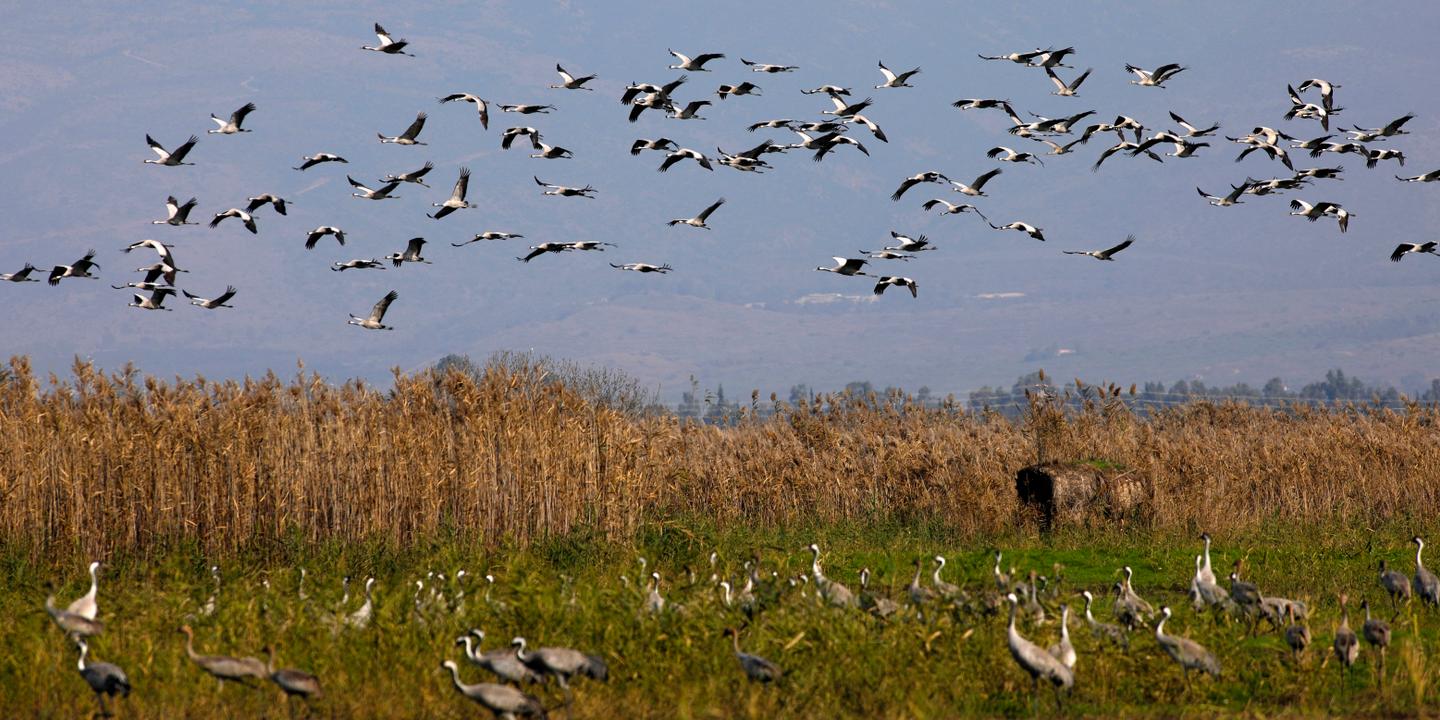
Credit: www.lemonde.fr
Frequently Asked Questions
What Is Bird Migration And Why Does It Happen?
Bird migration is the seasonal movement of birds between breeding and wintering areas. It happens to find better food, climate, and breeding conditions.
How Does Climate Change Affect Bird Migration Patterns?
Climate change alters temperatures and weather, causing birds to migrate earlier or later. It can disrupt food availability and breeding cycles.
Which Bird Species Are Most Impacted By Climate Change?
Arctic and long-distance migratory birds face the greatest impact. They struggle with habitat loss, changing food sources, and timing mismatches.
Can Birds Adapt To Changing Migration Timings?
Some birds can adjust their migration timing, but rapid climate change challenges their ability to adapt quickly enough.
Conclusion
Bird migration faces big changes due to climate shifts. Birds change their routes and timing to survive. These shifts affect ecosystems and human life too. Understanding these changes helps us protect birds better. Small actions by people can make a difference.
Watching and learning about birds connects us with nature. The future of bird migration depends on how we respond today. Let’s stay aware and support efforts to keep bird journeys safe. Nature’s balance depends on these amazing travelers.