

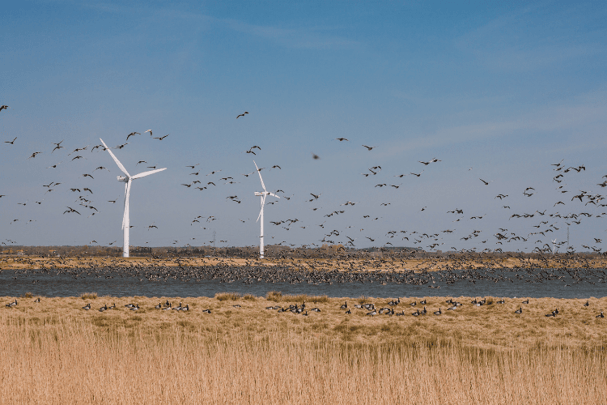
Have you ever wondered what happens when powerful wind turbines stand in the path of migrating birds? Every year, millions of birds travel thousands of miles, guided by instinct and nature’s cues.
But these journeys are becoming more complicated. Bird Migration And Wind Turbines interact in ways that can create unexpected challenges. Wind turbines, while a great source of clean energy, can affect these flying travelers. You’ll discover why Bird Migration And Wind Turbines matter, and what can be done to protect these incredible creatures without slowing down our progress toward renewable energy.
Keep reading to find out how you can be part of the solution.
Bird Migration Patterns
Bird migration is the regular movement of birds between breeding and wintering grounds. These patterns vary by species and region.
Understanding migration helps protect birds and plan for human activities like wind turbine placement.
Seasonal Routes
Birds follow specific routes each season to find food and suitable climates. These routes are often the same every year.
- Spring routes lead birds north to breeding sites
- Fall routes guide birds south to warmer areas
- Some birds use coastal paths to avoid mountains
- Others fly over large bodies of water
Species At Risk
Some bird species face higher risks from wind turbines during migration. These risks vary by species and flight behavior.
| Species | Risk Level | Reason |
| Raptors | High | Fly at turbine height |
| Waterfowl | Medium | Large flock size |
| Songbirds | Low | Lower flight altitudes |
Flight Altitudes
Birds fly at different heights during migration. This affects their chance of encountering wind turbines.
Typical flight altitudes by bird group:
- Small songbirds: 500 to 2,000 feet
- Large birds and raptors: 1,000 to 4,000 feet
- Some waterfowl: below 1,000 feet
Wind Turbine Locations
Wind turbines are placed in areas where wind is strong and steady. Choosing the right location helps produce more energy.
But these locations can affect bird migration. It is important to study where turbines are built.
Common Siting Areas
Wind turbines are usually built in open spaces with good wind flow. These include hills, plains, and coastal areas.
They are often placed far from cities to avoid noise and space problems.
- Hilltops and ridges
- Open plains and farmlands
- Coastal areas and offshore zones
- Desert regions with steady winds
Overlap With Migration Paths
Many birds travel long distances along set routes called migration paths. Some wind farms lie along these paths.
When turbines are near these routes, birds can collide with blades or lose energy avoiding them.
- Major flyways cross coastal and inland areas
- Birds follow rivers, mountains, and valleys
- Some species fly at night, others during the day
- Overlap can increase bird injury risks
Environmental Factors
Weather, landscape, and local wildlife affect where turbines are placed. These factors also impact bird migration.
Strong winds, temperature, and habitat type influence both turbine efficiency and bird behavior.
- Wind speed and direction guide turbine placement
- Bird habitats like wetlands need careful study
- Seasonal changes affect bird routes and numbers
- Environmental studies help reduce harm to birds
Impact On Birds
Bird migration is a natural process where birds travel long distances. Wind turbines are growing in number along migration routes.
This creates concerns about how turbines affect birds during their migration. The impact can be seen in several ways.
Collision Risks
Birds can collide with turbine blades while flying. This is a major cause of bird deaths near wind farms.
Fast-moving blades are hard for birds to see, especially in bad weather or low light.
- Large birds like eagles and hawks are more at risk
- Smaller birds may avoid turbines but can still collide
- Collision risk increases during night migration
Habitat Disruption
Building wind turbines can change bird habitats. Trees and fields may be cleared for turbine sites.
This reduces places where birds rest or feed during migration. Some birds may stop using these areas.
- Loss of nesting sites
- Changes in food availability
- Disturbance of resting spots
Behavioral Changes
Birds may change their flight paths to avoid turbines. This can cause longer journeys and more energy use.
Some species become stressed or confused by turbine noise and movement. This can affect their migration success.
- Altered migration routes
- Increased energy use during flight
- Possible delays in reaching breeding sites
Credit: www.robinradar.com
Challenges In Mitigation
Bird migration and wind turbines create safety concerns for birds. Birds can collide with turbine blades during their long flights.
Stopping these collisions is hard because many factors affect bird movement and turbine operation.
Monitoring Difficulties
Tracking birds near wind turbines is not easy. Birds fly at different heights and times during migration.
Weather conditions and darkness make it harder to see and record bird activity.
- Birds move quickly and unpredictably.
- Night flights reduce visibility.
- Weather can block observation tools.
Technological Limitations
Current technology cannot fully protect birds from turbines. Sensors may miss small or fast birds.
Automatic systems to stop turbines often react too late to prevent collisions.
- Radar and cameras have limited range.
- Detection systems struggle with bad weather.
- Stopping turbines quickly is difficult.
Balancing Energy Needs
Wind turbines produce clean energy but can harm birds. Finding a balance is a key challenge.
Turning turbines off to save birds reduces energy supply. This affects power availability and costs.
- Energy demand is high and constant.
- Stopping turbines lowers clean energy output.
- Solutions must protect birds and keep power steady.
Innovative Solutions
Wind turbines help produce clean energy but can harm migrating birds. Researchers and engineers work to reduce these risks. They develop new methods that protect birds while keeping energy production efficient.
This article explores three key areas where innovation helps solve the conflict between bird migration and wind turbines. Each area uses smart technology and thoughtful planning to make wind farms safer for birds.
Turbine Design Improvements
Changing turbine designs can lower bird collisions. New blades spin slower or have different shapes to make them more visible. Some turbines use colors that birds can see easily to avoid crashes.
- Use of blade painting to increase visibility
- Designing blades that rotate at slower speeds
- Installing fewer turbines in high-risk areas
- Adding physical barriers or deterrents on turbines
Real-time Detection Systems
Technology now tracks birds near turbines in real time. Sensors and cameras detect flocks early. This data can stop turbines temporarily to prevent collisions.
| Technology | Function |
| Radar | Detects bird movement from far away |
| Infrared Cameras | Tracks birds at night or in low light |
| Acoustic Sensors | Identifies bird calls to locate flocks |
| Automated Turbine Shutdown | Stops blades when birds approach |
Strategic Siting And Planning
Choosing the right place for turbines lowers bird risks. Experts study migration routes and bird habitats before building. This careful planning avoids key flying paths.
Factors considered in siting wind turbines:
- Bird migration paths
- Breeding and nesting areas
- Seasonal bird population changes
- Local weather and wind patterns
Policy And Regulation
Bird migration and wind turbines create unique challenges for policy makers. Protecting birds while using wind energy needs clear rules. Governments must balance energy needs with wildlife safety.
Regulations guide how wind farms plan and operate. These rules help reduce harm to migrating birds. They also promote safer technology and better locations.
Environmental Guidelines
Environmental guidelines set standards for wind turbine projects. These rules focus on avoiding bird migration paths. They require studies to check risks before building.
- Assess bird migration routes near proposed sites
- Limit turbine placement in high-risk areas
- Use technology to monitor bird activity
- Set limits on turbine speed and operation during peak migration
Stakeholder Collaboration
Collaboration among stakeholders improves bird protection. Governments, scientists, and energy companies share data and ideas. This teamwork helps create better policies.
| Stakeholder | Role | Contribution |
| Government | Regulator | Sets rules and enforces compliance |
| Scientists | Advisor | Provide research and risk assessments |
| Energy Companies | Implementer | Follow guidelines and invest in technology |
| Conservation Groups | Advocate | Raise awareness and monitor impacts |
Incentives For Bird-friendly Practices
Incentives encourage companies to protect birds. Financial rewards and permits support safer wind projects. These incentives lower risks for migrating birds.
- Tax credits for using bird-safe turbine designs
- Grants for research on bird migration and wind energy
- Faster permit approval for low-impact sites
- Recognition programs for companies with good practices
Future Research Directions
Bird migration and wind turbines interact in complex ways that need careful study. Research can help reduce risks to birds while supporting clean energy.
New tools and methods offer ways to track birds and assess wind turbine impacts over time. Combining energy and conservation goals is key.
Advanced Tracking Technologies
Tracking birds with modern technology can give detailed data on migration paths and behaviors. This helps identify risk areas near turbines.
- Use GPS tags to monitor long-distance flights
- Employ radar systems to detect bird movements in real time
- Develop drones for close-up observation in hard-to-reach places
- Apply machine learning to analyze large tracking data sets
Long-term Impact Studies
Studying bird populations over many years can show how turbines affect survival and reproduction. This helps guide better turbine placement.
| Study Focus | Data Needed | Expected Outcome |
| Population trends | Annual bird counts near turbines | Identify declines linked to turbines |
| Collision rates | Mortality records and carcass searches | Estimate risk and improve turbine design |
| Behavior changes | Flight path tracking before and after turbine installation | Understand avoidance or attraction effects |
Integrating Renewable Energy With Conservation
Future research should explore ways to build wind farms that protect birds. Sharing data and planning together helps reduce harm.
- Map migration routes and avoid critical areas
- Design turbines to minimize bird collisions
- Use seasonal shutdowns during peak migration
- Engage local communities in monitoring efforts

Credit: www.datacenterdynamics.com

Credit: windharvest.com
Frequently Asked Questions
How Do Wind Turbines Affect Bird Migration?
Wind turbines can disrupt bird migration by posing collision risks. Birds may not detect turbine blades, leading to accidents. Additionally, turbines can alter habitats and migratory routes, affecting bird populations. Implementing bird-safe turbine technologies and strategic placement can mitigate these impacts and protect migratory birds.
Why Are Birds Attracted To Wind Turbines?
Birds might be attracted to wind turbines due to their height and resemblance to tall trees. They can serve as perching sites. However, this attraction increases collision risks. Monitoring bird behavior and using deterrents like colored blades can help reduce these risks and protect birds.
What Measures Protect Birds From Wind Turbines?
To protect birds, wind farms use various measures like radar technology to detect approaching flocks. Additionally, implementing turbine shutdowns during peak migration periods and using bird-safe designs are effective strategies. These measures help minimize collisions and ensure safer migratory paths for birds.
Do Wind Turbines Change Bird Migratory Patterns?
Wind turbines can alter bird migratory patterns by creating barriers along traditional routes. Birds may avoid areas with high turbine density, leading to longer migration paths. Understanding these changes is crucial for planning wind farms that minimize disruptions and maintain natural migratory patterns.
Conclusion
Bird migration and wind turbines must work together carefully. Birds face risks flying near turbines. Choosing safe turbine locations helps protect them. Technology can reduce bird collisions with blades. People need to balance clean energy and wildlife safety. Protecting birds ensures nature and energy thrive.
Small changes can make big differences. Every step counts for bird safety and green power.


