Have you ever looked up to the sky and wondered where those birds are going? Bird migration in North America is one of nature’s most amazing events.
Every year, millions of birds travel thousands of miles, facing countless challenges along the way. This incredible journey affects the environment, wildlife, and even you. By understanding bird migration, you’ll see the world around you in a whole new light.
Keep reading to discover the secrets behind these fascinating travelers and how their journeys impact your daily life.
Credit: www.mdpi.com
Migration Routes
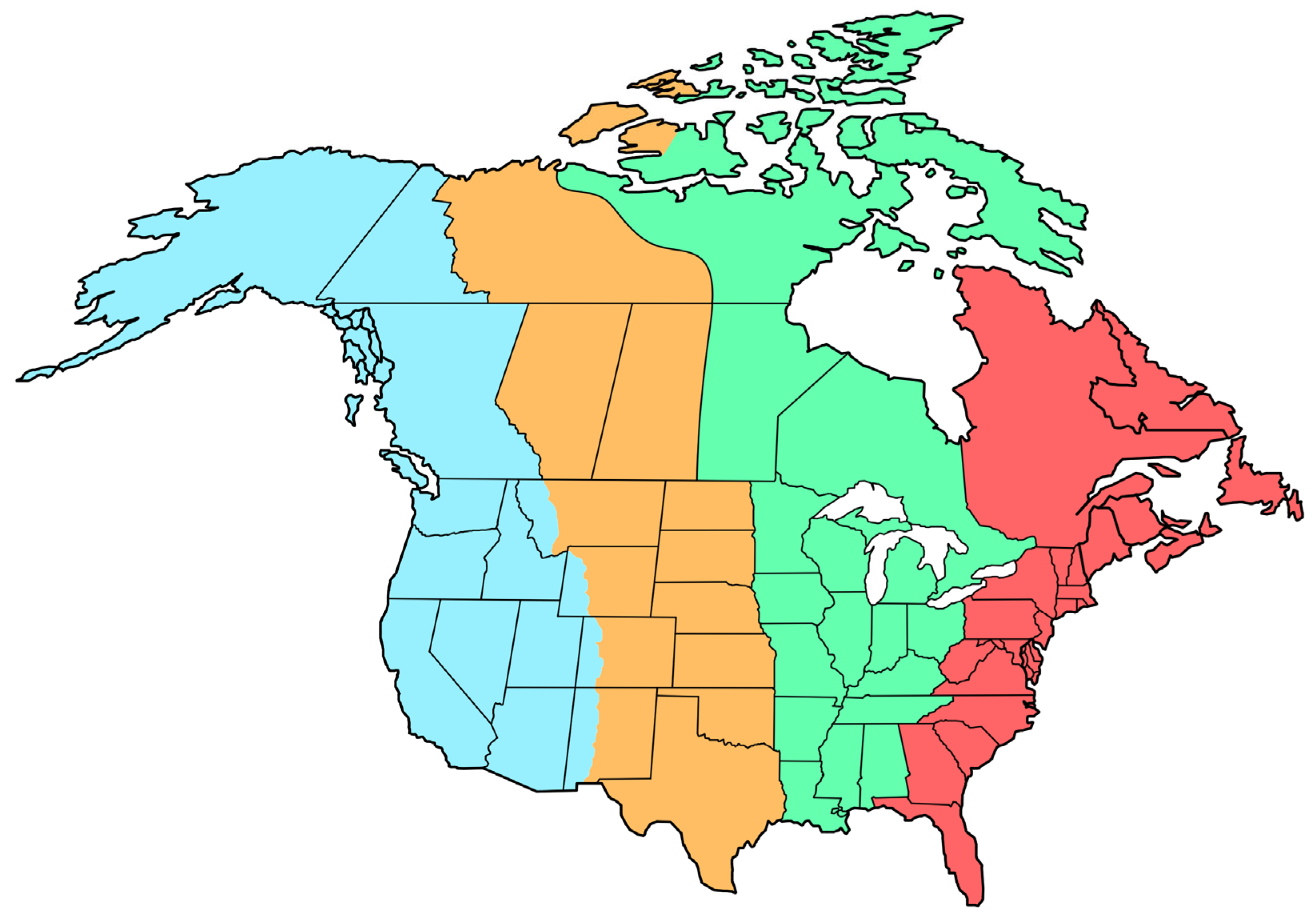
Bird migration in North America follows specific routes across the continent. These routes help birds travel safely between breeding and wintering areas.
Understanding these migration routes is important to protect birds and their habitats along the way.
Major Flyways
Four major flyways guide most migrating birds in North America. These flyways are paths birds use to move north and south.
Each flyway covers a large region and includes many stopover sites where birds rest and feed.
- Atlantic Flyway runs along the East Coast
- Mississippi Flyway follows the Mississippi River
- Central Flyway crosses the Great Plains
- Pacific Flyway stretches down the West Coast
Seasonal Patterns
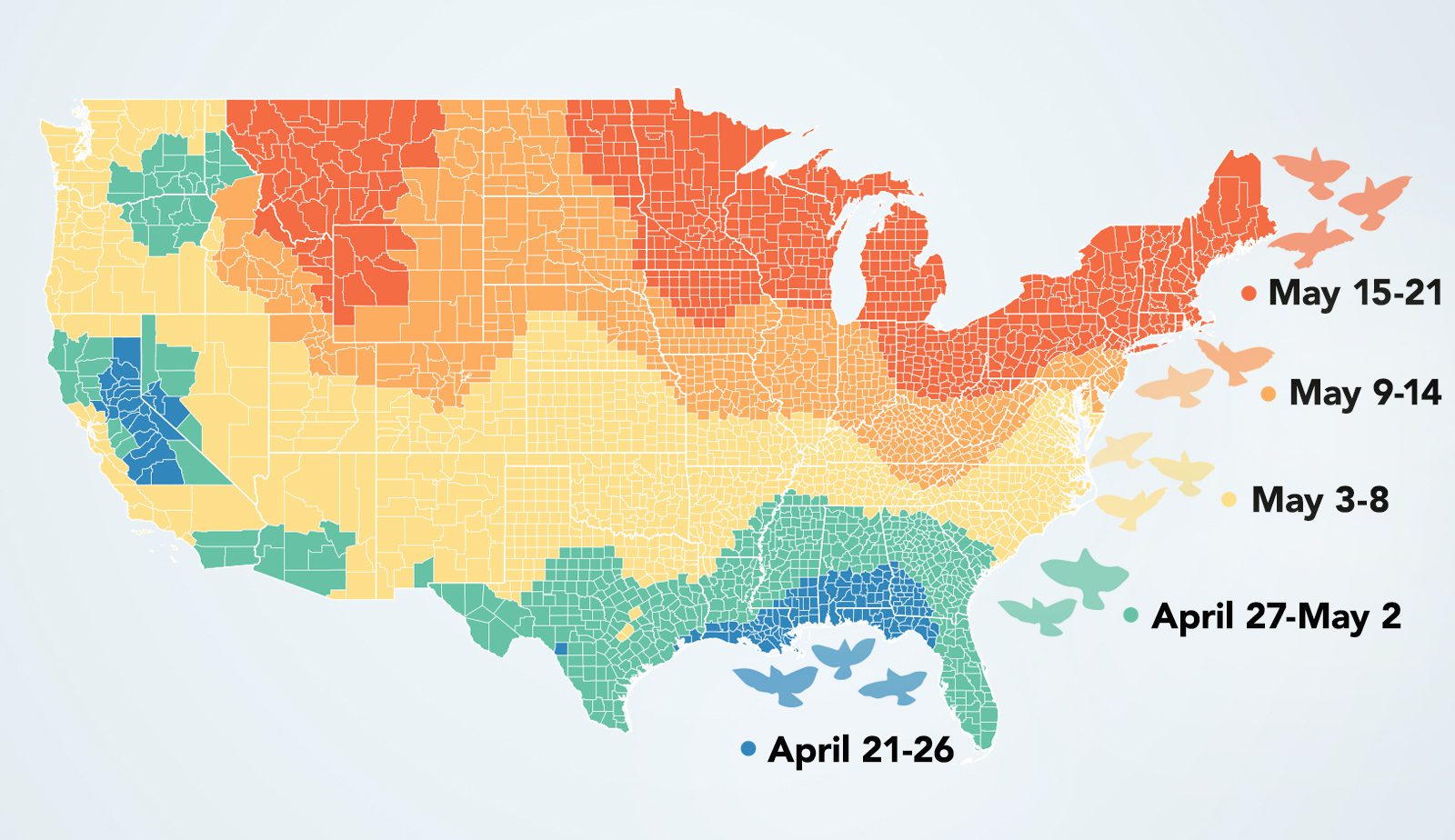
Birds migrate mainly in spring and fall. They move north to breed in spring and south to winter in fall.
Spring migration often happens faster than fall migration. Birds hurry north to find nesting spots and food.
- Spring migration: March to June
- Fall migration: August to November
- Timing varies by species and weather
Geographical Challenges
Birds face many challenges during migration. Mountains, large water bodies, and cities can block or slow their journey.
Birds must find safe places to rest and eat before crossing difficult areas. Bad weather also makes migration harder.
- Mountains require extra energy to cross
- Large lakes and oceans pose risks of exhaustion
- Urban areas reduce natural stopover habitats
- Storms and strong winds can delay travel
Bird Species
Bird migration in North America includes many species. These birds travel different distances each year. Their journeys help them find food and better weather.
Some birds fly thousands of miles, while others stay closer. Each species has unique habits and routes during migration.
Long-distance Travelers
Long-distance travelers fly from North America to Central or South America. They cross oceans and deserts on their journey.
- Ruby-throated Hummingbird flies over the Gulf of Mexico.
- Arctic Tern travels from the Arctic to the Antarctic.
- Swainson’s Hawk migrates to Argentina for winter.
Short-distance Movers
Short-distance movers travel within North America. They often move from northern regions to southern states.
| Species | Summer Range | Winter Range |
| American Robin | Canada and Northern US | Southern US |
| Dark-eyed Junco | Canada and Alaska | Southern US and Mexico |
| Red-tailed Hawk | North US and Canada | South US |
Unique Migrants
Unique migrants have special migration patterns. Some migrate at night or use unusual routes.
Examples of unique migrants:
- The Common Nighthawk migrates at night using stars to navigate.
- The Blackpoll Warbler flies non-stop over the Atlantic Ocean.
- The Sandhill Crane uses specific stopover sites during migration.
Navigation Methods
Birds use different ways to find their path during migration. These methods help them travel long distances safely.
Understanding these navigation methods shows how birds sense the world around them and use natural cues.
Magnetic Sensing
Birds can sense Earth’s magnetic field. This helps them know which direction to fly. Special cells in their bodies act like a compass.
Magnetic sensing works even when the sky is cloudy or dark. It gives birds a steady guide during their journey.
Star Navigation
Birds look at stars to find their way at night. They memorize star patterns and use them to stay on course.
- Birds watch the position of stars near the North Star.
- They use changes in star positions to adjust their direction.
- Star navigation helps birds fly long distances without getting lost.
Landmark Recognition
Birds recognize rivers, mountains, and coastlines to guide their flights. These landmarks act like natural maps.
| Landmark | Benefit |
| Rivers | Show clear paths to follow |
| Mountain Ranges | Help with orientation and altitude |
| Coastlines | Mark edges of continents and water bodies |
Environmental Impact
Bird migration in North America is a natural event that affects many species. It helps birds find food and safe places to live. But changes in the environment are making migration harder.
Understanding the environmental impact on bird migration can help protect these important animals and their habitats.
Climate Change Effects
Climate change changes weather patterns and temperatures. This affects when and where birds migrate. Some birds arrive too early or too late for food and nesting.
- Warmer temperatures shift migration timing.
- Unpredictable storms can harm birds during travel.
- Food sources may disappear or move farther away.
- Some bird species may lose their migration routes.
Habitat Loss
Birds need safe places to rest and feed during migration. Many wetlands and forests are shrinking because of human activities. This loss makes migration more dangerous.
| Habitat Type | Main Threat | Impact on Birds |
| Wetlands | Draining for farming | Fewer stopover sites |
| Forests | Logging and development | Less shelter and food |
| Grasslands | Urban sprawl | Reduced nesting areas |
Human Interference
Human actions can disturb migrating birds. Lights, buildings, and pollution create hazards. Many birds collide with windows or get caught in nets.
Common human threats include:
- Bright city lights confusing birds at night
- Pollution reducing water and air quality
- Hunting and trapping in some areas
- Destruction of nests by people or pets
Conservation Efforts
Bird migration in North America is a vital natural process. Many species travel thousands of miles each year. Conservation efforts help protect these birds during their journeys.
These efforts focus on safe habitats, public support, and scientific research. Protecting birds ensures healthy ecosystems and biodiversity.
Protected Areas
Protected areas are places set aside to keep birds safe. These areas include wildlife refuges, national parks, and reserves. They provide food, shelter, and resting spots during migration.
Many protected areas are located along major flyways. These flyways are routes birds use to travel between breeding and wintering grounds.
- Wetlands offer rich feeding grounds
- Forests provide shelter and nesting spots
- Grasslands support ground-nesting birds
- Coastal areas serve as stopover sites
Community Involvement
Communities play a big role in bird conservation. Local groups help protect habitats and raise awareness. They also create bird-friendly environments in cities and towns.
People join efforts like planting native trees, reducing window collisions, and keeping cats indoors. Schools and volunteers organize bird counts and clean-up events.
- Citizen science projects track bird populations
- Educational programs teach about migration
- Habitat restoration improves local bird homes
- Advocacy supports wildlife-friendly policies
Research And Monitoring
Scientists study bird migration to learn how to protect species better. They use tools like GPS trackers and radar to follow bird movements. Monitoring helps spot changes in migration patterns.
Research shows how climate change and habitat loss affect birds. This information guides conservation plans and policy decisions.
- Banding birds to track individual journeys
- Using satellite data to map flyways
- Counting birds during migration seasons
- Studying food availability and habitat quality
Credit: www.allaboutbirds.org
Technological Advances
Technology helps scientists learn about bird migration in North America. New tools track birds’ routes and behavior.
These advances give more data than before. They help protect birds and understand their patterns better.
Tracking Devices
Small tracking devices attach to birds to follow their journeys. GPS tags and geolocators are common tools.
- GPS tags send real-time location data.
- Geolocators record light levels to estimate location.
- Radio transmitters allow tracking over short distances.
- Motus towers detect signals from tagged birds.
Data Analysis
Scientists use computers to analyze bird movement data. This helps find migration paths and stopover sites.
| Type of Data | Use |
| Location | Track routes and distances |
| Timing | Understand migration schedules |
| Altitude | Study flying height |
| Speed | Measure flight speed |
Citizen Science
People help by reporting bird sightings. Their data adds to scientific studies and maps migration trends.
- Use apps to log bird observations.
- Join local birdwatching groups.
- Share photos and locations online.
- Attend bird counts and events.

Credit: www.shutterbisonphotography.com
Frequently Asked Questions
What Is Bird Migration in North America?
Bird migration in North America is the seasonal movement of birds. They travel between breeding and wintering grounds for food and climate.
Why Do Birds Migrate Across North America?
Birds migrate to find better food sources and favorable climates. This helps them survive harsh winters and raise their young in spring.
When Do Most North American Birds Migrate?
Most birds migrate during spring and fall. Spring migration leads to breeding areas, while fall migration returns them to winter habitats.
How Do Birds Navigate During Migration?
Birds use the sun, stars, Earth’s magnetic field, and landmarks. These help them maintain direction and reach their destinations accurately.
Conclusion
Bird migration in North America is a fascinating natural event. Birds travel thousands of miles to find food and safe places. Their journeys show strength and teamwork. Watching these migrations helps us learn about nature. Protecting bird habitats ensures they can continue their trips.
Every season brings new arrivals and departures in the sky. These patterns remind us how connected all living things are. Paying attention to bird migration brings joy and understanding. Nature’s rhythm moves with the wings of these incredible travelers.