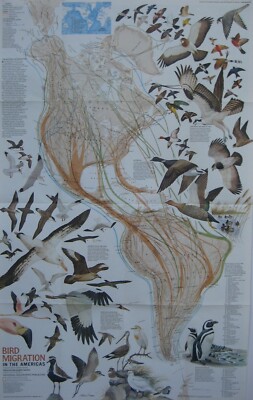
Have you ever marveled at the sheer wonder of bird migration across continents? In South America, this awe-inspiring spectacle unfolds with an incredible display of endurance and navigation.
Imagine thousands of birds, each with their own journey, moving in perfect harmony across the skies. It’s not just a natural phenomenon; it’s a captivating story of survival and instinct. As you delve deeper into this article, you’ll uncover the secrets of how these feathered travelers navigate vast distances, the challenges they face, and why South America is a key player in this global journey.
Stay with us, and discover the hidden wonders of bird migration that might just change the way you see the skies above you.
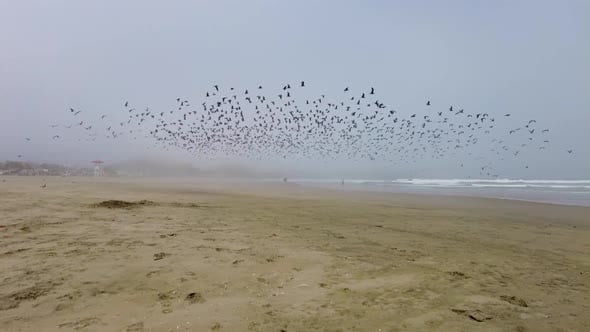
Credit: videohive.net
Migration Patterns
Bird migration in South America shows many unique patterns. Different species travel to find food and better climates.
Understanding these patterns helps us protect birds during their long journeys.
Seasonal Movements
Birds in South America move mostly with the seasons. Many go north in the winter to find warmer weather.
During spring and summer, they return south to breed and raise their young.
- Winter migration to tropical lowlands
- Spring return for breeding in temperate zones
- Some species move shorter distances within the continent
Major Flyways
South America has several main flyways used by migrating birds. These routes follow rivers, coasts, and mountain chains.
Birds use these flyways to avoid difficult terrain and find food and resting spots.
- Atlantic Flyway along the east coast
- Pacific Flyway along the west coast
- Amazon River Flyway through the rainforest
- Andean Flyway along the mountain range
Common Routes
Many birds follow common routes during migration to stay safe and find resources. These routes connect feeding and breeding areas.
Some species travel from Argentina to Venezuela, while others move between the Amazon and southern Brazil.
| Route | From | To | Bird Species |
|---|---|---|---|
| East Coast | Argentina | Brazil | Swallow, Sandpiper |
| Amazon Basin | Peru | Brazil | Parrot, Tanager |
| Andes Mountains | Chile | Colombia | Hummingbird, Condor |
Key Species
Bird migration in South America involves many species traveling long distances. These birds move between breeding and feeding areas each year.
Understanding key species helps us learn about their habits and how to protect them.
Iconic Migratory Birds
Some birds are well known for their migration journeys in South America. They travel thousands of miles across countries and habitats.
Examples include the Swallow, the Bobolink, and the Southern Lapwing. These birds show amazing endurance and navigation skills.
- Swallow: Flies from North America to southern South America.
- Bobolink: Travels from North America to Argentina and Chile.
- Southern Lapwing: Moves within South America for breeding seasons.
Endangered Travelers
Some migratory birds in South America face threats like habitat loss and climate change. These threats make their journeys harder.
Birds like the Yellow-billed Cotinga and the Eskimo Curlew are at risk. Protecting their routes is important for their survival.
- Yellow-billed Cotinga: Lives in the Amazon but is endangered.
- Eskimo Curlew: Very rare, possibly extinct due to hunting.
- Black Skimmer: Faces threats from pollution and habitat changes.
Unique Adaptations
South American migratory birds have special traits. These help them survive long flights and different climates.
Some adapt by changing their body fat or flying at night. These changes save energy and avoid predators.
- Fat storage: Birds build fat to fuel long trips.
- Nocturnal flight: Flying at night reduces heat and danger.
- Navigation skills: Using stars and Earth’s magnetic field.
Environmental Factors
Bird migration in South America depends on many environmental factors. These factors affect when and where birds travel each year. Understanding them helps us see how birds survive and adapt.
This article focuses on three key factors: climate influence, habitat changes, and food availability. Each one plays a role in shaping migration patterns.
Climate Influence
Climate affects bird migration by changing temperatures and weather patterns. Birds often move to warmer areas during cold seasons and return when it gets warmer. Rainfall and storms can also change flight routes.
Changes in climate can cause birds to arrive earlier or later at their destinations. Some birds may even change their usual paths to find better conditions.
Habitat Changes
Birds rely on specific habitats for nesting and resting during migration. When habitats change, birds must adapt or find new places. Deforestation and urban growth reduce safe areas for birds.
- Loss of wetlands reduces resting spots
- Forest clearing removes nesting sites
- Urban areas create barriers to flight paths
- Protected areas help maintain habitat quality
Food Availability
Birds need enough food to fuel their long journeys. The availability of fruits, insects, and seeds changes with seasons and locations. Birds time their migration to match food peaks.
| Food Type | Common Sources | Migration Impact |
| Fruits | Figs, berries | Supports energy for long flights |
| Insects | Beetles, caterpillars | High protein for growth and repair |
| Seeds | Grass seeds, grains | Important in dry seasons |
Challenges Faced
Bird migration in South America is a long and difficult journey. Birds face many problems as they travel between their breeding and wintering areas.
These challenges can affect their survival and the success of their migration. Understanding these issues helps protect these birds better.
Predators And Threats
Birds face many natural predators during migration. Hawks, falcons, and other birds of prey often hunt them in flight. Nesting birds can also be attacked by snakes and mammals.
Besides predators, birds face threats like bad weather and loss of resting places. Storms and strong winds can tire them or cause injury. Without safe places to rest, birds cannot refuel for the next part of their trip.
Human Impact
Human actions cause many problems for migrating birds. Deforestation removes forests that birds use for food and shelter. Cities and roads break up their routes and make travel harder.
Pollution and hunting also harm birds. Lights from buildings can confuse birds at night. Birds can be caught by hunters or get sick from polluted water and air.
- Deforestation reduces bird habitats
- Urban areas block migration paths
- Pollution harms bird health
- Hunting decreases bird numbers
Conservation Efforts
Many groups work to protect migrating birds in South America. They create safe areas where birds can rest and feed. These protected zones help birds survive their long trips.
Education and laws also help. People learn why birds are important. Laws stop hunting and reduce habitat destruction. These efforts aim to keep bird migration safe and strong.
Tracking Techniques
Bird migration in South America is studied using many tracking methods. These methods help scientists learn where birds fly and why.
Tracking techniques give useful data on bird paths, stop points, and timing. This helps protect important habitats.
Satellite Monitoring
Satellite monitoring uses small transmitters attached to birds. These devices send signals to satellites. Scientists use this data to see long routes birds take.
This method works well for large birds that can carry the devices. It shows exact flight paths and rest stops.
Banding And Tagging
Banding means putting a small ring on a bird’s leg. Each ring has a unique number. Tagging uses different types of markers.
- Birds are caught safely to attach bands or tags.
- Scientists record where and when birds are banded.
- If the bird is caught again, data helps track its movement.
This method is low cost and helps track many birds over time.
Citizen Science
Citizen science invites people to report bird sightings. This adds many data points across large areas.
| Citizen Science Benefits | Description |
|---|---|
| Wide Coverage | Bird watchers report from many locations |
| Cost Effective | Uses volunteers instead of expensive equipment |
| Real-Time Data | Reports come in as birds move |

Credit: www.ebay.com
Cultural Significance
Bird migration in South America shapes many cultural stories and practices. People have observed these movements for centuries.
Communities connect with the birds through rituals, tourism, and learning programs. These help keep traditions alive and teach respect for nature.
Local Traditions
Many South American groups celebrate bird migration with festivals. These events honor the arrival or departure of specific birds.
- Storytelling about birds and their journeys
- Crafting items inspired by migrating birds
- Music and dance performances symbolizing flight
- Seasonal meals using local ingredients
Ecotourism Opportunities
Bird migration attracts visitors from around the world. Ecotourism helps local economies and spreads awareness.
| Activity | Location | Best Time |
| Birdwatching tours | Patagonia | Spring |
| Photography workshops | Amazon Basin | Fall |
| Guided hikes | Andes Mountains | Summer |
Educational Programs
Schools and nature centers teach about bird migration. They show how birds impact ecosystems and cultures.
- Workshops for children on bird species
- Community talks about migration patterns
- Interactive exhibits with bird sounds and maps

Credit: nationalzoo.si.edu
Frequently Asked Questions
What Are The Main Bird Migration Routes In South America?
South America’s main bird migration routes include the Andes, Amazon Basin, and coastal regions. Birds use these paths to access breeding and feeding grounds seasonally.
Which Bird Species Commonly Migrate Across South America?
Common migratory birds in South America include Swainson’s Hawk, Bobolink, and the Scarlet Tanager. These species travel vast distances between North and South America.
When Does Bird Migration Typically Occur In South America?
Bird migration in South America usually happens during spring and fall. These seasons offer optimal weather and food availability for traveling birds.
Why Do Birds Migrate Through South America?
Birds migrate through South America to find better climates and food resources. Migration supports survival and breeding success in changing environments.
Conclusion
Bird migration in South America shows nature’s great journey. Many birds travel thousands of miles every year. They follow routes shaped by weather and food. Watching these migrations helps us understand birds better. Protecting their habitats is very important. Migrating birds face many challenges along the way.
We can all help by supporting conservation efforts. This amazing natural event connects many countries and ecosystems. It reminds us how life depends on balance. Bird migration is a story of strength and survival.