Have you ever wondered how scientists keep track of bird nests without disturbing the birds? Bird nest monitoring projects are the secret behind protecting these delicate homes.
By watching nests closely, you can help ensure baby birds grow up safe and strong. This article will show you how these projects work and why your involvement matters more than you think. Keep reading to discover how you can make a real difference in the world of birds.
Choosing The Right Site
Choosing the right site is key for bird nest monitoring projects. The site must support the birds and their needs. Careful selection helps ensure better data and bird safety.
Look closely at the environment and the types of birds you expect. This helps you pick a spot where nests are likely to be found and studied safely.
Identifying Bird Species
Knowing which bird species live in an area helps choose the best monitoring sites. Different birds prefer different habitats and nesting spots.
- Research local bird guides or use apps to identify species.
- Observe birds’ behaviors and listen to their calls.
- Note the size and shape of nests you find.
- Record the time of year and bird activity patterns.
Assessing Habitat Conditions
Good habitat conditions support healthy bird populations and nests. Check key factors before setting up your project.
| Habitat Factor | What to Check |
| Vegetation | Type, density, and height of plants |
| Food Sources | Availability of seeds, insects, or fruits |
| Water | Nearby water sources like ponds or streams |
| Predators | Signs of animals that may threaten nests |
| Human Activity | Level of disturbance from people or pets |
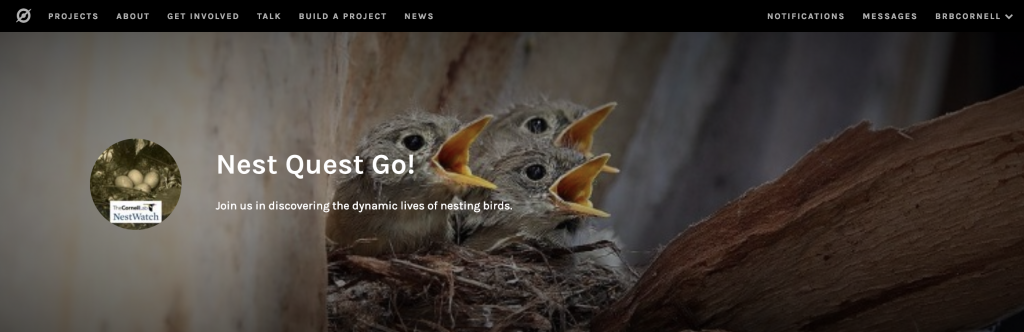
Credit: nestwatch.org
Essential Equipment
Bird nest monitoring requires specific tools to observe and record data effectively. Using the right equipment helps protect nests and collect accurate information.
Choosing suitable gear makes fieldwork easier and safer for both birds and researchers. Below are key categories of equipment needed for nest monitoring.
Cameras And Binoculars
Cameras and binoculars allow close observation without disturbing the birds. They help monitor nest activity and bird behavior from a distance.
- Binoculars with 8x to 10x magnification for clear viewing
- Digital cameras with zoom lenses to capture nest details
- Trail cameras for continuous monitoring without human presence
- Tripods to stabilize cameras during long observation periods
Data Recording Tools
Recording data properly is crucial for tracking nest success and bird health. Use reliable tools to note observations and measurements.
| Tool | Purpose | Example |
| Notebooks | Write field notes and observations | Waterproof notebook |
| GPS Device | Mark nest locations accurately | Handheld GPS unit |
| Voice Recorder | Record verbal observations quickly | Portable digital recorder |
| Mobile Apps | Input data and photos digitally | Bird monitoring apps |
Timing And Frequency
Bird nest monitoring helps track bird growth and safety. Choosing the right time and how often to check is very important.
Checking nests too much can disturb birds. Checking too little may miss key changes. Balance is key for good monitoring.
Best Monitoring Periods
Start monitoring when birds lay eggs. This is the best time to see nesting behavior. Continue until chicks leave the nest.
Early morning or late afternoon are good times to check nests. Birds are less active and less stressed then.
- Begin monitoring at egg laying
- Check during incubation and hatching
- Stop after chicks fledge (leave nest)
- Choose calm times of day: morning or afternoon
Regular Check Intervals
Visit nests every 3 to 5 days. This keeps disturbance low and gets enough information on nest progress.
If nests show problems, increase checks to every 1 or 2 days. Otherwise, keep a steady but gentle schedule.
- Check nests every 3–5 days for normal progress
- Increase checks to every 1–2 days if needed
- Limit visits to reduce stress on birds
Minimizing Disturbance
Monitoring bird nests is important for understanding bird behavior and protecting species. It is essential to minimize disturbance during these projects to avoid harming the birds.
Careful methods help keep birds safe and reduce stress. Researchers must be gentle and quiet near nests.
Approach Techniques
Approach nests slowly and quietly. Avoid sudden movements that may scare the birds. Stay low to the ground if possible.
- Walk softly to avoid noise
- Use natural cover to hide your presence
- Limit the time spent near the nest
- Observe from a distance with binoculars
Handling Nests Carefully
Only handle nests when absolutely necessary. Use clean hands or gloves to avoid transferring scents or bacteria. Be gentle to avoid damaging the nest.
| Handling Step | Best Practice |
| Touching the Nest | Use gloves or clean hands |
| Moving the Nest | Support the base carefully |
| Replacing the Nest | Put it back exactly where found |
| Time Limit | Handle quickly and calmly |
Data Collection Methods
Collecting accurate data is key in bird nest monitoring projects. It helps track bird behavior and nest success.
Different methods make observation easier and more precise. These methods range from simple notes to advanced tools.
Recording Observations
Observers note details like nest location, number of eggs, and bird activity. Regular visits help track changes over time.
- Write down date and time of each visit
- Count eggs or chicks in the nest
- Note bird species and behavior
- Record weather conditions
- Take photos for visual records
Using Technology For Accuracy
Technology improves data quality and reduces errors. Tools like GPS and cameras make tracking easier and more reliable.
| Tool | Purpose | Benefit |
| GPS Device | Mark nest location | Accurate mapping |
| Trail Camera | Record bird activity | Non-intrusive monitoring |
| Mobile App | Log data digitally | Faster data entry |
| Binoculars | Observe from a distance | Less disturbance |
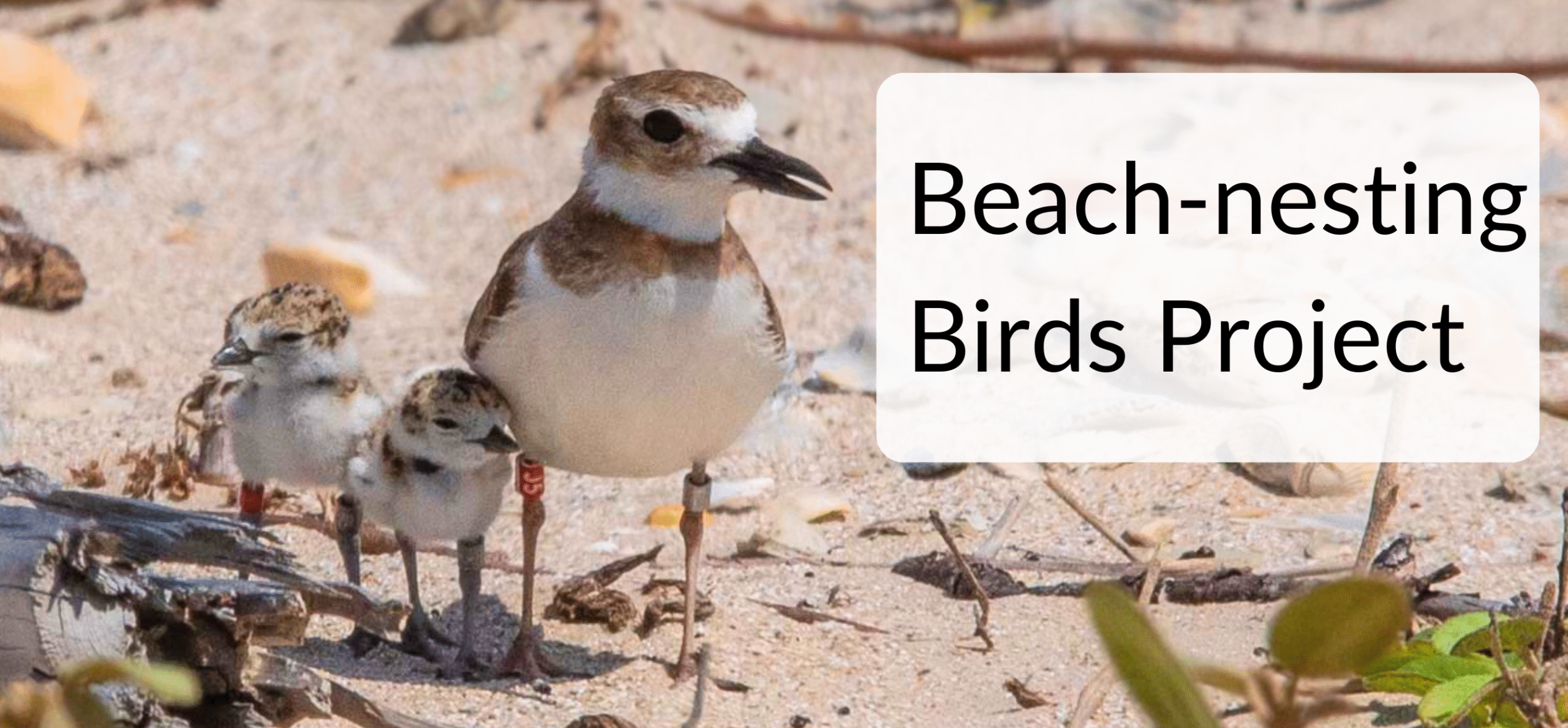
Credit: www.gcbo.org
Safety Considerations
Bird nest monitoring projects involve working outdoors in natural settings. Safety is important for people and birds. Careful planning helps prevent accidents and stress.
Understanding safety rules protects both researchers and wildlife. Following these rules leads to successful and responsible monitoring.
Personal Safety In The Field
Fieldwork can have risks like rough terrain, weather changes, and insects. Always prepare to stay safe. Dress properly and bring needed supplies.
Keep communication devices and a first aid kit ready. Know the area and any local hazards. Work with a partner if possible for extra safety.
- Wear sturdy shoes and weather-appropriate clothes
- Carry water and snacks to stay hydrated and energized
- Use insect repellent to avoid bites
- Inform someone about your field location and time
- Check weather forecasts before going out
- Bring a first aid kit for emergencies
Protecting Bird Welfare
Bird welfare is a top priority during nest monitoring. Avoid disturbing the birds or their habitat. Keep visits short and quiet to reduce stress.
Handle nests and eggs only when necessary. Use gloves and tools to limit contact. Follow local wildlife laws and ethical guidelines strictly.
- Approach nests slowly and calmly
- Limit the number of visits to the nest
- Do not touch chicks or eggs unless required
- Use non-invasive methods for observation
- Record data quickly to minimize time near birds
- Report any signs of distress or damage to authorities
Collaborating With Experts
Bird nest monitoring projects help protect wild birds. Working with experts makes these projects stronger and safer.
Experts share knowledge and tools to watch nests without harm. They guide volunteers and improve data quality.
Joining Local Groups
Local birdwatching or conservation groups have skilled members. They offer training and support for nest monitoring.
Groups organize walks and meetings. This helps you learn how to find and record bird nests correctly.
- Meet experienced bird watchers
- Learn local bird habits and nest locations
- Share your findings with others
- Get advice on handling nests safely
Consulting Ornithologists
Ornithologists study birds and their behaviors. They can answer questions about nests and bird species.
Consulting these experts improves your monitoring methods. They help interpret data and suggest best practices.
- Ask about local bird species
- Get tips on nest checking without disturbing birds
- Learn how to record data accurately
- Understand bird breeding cycles
Analyzing And Sharing Data
Bird nest monitoring projects collect important data about bird habits and safety. Analyzing this data helps us understand bird behavior and threats.
Sharing data with researchers and the public supports bird protection efforts worldwide. Clear data helps make better decisions for conservation.
Organizing Findings
Organizing data makes it easier to see trends and changes in bird nesting. This includes dates, locations, and nest success rates.
Use spreadsheets or databases to keep information clear and searchable. Label data with simple categories like species and nest status.
- Record nest location with GPS coordinates
- Note the number of eggs and hatchlings
- Track dates for laying, hatching, and fledging
- Mark any threats or disturbances observed
Contributing To Conservation
Sharing data with conservation groups helps protect bird populations. It guides actions like habitat protection and predator control.
Public data also raises awareness about bird needs. Volunteers and scientists can use this information to support local and global efforts.
- Submit data to bird monitoring networks
- Provide reports to local wildlife agencies
- Join citizen science projects
- Share findings through community talks or blogs
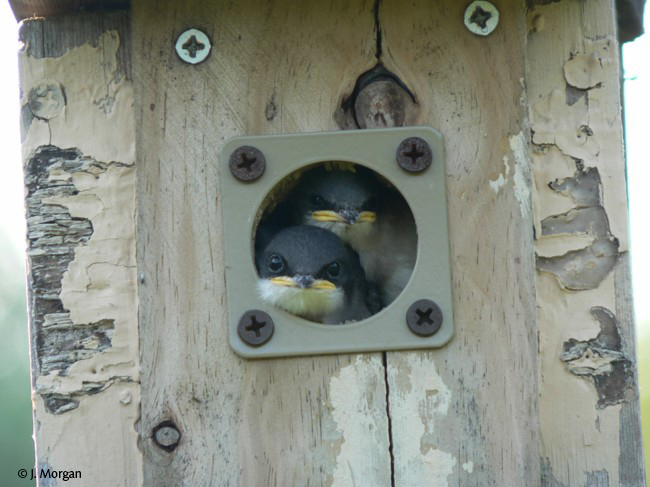
Credit: feederwatch.org
Frequently Asked Questions
What Is The Purpose Of Bird Nest Monitoring Projects?
Bird nest monitoring projects track bird reproduction and survival rates. They help scientists understand bird population health and habitat quality. This data guides conservation efforts to protect endangered species and maintain biodiversity. Monitoring nests also reveals environmental changes affecting birds.
How Do Bird Nest Monitoring Projects Benefit Conservation?
These projects provide critical data on bird breeding success and threats. They identify habitat loss, climate impact, and predator effects on nests. Conservationists use this information to create targeted protection plans. This improves bird survival chances and supports ecosystem balance.
Who Can Participate In Bird Nest Monitoring Projects?
Anyone interested can join, including students, bird watchers, and volunteers. Training is often provided to ensure safe and accurate data collection. Citizen scientists contribute valuable information that supports large-scale research and conservation efforts worldwide.
What Tools Are Used In Bird Nest Monitoring?
Common tools include binoculars, cameras, GPS devices, and data sheets. Remote cameras help observe nests without disturbing birds. GPS tracks nest locations for study and protection. Digital tools streamline data recording and analysis.
Conclusion
Bird nest monitoring projects offer valuable insights into avian life. They help protect bird species and their habitats. Volunteers and technology play key roles in these projects. Anyone can join and make a difference. Every observation counts. Birds’ lives are fascinating and deserve our attention.
Monitoring helps us understand environmental changes too. It is a rewarding experience for nature lovers. Participate and contribute to bird conservation efforts. Together, we can ensure a better future for birds. Let’s protect these wonderful creatures and their homes. Your involvement matters.
Join a project today and make an impact.