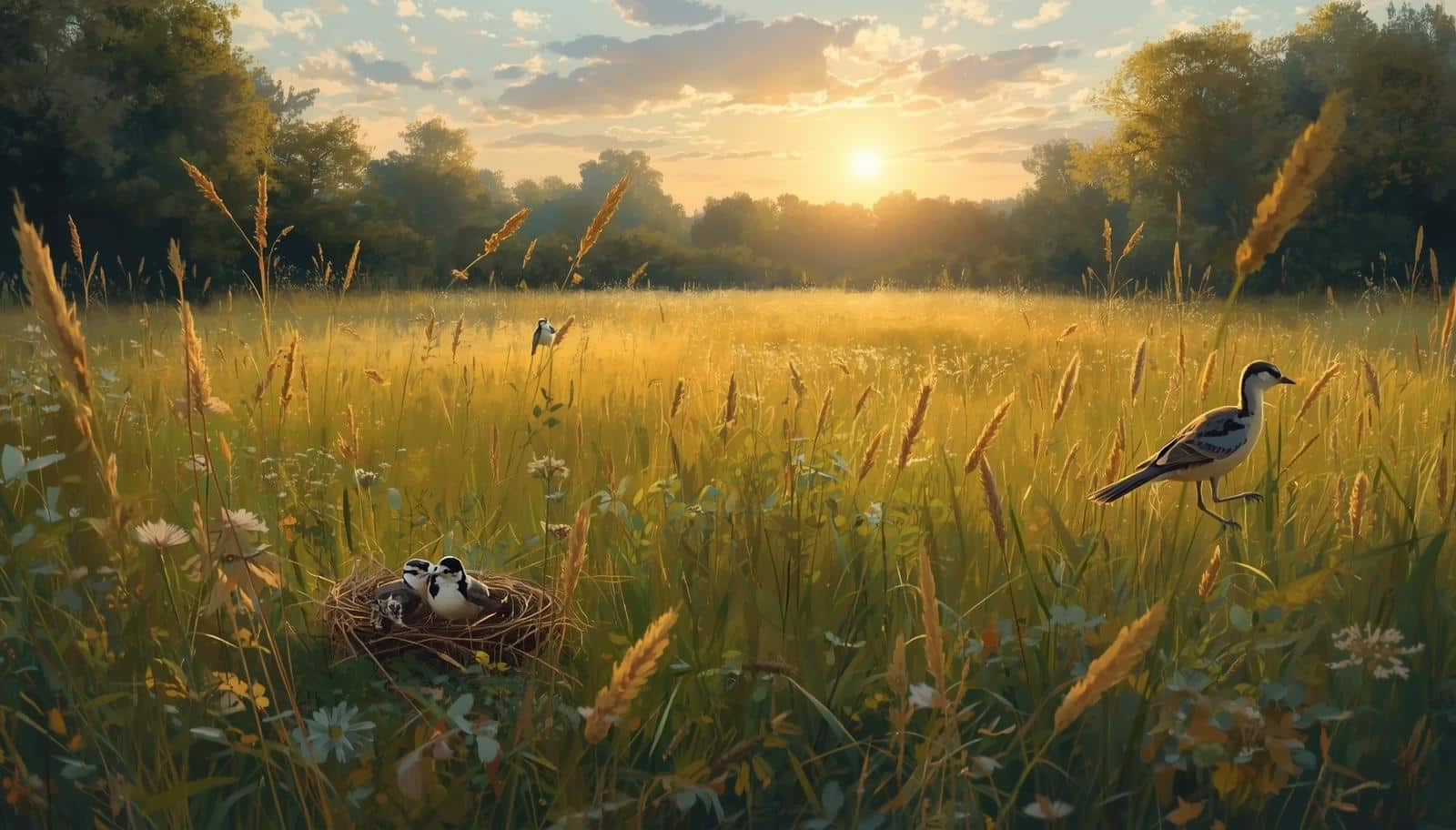
Have you ever stopped to think about how a tiny bird’s nest can hold the key to a healthy environment? Bird nesting isn’t just about birds finding a safe place to raise their young—it’s a vital part of nature’s balance.
When you understand the connection between bird nesting and biodiversity, you’ll see how your actions can help protect the delicate web of life around you. Keep reading, and discover why these small nests matter more than you might think—and how you can make a real difference.

Credit: www.allaboutbirds.org
Bird Nesting Basics
Bird nesting is an important part of nature. Birds build nests to lay eggs and raise their young safely.
Nests come in many shapes and sizes. They reflect the bird’s needs and the environment.
Types Of Bird Nests
Birds create different types of nests depending on their species. Some nests are simple, while others are complex.
- Cup nests – shaped like a cup and common in many songbirds
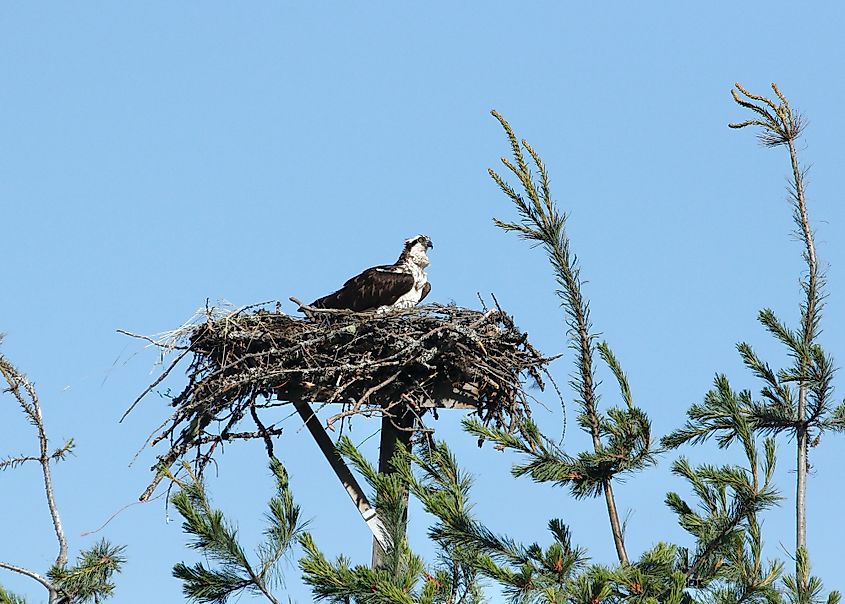
- Platform nests – flat and large, often made by eagles or storks
- Burrow nests – dug into the ground or riverbanks
- Scrape nests – shallow depressions on the ground
- Pendulous nests – hanging nests made with woven materials
Materials Used In Nest Building
Birds use many materials to build nests. They choose what is easy to find and good for protection.
| Material | Purpose |
| Twigs and sticks | Structure and support |
| Leaves and grass | Soft lining |
| Feathers | Warmth and comfort |
| Mud | Strengthen walls |
| Spider silk | Hold materials together |
Nest Locations And Habitats
Birds build nests in many places. The location helps keep the nest safe from predators.
Common nest locations include:
- Trees and shrubs
- Cliffs and rocky areas
- Buildings and man-made structures
- Ground covered by plants
- Inside tree holes or cavities
Credit: www.worldatlas.com
Nesting And Ecosystem Health
Bird nesting is a vital part of nature. It helps keep ecosystems strong and balanced. Birds build nests to lay eggs and raise chicks. These nests show us how healthy the environment is.
When birds find good places to nest, it means the area supports life. Studying nests helps scientists learn about the health of forests, wetlands, and fields.
Role Of Birds In Biodiversity
Birds help many plants and animals survive. They spread seeds and control insects. Their actions support many living things in an area. This makes ecosystems rich and varied.
- Seed dispersal helps plants grow in new places.
- Birds eat insects that can harm crops and trees.
- Nesting birds provide food for other animals.
- Birds create habitats by building nests in trees and shrubs.
Nesting Patterns Reflecting Environmental Changes
Birds change where and how they nest when the environment changes. This can show if the climate is warming or if forests are shrinking. Some birds nest earlier or move to new places.
| Environmental Change | Nesting Pattern Change |
| Warmer temperatures | Earlier nesting in spring |
| Deforestation | Fewer nests in old forests |
| Urban growth | More nests in buildings and parks |
| Pollution | Lower nest success rates |
Birds As Indicators Of Ecosystem Balance
Birds are good signs of ecosystem health. If many birds nest and raise young, the ecosystem is balanced. If bird numbers drop, the area might have problems.
Signs birds give about ecosystem health:
- High nest success means good food and shelter.
- Low bird diversity may show pollution or habitat loss.
- Changes in bird species show shifts in the environment.
Nesting Behavior And Species Survival
Bird nesting behavior plays a key role in the survival of many species. Birds build nests to protect their eggs and young from threats. The way they care for their nests affects their chances of survival.
Understanding nesting helps us see how birds adapt to their environment. It also shows how important parents are in raising young birds safely.
Parental Care Strategies
Birds use many methods to care for their young. Some feed their chicks often, while others keep them warm. Both parents may share these duties or only one parent may take care of the young.
- Feeding chicks regularly to ensure growth
- Keeping eggs and chicks warm with body heat
- Teaching young birds to fly and find food
- Protecting young from harsh weather
- Cleaning the nest to avoid disease
Nest Protection And Predation
Bird nests face many dangers from predators. Birds use different ways to protect their nests. Some build nests in hidden places. Others use strong materials to make nests hard to enter.
| Protection Method | Description |
| Camouflage | Nests blend with surroundings to avoid detection |
| Hidden Locations | Nests placed in thick bushes or high trees |
| Guarding | Parents stay near to scare off predators |
| Strong Materials | Nests built with sticks and mud for durability |
Impact Of Nesting Success On Populations
Successful nesting leads to more young birds surviving to adulthood. This helps keep bird populations stable or growing. Poor nesting success can cause population decline.
Key factors that affect nesting success:
- Availability of safe nesting sites
- Food supply for parents and chicks
- Predator pressure around the nest
- Weather conditions during breeding season
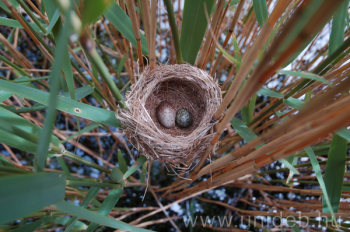
Credit: study-in-hungary.com
Human Impact On Bird Nesting
Birds build nests to lay eggs and raise their young. Human activities affect these nesting sites in many ways. This impact can harm bird populations and reduce biodiversity.
Understanding how humans change bird nesting helps us protect birds and their habitats better. It is important to know the challenges birds face from human actions.
Habitat Loss And Fragmentation
Cutting down trees and clearing land removes places where birds can build nests. This loss of habitat makes it hard for many bird species to survive.
Fragmentation breaks large natural areas into smaller pieces. Birds find it difficult to move between these small patches. This limits their nesting options and food sources.
- Deforestation destroys nesting trees
- Farms and roads divide habitats
- Smaller habitats reduce bird survival
Urbanization Effects On Nesting
Building cities changes natural areas into streets and buildings. Birds lose many safe places to nest. Some birds try to adapt by nesting in new spots like roofs and parks.
Urban noise and lights can disturb birds during nesting. Predators like cats and rats are more common in cities. These factors lower the chance of young birds surviving.
- Loss of natural nesting sites
- Increased predators near nests
- Light and noise disturb birds
Conservation Efforts And Nest Protection
People work to save bird nests by protecting habitats and creating safe areas. Conservation helps birds find places to build nests without threats.
Some efforts include planting trees, building nest boxes, and controlling predators. These actions support bird survival and increase biodiversity.
- Protecting forests and wetlands
- Installing nest boxes for birds
- Reducing predators near nests
- Raising awareness about bird needs
Technological Advances In Nesting Research
Bird nesting research helps us understand bird behavior and habitats. Technology makes this research easier and more accurate.
New tools allow scientists to collect better data without disturbing birds. These advances improve our knowledge of biodiversity.
Use Of Drones And Cameras
Drones help researchers reach bird nests in hard-to-access places. They capture photos and videos without bothering the birds.
Small cameras placed near nests record bird behavior over time. This gives detailed information on feeding and breeding habits.
- Drones provide aerial views of nesting sites
- Remote cameras record nest activity day and night
- Less human disturbance near nests
Data Collection And Analysis
Technology helps gather large amounts of data on bird nesting. Sensors and apps track temperature, humidity, and nest conditions.
Computer software analyzes data quickly. It finds patterns in bird behavior and environmental factors affecting nests.
- Automated data recording reduces errors
- Software detects trends in nesting success
- Data helps protect endangered species
Citizen Science Contributions
Many people help scientists by reporting bird nests in their area. This citizen science adds valuable data from many locations.
Apps and websites make it easy to share photos and nest observations. This crowdsourced data supports large-scale studies.
- Public reports increase data coverage
- Encourages community involvement in conservation
- Supports monitoring of rare species
Future Directions In Nesting And Biodiversity
Bird nesting plays a key role in maintaining biodiversity. Protecting nests helps many species survive and thrive.
Scientists and conservationists seek new ways to support nesting habitats. These efforts will shape the future of biodiversity.
Restoration Of Nesting Habitats
Restoring nesting habitats brings back places where birds can build nests safely. It helps increase bird populations.
Restoration often includes planting native trees and removing harmful plants. It also means protecting wetlands and natural areas.
- Plant native trees and shrubs
- Remove invasive plant species
- Protect wetlands and natural water sources
- Create safe nesting boxes in urban areas
Climate Change Challenges
Climate change affects bird nesting by changing seasons and habitats. Birds may lose their usual nesting sites.
Warmer temperatures and extreme weather can destroy nests. Birds may need to adapt or move to new areas.
- Shift in nesting seasons
- Loss of suitable nesting habitats
- Increased storms and flooding
- Changes in food availability for birds
Integrating Nesting Studies Into Conservation Planning
Studying bird nesting helps us understand how to protect species better. Conservation plans use this information to make smart choices.
Combining nesting data with habitat maps guides where to focus conservation efforts. It helps create safe zones for birds.
- Collect data on nesting locations and success rates
- Use maps to identify critical nesting areas
- Design protected areas based on nesting needs
- Monitor changes and adjust plans as needed
Frequently Asked Questions
What Role Does Bird Nesting Play In Biodiversity?
Bird nesting supports biodiversity by providing habitats for species. It encourages ecosystem balance and helps maintain food chains. Nesting sites also promote species survival and genetic diversity within bird populations.
How Does Bird Nesting Affect Local Ecosystems?
Bird nesting enriches local ecosystems by aiding seed dispersal and pest control. Birds contribute to pollination and nutrient cycling, enhancing ecosystem health. Their nesting activities create microhabitats for other organisms.
Why Is Protecting Bird Nesting Sites Important?
Protecting bird nesting sites ensures species reproduction and population stability. It preserves biodiversity and ecosystem resilience. Loss of nesting areas can lead to species decline and ecosystem imbalance.
How Can We Support Bird Nesting To Boost Biodiversity?
We can support bird nesting by preserving natural habitats and planting native trees. Installing birdhouses and avoiding pesticide use also helps. Community awareness and conservation efforts are vital for healthy bird populations.
Conclusion
Bird nesting plays a vital role in maintaining biodiversity. Birds create homes using natural materials. These nests support many other species. They serve as shelters and breeding grounds. Protecting bird habitats is essential. It ensures the survival of various species.
Observing birds can teach us about nature’s balance. It highlights the interdependence of life forms. Simple actions can help preserve these ecosystems. Plant native trees or shrubs. Limit the use of pesticides. Everyone can contribute to this cause. Together, we can support wildlife and biodiversity.
Let’s cherish and protect our natural world.