Have you ever paused to listen to the gentle chirping of birds or watched a mother bird carefully build her nest? These simple moments connect us to nature in a powerful way.
But what happens when the trees that shelter these nests disappear? Deforestation is not just cutting down trees—it’s breaking the homes of countless birds. If you care about the world around you and the creatures that share it, understanding how bird nesting is affected by deforestation is crucial.
Keep reading, and you’ll discover why this issue matters more than you might think—and what you can do to make a difference.
Impact Of Deforestation On Bird Habitats
Birds rely on forests for food, shelter, and places to nest. Cutting down trees harms their homes. This can make it hard for birds to survive.
Deforestation changes the environment where birds live. It removes important parts of their habitat and causes many problems.
Loss Of Nesting Sites
Trees and shrubs offer safe places for birds to build nests. When these plants are cut down, birds lose their homes. This lowers their chance to raise chicks.
Without good nesting sites, birds may lay fewer eggs. Some species may move away or die out in the area.
Changes In Habitat Quality
Deforestation changes temperature and moisture in forests. Birds may find less food and shelter. The forest becomes less healthy for them.
Pollution and soil erosion can increase after trees are removed. These changes make it harder for birds to live and feed.
Fragmentation Effects
Cutting forests into small patches splits bird habitats. This makes it hard for birds to move and find mates. Smaller areas may not support many birds.
Fragmentation also increases the risk from predators. Birds in small patches are easier targets.
- Reduced food sources
- More exposure to predators
- Difficulty in finding partners
- Lower chances for raising young

Credit: www.earthisland.org
Bird Species Most Affected
Deforestation changes forests and harms many bird species. Birds lose their homes and food. This makes survival hard for some birds.
Some bird groups feel the effects more than others. These include forest-dependent birds, migratory birds, and endangered species.
Forest-dependent Birds
Forest-dependent birds need dense trees to live and breed. They rely on the forest for food and shelter. When trees are cut, these birds lose their homes.
- Woodpeckers
- Trogons
- Owls
- Broadbills
- Antbirds
Migratory Birds
Migratory birds travel long distances each year. They use forests as resting spots and feeding areas. When forests shrink, these birds face fewer places to stop and eat.
| Species | Migration Route | Forest Use |
| Warblers | North America to Central America | Stopover for rest and food |
| Swallows | Europe to Africa | Feed in forest edges |
| Flycatchers | Asia to Australia | Use forests during migration |
Endangered Species
Endangered birds suffer most from deforestation. Loss of habitat reduces their small populations. Protecting forests is key to saving these species.
- Philippine Eagle
- Spix’s Macaw
- Javan Hawk-Eagle
- Forest Owlet
Nesting Behavior Disruptions
Birds rely on stable environments to build nests and raise young. Deforestation changes these environments quickly. This causes problems for birds during their nesting periods.
Loss of trees and forest cover affects where and when birds can nest. It also increases dangers to eggs and chicks. These disruptions reduce bird populations over time.
Altered Nesting Seasons
Deforestation changes local temperatures and weather patterns. Birds may start nesting earlier or later than usual. This shift can mismatch food availability with nesting times.
When food is scarce, parents struggle to feed their chicks. This reduces the chances of young birds surviving. Timing is very important for bird reproduction.
Increased Predation Risks
Removing trees exposes nests to more predators. Birds lose natural cover that hides them from threats. Ground and aerial predators find nests more easily in open spaces.
- Less tree cover means nests are more visible
- Predators like snakes and crows visit nests more often
- Birds spend more time defending nests than feeding
Higher predation lowers the number of chicks that survive to adulthood. It can lead to population declines in affected bird species.
Reduced Breeding Success
Deforestation reduces safe nesting sites. Birds may nest in poor locations that are not ideal for raising young. This leads to fewer chicks surviving each season.
Stress from habitat loss can lower bird fertility. Parents may abandon nests if conditions are too harsh. These factors combine to reduce overall breeding success.
- Fewer trees mean fewer nesting spots
- Nests in poor sites face more weather damage
- Stress reduces egg laying and chick care
Role Of Forest Conservation
Birds rely on trees to build nests and raise their young. When forests are cut down, birds lose their homes.
Protecting forests helps keep bird populations safe. Forest conservation supports many animals and plants too.
Protected Areas And Reserves
Protected areas are places where forests are kept safe from cutting and harm. Reserves help birds find safe spots to nest.
These areas keep forests healthy and full of life. Birds can live and breed without fear of losing their homes.
- National parks prevent deforestation
- Wildlife reserves provide safe habitats
- Forest sanctuaries protect rare bird species
Sustainable Forestry Practices
Sustainable forestry means cutting trees carefully. Only some trees are cut, and others are left to grow.
This keeps the forest healthy and helps birds keep their nests. It also lets new trees grow for the future.
- Selective logging avoids clear cutting
- Replanting trees after cutting
- Protecting nesting areas during tree harvesting
Community Involvement
Local people can help protect forests by joining conservation efforts. They watch over forests and report damage.
Communities also teach others about why forests matter for birds and nature. Their help keeps forests safe.
- Forest patrol groups
- Education about bird nesting and trees
- Community tree planting events
Restoration Efforts For Bird Habitats
Birds lose homes when forests disappear. This hurts many species and the environment. People work to fix this by restoring bird habitats.
Restoration helps bring back safe places for birds to live and breed. It also supports the balance of nature.
Reforestation Projects
Planting trees is a main way to restore bird homes. Trees give birds shelter and food. Reforestation helps rebuild forests that were cut down.
- Choose native tree species that birds prefer.
- Plant trees in large groups to form forest patches.
- Protect young trees from animals and fire.
- Involve local communities in planting and care.
Artificial Nesting Structures
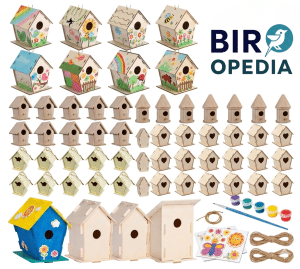
Sometimes birds need quick help to find nests. People create artificial nests like birdhouses or nest platforms. These give birds safe places to raise chicks.
| Type | Description | Bird Species |
| Birdhouses | Small wooden boxes hung on trees or poles | Bluebirds, Sparrows |
| Nest Platforms | Flat surfaces placed in trees or poles | Ospreys, Hawks |
| Artificial Burrows | Man-made tunnels in the ground | Burrowing Owls |
Monitoring And Research
Scientists watch bird populations and habitats closely. They collect data to see what works and what needs change. This helps improve restoration methods.
Key activities in monitoring and research:
- Tracking bird numbers and breeding success
- Studying habitat quality and food availability
- Using cameras and sensors to observe nests
- Sharing data with conservation groups

Credit: ca.news.yahoo.com
Human Impact And Policy Measures
Bird nesting sites are harmed by deforestation. Trees are homes for many birds. Cutting trees removes places to build nests.
People cause deforestation for many reasons. Laws and education can help protect birds and their homes.
Deforestation Drivers
Humans cut trees for farming and building. Logging for wood and paper also removes forests. Roads and cities grow in forest areas.
- Clearing land for crops and animals
- Cutting trees for timber and fuel
- Building towns and roads
- Mining and industrial activities
Legal Frameworks
Many countries have laws to stop illegal tree cutting. Protected areas save forests and bird habitats. Penalties punish those who break rules.
Governments work with groups to create rules. These rules help keep forests safe and support bird nesting.
- Forest protection laws
- Wildlife conservation acts
- Protected natural reserves
- Penalties for illegal logging
Awareness And Education
Teaching people about birds and forests helps protect them. Schools and groups share information about why trees matter.
Community actions like tree planting and clean-ups support bird homes. Awareness can change how people treat forests.
- School programs on nature
- Community tree planting events
- Workshops on wildlife protection
- Media campaigns about deforestation

Credit: ca.news.yahoo.com
Frequently Asked Questions
How Does Deforestation Affect Bird Nesting Habitats?
Deforestation removes trees, which are crucial for bird nesting. Loss of habitat reduces nesting sites and shelter. Birds struggle to find safe places for breeding. This leads to decreased bird populations and biodiversity. Protecting forests is essential for preserving bird nesting habitats.
Why Is Bird Nesting Important For Ecosystems?
Bird nesting supports species reproduction and population growth. Nests provide safe places for eggs and chicks. Birds help control pests, pollinate plants, and disperse seeds. Healthy bird populations indicate balanced ecosystems. Protecting nesting sites maintains ecological health and biodiversity.
Can Birds Adapt To Deforested Environments?
Some bird species adapt by nesting in shrubs or urban areas. However, many rely on specific tree types for nesting. Adaptation is limited and often reduces breeding success. Habitat loss from deforestation threatens bird survival. Conservation efforts help create alternative nesting spaces.
What Are Common Signs Of Disturbed Bird Nests?
Disturbed nests may show broken eggs or missing chicks. Birds might abandon nests due to noise or habitat loss. Increased predator presence also indicates disturbance. Observing these signs helps assess deforestation impact. Protecting nesting areas reduces such disturbances.
Conclusion
Bird nesting faces a big threat from deforestation. Trees vanish, nests disappear. Birds struggle to find safe places to raise young. Protecting forests means saving bird homes. We must act to stop tree loss. Plant new trees, conserve old ones.
Every tree counts in this battle. Communities can join hands for this cause. Education helps people understand the impact of deforestation. Together, we can make a difference. Saving forests supports bird life. It also benefits our planet. Let’s protect our feathered friends and their habitats.
A greener future awaits us all.