Have you ever noticed birds making their homes inside your barn? Bird nesting in barns is more common than you might think.
While these feathered guests can add a touch of nature to your space, they can also bring challenges you may not expect. Understanding why birds choose barns and how their nesting affects your property can help you protect your space and coexist peacefully.
Keep reading to discover what bird nesting means for you and your barn—and how to handle it smartly.
Benefits Of Birds Nesting In Barns
Birds often choose barns as safe places to build nests. These spaces offer shelter and protection for many bird species. Birds nesting in barns bring several benefits to the environment and farm life.
Understanding these benefits helps us appreciate the role birds play near farms. It also encourages us to support their presence in barns and other structures.
Natural Pest Control
Birds help control pests by eating insects and rodents. This reduces the need for chemical pesticides. Farmers benefit from fewer crop damages and healthier plants.
- Birds eat harmful insects like beetles and caterpillars.
- They reduce rodent populations that damage stored grain.
- Less pest damage means better crop yields.
- Natural pest control saves money on pesticides.
Supporting Local Ecosystems
Birds nesting in barns support local ecosystems by spreading seeds and pollens. They help plants grow and keep the environment balanced. Their presence attracts other wildlife, creating a healthy habitat.
| Bird Activity | Benefit to Ecosystem |
| Seed dispersal | Helps plants grow in new areas |
| Pollination | Supports flowering plants |
| Insect eating | Keeps pest numbers down |
| Nesting materials | Provides shelter for other animals |
Enhancing Biodiversity
Birds increase biodiversity by adding more species to the area. Diverse wildlife strengthens nature’s resilience. Birds also help keep the food web balanced and healthy.
Ways birds enhance biodiversity include:
- Attracting predators and other wildlife.
- Creating nesting sites for multiple species.
- Helping plants and animals survive and reproduce.
Credit: www.statesman.com
Common Bird Species In Barns
Barns often become homes for several bird species. These birds find shelter and nesting spots inside barns.
Knowing which birds nest in barns helps in understanding their habits and impacts on the barn.
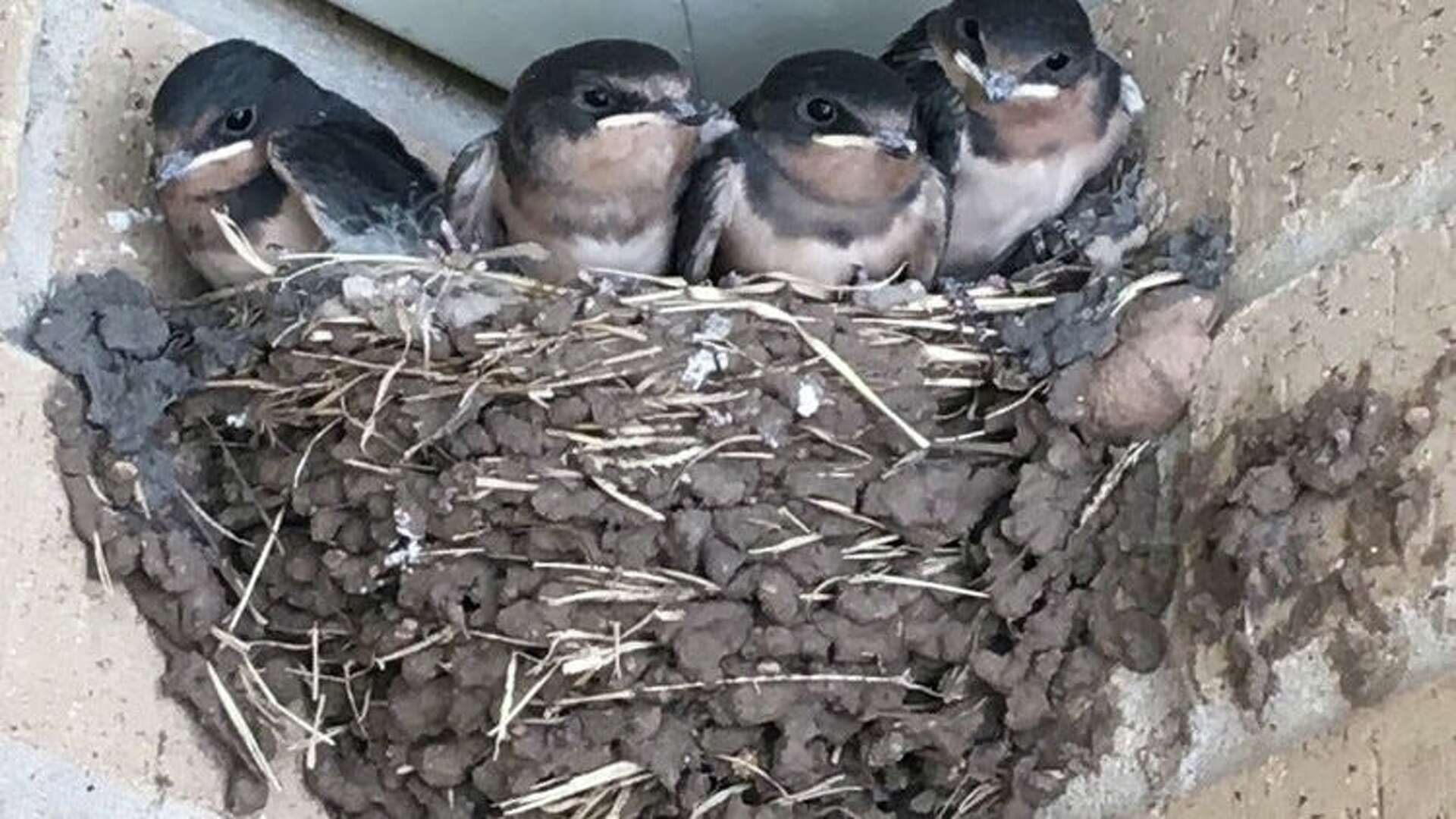
Barn Swallows
Barn swallows are small birds with blue backs and rusty throats. They build mud nests under the eaves of barns.
These birds eat flying insects and are often seen swooping around barns at dusk.
House Sparrows
House sparrows are small, chunky birds with brown and gray feathers. They nest in nooks and crevices inside barns.
They are very social and often build nests close to each other.
Pigeons And Doves
Pigeons and doves are common in barns. They have soft cooing sounds and build nests with twigs and straw.
They prefer quiet, sheltered areas inside barns to raise their young.
Safe Nesting Practices
Birds often choose barns for nesting because they offer shelter and safety. It is important to support safe nesting habits to protect birds and their young.
Following good nesting practices helps birds thrive while keeping barns clean and functional for people and animals.
Providing Suitable Nesting Materials
Birds need soft, dry materials to build nests inside barns. Providing safe materials helps birds create strong and warm nests.
Offer natural items like dry grass, straw, and small twigs. Avoid using materials that can harm birds.
- Dry grass and straw
- Small, clean twigs
- Feathers or soft plant fibers
- Avoid plastic, wire, or sticky substances
Maintaining Clean Nesting Areas
Keep barn nesting spots clean to prevent disease and parasites. Clean areas help birds stay healthy during nesting.
Remove old nests and debris after birds leave. Avoid using harsh chemicals near nesting places to protect birds.
- Clear out old nests each season
- Use gentle cleaning methods
- Check for pests regularly
- Keep barn dry and well-ventilated
Avoiding Disturbance During Breeding
Birds need quiet and safety while breeding. Avoid loud noises and sudden movements near nests in barns.
Limit access to nesting areas during breeding season. Protect birds by giving them space to raise their young.
- Keep people and pets away from nests
- Do not move or touch nests
- Reduce noise near nesting spots
- Observe birds from a distance
Barn Modifications For Wildlife
Barns can become safe homes for many birds and small animals. Changing parts of your barn helps wildlife find shelter.
Simple modifications let birds build nests and stay warm. These changes help protect animals and support nature.
Installing Nesting Boxes
Nesting boxes give birds safe places to lay eggs and raise chicks. You can put these boxes inside or outside barns.
Choose boxes that fit local bird species. Place them at different heights to attract more types of birds.
- Use untreated wood for safety
- Make entrances the right size for birds
- Mount boxes away from strong winds
- Keep boxes clean each season
Creating Protected Roosting Spots
Roosting spots let birds rest safely at night or during bad weather. Adding quiet, dark spaces inside barns works well.
Use old wood beams or create small ledges where birds can perch. Cover these spots to protect from rain and predators.
- Keep roosts away from bright lights
- Choose areas with little human activity
- Check regularly for damage or hazards
Ensuring Proper Ventilation
Good air flow keeps barns dry and healthy for birds and animals. Ventilation stops mold and harmful gases from building up.
Use vents or windows that open safely. Make sure air moves but does not cause strong drafts on nesting spots.
- Place vents high to remove warm air
- Cover vents to keep out rain and pests
- Check airflow regularly in all seasons
Handling Conflicts With Nesting Birds
Nesting birds in barns can cause problems for farmers and animals. Birds may build nests in unsafe areas or make noise. It is important to handle these conflicts carefully.
Protecting birds and your property means knowing when to act and how. Use safe methods that do not harm the birds or their nests.
Recognizing Problematic Situations
Not all bird nesting causes issues. Watch for signs like blocked vents, damaged wiring, or droppings near food supplies. These show when birds become a problem.
- Nests near electrical equipment
- Bird droppings creating slippery floors
- Noise disturbing livestock or workers
- Blocked air vents or windows
Non-invasive Deterrents
Use gentle methods to keep birds away from sensitive barn areas. Avoid harming the birds or their eggs.
| Method | Description |
| Visual Deterrents | Use shiny objects or fake predators to scare birds |
| Sound Devices | Play bird distress calls or predator sounds |
| Physical Barriers | Install netting or spikes to block nesting spots |
| Regular Cleaning | Remove food scraps and droppings to reduce attraction |
When To Seek Professional Help
Sometimes birds stay despite your efforts. Contact experts if nests block exits or pose health risks. Professionals can safely relocate birds.
- Severe damage to barn structures
- Large bird populations causing hazards
- Nests in electrical or mechanical areas
- Legal concerns about protected bird species
Legal Considerations And Wildlife Protection
Birds often build nests in barns, creating a unique wildlife habitat. Protecting these birds requires knowing the legal rules. This helps keep both birds and humans safe.
Understanding laws and ethical ways to live with birds is important. This guide covers local rules, permits, and how to respect wildlife.
Local Wildlife Regulations
Local laws protect many bird species and their nests. These rules stop harm to birds during breeding seasons. Check with local wildlife offices for details. Some birds may be fully protected by law.
- Do not disturb active nests during breeding season.
- Report any illegal bird trapping or nest destruction.
- Follow guidelines for managing barn renovations safely.
- Respect protected bird species listed in local laws.
Permits And Restrictions
Permits may be needed to remove nests or handle birds. These permits ensure actions do not harm bird populations. Contact wildlife agencies before any work that may affect nests.
| Action | Permit Required | Reason |
| Removing active nests | Yes | Protect breeding birds |
| Renovating barns with nests | Sometimes | Prevent harm to birds |
| Relocating nests | Yes | Ensure safe bird handling |
| Installing bird deterrents | No | Non-harmful methods only |
Ethical Wildlife Coexistence
Living with birds in barns means respecting their space. Avoid loud noises or sudden changes. Provide safe areas for birds to nest without harm.
- Keep barn entrances open during nesting season.
- Use bird-friendly materials if building new structures.
- Do not use harmful chemicals near nests.
- Watch birds from a distance without touching nests.
- Educate others about protecting nesting birds.
Monitoring And Supporting Nesting Success
Birds often choose barns for nesting because they offer shelter and safety. Watching these nests helps us protect the birds and their young. We can learn what they need to thrive by careful monitoring.
Supporting birds in barns is important for their survival. By observing nests and knowing signs of trouble, we can help increase their chances of success.
Regular Observation Techniques
Check nests quietly and from a distance to avoid scaring birds. Use binoculars or cameras to watch without disturbing them. Visit during daylight hours to see activity clearly.
- Note the number of eggs or chicks in each nest.
- Record the times when parents arrive and leave.
- Look for any changes in nest material or structure.
- Keep a log to track progress over several days.
Identifying Signs Of Distress
Birds may show stress if they feel unsafe or sick. Watch for unusual behaviors and physical signs that may mean trouble.
| Sign of Distress | What It Means | Action to Take |
|---|---|---|
| Parents stop feeding chicks | Possible danger or illness | Limit visits and observe quietly |
| Eggs left uncovered | Cold or disturbance nearby | Check for predators or weather issues |
| Chicks making loud calls | Hunger or fear | Ensure parents have access to food |
| Damaged nest structure | Weather damage or animals | Repair nest carefully if safe |
Long-term Wildlife Support Strategies
Helping birds over time means providing a safe habitat and steady resources. Plan ways to protect barns and encourage birds to return each year.
- Keep barn doors open during nesting season to allow easy access.
- Avoid using harmful chemicals or loud machinery near nests.
- Install simple nesting boxes to offer extra safe spots.
- Maintain clean and dry areas inside the barn.
- Educate neighbors about the importance of bird protection.

Credit: swibirds.org

Credit: www.bangordailynews.com
Frequently Asked Questions
Why Do Birds Choose Barns For Nesting?
Birds choose barns for shelter, safety, and warmth. Barns provide protection from predators and harsh weather. The wooden structure offers excellent nesting spots. The quiet, undisturbed environment attracts many bird species to nest safely inside barns.
What Types Of Birds Commonly Nest In Barns?
Barn swallows, pigeons, and sparrows are common barn nesters. These birds prefer barns due to easy access and shelter. Their nests are often found under eaves or rafters. Each species adapts well to the barn environment for raising young.
How Can Barn Owners Protect Nests While Maintaining Cleanliness?
Owners should avoid disturbing nests during breeding season. Use gentle cleaning methods around nesting sites after birds leave. Installing deterrents helps manage unwanted nesting areas. Balancing bird protection with barn upkeep ensures safety and hygiene.
Are Bird Nests In Barns Beneficial Or Harmful?
Bird nests can help control insects and pests naturally. However, nests may cause structural damage or hygiene issues. Proper management minimizes negative impacts while supporting local wildlife. Understanding both benefits and risks aids in barn care decisions.
Conclusion
Birds find barns perfect for nesting. These structures offer safety and warmth. Farmers benefit too. Birds control pests naturally. Encouraging nesting is simple. Keep barns clean and accessible. Provide nesting materials like twigs and hay. Enjoy watching these feathered friends thrive.
They bring life and song to rural spaces. Protecting their habitat supports biodiversity. Small actions make a big difference. Embrace the presence of nesting birds. They connect us to nature. A beautiful reminder of life’s simplicity. Enjoy the harmony they bring.
A valuable part of our ecosystem. Let's cherish and protect them.