Have you ever noticed birds building nests under bridges and wondered why they choose these spots? Bird nesting in bridges is more common than you might think, and it plays a surprising role in both nature and your daily environment.
Understanding this behavior can change the way you see these structures and the wildlife around you. Keep reading to discover fascinating facts about why birds pick bridges, how it affects their survival, and what it means for your community. You’ll never look at a bridge the same way again.
Birds Choosing Bridges
Many birds choose bridges as places to build their nests. Bridges offer safe spots away from ground predators.
These structures provide shelter and support for nests. Birds find bridges to be good places for raising their young.
Why Bridges Attract Birds
Bridges offer strong, stable places for birds to attach their nests. They protect nests from rain and wind.
Bridges are often near water, which gives birds easy access to food. The quiet areas under bridges help keep nests safe.
- Stable surfaces for building nests
- Protection from weather and predators
- Close to food sources like rivers and lakes
- Shady and quiet spaces for raising chicks
Common Bridge-nesting Species
Some birds prefer bridges more than others. These species often build nests under or on top of bridges.
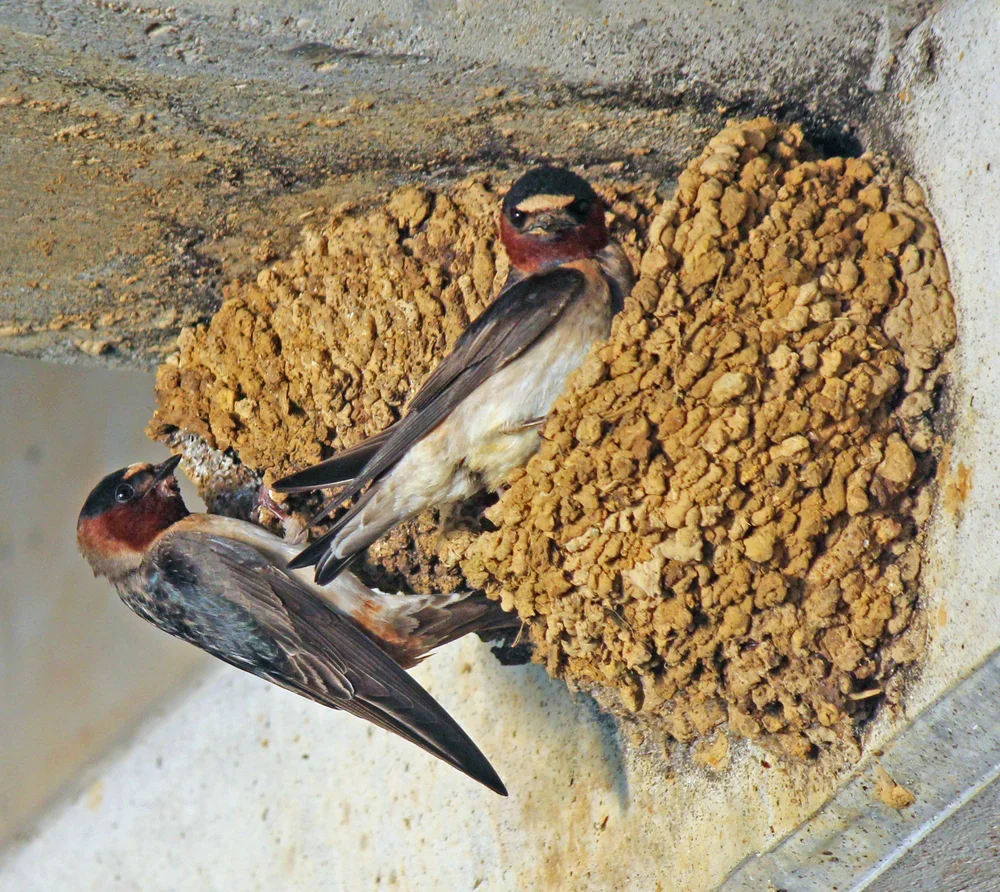
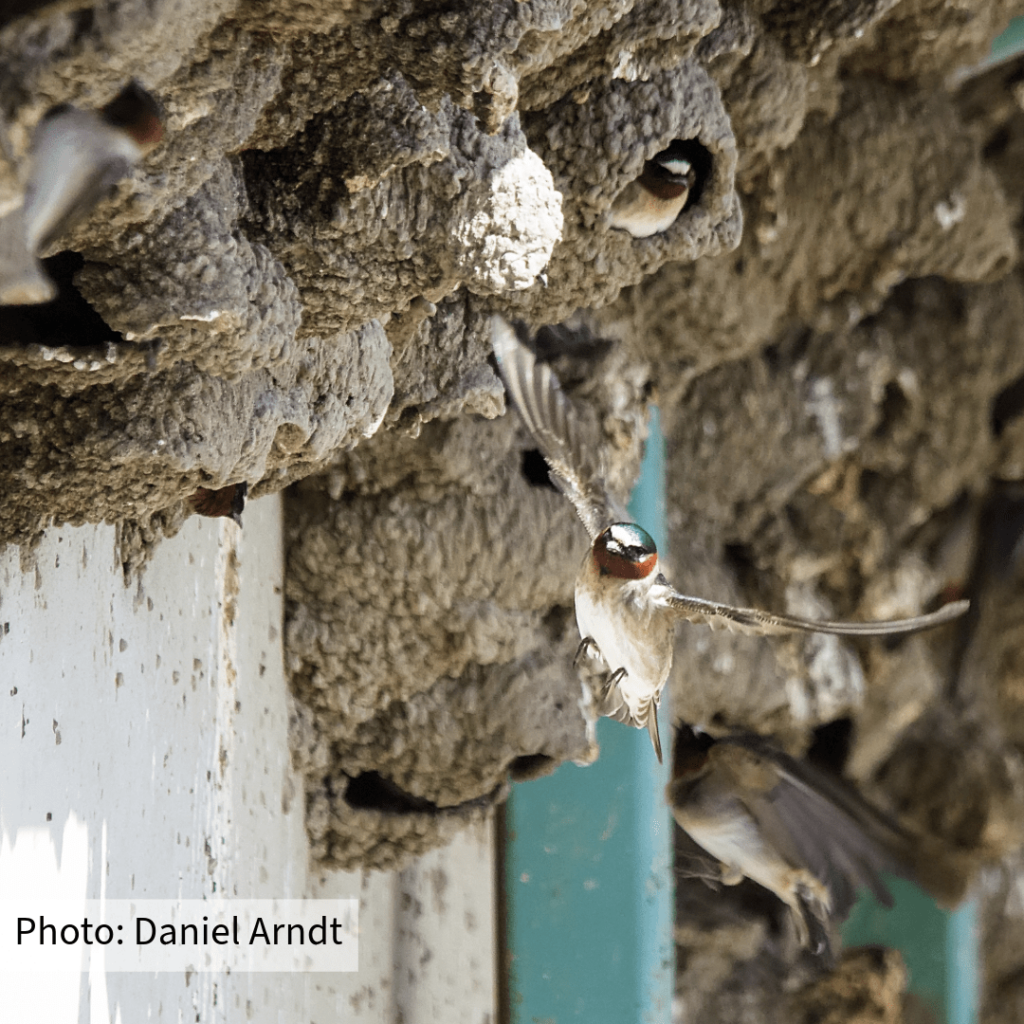
Birds like swallows and pigeons use bridges because they find good places to stick their nests. These birds are common in many areas.
- Swallows
- Pigeons
- House Sparrows
- Rock Doves
- Bank Swallows
Credit: blog.globaloutdoors.com
Unique Nesting Habitats
Birds often build nests in unusual places. Bridges provide a unique habitat for many bird species. These structures give birds a safe place to raise their young.
Bridges offer shelter from predators and bad weather. Birds take advantage of these strong and high locations. This shows how animals adapt to human-made environments.
Structural Features Used By Birds
Birds use many parts of bridges to build nests. They look for ledges, beams, and crevices. These spots protect nests from wind and rain.
Some birds use cables or bolts to hold their nests. The height of bridges helps keep nests safe from ground predators. The rough surfaces help nests stay attached.
- Ledges and platforms for stable nests
- Crevices and cracks for hidden spots
- Beams and cables as support
- High places for safety from predators
- Rough surfaces to hold nest material
Environmental Benefits Of Bridge Nests
Bridge nests help birds survive in cities. They increase bird populations by giving safe places. This helps keep the local ecosystem balanced.
Birds control insect numbers, which benefits humans. Their presence shows a healthy environment. Nesting on bridges helps birds live near food and water.
- Supports bird population growth
- Helps control insect pests
- Indicates healthy urban ecosystems
- Provides birds access to food and water
- Encourages biodiversity in cities
Challenges For Nesting Birds
Birds that nest in bridges face many challenges. These challenges affect their safety and ability to raise young ones.
Understanding these challenges helps protect nesting birds and support their survival.
Human Activity Impacts
Human activities near bridges can disturb nesting birds. Noise, light, and traffic make birds nervous. Construction work can destroy nests or scare birds away.
- Loud noises from vehicles and machinery
- Bright lights at night that confuse birds
- Vibrations from heavy traffic
- Pollution affecting air and water quality
- Physical damage to nests by maintenance work
Predators And Safety Concerns
Bridges can expose birds to many predators. Cats, rats, and larger birds may attack nests. Safety is a big concern for nesting birds on bridges.
| Predator | Threat Type | Common Effect |
| Cats | Physical attack | Eggs and chicks eaten |
| Rats | Nest raiding | Egg destruction |
| Larger birds | Nest competition and predation | Young birds taken |
Credit: learn.birdscanada.org
Conservation Strategies
Birds often build nests on bridges. These places provide shelter and safety. Protecting these nests helps bird populations grow.
Conservation strategies focus on creating safe spaces on bridges. They also protect existing nests during construction or maintenance.
Designing Bird-friendly Bridges
Designing bridges to be bird-friendly helps birds build nests safely. Using special features can prevent harm to birds.
Features like ledges and rough surfaces give birds good places to attach nests. Avoid smooth or slippery areas where nests may fall.
- Add flat ledges or shelves under the bridge
- Use rough materials to help nests stick
- Keep lighting low to reduce bird disturbance
- Place barriers to protect nests from wind
Protecting Existing Nests
Protecting nests already on bridges is important during repairs or cleaning. Careful planning avoids nest damage.
Work can be scheduled outside breeding seasons. Barriers and signs warn workers to avoid disturbing nests.
- Check bridges for nests before starting work
- Delay work during nesting season if possible
- Use protective netting to shield nests
- Train workers on bird protection rules
Community Involvement
Bird nesting in bridges offers a unique chance for communities to connect with nature. People can help protect these birds while learning about their habits.
Community involvement supports bird conservation and brings awareness to local wildlife. It creates opportunities for education and citizen action.
Citizen Science And Monitoring
Volunteers play a key role in watching bird nests on bridges. They gather data that helps scientists understand bird behavior and nest success.
- Record the number of nests and eggs
- Note bird species and nesting dates
- Report any disturbances or threats
- Share findings with local wildlife groups
Educational Programs And Awareness
Schools and local groups hold talks and workshops about birds nesting in bridges. These programs teach people how to protect bird habitats.
| Program Type | Target Group | Focus |
| School Workshops | Students | Bird species and nesting habits |
| Community Talks | Residents | How to help protect nests |
| Field Trips | Families | Observe birds safely near bridges |

Credit: www.freepik.com
Frequently Asked Questions
Why Do Birds Choose Bridges For Nesting?
Birds prefer bridges because they offer shelter and protection from predators. The structure also provides a stable platform for building nests. Additionally, bridges are often near water and food sources, making them ideal nesting sites for many bird species.
How Do Bird Nests Affect Bridge Safety?
Bird nests can cause minor damage by blocking drainage or accumulating debris. However, most nests do not compromise structural integrity. Regular inspections and maintenance help manage any potential risks caused by nesting birds on bridges.
What Bird Species Commonly Nest On Bridges?
Common bridge-nesting birds include pigeons, swallows, and sparrows. These species adapt well to urban environments and use bridges for safe nesting spots. Their nests are often found under bridge ledges and beams.
How Can Authorities Manage Bird Nesting On Bridges?
Authorities use deterrents like netting, spikes, and sound devices to prevent nesting. They also schedule maintenance outside breeding seasons to minimize disturbance. Proper management balances bird protection with infrastructure safety.
Conclusion
Bird nesting in bridges shows nature’s adaptability. These birds find unexpected homes. They use bridges for safety and warmth. This benefits both birds and ecosystems. Observing these nests can teach us about resilience. It also highlights the importance of urban wildlife spaces.
Protecting these habitats supports biodiversity. Simple actions can make a big difference. Keeping bridges safe for nesting ensures bird populations thrive. Next time you cross a bridge, think about the life it supports. Nature adapts, and we can help. Understanding bird nesting enriches our connection with the natural world.