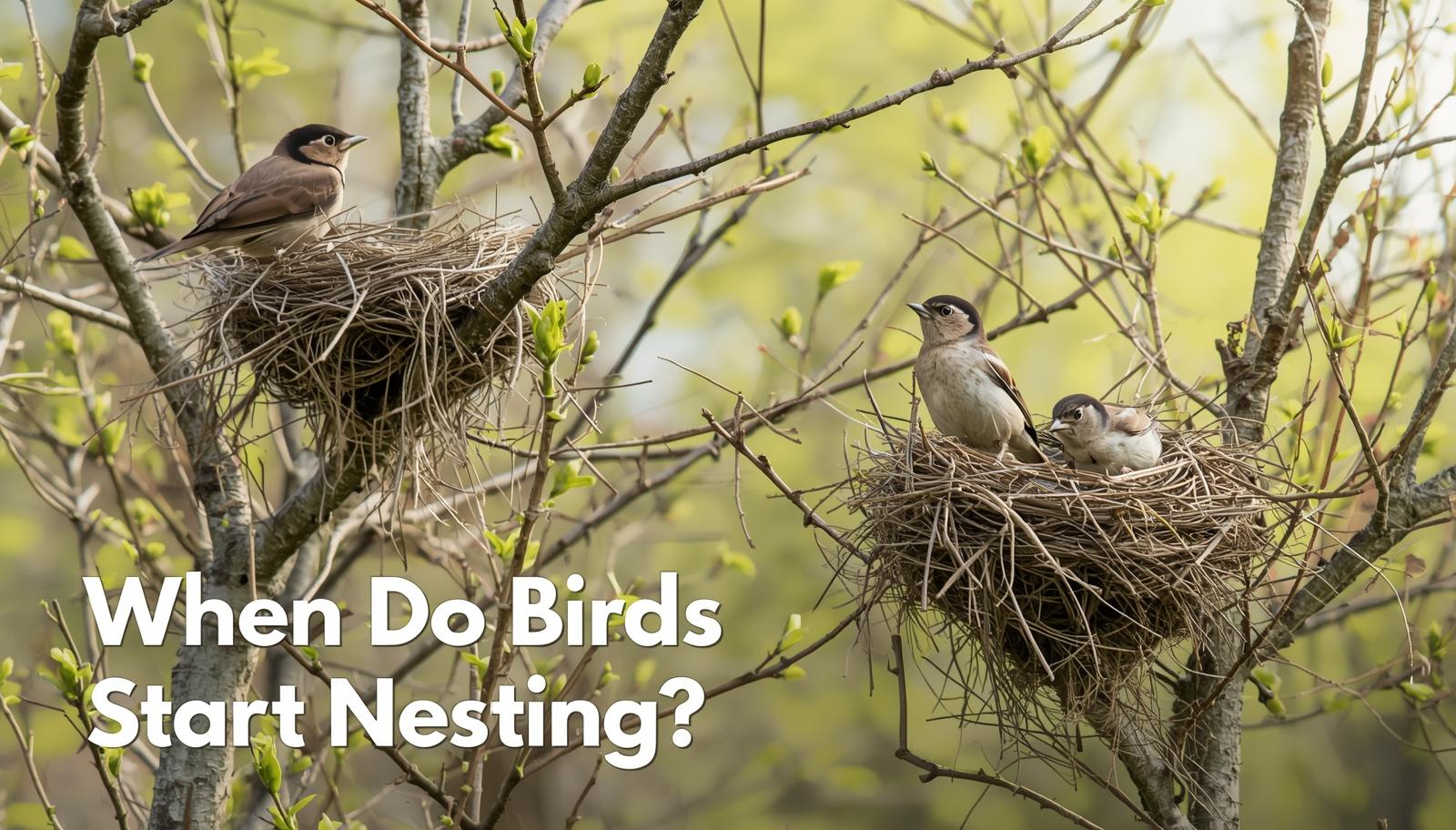
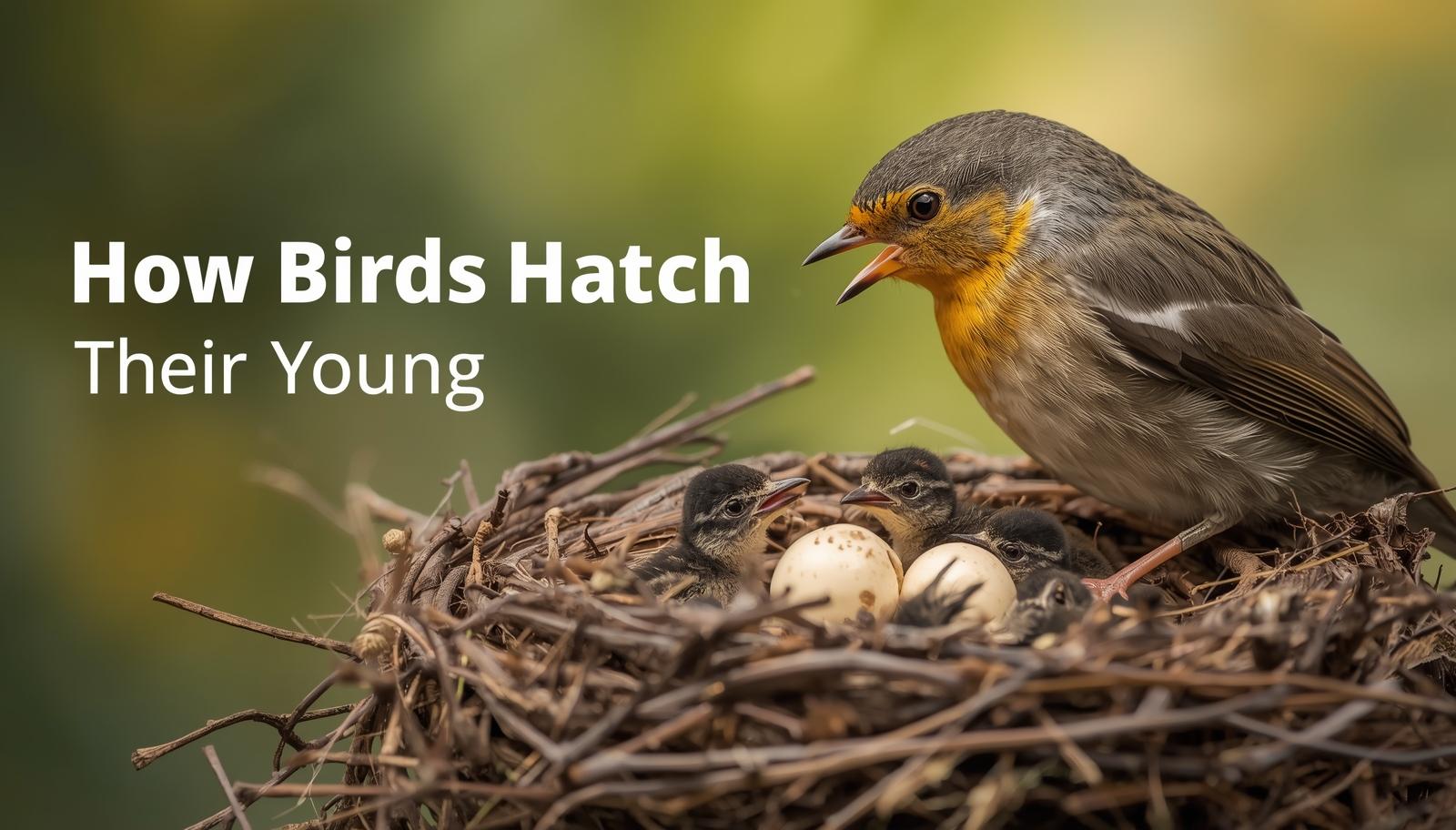
Have you ever noticed a little bird building a home right in your garden? Bird nesting in gardens is more than just a charming sight—it’s a sign that your outdoor space is a safe haven for wildlife.
Imagine waking up to the gentle sounds of birdsong every morning, feeling connected to nature right outside your door. You’ll discover how you can encourage birds to make your garden their nesting spot, why it matters for the environment, and simple steps to create the perfect bird-friendly space.
Keep reading to unlock the secrets of turning your garden into a vibrant bird sanctuary.
Why Birds Choose Gardens
Birds often pick gardens as safe places to build nests. Gardens offer food, shelter, and water. These resources help birds survive and raise their young.
Many gardens have trees, shrubs, and flowers. These plants attract insects and provide nesting spots. Birds find it easier to live in gardens than in cities or wild areas.
Benefits Of Garden Habitats
Gardens give birds many important benefits. They offer food like seeds and insects. Gardens also provide shelter from weather and predators. Water from birdbaths or ponds helps birds stay hydrated.
- Food sources such as berries and insects
- Safe places to build nests in trees and bushes
- Protection from harsh weather and predators
- Access to fresh water for drinking and bathing
- Quiet areas away from heavy human activity
Common Garden Bird Species
Many bird species live and nest in gardens. Some are common visitors, while others stay all year. Knowing which birds visit can help gardeners support them better.
| Bird Species | Key Features | Favorite Nesting Spots |
|---|---|---|
| House Sparrow | Small, brown and grey | Dense shrubs, birdhouses |
| Robin | Red chest, friendly | Tree branches, garden corners |
| Blue Tit | Blue cap, yellow belly | Hollows in trees, nest boxes |
| Blackbird | Black feathers, bright eye ring | Thick bushes, low trees |
| Chaffinch | Colorful with pink chest | Branches, garden hedges |
Creating Ideal Nesting Spots
Birds need safe places to build their nests. Your garden can be a perfect spot for them. Creating the right environment helps birds feel secure.
By adding plants and shelters, you invite more birds to visit and stay. Let’s explore how to make your garden bird-friendly.
Selecting The Right Plants
Choose plants that provide food and cover for birds. Native plants work best because birds are used to them. Trees, shrubs, and flowers all help.
- Berry-producing shrubs like elderberry and holly
- Native wildflowers that attract insects for food
- Evergreen bushes for year-round cover
- Flowering plants that offer nectar and seeds
- Dense plants that hide nests from predators
Providing Natural Shelter
Natural shelter keeps birds safe from weather and predators. Use tall grasses, thick bushes, and leafy trees. These spots help birds hide and rest.
| Type of Shelter | Benefits |
| Tall Grasses | Hide nests and young birds |
| Thick Bushes | Provide cover from rain and wind |
| Leafy Trees | Offer shade and safety from predators |
| Brush Piles | Give shelter and nesting materials |
Using Birdhouses And Nesting Boxes
Birdhouses give birds a ready place to nest. Place them at the right height and direction. Clean them yearly to keep birds healthy.
- Mount birdhouses 5 to 10 feet above ground
- Face entrances away from prevailing winds
- Place near natural shelter like trees or shrubs
- Avoid spots with heavy human traffic
- Use untreated wood for safe nesting
Feeding Birds To Encourage Nesting
Providing food for birds in your garden helps attract them. Birds that find food easily may choose to nest nearby. Feeding birds supports their energy needs during nesting season.
Offering the right types of food can encourage birds to build nests. It also helps young birds grow strong. Feeding stations make it easier for birds to find food safely.
Best Foods For Nesting Birds
Birds need protein, fat, and seeds to stay healthy during nesting. Some foods help birds build nests and feed their chicks.
- Mealworms provide protein for growing chicks.
- Sunflower seeds give energy and fat.
- Suet cakes supply fat for warmth and activity.
- Fruits like berries offer vitamins and hydration.
- Peanuts (unsalted and chopped) are rich in fats.
Setting Up Feeding Stations
Place feeders in quiet, safe spots away from predators. Keep feeders clean to prevent disease. Water nearby helps birds stay hydrated.
| Feeder Type | Best For | Placement Tips |
| Platform Feeders | Fruits, seeds, mealworms | Open area, visible to birds |
| Hopper Feeders | Sunflower seeds, mixed seeds | Near bushes for quick escape |
| Suet Feeders | Suet cakes | Shaded spot to prevent melting |
| Water Baths | Drinking and bathing | Near feeders, shallow water |
Water Sources For Birds
Birds need water to drink and bathe. Gardens can offer safe water spots to attract them.
Providing clean water helps birds stay healthy and active in your garden.
Bird Baths
Bird baths are shallow containers filled with water. They let birds drink and clean their feathers.
Place bird baths in quiet, safe spots. Make sure birds can see around them to watch for danger.
- Use shallow water, about 1-2 inches deep
- Place on a stable surface or hang securely
- Keep near shrubs or trees for cover
- Change water every day to keep it fresh
Water Features
Water features like small fountains or ponds attract birds with moving water. The sound draws them in.
Make sure water features have gentle slopes or shallow edges. Birds need easy access to water.
- Use pumps for gentle water flow
- Include stones or plants for perching
- Keep water fresh and clean
- Check for safe entry and exit points
Maintaining Clean Water
Clean water stops disease spread among birds. Dirty water can harm them.
Regularly clean water containers. Remove dirt, leaves, and algae.
- Empty and scrub bird baths weekly
- Use a brush to clean hard-to-reach spots
- Refill with fresh water daily
- Keep water sources away from plants that drop leaves
Avoiding Common Threats
Birds often build nests in gardens. These nests face many dangers. Protecting them helps birds stay safe and raise their young.
We can take simple actions to reduce risks. This guide covers ways to protect nests from predators and garden hazards.
Protecting From Predators
Predators like cats, raccoons, and snakes can harm birds or their eggs. You can keep nests safer by making your garden less attractive to these animals.
- Keep pet cats indoors or supervise them outside.
- Remove food scraps that attract raccoons.
- Trim low branches to reduce snake hiding spots.
- Place nests higher in trees or on poles.
- Avoid using rodent poison near nesting areas.
Minimizing Garden Hazards
Gardens can have dangers that hurt nesting birds. Chemicals, tools, and water features are common risks. Watch for these hazards and take steps to limit them.
| Hazard | How to Reduce Risk |
|---|---|
| Pesticides and fertilizers | Use organic options or avoid near nests |
| Garden tools and equipment | Store safely when not in use |
| Open water sources | Add shallow areas or escape ramps |
| Plastic netting or mesh | Remove or replace with bird-safe alternatives |

Credit: www.ivelvalleybirdfood.co.uk
Seasonal Tips For Nesting Success
Birds need safe and comfortable places to build nests in gardens. Helping them through the seasons improves their chances of raising young birds.
Each season brings different needs for birds. You can prepare your garden to support nesting all year long.
Spring Preparations
Spring is the main nesting season. Birds look for safe spots to lay eggs. Prepare your garden by adding nesting boxes and keeping the area quiet.
Plant native shrubs and trees to provide shelter and food. Avoid pruning during early spring to protect nests.
- Install clean nesting boxes before birds arrive
- Keep pets away from nesting areas
- Provide fresh water sources
- Plant berry and seed-producing plants
Summer Care
In summer, young birds grow and learn to fly. Keep the garden safe by minimizing disturbances. Avoid using pesticides that harm birds and insects.
Keep water sources clean and refill them often. Birds need water for drinking and cooling down in hot weather.
- Check nesting boxes for damage and clean after chicks leave
- Offer shallow water dishes in shaded spots
- Leave some leaf litter and dead wood for insects
- Limit garden noise and human activity near nests
Autumn And Winter Considerations
In autumn, birds prepare for colder months. Keep food sources available by planting seed-rich plants or putting out bird feeders. Leave some seed heads on plants.
In winter, birds need shelter from cold and wind. Leave dense bushes and evergreens intact. You can also provide roosting boxes for protection.
- Keep bird feeders filled with seeds and nuts
- Provide fresh water, checking for ice
- Maintain dense shrubs for shelter
- Do not disturb roosting or nesting boxes
Monitoring And Supporting Bird Families
Bird nesting in gardens is a wonderful way to connect with nature. Watching birds build nests and raise their young can be very rewarding.
Supporting bird families helps protect local wildlife. It is important to observe them carefully and know when to help.
Observing Nesting Behavior
Watch birds from a distance to avoid disturbing them. Notice how they build nests and care for their eggs.
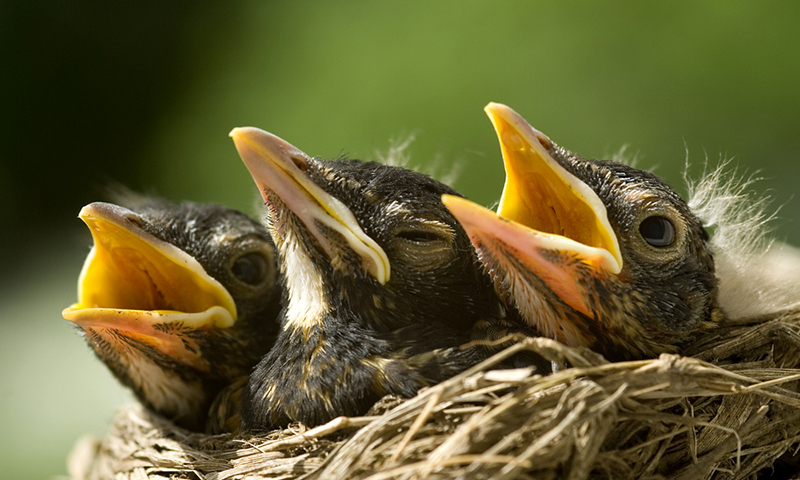
Look for signs like parents feeding chicks or keeping them warm. These behaviors show the nest is active and healthy.
- Use binoculars for a closer look
- Avoid touching nests or eggs
- Keep pets away from nesting areas
- Stay quiet near bird families
When To Intervene
Only help if a bird or nest is in danger. For example, if the nest is damaged or a bird is injured.
Do not move nests unless they are in immediate risk. Let nature take its course unless action is needed.
- Check for predators near the nest
- Remove hazards like chemicals or traps
- Contact wildlife experts if unsure
- Offer food only if recommended by experts
Credit: www.pennington.com

Credit: aboutthetford.co.uk
Frequently Asked Questions
What Birds Commonly Nest In Home Gardens?
Common garden nesters include robins, sparrows, wrens, and finches. These birds prefer shrubs, trees, and garden boxes for nesting. They seek safe, quiet spots with good cover to protect their eggs and chicks from predators.
How Can I Attract Birds To Nest In My Garden?
Provide natural shelter, water sources, and native plants. Avoid using pesticides and offer nesting materials like twigs and grass. Installing birdhouses can also encourage birds to settle and build nests in your garden.
When Is The Best Time For Bird Nesting In Gardens?
Bird nesting typically occurs in spring and early summer. During this time, birds seek safe places to lay eggs and raise chicks. Providing resources early increases the chances of successful nesting in your garden.
How Do I Protect Bird Nests From Predators?
Place nests in dense foliage or high branches. Avoid disturbing nests and keep pets away. Installing predator guards on birdhouses can also help protect eggs and chicks from common threats.
Conclusion
Creating a bird-friendly garden enriches your outdoor space. Birds bring life and color. Their songs delight every morning. Simple steps make a big difference. Provide food, water, and shelter. Plant native trees and bushes. Avoid harmful chemicals. Respect their space and watch them thrive.
Birdwatching becomes a daily joy. You connect with nature and learn. Gardens transform into peaceful havens. Birds benefit, and so do you. Enjoy the beauty and harmony they offer. Your garden becomes a small sanctuary. A safe home for our feathered friends.
Witness nature's wonders right outside your door.