Have you ever noticed birds building nests on your balcony, under your roof, or even inside old machinery? Bird nesting in man-made structures is more common than you might think.
These clever creatures adapt quickly, turning everyday objects into safe havens for their young. Understanding why and how birds choose these spots can change the way you see your surroundings—and maybe even inspire you to create bird-friendly spaces yourself. Keep reading to discover the surprising benefits and simple ways to support these feathered neighbors right where you live.

Credit: www.providencejournal.com
Nest Sites In Urban Areas
Birds often build nests in cities using man-made structures. These places offer safe spots and shelter. Urban areas provide many choices for nesting birds.
Understanding where birds nest helps us protect them. Many birds adapt well to human environments and find good homes in our buildings and other structures.
Common Man-made Structures Used
Birds select many types of man-made places for nests. These structures give them safety from predators and harsh weather.
- Building ledges and windowsills
- Streetlights and lamp posts
- Bridges and overpasses
- Air conditioners and vents
- Balconies and roof eaves
- Utility poles and towers
Reasons For Choosing Artificial Sites
Birds pick man-made sites for several reasons. These places often have fewer natural predators and offer sturdy support.
| Reason | Description |
| Safety | Less risk from ground predators |
| Shelter | Protection from rain and wind |
| Availability | Many places to choose in cities |
| Warmth | Surfaces that retain heat |
| Proximity | Near food and water sources |
Adaptations To Human Environments
Birds often build nests in man-made structures. They adapt well to new environments created by humans. These changes help them survive near people.
Many birds use different materials and change their nesting times. These adaptations help them find safety and food around buildings and cities.
Changes In Nesting Materials
Birds use new materials found in human areas. They pick things like string, plastic, and paper. These items replace natural materials like twigs and leaves.
Man-made materials can be easier to find. They also help make nests stronger or warmer. Birds learn to use what is near their homes.
- Plastic strips and bags
- String and yarn
- Paper pieces
- Foam and fabric scraps
- Small metal wires
Timing Adjustments in Nesting
Birds change when they start nesting in cities. They may begin earlier in spring or later in fall. This helps them avoid cold or wet weather.
Human heat and lights affect bird behavior. Birds adjust their nesting times to match food availability and safety in urban areas.
- Start nesting earlier in warmer cities
- Extend nesting season due to artificial light
- Shift nesting to avoid busy human activity
- Adjust timing to match food sources near buildings
Impact On Bird Behavior
Birds often use man-made structures for nesting. These structures affect how birds behave daily. Understanding these changes helps us protect bird populations better.
Man-made nests can change birds’ habits and social life. These changes can be positive or negative. Studying them shows how birds adapt to new environments.
Increased Nesting Success Rates
Birds using man-made structures often build nests in safer places. These sites protect eggs and chicks from predators and weather. This safety can raise the number of chicks that survive.
- Better shelter from rain and wind
- Less chance of predators reaching nests
- More stable nesting surfaces
- Closer to food sources in some cases
Alterations In Social Interactions
Birds nesting in man-made places may change how they interact. Crowded spaces can increase competition. Some species become more aggressive or change their calls.
| Behavior | Change Observed | Possible Cause |
| Territoriality | Increased defense of nesting area | Higher nest density |
| Communication | Altered calls and signals | Noisy urban environments |
| Cooperation | Reduced sharing of resources | Limited nesting space |

Credit: www.shutterstock.com
Challenges And Risks
Birds often build nests in man-made structures. These places can be risky for their safety. Understanding these challenges helps protect birds and their young.
Birds face many dangers like predators and unstable buildings. These risks can harm the birds or destroy their nests.
Wildlife Legal Experts remind homeowners of the Migratory Bird Treaty Act (MBTA): “Under federal law, it is illegal to move or destroy an active nest (one with eggs or chicks) of most native bird species, even if it is on your private property or inside your machinery. Authority Tip: If a bird builds a nest in an inconvenient spot, like a dryer vent or a tractor, you must wait until the fledglings have naturally left the nest before cleaning or blocking the area. Disturbing an active nest can result in significant fines.”
Predation And Disturbance
Predators like cats, snakes, and other birds can attack nests on buildings. Human activity can also scare birds away from their nests.
- Predators may reach nests on low or open structures.
- Loud noises and movement can disturb nesting birds.
- Frequent human visits may cause birds to abandon nests.
- Pets in the area increase the risk of attacks.
Structural Hazards
Man-made structures can have sharp edges, unstable parts, or toxic materials. These hazards threaten the safety of nesting birds and their eggs.
| Hazard | Impact on Birds |
|---|---|
| Sharp edges | Can injure birds or damage nests |
| Unstable surfaces | Nests may fall or collapse |
| Toxic paint or chemicals | Harm bird health and egg development |
| Heat from metal or glass | Can overheat birds and eggs |
Benefits For Birds and Humans
Birds often build nests in man-made structures. These places give birds safe spots to live and raise their young. Humans also gain benefits from this behavior.
Bird nesting in cities helps nature and people live better together. It supports wildlife and adds beauty to urban areas.
Enhanced Shelter Opportunities
Man-made structures offer birds many shelter options. Birds find hidden places in buildings, bridges, and other structures. These spots protect birds from harsh weather and predators.
More shelter means more places for birds to rest and raise their chicks safely. This helps bird populations grow in cities and towns.
- Birds use roofs, ledges, and vents for nests
- Structures shield birds from wind and rain
- Safe shelters reduce risks from predators
Promoting Urban Biodiversity
Birds nesting in man-made places increase urban biodiversity. Different bird species live closer to people. This creates a richer and more balanced environment.
More birds help control insect populations and pollinate plants. They also bring natural sounds and sights to cities, improving quality of life.
- Birds reduce harmful insects
- They help plants grow by spreading pollen
- Bird songs add natural sounds to cities
- Diverse bird life supports healthy ecosystems
Encouraging Safe Nesting
Birds often build nests in man-made structures. This creates chances to help them nest safely. People can design and manage buildings to protect birds.
Safe nesting supports bird populations and helps nature thrive in cities and towns. Learning simple ways to help is important for everyone.
Designing Bird-friendly Structures
Building with birds in mind means making spaces safe and easy for nesting. Materials, shapes, and placement matter a lot for bird safety.
- Use natural or rough surfaces for easy nest attachment
- Avoid toxic paints and chemicals on building parts
- Place nesting boxes away from busy windows and doors
- Include ledges or overhangs to protect nests from rain
- Ensure there are no sharp edges near nesting spots
Community Involvement and Education
Communities play a big role in protecting nesting birds. Education helps people understand how to avoid harm and support birds.
| Action | Benefit |
| Host workshops about bird nesting | Raises awareness and knowledge |
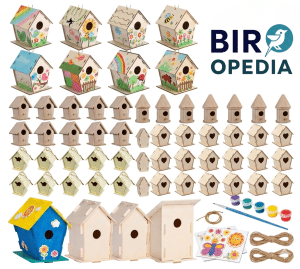
| Organize local nest box building events | Creates safe nesting homes |
| Share tips on social media and newsletters | Spreads helpful advice |
| Work with schools to teach children | Encourages future bird protection |

Credit: www.npr.org
Frequently Asked Questions
Why Do Birds Choose Man-made Structures for Nesting?
Birds select man-made structures for safety, shelter, and proximity to food. These sites often protect nests from predators and harsh weather. Urban areas provide diverse nesting options, increasing birds’ chances of successful breeding.
What Types of Man-made Structures Attract Bird Nesting?
Common structures include buildings, bridges, streetlights, and utility poles. These offer stable ledges, cavities, and sheltered spots. Birds also nest in gutters, vents, and abandoned machinery, adapting well to urban environments.
How Does Bird Nesting Impact Man-made Structures?
Bird nests can cause minor damage like blocked drains or corrosion from droppings. Nesting may lead to noise and debris buildup. However, most impacts are manageable with regular maintenance and humane deterrents.
Can Bird Nesting in Structures Harm the Birds?
Yes, risks include exposure to toxins, human disturbance, and predators. Nesting in busy areas may stress birds. Providing safe nesting sites and minimizing disruption helps protect urban bird populations.
Conclusion
Birds often find homes in the most unexpected places. Bird Nesting in Man-Made Structures provides them with safe spots, warmth, and protection from predators. Urban environments can support a wide variety of bird species, giving people the chance to observe this natural wonder up close. By respecting and caring for these habitats, we can make a real difference.
Simple actions, like offering nesting boxes or planting native trees, help birds thrive in cities. Understanding bird nesting habits enriches our lives and strengthens our connection with nature. Let’s cherish these feathered neighbors and support their survival in our shared spaces. Together, we can create a harmonious environment where both humans and birds flourish.