Have you ever stopped to notice the tiny homes birds build right outside your window? Bird nesting in rural areas is a fascinating natural process that impacts the environment around you more than you might realize.
Understanding where and why birds choose to nest can change the way you see your own backyard. You’ll discover surprising facts about bird nesting habits, learn how these little architects shape rural ecosystems, and find out how you can support their efforts.
Keep reading to unlock the secrets of bird nesting and feel more connected to the nature just beyond your doorstep.
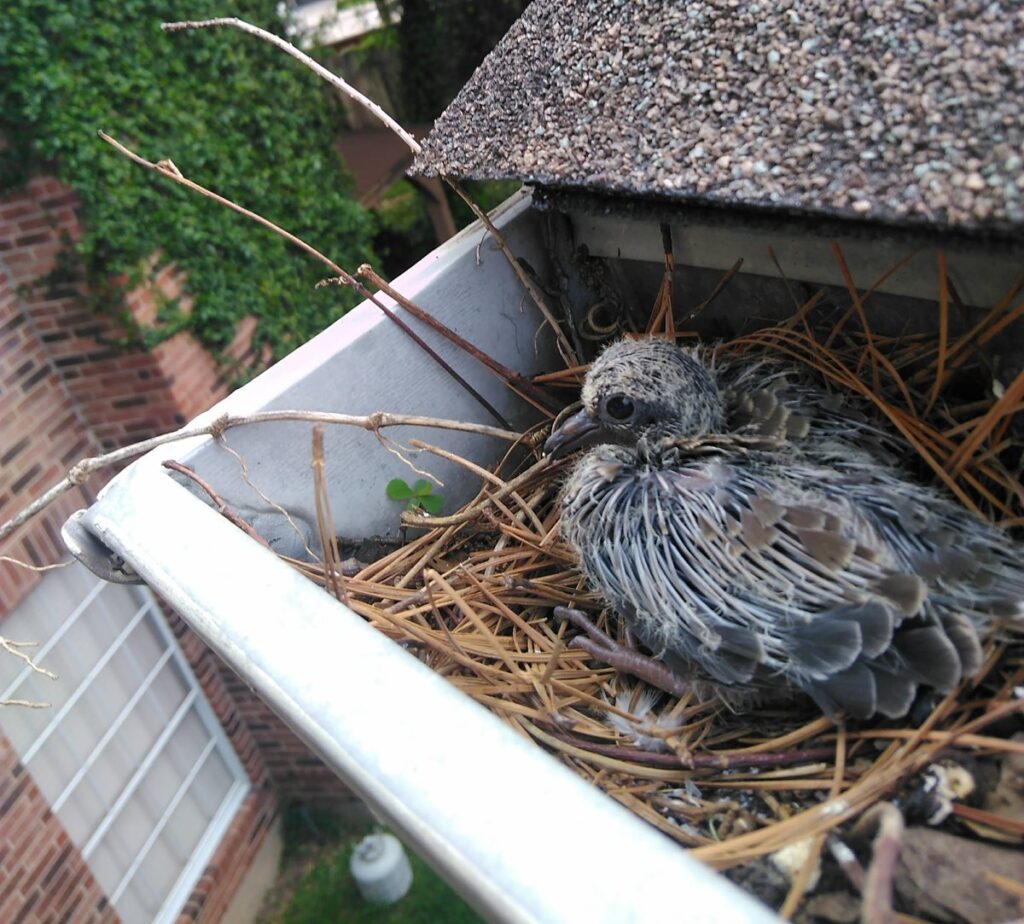
Credit: www.crittercontrol.com
Bird Species Common In Rural Areas
Rural areas provide a rich habitat for many bird species. These birds build nests in trees, bushes, and near water. Understanding their nesting habits helps protect them.
Birds in rural settings include songbirds, waterfowl, and birds of prey. Each group has unique ways to build nests and raise their young.
Songbirds And Their Nests
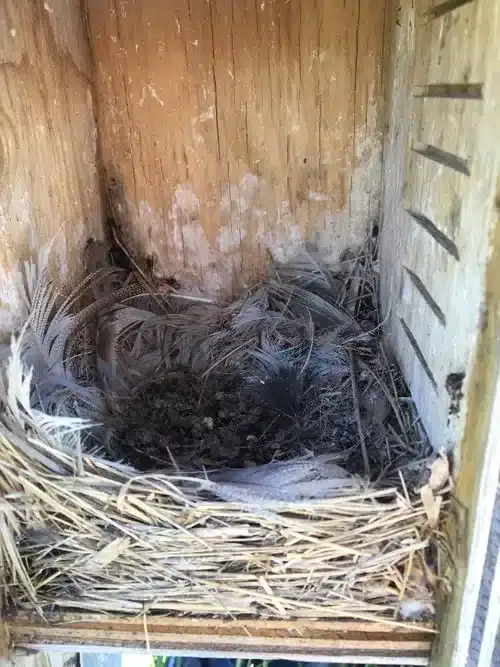
Songbirds are common in rural areas. They often build cup-shaped nests in trees or shrubs. These nests are made from twigs, grass, and feathers.
- American Robin: builds nests with mud and grass.
- Chickadee: uses moss and animal hair for soft lining.
- Eastern Bluebird: nests in tree cavities or birdhouses.
- Goldfinch: makes loose nests in tall weeds or bushes.
Waterfowl Nesting Habits
Waterfowl often nest near lakes, ponds, or rivers. They use reeds, grasses, and down feathers to make hidden nests. Their eggs are camouflaged to avoid predators.
| Waterfowl Species | Nesting Location | Nest Material |
|---|---|---|
| Mallard Duck | Ground near water | Grass and down feathers |
| Canada Goose | Ground near water or islands | Grass and moss |
| Wood Duck | Tree cavities | Leaves and feathers |
Birds Of Prey In Rural Settings
Birds of prey nest in tall trees or on cliffs. They build large nests called eyries. These nests are made from sticks and lined with softer materials.
- Red-tailed Hawk: high tree branches or cliff ledges
- Great Horned Owl: abandoned nests or tree cavities
- Bald Eagle: tall trees near water

Credit: www.shutterstock.com
Nesting Materials And Locations
Birds in rural areas build nests using many natural materials. They choose spots that keep their eggs safe.
Nesting helps birds protect their young from weather and predators. The choice of materials and places is very important.
Natural Materials Birds Use
Birds use things found in nature to build their nests. These materials help make the nest warm and strong.
- Twigs and small branches
- Leaves and grass
- Feathers for softness
- Mud to hold parts together
- Animal hair or fur
- Spider silk for binding
Preferred Nesting Sites
Birds pick safe places to build nests. The sites protect eggs from rain, wind, and animals.
| Location | Why It Is Preferred |
| Tree branches | High and out of reach from most predators |
| Bushes | Good cover and easy to hide |
| Cliffs or rocky ledges | Hard for predators to climb |
| Old buildings or barns | Sheltered from weather and quiet |
| Ground under dense grass | Hidden and close to food sources |
Human Impact On Nesting Choices
Human actions change how birds build nests. Some places become unsafe or hard to find materials.
Here are ways humans affect nesting:
- Cutting down trees removes nesting spots
- Using pesticides can reduce insects birds eat
- Building homes limits natural spaces
- Leaving trash can confuse birds with fake materials
- Creating birdhouses helps some species
Seasonal Nesting Patterns
Birds in rural areas build nests according to the seasons. Each season brings different behaviors and needs.
Understanding these patterns helps us protect nesting sites and support bird populations.
Spring Nesting Activities
Spring is the main time for birds to start building nests. They look for safe places to lay eggs.
- Birds gather twigs, leaves, and grass for nest building.
- Males often sing to attract females.
- Pairs select nesting sites carefully to avoid predators.
- Egg laying usually happens late in spring.
Summer Care And Feeding
During summer, parent birds feed their chicks and keep nests safe. The young birds grow quickly in this season.
| Activity | Purpose |
| Feeding chicks | Help young birds grow strong |
| Protecting nest | Keep eggs and chicks safe from threats |
| Cleaning nest | Remove waste and keep nest healthy |
| Teaching flying | Prepare chicks for life outside the nest |
Fall Migration And Nest Abandonment
In fall, many birds leave their nests to migrate. They prepare for long flights to warmer places.
Birds do these before migration:
- Eat more to build energy
- Gather in groups to travel together
- Leave the nest empty until next spring
Protecting Bird Nests
Bird nests in rural areas are important for bird survival. Protecting these nests helps keep bird populations healthy.
Many birds build nests in trees, bushes, or on the ground. People can help by learning how to protect these homes.
Legal Protections For Nests
Laws protect many bird nests from being destroyed or disturbed. These laws help keep birds safe during breeding seasons.
It is illegal to remove or damage certain nests without permission. This applies to both wild birds and protected species.
- The Migratory Bird Treaty Act protects many bird nests in the U.S.
- Endangered species nests have extra protections under the law.
- Local rules may also protect nests in your area.
How To Avoid Disturbing Nests
Stay away from nests during nesting season. Birds can leave if they feel scared or threatened.
Do not touch or move nests. Avoid loud noises or sudden movements near nesting sites.
- Keep pets and children away from nests
- Do not cut down trees or bushes with nests
- Observe nests quietly from a distance
Creating Safe Habitats
Plant native trees and shrubs to provide shelter for birds. These plants help birds build safe nests.
Leave dead trees or branches standing if possible. They offer good nesting spots for many bird species.
- Use birdhouses to support cavity-nesting birds
- Avoid using pesticides that harm birds or insects
- Keep water sources clean and available for birds
Encouraging Nesting In Your Area
Birds play an important role in nature. They help control insects and spread seeds. You can help birds by making your area safe for nesting.
Small actions can make a big difference. This guide shows ways to encourage birds to build nests near you.
Building Birdhouses
Birdhouses provide safe places for birds to lay eggs and raise young. You can build or buy birdhouses that fit local birds.
- Use untreated wood for birdhouses
- Make holes big enough for target birds
- Place birdhouses away from busy areas
- Mount birdhouses on poles or trees
- Clean old nests each season
Planting Native Vegetation
Native plants offer food and shelter for local birds. They also attract insects that birds eat.
| Plant Type | Benefit for Birds |
| Berry bushes | Provide fruit for food |
| Flowering shrubs | Attract insects for bird diet |
| Tall grasses | Offer nesting material and cover |
| Native trees | Give shade and nesting sites |
Reducing Predators And Hazards
Keep birds safe by reducing threats around nests. Watch for animals and hazards that harm birds.
Ways to protect birds include:
- Remove invasive predators like rats and cats
- Keep pets indoors during nesting season
- Place birdhouses where predators cannot reach
- Avoid using pesticides and chemicals
- Clear litter that can trap or harm birds

Credit: www.housedigest.com
Monitoring And Research Tips
Bird nesting in rural areas offers valuable insights into local wildlife. Careful monitoring helps protect bird populations.
Researchers and enthusiasts can gather data while respecting nature. Follow simple tips to observe birds ethically and safely.
Ethical Observation Practices
Observe nests without disturbing birds or their habitat. Keep a safe distance and avoid loud noises near nesting sites.
- Use binoculars for close views
- Do not touch eggs or chicks
- Limit visits to once or twice a week
- Stay on marked paths to avoid trampling plants
- Record observations quietly
Recording Nesting Data
Keep detailed notes to help track bird behavior and nest success. Use consistent formats for easier analysis.
| Date | Location | Species | Number of Eggs | Notes |
| 2024-05-10 | Field near barn | Swallow | 4 | Incubating eggs |
| 2024-05-15 | Old oak tree | Robin | 3 | Chicks hatched |
| 2024-05-20 | Near pond | Bluebird | 5 | Feeding young |
Joining Citizen Science Projects
Citizen science projects help gather large amounts of data. You can contribute by submitting your observations online.
- Find local or national bird monitoring programs
- Register and learn their data collection methods
- Submit photos and notes regularly
- Attend workshops or training sessions if available
- Share findings with your community
Frequently Asked Questions
What Types Of Birds Nest In Rural Areas?
Rural areas host various bird species, including sparrows, swallows, robins, and finches. These birds prefer natural habitats with trees and open fields for nesting.
Why Do Birds Choose Rural Areas For Nesting?
Birds select rural areas due to abundant food, fewer predators, and suitable nesting sites like trees, shrubs, and barns. These conditions support safe breeding and chick rearing.
How Does Rural Nesting Benefit Local Ecosystems?
Bird nesting in rural areas helps control insect populations, pollinate plants, and spread seeds. This activity maintains ecological balance and promotes biodiversity in these environments.
When Is The Peak Bird Nesting Season In Rural Regions?
The peak nesting season typically occurs in spring and early summer. During this time, birds build nests, lay eggs, and raise their young in rural habitats.
Conclusion
Bird nesting in rural areas offers many benefits. Birds help control pests and pollinate plants. Their presence enriches the local environment. They add beauty and charm to the landscape. Watching birds can be a relaxing activity. It connects people with nature.
It’s important to protect their habitats. Simple actions can make a big difference. Plant native trees and shrubs. Provide water sources. Limit use of pesticides. Encourage others to do the same. Together, we can support these vital creatures. Enjoy the natural balance they bring.
Appreciate the wonder of birds in rural settings.