
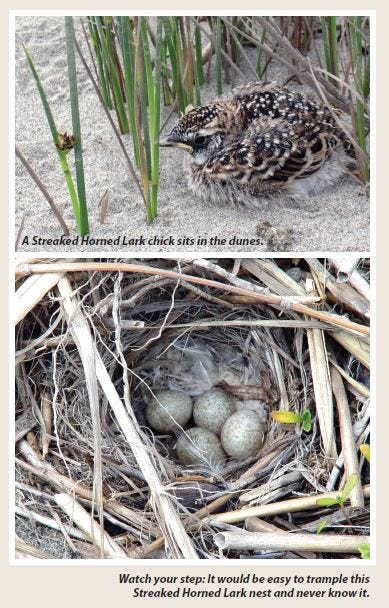
Have you ever wondered why some birds choose to build their nests right on the ground? It might surprise you, but ground nesting is a clever survival strategy that many bird species rely on.
Understanding this behavior can change the way you see nature around you and help you protect these vulnerable nests. You’ll discover the secrets behind bird nesting on the ground, why it matters, and what you can do to make sure these tiny homes stay safe.
Keep reading—you’re about to see the natural world from a whole new perspective.
Why Birds Nest On The Ground
Many bird species choose to build their nests on the ground. This choice depends on their habitat and survival needs. Ground nesting helps birds protect their eggs and young in special ways.
Understanding why birds nest on the ground can teach us about their behavior and environment. It also shows the challenges they face to keep their nests safe.
Common Ground-nesting Species
Several bird species often make their homes on the ground. These birds have adapted to life without tall nests in trees or bushes. Some of the common ground-nesting birds include:
- Killdeer
- Plovers
- Quail
- Skylarks
- Oystercatchers
Benefits Of Ground Nesting
Ground nesting offers many advantages to birds. These benefits help them raise their young successfully. Some key benefits are:
- Easy access to food on the ground.
- Better camouflage using natural surroundings.
- Less competition for high nesting spots.
- Faster escape routes from predators.
- Ability to build larger nests on flat surfaces.
Challenges Faced By Ground-nesting Birds
| Challenge | Description |
|---|---|
| Predators | Birds and animals can find nests easily on the ground. |
| Weather | Rain and floods may destroy eggs or young birds. |
| Human Activity | Walking, farming, or vehicles may harm nests. |
| Parasites | Ground nests can attract insects that harm chicks. |
Identifying Ground Nests Safely
Birds often build nests on the ground to lay their eggs. Spotting these nests helps protect the birds and their young. It is important to identify nests without causing harm or stress.
Learning to find ground nests safely requires careful observation and respect for wildlife. This guide shows you how to recognize nests and avoid disturbing them.
Signs Of Nest Presence
Look for subtle clues that signal a nest nearby. Birds leave marks or create small shelters on the ground. These signs help you find nests without stepping too close.
- Flattened grass or leaves in a small area
- Feathers scattered around
- Tracks or droppings near a hidden spot
- Adult birds acting alert or protective
- Small holes or depressions in the soil
Avoiding Disturbance
Once you find signs of a nest, take steps to keep it safe. Disturbing nests can cause birds to leave or attract predators. Stay calm and keep your distance.
- Do not touch or move the nest or eggs
- Keep pets and children away from the area
- Avoid loud noises or sudden movements nearby
- Observe the nest only from a distance
- Mark the location mentally or with a non-intrusive sign
Tools For Spotting Nests
Using simple tools can help you find nests without getting too close. These tools improve safety for both you and the birds.
| Tool | Use | Benefit |
| Binoculars | View nests from a distance | Prevents disturbance |
| Walking Stick | Gently move grass or leaves | Reduces risk of stepping on nests |
| Field Guide | Identify bird species and nests | Helps confirm nest presence |
| Camera with Zoom | Document nests safely | Allows detailed observation |
Creating A Safe Environment
Birds that nest on the ground need safe places to raise their young. Protecting these areas helps birds survive and grow.
Simple actions can reduce dangers from humans, pets, and loss of plants. These steps create a better home for ground-nesting birds.
Minimizing Human Impact
People can scare birds or destroy nests by walking near them. Keep distance from known nesting sites to avoid harm.
Use signs or barriers to mark sensitive areas. Stay on trails and avoid disturbing the ground vegetation where birds nest.
- Stay away from nests and eggs
- Keep noise levels low near nesting areas
- Follow local rules about wildlife protection
Controlling Pets And Predators
Pets like dogs and cats can chase or harm ground-nesting birds. Always keep pets on a leash or away from nesting spots.
Wild predators also threaten nests. Use safe methods to manage animals that hunt birds or eat their eggs.
- Leash pets near nesting areas
- Remove food scraps that attract predators
- Use fencing if needed to protect key sites
Maintaining Natural Vegetation
Plants provide cover and food for ground-nesting birds. Avoid clearing or mowing areas where birds build nests.
Let native grasses and shrubs grow naturally. This helps birds hide from danger and find materials to build nests.
- Do not remove native plants in nesting areas
- Control invasive species that harm native plants
- Plant native grasses to improve habitat quality

Credit: www.reddit.com
Do’s And Don’ts Around Ground Nests
Birds that build nests on the ground need extra care from people. These nests are easy to disturb by accident.
Knowing what to do helps protect the birds and their babies. Follow simple rules to keep ground nests safe.
Respecting Nest Boundaries
Stay away from marked or visible ground nests. Birds feel stressed if you get too close.
Keep pets and children away from nesting areas. This helps prevent accidental damage to the nests.
- Do not walk near or on nesting sites
- Observe nests from a safe distance
- Use binoculars to watch birds without disturbing them
- Follow local guidelines about protected areas
Avoiding Unnecessary Handling
Never touch eggs, chicks, or adult birds. Handling can cause harm and make birds leave their nest.
Only trained wildlife experts should handle birds for rescue or care. Untrained people may cause more damage.
- Do not move or pick up eggs or chicks
- Avoid touching adult birds on the ground
- Keep noise low to avoid frightening birds
- Report nests only to trusted wildlife groups
Reporting Injured Birds
If you find an injured bird near a ground nest, report it right away. Quick help can save the bird’s life.
Contact local wildlife rescue or animal control. Do not try to care for the bird by yourself unless trained.
- Note the bird’s location and condition
- Keep pets and people away from the injured bird
- Call local wildlife rescue or animal services
- Follow instructions from professionals
Supporting Conservation Efforts
Birds that nest on the ground face many threats. Protecting them helps keep nature balanced.
Communities can play a big role in saving these birds. Everyone can join in to support their safety.
Community Awareness Programs
Teaching people about ground-nesting birds is important. It helps reduce harm to their nests.
- Workshops in schools and parks
- Flyers and posters in local areas
- Social media posts with simple facts
- Events during bird nesting seasons
Volunteer Opportunities
Volunteers help protect bird habitats and watch for dangers. They make a big difference.
- Patrol nesting areas to keep them safe
- Help clean and restore natural sites
- Guide visitors to avoid disturbing nests
- Assist with educational talks and tours
Monitoring And Research
Scientists and volunteers track bird numbers and health. This data helps plan better protection.
| Activity | Purpose | Frequency |
| Nest Counting | Estimate bird population size | Seasonal |
| Predator Checks | Identify threats to nests | Monthly |
| Habitat Quality Survey | Assess nesting environment | Biannually |
| Data Analysis | Guide conservation efforts | Yearly |

Credit: themercury.com
Dealing With Nest Emergencies
Birds sometimes build nests on the ground. These nests face many dangers. Knowing how to help can save young birds or eggs.
It is important to act carefully. Wrong actions can harm the birds. Learn when and how to help if you find a ground nest in trouble.
When To Intervene
Do not rush to touch or move the nest. Intervene only if the nest is in immediate danger. For example, if predators are near or if the nest is in a busy path.
If the nest is safe and the birds seem healthy, it is best to leave them alone. Parents usually stay close and care for their young.
Contacting Wildlife Experts
If you find a nest that is damaged or abandoned, contact a local wildlife expert. They know the best ways to help the birds safely.
- Note the nest’s location and condition.
- Do not touch the birds or eggs.
- Call a wildlife rescue center or animal control.
- Follow their advice carefully.
Temporary Protection Measures
While waiting for help, you can protect the nest from harm. Keep people and pets away from the area.
- Place a small barrier around the nest using sticks or stones.
- Use natural materials to cover the nest lightly from rain.
- Do not use plastic or artificial covers.
- Keep noise and movement near the nest to a minimum.

Credit: www.reddit.com
Frequently Asked Questions
Why Do Birds Nest On The Ground?
Birds nest on the ground to avoid predators and find suitable habitat. Ground nesting offers camouflage and easy access to food sources nearby.
Which Birds Commonly Build Ground Nests?
Common ground-nesting birds include plovers, killdeer, and quail. These species prefer open fields, beaches, or grasslands for nesting.
How Do Ground-nesting Birds Protect Their Eggs?
Ground-nesting birds use camouflage and minimal movement to protect eggs. Parents often stay nearby and distract predators to safeguard their nests.
What Threats Do Ground Nests Face?
Ground nests face threats from predators, human activity, and weather. Eggs and chicks are vulnerable to trampling and habitat destruction.
Conclusion
Ground-nesting birds offer a fascinating look into nature’s wonders. They adapt to survive and thrive. Observing their behavior can be truly rewarding. You can help by keeping their habitats safe. Protect their nests by avoiding disturbance. Simple actions can make a big difference.
Respect their space and enjoy watching from a distance. Ground-nesting birds are vital to our ecosystem. They deserve our attention and care. Next time you spot a nest, remember these tips. Let’s preserve these unique birds for future generations. Share the knowledge and spread awareness.
Together, we can support their survival.



