Have you ever paused by a river and noticed tiny nests tucked along its banks? Bird nesting on riverbanks is a fascinating natural event that you might not fully realize how important it is.
These spots are more than just dirt and water—they’re safe homes where birds raise their young. Understanding why birds choose these areas can change the way you see rivers forever. Keep reading, and you’ll discover secrets about riverbank birds that will surprise and inspire you.
Your next visit to the river will never feel the same again.
Bird Nesting Habits On Riverbanks
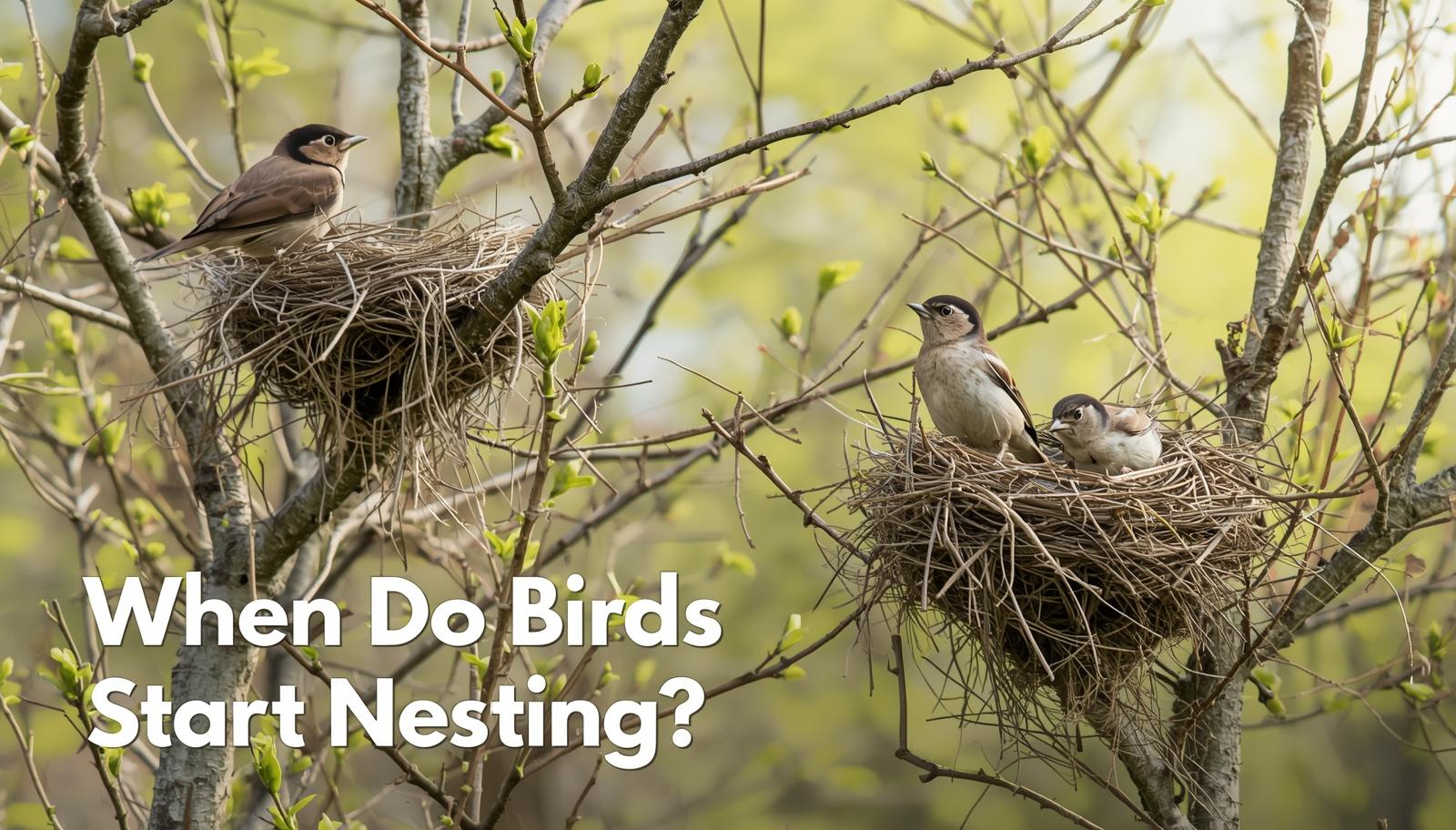
Birds often build nests along riverbanks. These areas provide food, water, and shelter. Riverbanks offer safe spots for many bird species to raise their young.
Nesting on riverbanks helps birds stay close to food sources like fish and insects. The natural cover protects nests from predators and harsh weather.
Common Species Found
Many birds prefer riverbanks for nesting. Some species are well known for choosing these spots. Their nests can often be seen near water edges.
Birds like kingfishers, herons, and sandpipers are common. These birds rely on river habitats for food and safety during breeding seasons.
- Kingfishers
- Great blue herons
- Sandpipers
- Swallows
- Ospreys
Nesting Materials And Locations
Birds use various materials to build nests on riverbanks. They collect sticks, leaves, grasses, and mud. These materials help create strong, secure nests.
Nests are often built in trees, shrubs, or on the ground near water. Some birds dig burrows in riverbanks to protect their eggs from predators.
- Twigs and small sticks
- Leaves and grasses
- Mud and clay
- Feathers for lining
- Burrows in riverbanks
Seasonal Patterns
Birds on riverbanks nest mostly in spring and early summer. This timing matches the availability of food and warmer weather. Nesting ends before fall migration.
Some species have one nesting season per year. Others may raise two or more broods if conditions are good. Seasonal changes affect nesting success.
- Spring and early summer nesting
- Food availability drives timing
- Warmer weather supports chick growth
- Some birds raise multiple broods
- Fall migration ends nesting season

Credit: www.youtube.com
Threats To Riverbank Nesting Birds
Birds that nest on riverbanks face many dangers. These threats can harm their homes and their young.
Understanding these threats helps us protect these birds and keep their populations safe.
Habitat Destruction
Riverbank habitats are often destroyed by human activities. Construction and farming remove plants and soil.
Without safe places to build nests, birds struggle to raise their chicks.
- Building roads and homes near rivers
- Cutting down trees and plants
- Changing river flow by dams
Pollution Impact
Pollution from chemicals and trash harms riverbank birds. Toxic substances can poison birds and their food.
Trash like plastic can trap or injure birds and their chicks.
- Runoff from farms carries pesticides
- Oil spills pollute water and soil
- Plastic waste causes injuries and death
Human Disturbance
Humans visiting riverbanks can scare nesting birds. Loud noises and movement cause birds to leave nests.
Frequent disturbances make it hard for birds to feed and care for their young.
- Boating and fishing near nests
- Walking pets close to nesting areas
- Camping and fires near riverbanks
Conservation Strategies
Birds that nest on riverbanks need safe and healthy places to live. Conservation helps protect these habitats. It also supports the birds’ survival and growth.
This article covers key strategies to conserve bird nesting areas on riverbanks. The focus is on habitat restoration, buffer zones, and community efforts.
Habitat Restoration Techniques
Restoring riverbank habitats helps birds build nests safely. Planting native trees and shrubs gives birds shelter and food. Removing invasive plants helps native species thrive.
- Plant native vegetation to stabilize soil
- Remove invasive plant species
- Create small wetlands to increase water quality
- Restore natural river flow patterns
Protective Buffer Zones
Buffer zones keep harmful activities away from nesting sites. These zones reduce pollution and human disturbance. They protect birds from predators and floods.
| Buffer Zone Type | Purpose | Recommended Width |
| Vegetation Strip | Stops soil erosion | 10-30 meters |
| Restricted Access Area | Limits human activity | 20-50 meters |
| Floodplain Area | Absorbs flood water | Variable by river size |
Community Involvement
Local communities play a big role in protecting riverbank birds. Education and participation increase awareness. Volunteers can help monitor nests and clean habitats.
Ways to involve communities include:
- Organizing riverbank clean-up events
- Teaching children about local birds
- Training volunteers to watch nests
- Sharing updates on conservation progress
Monitoring And Research
Studying bird nesting on riverbanks helps scientists understand their health. Monitoring these sites shows how birds survive and reproduce.
Research guides actions to protect birds and keep their habitats safe for future generations.
Tracking Nest Success
Researchers watch nests to see how many eggs hatch and how many chicks survive. This data shows if birds are thriving or facing problems.
- Check nests regularly without disturbing birds
- Record the number of eggs and hatched chicks
- Note any predators or threats nearby
- Mark nests to track over time
Data Collection Methods
Scientists use many tools to collect data safely. They combine direct observations with technology to get accurate results.
| Method | Description |
| Visual Checks | Watching nests through binoculars from a distance |
| Remote Cameras | Using cameras to monitor nests without disturbance |
| GPS Tagging | Tracking bird movements near riverbanks |
| Field Notes | Recording observations and weather conditions |
Collaborative Efforts
Protecting riverbank birds needs teamwork. Researchers, local groups, and governments share knowledge and resources.
Partners often:
- Share data to improve research
- Plan conservation actions together
- Train volunteers for monitoring
- Raise public awareness about bird protection
Policy And Legal Framework
Birds nesting on riverbanks need protection to keep their homes safe. Laws and policies help conserve these important habitats. Proper rules guide how people use riverbanks to avoid disturbing nesting birds.
This section explains the regulations, enforcement challenges, and incentives to support bird nesting conservation along riverbanks.
Regulations Protecting Nesting Sites
Many countries have rules to protect birds and their nesting areas on riverbanks. These laws stop activities that can harm nests or disturb birds during breeding seasons.
- Prohibit construction near nesting sites during breeding seasons
- Restrict pollution and waste dumping in river areas
- Set buffer zones along riverbanks to protect nests
- Ban hunting or capturing nesting birds
Enforcement Challenges
Enforcing laws on riverbank nesting sites is difficult. Some areas are hard to reach. Limited staff and resources slow down monitoring and action.
| Challenge | Impact |
| Remote locations | Hard to monitor nests |
| Limited funding | Fewer patrols and checks |
| Low public awareness | People may break rules unknowingly |
| Illegal activities | Hunting and habitat destruction continue |
Incentives For Conservation
Giving rewards and support helps people protect bird nests. Incentives encourage local communities and landowners to care for riverbank habitats.
- Financial aid for habitat restoration
- Recognition programs for conservation efforts
- Training on sustainable land use
- Access to eco-tourism opportunities

Credit: www.youtube.com
Practical Tips For Conservationists
Bird nesting on riverbanks is an important part of many species’ life cycles. Protecting these areas helps keep bird populations healthy.
Conservationists can use simple steps to support bird nesting while keeping the environment safe and natural.
Minimizing Disturbance
Birds need quiet and safe places to build nests. Disturbance can cause them to leave their nests or stop nesting.
Limit human activities like walking or boating near nesting sites during breeding seasons. Use signs to warn people to stay away.
- Keep a safe distance from nests
- Set up temporary barriers if needed
- Avoid loud noises near nesting areas
- Restrict access during nesting season
Managing Invasive Species
Invasive plants and animals can harm bird habitats on riverbanks. They may destroy nests or compete for food.
Remove invasive species carefully to protect native plants and birds. Use safe methods that do not hurt other wildlife.
- Identify invasive species early
- Use manual removal or approved herbicides
- Monitor the area regularly
- Restore native plants after removal
Educational Outreach
Teaching people about bird nesting helps protect riverbank habitats. Awareness encourages respect and care for wildlife.
Use workshops, signs, and social media to share simple tips. Show how everyone can help birds thrive safely.
- Explain why riverbanks matter for birds
- Show how to avoid disturbing nests
- Promote native planting and cleanup events
- Involve schools and community groups
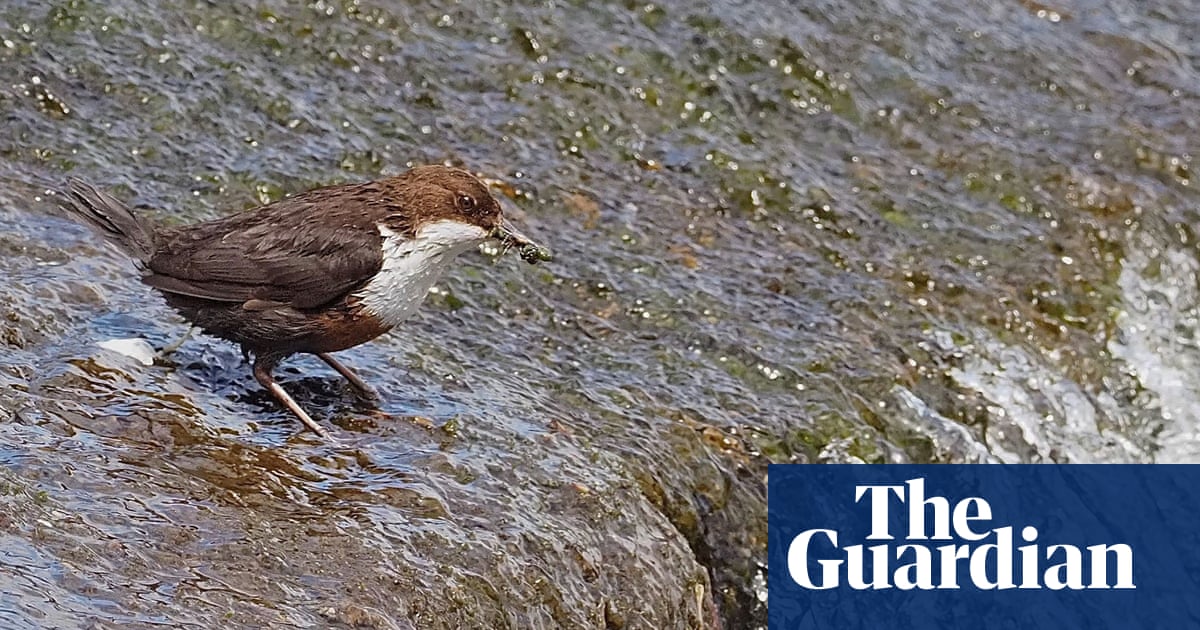
Credit: www.theguardian.com
Frequently Asked Questions
Why Do Birds Choose Riverbanks For Nesting?
Birds prefer riverbanks because these areas offer abundant food and water. Riverbanks provide natural protection from predators and harsh weather. The vegetation near rivers also offers excellent materials for building nests. This habitat supports diverse bird species, making it ideal for raising their young safely.
What Types Of Birds Nest On Riverbanks?
Common riverbank nesting birds include kingfishers, swallows, herons, and sandpipers. These species rely on water ecosystems for food and shelter. Each bird adapts its nesting style to suit the riverbank environment. This diversity supports a rich ecological balance along river ecosystems.
How Do Riverbank Nests Affect Local Ecosystems?
Riverbank nests contribute to ecosystem health by supporting bird populations. Birds control insect numbers and disperse seeds, enhancing plant growth. Nesting activity indicates a healthy, balanced environment. Protecting these habitats helps maintain biodiversity and ecosystem resilience.
When Is The Peak Nesting Season On Riverbanks?
Peak nesting season on riverbanks usually occurs in spring and early summer. During this time, birds lay eggs and raise chicks. The warmer weather and increased food availability support successful breeding. Observing nests during this season helps understand bird behavior and ecosystem health.
Conclusion
Bird nesting on riverbanks offers a glimpse into nature's wonders. These birds find safety and resources near water. Watching them can be relaxing and educational. Their nesting habits teach us about nature's balance. As humans, we must protect these habitats.
By doing so, we ensure a future for these birds. Everyone can play a part. Simple actions make a big difference. Keep riverbanks clean and undisturbed. Enjoy observing the beauty of bird life. It's a rewarding experience for all ages.
Let's cherish and respect these natural marvels.