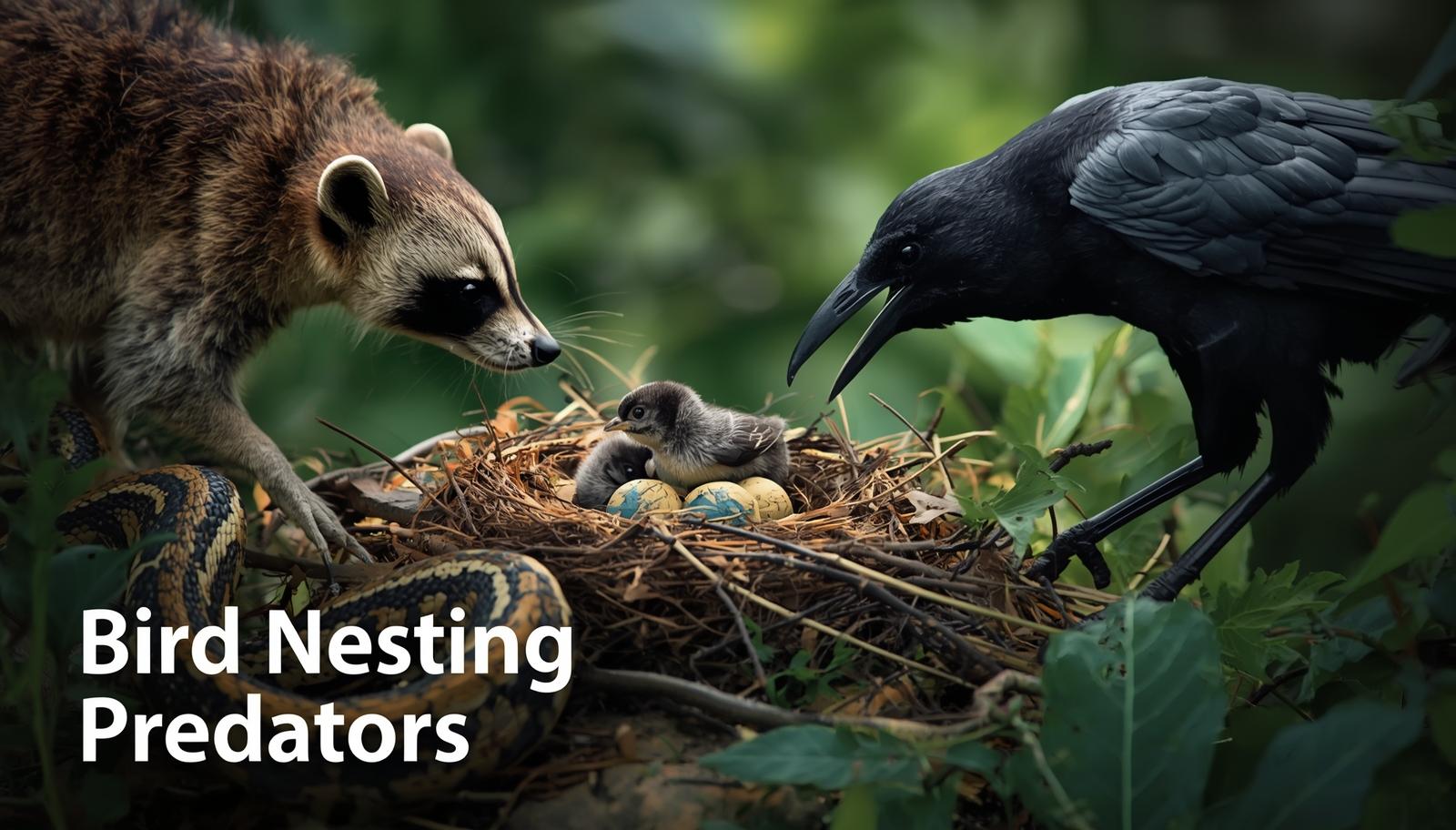
Have you ever wondered what threats your backyard birds face while they’re nesting? Bird nesting predators are a hidden danger that can quickly turn a cozy nest into an empty shell.
Knowing who these predators are and how they operate can help you protect the fragile eggs and chicks you care about. You’ll discover the most common nest raiders and simple ways to keep your feathered friends safe. Keep reading to become the guardian your local birds desperately need.
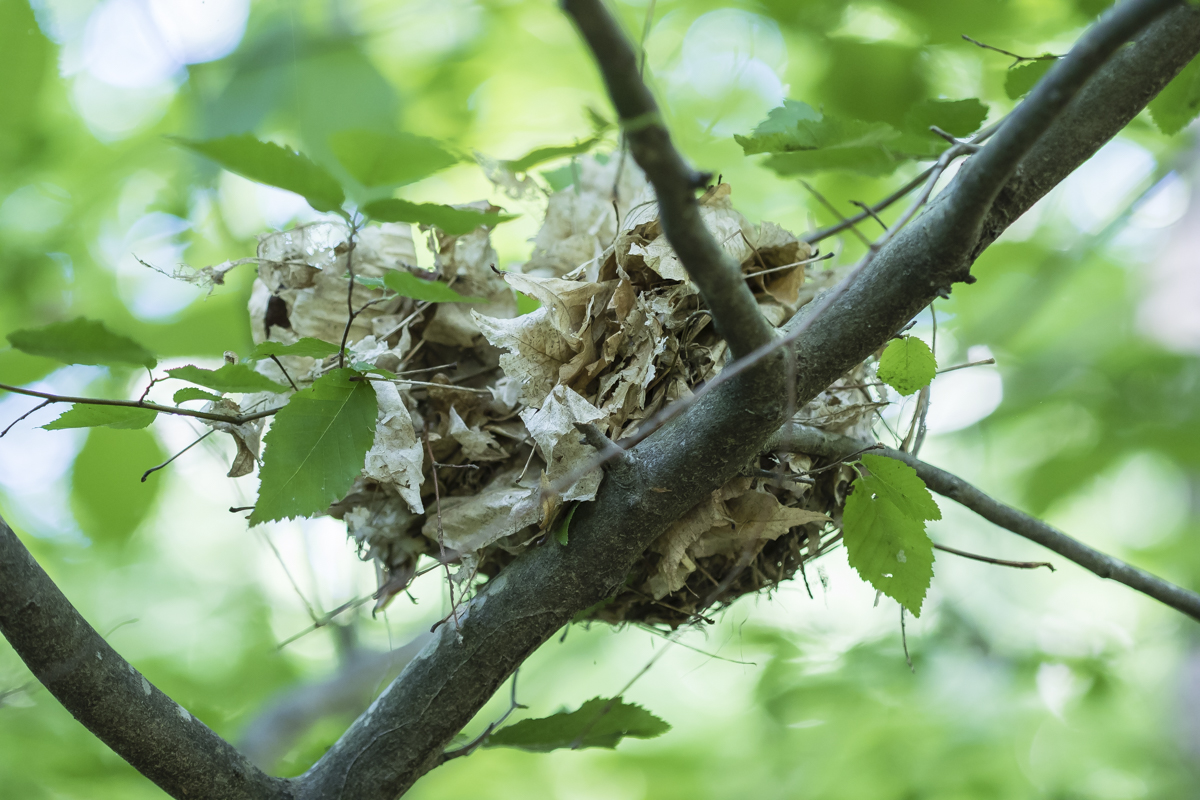
Credit: roadsendnaturalist.com
Common Nesting Predators
Bird nests face many dangers from different predators. These predators can harm eggs, chicks, or even adult birds.
Understanding common nesting predators helps protect bird populations. These threats come from mammals, birds, reptiles, and invasive species.
Mammalian Threats
Mammals are some of the most common nest predators. They can climb trees or dig to reach nests on the ground.
Common mammalian threats include raccoons, squirrels, and foxes. They often eat eggs or young birds.
- Raccoons: Skilled climbers that raid nests at night
- Squirrels: Eat eggs and sometimes chicks
- Foxes: Hunt ground nests mainly
- Weasels: Small but fast nest raiders
Avian Predators
Some birds prey on other birds’ nests. They steal eggs or catch chicks to eat.
Predatory birds include crows, jays, and hawks. They use sharp beaks and quick moves to attack nests.
- Crows: Known for raiding eggs in many areas
- Jays: Can break eggs and eat young birds
- Hawks: Hunt chicks and small adult birds
- Owls: Attack nests during the night
Reptilian Dangers
Reptiles also threaten bird nests, especially in warm climates. They eat eggs and young birds.
Common reptile predators include snakes and monitor lizards. They can slither or climb to find nests.
- Snakes: Climb trees to reach eggs and chicks
- Monitor lizards: Hunt nests on the ground and low branches
- Geckos: Sometimes eat small eggs
Invasive Species Impact
Invasive species can cause new threats to bird nests. They often lack natural predators in new areas.
Examples include invasive rats, cats, and ants. These species destroy nests and reduce bird populations.
- Rats: Eat eggs and chicks, especially on islands
- Feral cats: Hunt adult birds and young birds
- Invasive ants: Attack eggs and small chicks
Predator Behavior And Nest Vulnerability
Bird nests face threats from many predators. These predators use different methods to find and attack nests. Understanding their behavior helps explain why some nests are more vulnerable.
Predators look for easy targets and use timing and location to increase their chances. Nest vulnerability depends on these predator habits and environmental factors.
Hunting Techniques
Predators use many hunting techniques to find bird nests. They rely on sight, smell, and sound to locate eggs or chicks. Some predators climb trees, while others search on the ground.
- Visual searching: scanning branches and leaves for nests
- Listening for chick calls to find hidden nests
- Following parent birds to their nests
- Using scent to detect eggs or young birds
Nest Location Risks
The location of a nest affects its safety. Some spots are easy for predators to reach. Others are hidden or hard to access. Nests near the ground face more danger than those high in trees.
| Location | Risk Level | Reason |
| Ground | High | Easy access for many predators |
| Low bushes | Medium | Some cover but still reachable |
| High trees | Low | Difficult for ground predators to reach |
| Cliff ledges | Low | Hard to access but visible |
Timing Of Predation
Predators often target nests at certain times. They may strike when eggs are laid or when chicks are young and vulnerable. Some predators hunt more at night, others during the day.
Common timing patterns:
- Early morning attacks when parent birds leave
- Nighttime raids by nocturnal predators
- Midday searches when nests are less guarded
Signs Of Nest Predation
Bird nests face many dangers from predators. Recognizing signs of nest predation helps protect bird populations.
Predators leave clues that show their presence. These clues include damage to nests, missing eggs, and animal tracks.
Physical Damage Indicators
Predators often break or disturb nest materials. Torn leaves, broken twigs, and scattered feathers are common signs.
- Broken or missing nest lining
- Damaged eggshell fragments around the nest
- Displaced nest structure or fallen nests
- Chewed or clawed edges of the nest
Egg And Chick Loss Patterns
Predators usually eat eggs or chicks. Patterns of loss vary by predator type and attack method.
| Predator Type | Egg Loss Pattern | Chick Loss Pattern |
| Snake | Eggs pierced or eaten whole | Rarely attacks chicks |
| Raccoon | Eggs crushed or missing | Chicks taken or killed |
| Bird of Prey | Eggs usually untouched | Chicks snatched from nest |
| Rat | Eggs cracked and eaten | Small chicks vulnerable |
Tracks And Scat Evidence
Predator footprints and droppings near nests give clues about who attacked.
Common signs include:
- Footprints around the nest area
- Animal droppings or scat nearby
- Scratch marks on the ground or tree bark
Use a guidebook to match tracks and scat to local predators.

Credit: roadsendnaturalist.com
Habitat Management For Protection
Bird nests face threats from many predators. Protecting these nests helps bird populations grow. Managing habitats can lower predator risks.
Good habitat management means giving birds safe places to build nests. It also means controlling plants and blocking predators.
Creating Safe Nesting Sites
Birds need quiet, hidden spots to build nests. Providing safe nesting sites helps keep eggs and chicks safe. Use natural or artificial shelters.
Place nest boxes away from ground predators. Use sturdy materials that protect against weather and animals.
- Install nest boxes on poles or trees
- Choose spots with low human traffic
- Use materials that block predator entry
Vegetation Control
Manage plants around nesting areas to improve safety. Remove dense weeds where predators hide. Keep open spaces near nests.
Trim bushes and low branches to reduce cover for snakes and mammals. Healthy plants also support insects and food for birds.
- Clear thick underbrush near nests
- Keep grass short around nesting sites
- Maintain native plants that do not attract predators
Reducing Predator Access
Block predators from reaching nests by using barriers. Protect nests from climbing animals with guards or fencing.
Remove predator attractants like food scraps. Check areas often to spot and remove predators early.
- Install predator guards on poles
- Use fencing to keep out ground predators
- Clean up leftover food and trash
Use Of Nest Boxes And Deterrents
Bird nesting predators can harm eggs and young birds. Using nest boxes and deterrents helps protect them. These methods provide safe places for birds to raise their young.
Careful design and installation of nest boxes, barriers, and technology can reduce predator threats. This guide explains how to use these tools effectively.
Designing Predator-resistant Nest Boxes
Good nest box design keeps predators out. Use strong materials like thick wood or metal. Make the entrance hole small to fit only the target bird species.
- Use metal or hard plastic around the entrance hole to stop chewing.
- Place the box high on a pole or tree away from easy climbing routes.
- Seal all edges and corners to prevent predator entry.
- Ensure proper ventilation without large openings.
Installing Barriers And Guards
Barriers and guards block predators from reaching the nest box. Place them around poles or trees that hold the boxes. Use materials that are hard to climb or chew through.
| Barrier Type | Description | Best Use |
| Metal baffle | Round or cone-shaped guard that slides over poles | Stops climbing snakes and mammals |
| Plastic or metal collar | Flat guard fixed around tree trunks | Blocks raccoons and squirrels |
| Sticky or slippery tape | Tape wrapped around poles | Prevents climbing by some animals |
Technological Solutions
Technology can add extra protection. Motion-activated lights or sounds scare predators away. Cameras help monitor activity near nest boxes.
- Motion sensor lights that turn on at night
- Ultrasonic sound emitters to deter mammals
- Remote cameras to watch for predators
Community Involvement And Monitoring
Protecting bird nests requires the help of many people in the community. Watching nests and reporting dangers can save many birds.
Simple actions from volunteers can give scientists important information. Together, communities help keep bird populations safe.
Citizen Science Programs
Citizen science programs let people join in bird protection. Volunteers learn to spot nests and record data. This helps experts track bird health and threats.
- Attend training sessions on bird and predator identification
- Use apps to submit nest sightings and photos
- Share observations during migration seasons
- Help spread awareness in your neighborhood
Regular Nest Checks
Checking nests often helps find problems early. Volunteers can spot signs of predators or damage. Careful monitoring keeps nests safe.
| Check Frequency | What to Look For | Action |
| Weekly | Predator tracks, broken eggs | Report to local wildlife group |
| Biweekly | Nest condition, bird behavior | Record data and photos |
| Monthly | Vegetation changes, nearby threats | Update monitoring logs |
Reporting And Responding To Threats
Quick reporting helps stop harm to nests. Volunteers should inform authorities about predators or human interference. Acting fast can save nests.
- Call the local wildlife protection hotline
- Send photos and location details by email or app
- Follow instructions from wildlife officers
- Join community patrols if available
Legal Protections And Conservation Efforts
Bird nesting predators can harm bird populations by destroying eggs and young birds. Protecting these birds helps keep nature balanced. Many laws and efforts exist to help birds and their nests stay safe.
Understanding these protections and efforts shows how people work to save birds. This helps keep healthy bird numbers for future generations.
Wildlife Protection Laws
Wildlife protection laws stop people from harming birds and their nests. These laws make it illegal to destroy or take eggs from wild birds.
Many countries have specific rules to protect bird species that are at risk. These laws also limit hunting of predators that attack nests.
- Protect nests from being disturbed
- Ban hunting of endangered bird species
- Control predator populations legally
- Penalties for breaking wildlife laws
Conservation Organizations
Conservation groups work to protect birds and their habitats. They study bird predators and find ways to reduce harm to nests.
These organizations teach people how to help birds. They also push for stronger laws and support restoration work.
- Monitor bird and predator populations
- Raise public awareness about bird safety
- Advocate for better wildlife laws
- Support local and global conservation projects
Restoration Projects
Restoration projects rebuild bird habitats to protect nests from predators. These projects create safe areas for birds to breed.
Efforts include planting trees, building nest boxes, and controlling predator numbers in key areas.
- Plant native trees and shrubs
- Install artificial nest boxes
- Manage predator populations carefully
- Restore wetlands and other habitats
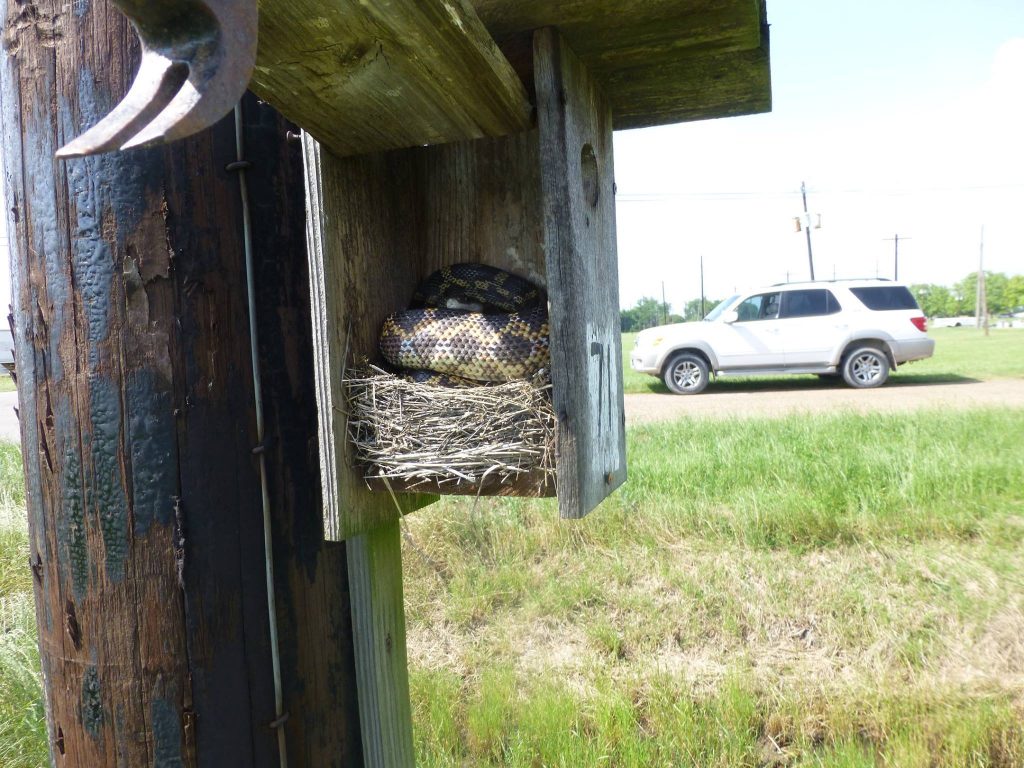
Credit: nestwatch.org
Frequently Asked Questions
What Animals Are Common Bird Nesting Predators?
Common bird nesting predators include raccoons, snakes, crows, squirrels, and cats. These animals often raid nests for eggs and chicks.
How Do Predators Affect Bird Nesting Success?
Predators reduce bird nesting success by eating eggs or young birds. This lowers population growth and affects species survival.
What Signs Indicate Bird Nest Predation?
Signs include disturbed nests, missing eggs, broken shells, and absence of chicks. Predators often leave tracks or droppings nearby.
How Can I Protect Bird Nests From Predators?
Use predator guards, place nests in safe locations, and avoid disturbing nests. Natural barriers and monitoring also help deter predators.
Conclusion
Protecting bird nests from predators is crucial for bird survival. Simple actions help preserve bird populations. Planting native shrubs offers birds safe nesting spots. Removing potential predators like stray cats can make a big difference. Educating others about bird safety increases awareness.
Every small effort counts. Keep bird habitats clean and undisturbed. Nature thrives when we care. Appreciate the beauty and diversity birds bring. Their songs and colors enrich our environment. Let’s ensure they continue to flourish. Together, we can support healthy bird populations.
Your actions today will impact future generations.