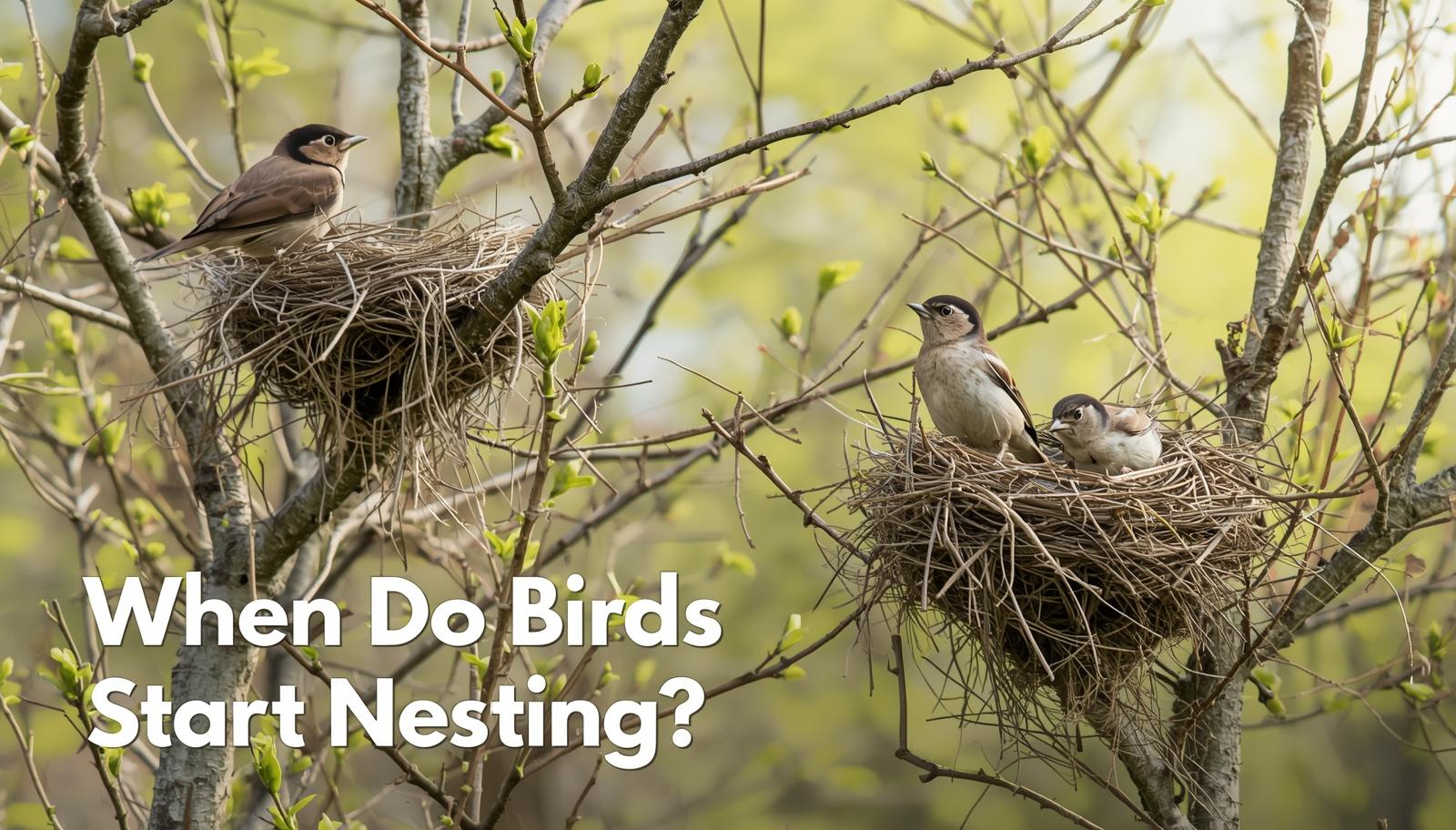
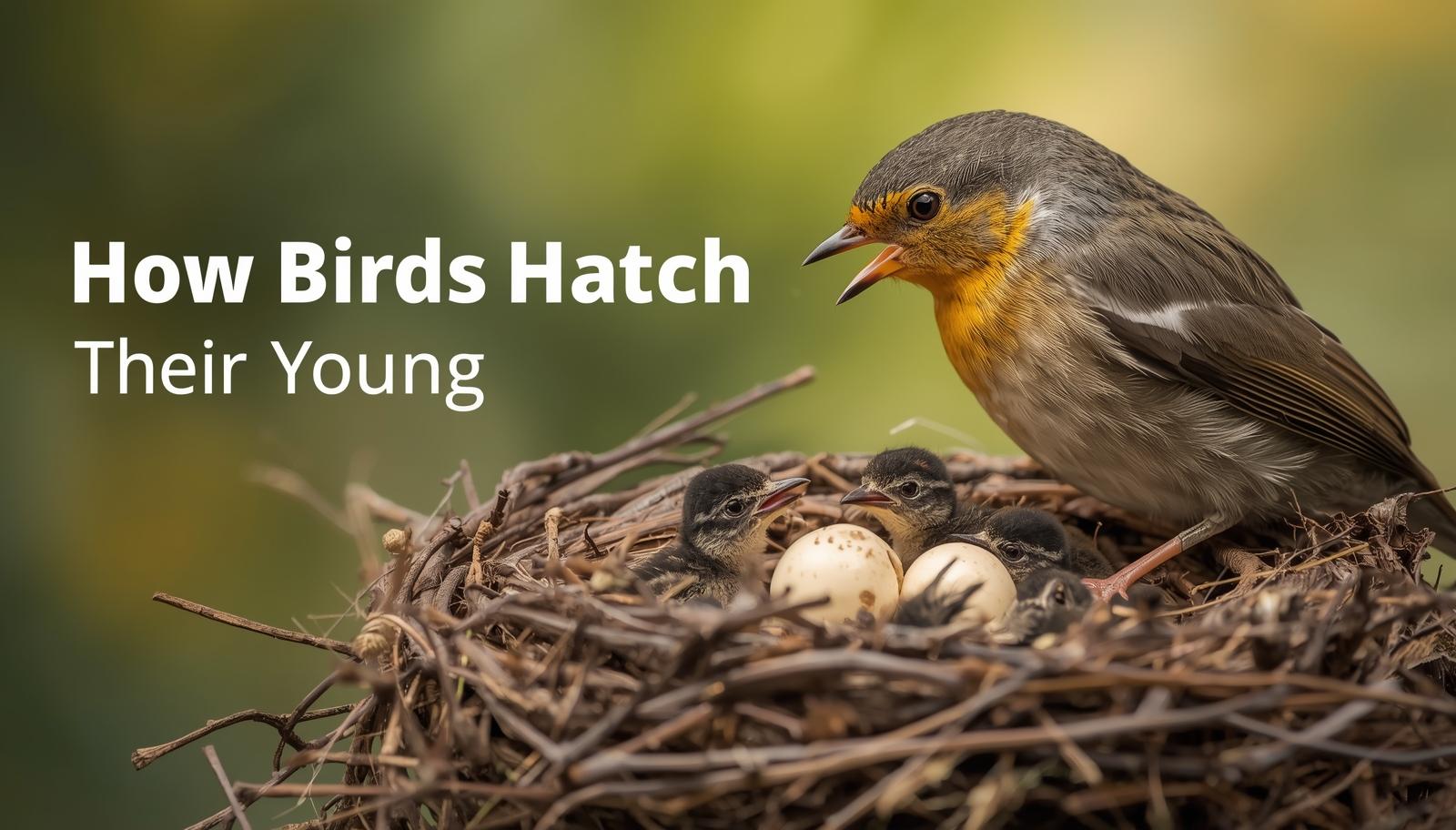
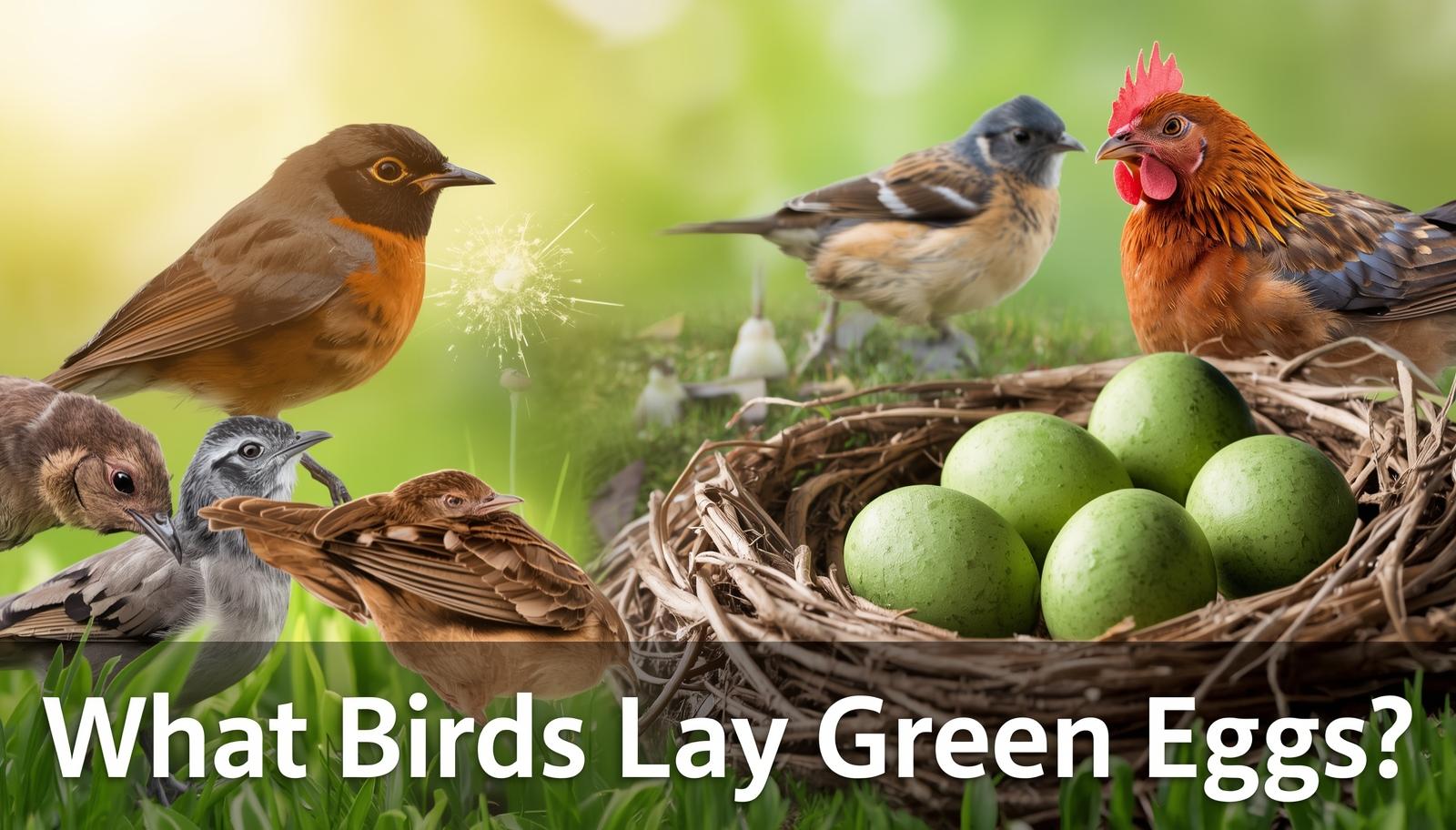
Have you ever wondered how birds choose the perfect spot to build their nests? Understanding bird nesting strategies can open your eyes to the incredible ways these creatures protect their young and survive in the wild.
Whether you’re a nature lover, a backyard bird watcher, or simply curious, knowing these strategies will change how you see birds forever. Keep reading, and you’ll discover surprising facts and simple tips that make bird watching more exciting and meaningful for you.

Credit: www.birdwatchingdaily.com
Types Of Bird Nests
Birds build different types of nests to protect their eggs and young. These nests vary in shape, size, and location.
Understanding the types of bird nests helps us learn about bird behavior and their habitats.
Cup Nests
Cup nests are the most common kind of bird nest. They are shaped like a cup and made from twigs, grass, and leaves.
These nests are often found in trees or shrubs. Birds like robins and sparrows use cup nests.
Cavity Nests
Cavity nests are built inside holes in trees or wood. Some birds use natural holes, while others dig their own.
- Woodpeckers make holes in tree trunks.
- Owls and some ducks use old holes.
- These nests protect eggs from weather and predators.
Platform Nests
Platform nests are large and flat. Birds build them on branches, cliffs, or man-made structures.
| Bird Species | Platform Nest Location |
| Ospreys | High tree branches or poles |
| Bald Eagles | Large trees near water |
| Storks | Roofs and tall trees |
Ground Nests
Ground nests are made on the soil or among plants. They are often hidden by grass or leaves.
Birds that use ground nests include:
- Plovers
- Quails
- Some ducks
These nests are simple but well camouflaged for safety.
Choosing The Right Nest Site
Birds need to pick good places to build their nests. The right site helps keep eggs and chicks safe. It also makes sure they have food and shelter nearby.
Choosing a nest site is important for bird survival. Birds look for places that protect them from harm and weather.
Safety From Predators
Birds pick nest sites where predators cannot reach easily. High trees or dense bushes can stop animals like snakes and cats.
Some birds use thorny plants or hidden spots to keep their nests safe. A safe nest helps eggs and chicks grow strong.
- High branches keep nests away from ground predators
- Thick leaves hide nests from birds of prey
- Thorny plants protect nests from climbing animals
Proximity To Food Sources
Birds choose nest sites near food to feed their young quickly. Being close to food saves time and energy.
Good food sources include trees with insects, berry bushes, or water with fish. Birds watch for places with plenty of food.
- Near insect-rich trees or plants
- Close to berry or seed-producing bushes
- Near water for fish or aquatic insects
Shelter From Weather
Birds need nests that protect them from sun, rain, and wind. Sheltered spots help keep eggs warm and dry.
Dense foliage or natural cavities block harsh weather. Good shelter increases the chance that chicks survive bad weather.
- Under thick leaves to block rain and sun
- Inside tree holes or rock crevices for wind protection
- Near natural barriers like tall bushes or cliffs
Avoiding Human Disturbance
Birds avoid nesting near people or noisy places. Human activity can scare birds and cause nest failure.
Quiet, remote areas help birds stay calm and focused on raising chicks. Birds look for places away from roads and buildings.
- Far from busy roads or paths
- In places with little human traffic
- Hidden spots away from buildings and noise
Materials For Nest Building
Birds use many materials to build their nests. These materials help keep eggs safe and warm.
Different birds choose different materials based on their needs and environment.
Natural Fibers
Many birds collect natural fibers for their nests. Fibers come from plants like grass, leaves, and bark.
- Grass blades are flexible and strong.
- Leaves add structure and cover.
- Bark strips offer support and insulation.
- Roots help bind the nest together.
Mud And Clay
Some birds use mud or clay to build or reinforce their nests. This makes the nest sturdy and weatherproof.
| Bird Species | Use of Mud |
|---|---|
| Swallows | Build cup-shaped nests on walls |
| Weaver Birds | Strengthen woven grass nests |
| Robins | Line nests for firmness |
Feathers And Soft Linings
Birds add feathers and soft materials inside their nests. These linings keep eggs warm and comfortable.
- Feathers provide warmth and cushioning.
- Animal fur can also be used for softness.
- Moss and lichen add gentle padding.
Recycled Materials
Some birds use human-made materials found nearby. These can include string, paper, and plastic bits.
These materials help birds build strong and sometimes colorful nests.
Timing Nest Construction
Birds build nests at the right time to protect their eggs and chicks. Timing helps them avoid bad weather and predators. Understanding when birds start helps us learn about their habits.
Different factors guide birds on when to begin nest building. These include the season, changes in the environment, and working with their mate. Let’s explore these key points.
Seasonal Considerations
Birds often build nests during seasons that give the best chance for chicks to survive. Spring is common because food is more available and temperatures are mild. Some birds wait for early summer or fall depending on their location.
- Spring offers warmer weather and more insects.
- Summer provides longer daylight for feeding chicks.
- Fall may be chosen by birds in tropical areas.
Environmental Cues
Birds watch for changes around them to know when to build nests. These signals include temperature, daylight length, and food supply. Birds respond quickly to these cues to pick the best time.
| Environmental Cue | Effect on Nesting |
| Increasing daylight | Triggers nesting hormones |
| Warmer temperatures | Encourages nest building |
| Abundance of food | Supports chick growth |
| Rainfall patterns | Affects nest site choice |
Synchronizing With Partner
Birds coordinate with their partners to start building nests together. This teamwork helps make strong nests faster. Communication through calls and displays helps them stay in sync.
How birds work with partners:
- Share nest materials
- Take turns building
- Signal readiness by singing
- Defend nest site together
Protecting The Nest
Birds use many ways to keep their nests safe. Protecting the nest helps eggs and chicks survive. Birds need to hide the nest and watch for danger.
Different species use special methods to guard their nests. These strategies reduce risks from predators and humans. Let’s explore some key ways birds protect their homes.
Camouflage Techniques
Birds often build nests that blend into their surroundings. They use colors and materials from nature to hide well. Camouflage makes it hard for predators to spot the nest.
- Use leaves, twigs, and moss matching the environment
- Choose nest locations with natural cover like bushes or trees
- Build nests with shapes that look like natural objects
- Line nests with materials that reduce shine or reflection
Guarding Behavior
Parent birds stay close to the nest to defend it. They may chase away animals or stay quiet to avoid notice. Guarding keeps eggs and chicks safe from harm.
| Behavior | Purpose |
| Alarm calls | Warn other birds of danger |
| Distraction displays | Lead predators away from the nest |
| Physical attacks | Scare off intruders |
| Silent watching | Avoid drawing attention |
Minimizing Human Impact
Humans can disturb nests without meaning to. Birds try to avoid areas with much human activity. Sometimes they build nests in hidden or hard-to-reach places.
Tips to reduce human impact near nests:
- Keep distance from nesting sites
- Do not touch or move nests
- Avoid loud noises near nests
- Stay on marked trails in nature areas
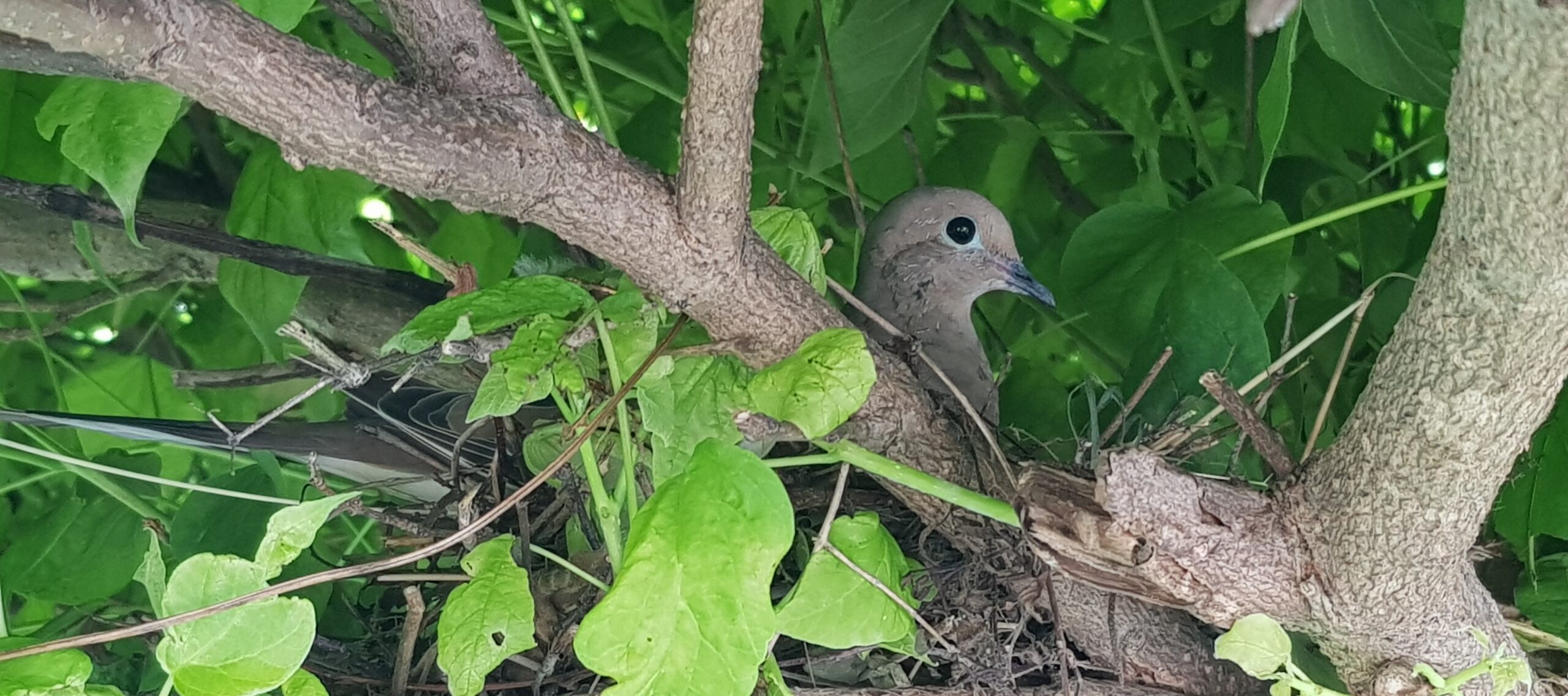
Credit: www.skedaddlewildlife.com
Monitoring Nest Success
Watching bird nests helps us learn how well eggs and chicks survive. It shows if the birds are safe and healthy.
By checking nests regularly, we can find problems early. This helps protect birds and their young.
Signs Of Healthy Eggs
Healthy eggs look clean and smooth. They should not have cracks or stains. The color is usually consistent and bright.
- Eggs are warm to touch
- Shells are hard and unbroken
- No foul smell around the eggs
- Eggs stay in place during incubation
- Bird parents often sit on the eggs
Chick Development Stages
Chicks grow fast in the nest. They start small and weak. Over days, they get feathers and learn to move.
| Age (Days) | Development Stage | Signs to Look For |
| 1-3 | Hatching | Wet feathers, weak cries |
| 4-7 | Feather Growth | Fluffy feathers, stronger calls |
| 8-14 | Active Movement | Opening eyes, stretching wings |
| 15-21 | Pre-Fledging | Practice flying, feeding self |
Common Threats To Nest Success
Bird nests face many dangers. Predators and bad weather can harm eggs and chicks. Human actions also cause problems.
- Predators such as snakes, raccoons, and crows
- Heavy rain or strong winds damaging nests
- Disturbance by humans or pets
- Parasites that weaken chicks
- Food shortage for parent birds
Encouraging Breeding In Your Backyard
Creating a safe space helps birds feel welcome in your yard. Birds look for good places to build nests and raise chicks.
You can help birds by providing shelter, food, and water. These things encourage birds to breed near your home.
Providing Nesting Boxes
Nesting boxes give birds a safe place to lay eggs. They protect birds from weather and predators.
Place boxes where birds can easily find them. Keep boxes clean and check them regularly.
- Use the right size box for local bird species
- Mount boxes 5 to 10 feet above ground
- Face boxes away from strong winds
- Keep boxes away from busy human areas
Planting Native Vegetation
Native plants provide food and shelter for birds. They attract insects that birds eat too.
Choose plants that bloom in different seasons. This gives birds food all year long.
- Plant shrubs and trees for cover and nesting
- Add flowers that produce seeds and berries
- Use plants that grow naturally in your area
Supplying Water Sources
Birds need fresh water for drinking and bathing. A water source helps them stay healthy.
Keep water clean and change it often. Use shallow dishes or birdbaths to make water easy to use.
- Place water near plants for safety
- Use fountains or drippers to keep water moving
- Check water daily during hot weather
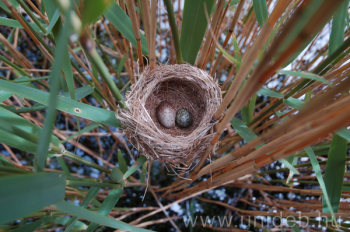
Credit: study-in-hungary.com
Frequently Asked Questions
What Are Common Bird Nesting Strategies?
Birds use various nesting strategies like building open nests, cavity nests, or ground nests. Each strategy protects eggs and chicks differently. The choice depends on species, habitat, and predator threats. These strategies enhance survival chances and successful reproduction in diverse environments.
How Do Birds Choose Nesting Locations?
Birds select nesting sites based on safety, food availability, and shelter. Trees, shrubs, cliffs, or ground spots are common. Location choice reduces predation risk and environmental stress. Some birds reuse old nests, while others build new ones each season.
Why Do Some Birds Reuse Old Nests?
Reusing nests saves time and energy for birds during breeding seasons. Old nests may already offer structural stability and camouflage. However, some birds clean or repair nests to reduce parasites. This strategy balances resource use and reproductive efficiency.
How Do Birds Protect Their Nests From Predators?
Birds use camouflage, aggressive defense, and strategic nest placement to deter predators. Some build nests in hidden or hard-to-reach areas. Others use distraction displays or alarm calls to protect their eggs and chicks. These tactics increase offspring survival rates.
Conclusion
Birds have fascinating nesting strategies. Each species adapts uniquely to survive. Their choices ensure protection and comfort. Observing these strategies offers insights into nature's wonders. Birds select sites based on safety, resources, and climate. These choices impact survival rates and offspring success.
Understanding bird nesting helps us protect their habitats. It encourages appreciation for biodiversity. Next time you spot a nest, consider its story. A reminder of nature's resilience and creativity. Each nest, a small miracle of life. Let's cherish and preserve these natural marvels.
They enrich our world, offering beauty and balance.