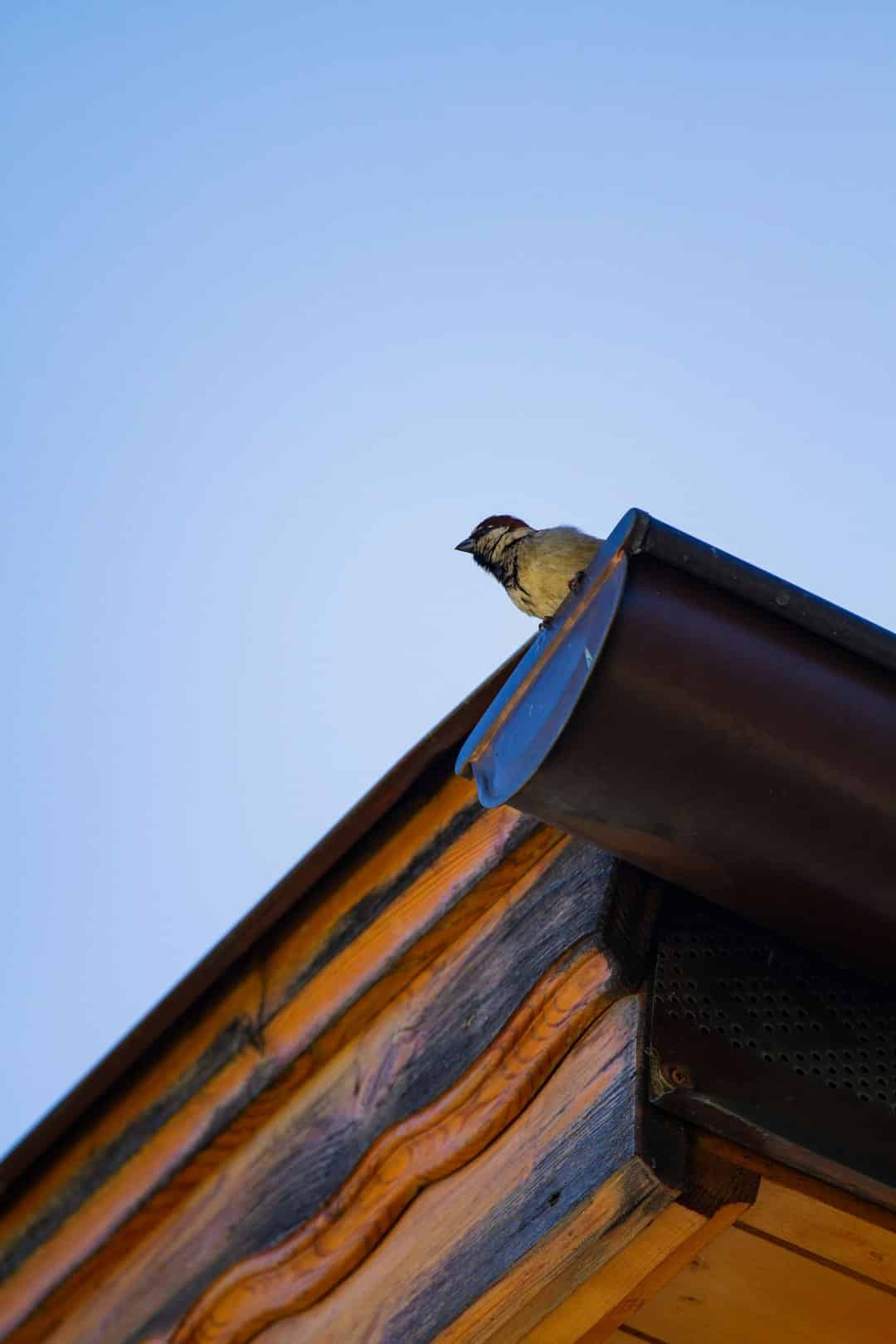
Have you ever noticed tiny nests tucked away under the eaves of your home? Bird nesting under eaves is a common sight that can bring both charm and challenges to your space.
You might wonder why birds choose these spots and what it means for your property. Understanding this behavior can help you protect your home while appreciating the natural visitors nearby. Keep reading to discover what bird nesting under eaves is all about, how it affects you, and what steps you can take to handle it the right way.

Credit: www.shutterstock.com
Why Birds Nest Under Eaves
Birds often build nests under eaves because these spots offer great protection. Eaves are the edges of a roof that extend beyond walls.
These areas provide shelter from weather and keep nests safe from many predators. Birds find these places easy to access and secure for their young ones.
Shelter And Safety Benefits
Nesting under eaves protects birds from rain, wind, and extreme sun. The roof above keeps nests dry and cool.
Predators like cats and larger birds have a harder time reaching nests in these spots. Eaves also hide nests from view, reducing danger.
- Protection from rain and wind
- Shade from hot sun
- Less visible to predators
- Easy access for parent birds
Common Bird Species
Many birds choose eaves for nesting because of the safety they provide. Some species are well known for this habit.
- House Sparrows
- Swallows
- Starlings
- Wrens
These birds often nest in urban and suburban areas. They adapt well to human buildings and use eaves as natural shelters.
Seasonal Nesting Patterns
Birds usually build nests under eaves during breeding seasons. This timing matches when they raise their young.
Most species start nesting in spring and continue through summer. Some may have multiple broods in a year.
- Spring to summer is prime nesting time
- Some birds nest twice per year
- Nests are abandoned after young leave
- Birds may reuse eaves each year
Risks Of Bird Nesting Near Homes
Birds often build nests under eaves of houses. This can cause many problems for homeowners. It is important to understand the risks.
Bird nests near homes can lead to damage and health issues. They can also create noise and mess. Let’s look at the main risks.
Structural Damage
Bird nests can block gutters and drains. This causes water to build up and damage the roof. Nesting materials can also catch fire if they are near electrical wires.
- Nests block water drainage
- Moisture causes wood to rot
- Nesting materials near wires increase fire risk
- Birds peck at siding and eaves
Health Concerns
Bird droppings carry diseases. These can spread to humans and pets. Droppings also attract insects and parasites.
| Health Risk | Cause | Effect |
| Histoplasmosis | Fungal spores in droppings | Respiratory problems |
| Salmonella | Contact with droppings | Stomach illness |
| Mites | Parasites from nests | Skin irritation |
Noise And Cleanliness Issues
Birds can be noisy, especially early in the morning. Their calls may disturb sleep or quiet times. Droppings and feathers make the area dirty and slippery.
- Loud chirping at dawn and dusk
- Feathers and droppings stain walls and windows
- Regular cleaning needed to prevent buildup
- Risk of slipping on droppings near doors
Signs Of Bird Nesting Under Eaves
Birds often build nests under the eaves of houses. These spots provide shelter and safety. It is important to spot signs of nesting early.
Knowing the signs helps prevent damage and keep your home clean. Look for visible nests, sounds, and damage indicators.
Visible Nests And Droppings
You can often see nests made of twigs, leaves, and mud under eaves. Droppings near these areas are a clear sign of birds.
- Nests made from grass, feathers, or mud stuck to surfaces
- White or dark droppings on walls and ground
- Feathers scattered nearby
- Small holes or gaps filled with nesting materials
Sounds And Bird Activity
Listen for chirping, squeaking, or fluttering sounds near the eaves. Birds flying in and out often signal nesting.
| Sound Type | What It Means |
| Continuous Chirping | Baby birds in nest |
| Rustling Wings | Adult birds entering or leaving |
| Sharp Calls | Warning or communication |
Damage Indicators
Bird nesting can cause damage to your eaves. Check for cracks, loose materials, or clogged gutters.
Common damage signs include:
- Cracked paint or wood due to moisture
- Gutter blockages from nesting materials
- Chewed wires or insulation
- Unusual stains on walls
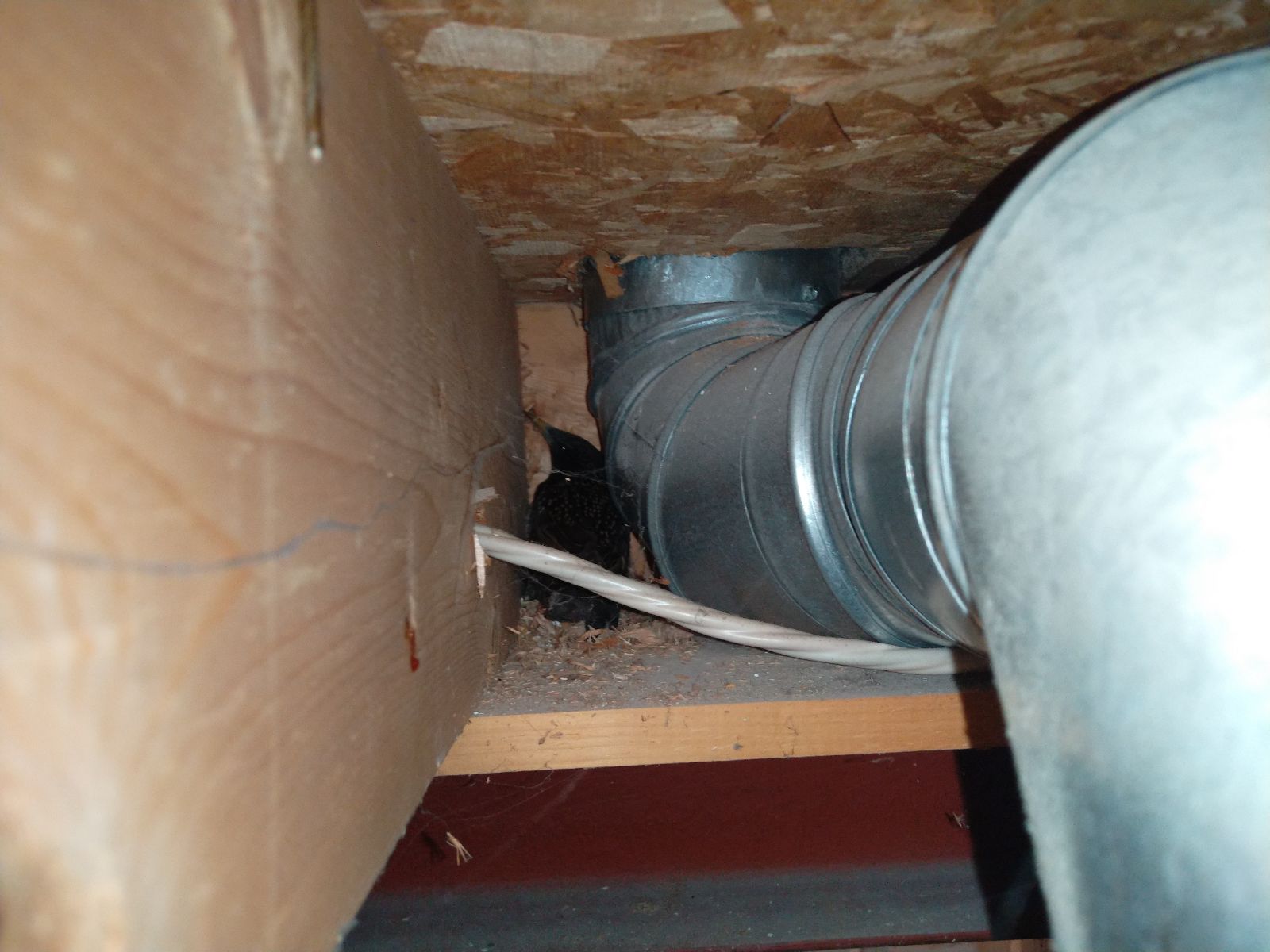
Credit: www.skedaddlewildlife.com
Preventive Measures To Protect Eaves
Birds often build nests under eaves. This can cause damage and mess. Taking steps to stop nesting helps keep your home safe.
This guide covers ways to protect your eaves using physical barriers, repellents, and maintenance tips.
Physical Barriers And Screens
Use barriers to block birds from reaching eaves. Screens and netting stop birds from building nests.
- Install bird netting under eaves
- Use metal or plastic mesh screens
- Seal gaps and holes near eaves
- Place angled spikes on ledges
Repellents And Deterrents
Repellents keep birds away with taste or sight. Deterrents scare birds from nesting areas.
| Type | Description | Example |
| Visual | Scare birds using movement or reflections | Shiny tape, fake owls |
| Sound | Play distress calls or predator sounds | Ultrasonic devices |
| Taste | Use sprays that taste bad to birds | Non-toxic bird repellent spray |
Regular Maintenance Tips
Keep eaves clean and checked often. This stops birds from settling and nesting.
- Remove old nests before breeding season.
- Clear debris and droppings regularly.
- Check for damage or holes in eaves.
- Fix any gaps or weak spots quickly.
- Trim tree branches near eaves.
Safe Removal Of Existing Nests
Bird nests under eaves can cause damage or mess. Removing them safely protects both your home and the birds.
This guide covers legal rules, safe steps to remove nests yourself, and when to hire experts.
Legal Considerations And Timing
Bird nests are often protected by law. Removing nests at the wrong time can harm birds or break rules.
- Check local wildlife protection laws before removal.
- Do not remove nests with eggs or chicks inside.
- Best time to remove is after birds have left, usually late summer or early fall.
- Some species have special protections year-round.
Diy Removal Steps
Removing nests yourself requires care. Follow these steps to keep safe and avoid damage.
- Wear gloves and a mask to protect from dirt and germs.
- Wait until birds have fully left the nest.
- Use a ladder safely to reach the nest under the eaves.
- Gently remove the nest and place it in a sealed bag.
- Clean the area with mild soap and water.
- Consider installing deterrents to prevent new nests.
When To Call Professionals
Some situations need expert help to keep you and birds safe.
| Situation | Reason to Call Professionals |
|---|---|
| Nests with eggs or chicks | Legal protection and safe handling |
| Large or hard-to-reach nests | Proper equipment and safety |
| Repeated nesting problems | Long-term control and prevention |
| Unknown bird species | Correct identification and advice |
Encouraging Birds To Nest Elsewhere
Birds often build nests under eaves on houses. This can cause issues for homeowners. It is important to guide birds to safer places.
Providing alternatives can keep birds safe and protect your home. Here are ways to encourage birds to nest away from eaves.
Alternative Nesting Boxes
Placing nesting boxes in your yard can attract birds to safer spots. These boxes should be easy to reach for birds but away from dangers.
- Choose boxes suited to local bird species
- Mount boxes on poles or trees, not under eaves
- Keep boxes clean and dry
- Place boxes where birds have natural cover nearby
Creating Bird-friendly Spaces
Birds need safe spaces for nesting, feeding, and shelter. Creating a friendly environment helps keep them away from your home’s eaves.
| Feature | Benefit for Birds |
| Native plants | Provide food and shelter |
| Water sources | Support drinking and bathing |
| Brush piles | Offer hiding spots |
| Open spaces | Allow easy flying access |
Balancing Bird Protection And Home Safety
Protect your home without harming birds. Use gentle methods to keep birds away from eaves while supporting their needs.
Tips for balancing safety and bird protection:
- Install bird spikes or netting under eaves
- Check and remove nests only when empty
- Keep gutters clean to avoid attracting birds
- Use noise or visual deterrents if needed

Credit: www.yahoo.com
Frequently Asked Questions
How To Prevent Birds From Nesting Under Eaves?
To prevent birds from nesting, install bird spikes or netting under eaves. Regularly check and clean these areas. You can also use reflective objects or sound deterrents. Ensuring that eaves are well-maintained and sealed can also help in preventing birds from finding suitable nesting spots.
What Are The Risks Of Bird Nests Under Eaves?
Bird nests can cause structural damage and block water drainage. They may lead to infestations of mites and parasites. Additionally, nests can be a fire hazard. Birds might also leave droppings that can stain or damage surfaces. It’s essential to address nesting issues promptly.
Why Do Birds Choose Eaves For Nesting?
Eaves provide shelter from predators and harsh weather conditions. The overhang offers protection from rain and wind. Birds find eaves to be safe and concealed spots. They are often close to food sources. This combination makes eaves a preferred nesting location for many bird species.
Are There Legal Restrictions On Removing Bird Nests?
In many areas, it is illegal to remove active bird nests. Birds are often protected by law, especially during breeding season. It’s crucial to check local regulations before taking any action. Always consult wildlife authorities for guidance on safely and legally addressing nesting issues.
Conclusion
Birds nesting under eaves show nature’s close touch with homes. These spots offer shelter and safety to birds. Watching nests grow teaches us about life and care. Protecting these areas helps birds thrive near us. Small efforts keep both birds and houses safe.
Respecting their space creates a peaceful home for all. Nature and people can share space well. Simple care makes a big difference in bird nesting. Keep watching, learning, and caring for these small neighbors.