Have you ever wondered where some birds choose to raise their young? Not all birds build nests in trees or bushes.
Some prefer a hidden, underground home—burrows. Burrow nesting birds have a unique way of protecting their eggs and chicks from predators and harsh weather. If you want to discover which birds dig these cozy homes and why they choose this special nesting style, keep reading.
Understanding their fascinating habits might change the way you see birds forever. Your next birdwatching adventure could become even more exciting!

Credit: www.shutterstock.com
Types Of Burrow Nesting Birds
Many birds build nests underground to protect their eggs and chicks. These burrow nests help keep birds safe from predators and harsh weather.
Different types of birds choose burrows in various habitats. These include seabirds, forest dwellers, and grassland nesters.
Seabirds That Nest Underground
Seabirds often nest in burrows on islands or coastal cliffs. These burrows shield their young from strong winds and predators.
- Atlantic Puffin
- Manx Shearwater
- Storm Petrel
- Little Blue Penguin
Forest Dwellers In Burrows
Some forest birds dig burrows or use abandoned tunnels. These nests help keep their eggs hidden under thick forest cover.
| Bird Species | Burrow Location | Special Feature |
| Kingfisher | Riverbanks | Long tunnel burrows |
| Woodpecker Finch | Tree roots | Uses tree cavities |
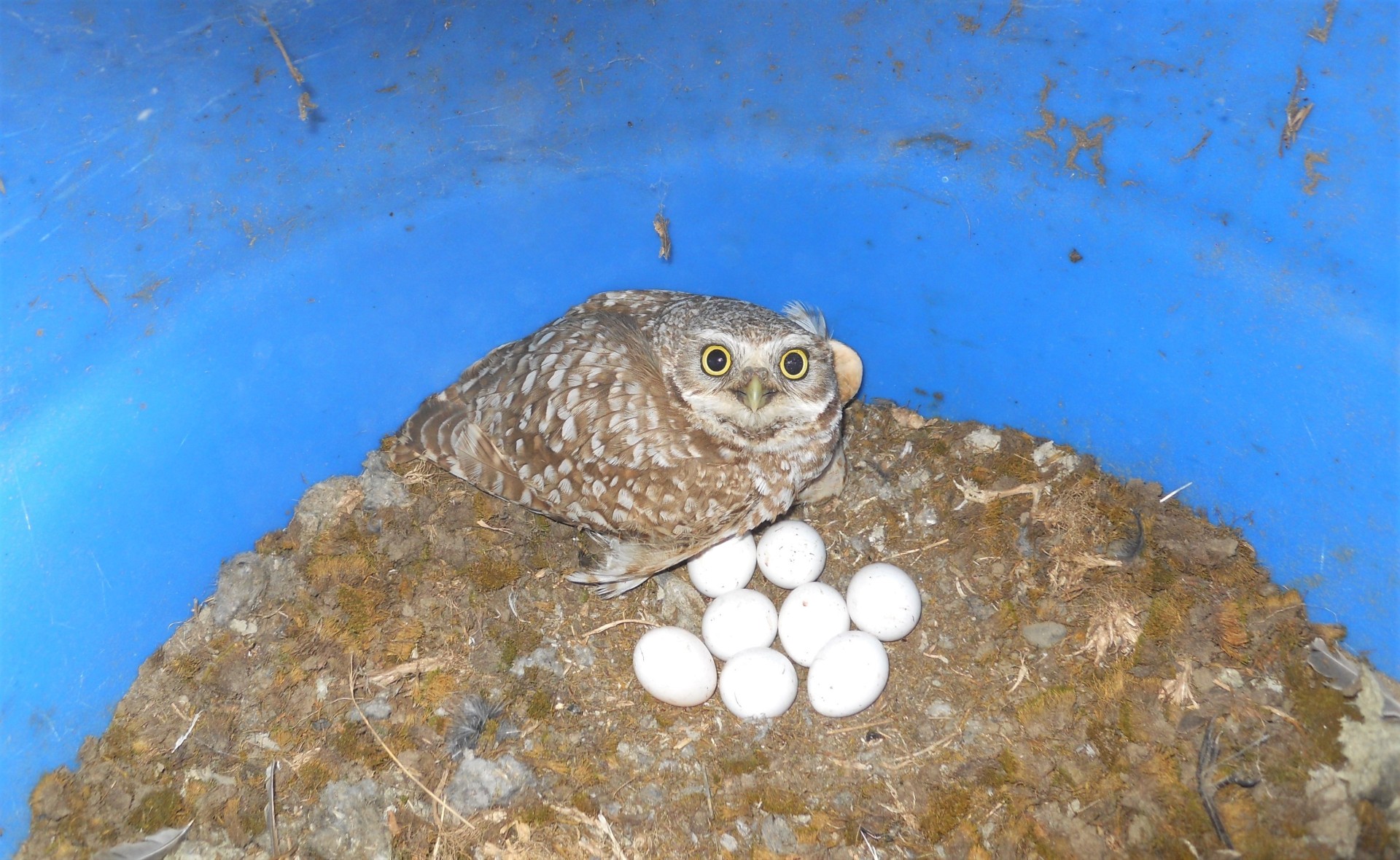
| Burrowing Owl | Forest edges | Uses old mammal burrows |
Grassland Burrow Nesters
Grassland birds often nest in burrows dug into soft soil. These burrows protect them from predators and weather changes.
- Burrowing Owl
- Horned Lark
- Meadowlark
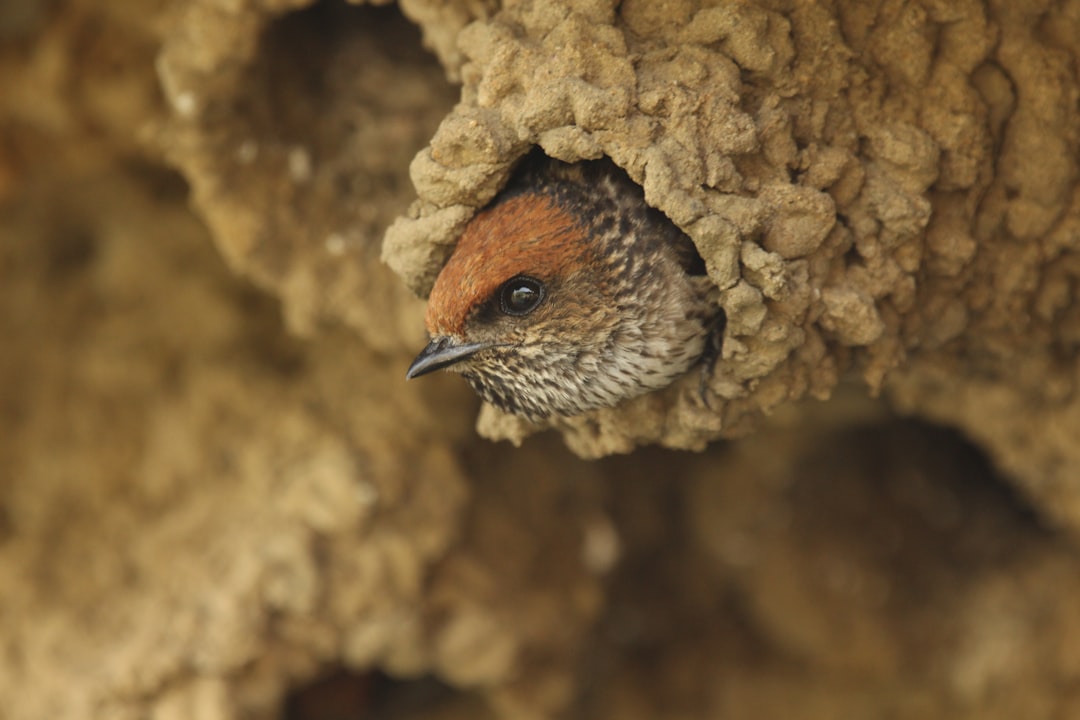
- Bank Swallow

Credit: ca.news.yahoo.com
Burrow Construction Techniques
Burrow nesting birds build homes underground or in soft soil. These burrows protect eggs and chicks from predators and weather.
Each bird species uses unique methods to dig and shape their burrows. These methods suit their environment and safety needs.
Digging Methods And Tools
Birds use their beaks, feet, or claws to dig burrows. Some birds scratch the soil, while others use their strong bills to break hard ground.
Different species have different tools adapted to their digging style. These tools help them make safe and stable tunnels.
- Beaks for pecking and loosening soil
- Strong feet and claws for digging and moving dirt
- Body shaping by twisting and turning inside the tunnel
Choosing The Perfect Location
Birds select burrow sites based on soil type and safety. Soft soil is easier to dig and offers good drainage.
Locations near food sources and away from predators are best. Birds often pick slopes or flat ground that stays dry.
- Loose, sandy, or loamy soil for easy digging
- Dry areas to prevent flooding
- Hidden spots to avoid predators
- Close to food and water sources
Burrow Architecture Variations
Burrows vary in size and shape depending on the bird species. Some have straight tunnels; others have twists and chambers.
Complex burrows may include nesting chambers, exit holes, and ventilation shafts. These designs help protect the family inside.
- Straight tunnels ending in a nesting chamber
- Curved tunnels to confuse predators
- Multiple entrances for quick escapes
- Ventilation holes for airflow
Survival Benefits Of Burrow Nesting
Burrow nesting is a unique behavior where birds make their homes underground. This helps them stay safe and survive in tough environments.
Many burrow nesting birds rely on their underground homes to protect their eggs and chicks. These nests offer several important survival benefits.
Protection From Predators
Burrows provide a safe place where birds can hide from predators. The narrow entrances make it hard for larger animals to enter.
- Keep eggs and chicks out of reach
- Reduce risk of attacks by snakes and mammals
- Offer a secret home away from sight
Temperature Regulation
Burrows help birds control the temperature inside their nests. The underground space stays cooler in summer and warmer in winter.
| Season | Burrow Temperature Effect |
| Summer | Keeps nest cool and comfortable |
| Winter | Maintains warmth for eggs and chicks |
| Night | Protects from cold drops in temperature |
Shelter From Harsh Weather
Burrows shield birds from strong winds, heavy rain, and extreme sun. The underground location offers a stable and dry space.
- Blocks wind and storms
- Prevents flooding with raised entrances
- Shields from direct sunlight and heat
- Offers a safe place during harsh weather changes
Breeding And Raising Young In Burrows
Burrow nesting birds choose underground homes to protect their eggs and chicks. These safe places help keep the young birds warm and hidden.
The parents work hard to care for their nest and feed their young until they can fly and find food on their own.
Nest Maintenance And Care
Birds clean their burrows to keep them safe from dirt and parasites. They remove old feathers and waste regularly. This keeps the nest fresh and healthy for the chicks.
- Remove debris from the burrow entrance
- Repair tunnel walls with mud or soil
- Keep the nest area dry and clean
- Replace worn nesting materials
Feeding Strategies For Chicks
Parent birds bring food from outside to feed their chicks. They choose insects and small animals that are easy to digest. This helps the young birds grow strong.
| Food Type | Reason |
| Insects | High protein for growth |
| Small worms | Easy to digest |
| Seeds | Provide energy |
| Soft fruits | Supply vitamins |
Avoiding Threats During Breeding
Birds stay alert to protect their burrows from predators. They use quiet calls and avoid drawing attention to their nest. Parents take turns watching the entrance to keep the chicks safe.
- Blocking the entrance with soil or feathers
- Using alarm calls to warn each other
- Choosing hidden or hard-to-reach nesting sites
- Staying close to the nest during vulnerable times
Adaptations For Burrow Life
Burrow nesting birds live underground to stay safe and protect their eggs. They have special features that help them dig and live in burrows. These adaptations make burrow life easier and safer.
Burrowing requires both physical traits and behaviors. Birds also need ways to talk inside dark tunnels. These adaptations work together to help them survive.
Physical Traits Supporting Digging
Many burrow nesting birds have strong beaks and feet. Their claws are sharp and curved to move soil fast. Their bodies are often compact to fit in narrow tunnels.
Some birds have tough skin on their faces. This protects them when they push dirt aside. These physical traits make digging easier and faster.
- Strong, sharp claws for digging
- Powerful beaks to break soil
- Compact bodies to move in tunnels
- Tough skin on face and neck
Behavioral Adaptations
Burrow nesting birds often dig in groups or pairs. They take turns digging and watching for danger. These birds also clean their burrows to keep them safe from parasites.
They are active mostly during the day to avoid predators. Some birds use dirt and pebbles to block the entrance when they are inside. These behaviors help protect their nests.
- Dig in pairs or groups
- Take turns digging and guarding
- Clean burrows to prevent parasites
- Block entrances to keep out predators
Communication Within Burrows
Burrow nesting birds use sounds to talk inside dark tunnels. They make soft calls that echo through the burrow walls. These sounds help parents find each other and their chicks.
Some birds tap on the tunnel walls to send signals. This helps them warn about danger or share food locations. Communication is key to staying safe underground.
- Soft calls that echo inside tunnels
- Tapping on walls to send signals
- Calls help parents find chicks
- Sounds warn about nearby danger
Credit: www.oregonlive.com
Threats To Burrow Nesting Birds
Burrow nesting birds live in holes dug into the ground or sand. These birds face many dangers that hurt their survival. Understanding these threats helps protect them better.
This article covers three main threats: habitat loss and human impact, predation risks, and climate change effects.
Habitat Loss And Human Impact
Human activities destroy or change the places where burrow nesting birds live. Construction, farming, and mining reduce their nesting areas. This loss makes it hard for birds to find safe homes.
- Building roads and buildings can cover nesting sites.
- Off-road vehicles damage burrows and compact soil.
- Pollution can poison the soil and water near nests.
- Recreational activities may scare birds away from nests.
Predation Risks
Predators such as foxes, rats, and cats threaten burrow nesting birds. These animals can enter burrows and eat eggs, chicks, or even adult birds.
| Predator | Impact on Burrow Birds |
| Foxes | Dig into nests and eat eggs and chicks |
| Rats | Climb into burrows and consume eggs |
| Domestic Cats | Hunt adult birds outside the burrow |
| Snakes | Enter burrows to feed on young birds |
Climate Change Effects
Climate change changes weather patterns and sea levels. These changes affect burrow nesting birds in many ways. Flooding can destroy nests. Extreme heat can dry out soil, making burrows unstable.
Climate change can cause:
- Flooding of coastal and lowland nesting sites
- Loss of food sources due to changing seasons
- Longer droughts that weaken burrow structure
- Increased storms that disturb nesting areas
Conservation Efforts
Burrow nesting birds need special care to survive. Conservation efforts help protect these birds and their homes.
Many groups work to keep their habitats safe and monitor bird numbers. Education also plays a big role.
Protecting Burrow Habitats
Burrow habitats are where birds live and raise their young. These places must be kept safe from harm.
People protect burrows by limiting human activity and stopping predators. This helps birds stay safe.
- Restrict access to nesting areas
- Control invasive animals like rats and cats
- Restore damaged soil and vegetation
- Use signs to warn visitors
Monitoring Bird Populations
Scientists count burrow nesting birds to learn about their health. This helps guide conservation actions.
Tracking bird numbers shows if populations grow or shrink. It also reveals threats to their survival.
- Regular surveys of nesting sites
- Use cameras and sensors in burrows
- Record breeding success rates
- Share data with conservation groups
Community Involvement And Education
Local communities help protect burrow nesting birds by learning about their needs. Education raises awareness.
People join projects to watch birds and protect habitats. Schools and groups teach about conservation.
- Organize bird watching events
- Teach children about wildlife
- Encourage habitat clean-ups
- Promote safe behaviors near nests
Frequently Asked Questions
What Are Burrow Nesting Birds?
Burrow nesting birds are species that build nests underground. They use natural holes or dig tunnels for laying eggs. This behavior provides protection from predators and harsh weather. Common examples include puffins, kingfishers, and some seabirds.
Why Do Birds Nest In Burrows?
Birds nest in burrows to stay safe from predators. Burrows offer stable temperature and humidity levels. This environment improves egg and chick survival rates. It also reduces competition for nesting sites above ground.
Which Birds Commonly Use Burrows For Nesting?
Seabirds like puffins, shearwaters, and petrels often nest in burrows. Some kingfishers and owls also use burrows. These birds prefer coastal cliffs, riverbanks, or sandy soils for burrow nesting.
How Do Burrow Nesting Birds Dig Their Nests?
Burrow nesting birds dig using their beaks and feet. Some species use strong claws to excavate soil or sand. They create tunnels that lead to a nesting chamber. The process varies depending on the bird and habitat.
Conclusion
Burrow nesting birds are fascinating creatures. They dig deep for safety. Their unique nesting habits protect them from predators. Observing these birds teaches us about adaptability. Every species has its own survival strategy. Their burrowing skills are impressive. These birds enrich our ecosystem.
Their presence benefits the environment. Watching them can be a delightful experience. Understanding their behaviors deepens our connection to nature. Encourage learning about these amazing birds. Knowledge can inspire conservation efforts. Let's appreciate the wonders of burrow nesting birds. Together, we can ensure their continued existence.