Do you like the beautiful colors of cockatiel birds? Are you thinking about getting one? Maybe you just love these pets. Knowing their colors makes a big difference.
Your cockatiel’s color is more than just how it looks. Color tells you about its health and personality. Keep reading to see the world of Cockatiel Bird Colors. Find the one that might be best for your home.
Cockatiel Color Basics
Cockatiels have many colors. This makes them unique pets. Their colors show their genetics and health. Understanding these colors helps you know your bird better. Colors are either natural or changed by genes.
Natural Coloration
Natural color means the bird’s wild color. This color helps them hide from danger. The natural color is mostly gray. They have white wing patches. They have orange cheek spots. Males and females look different.
-
Gray body with white wing patches.
-
Bright orange cheek patches.
-
Males have a yellow face.
-
Females have a duller face.
-
They have long tail feathers.
Genetic Influence
Genes change cockatiel colors. This creates many unique patterns. Genes control how colors show up. Breeders use genes to make new colors. These colors are rare in the wild. Examples are lutino and pied. Pearl is another rare color.
-
Lutino means yellow with red eyes.
-
Pied means mixed patches of color.
-
Pearl means spots on wings and back.
-
Albino means all white with red eyes.
-
Cinnamon is soft brown instead of gray.
Popular Cockatiel Colors
Cockatiels come in many shades. Each one is beautiful and unique. People love to own many different colors. These colors also tell you about their breed type.
Gray Cockatiels
Gray cockatiels are the most common type. They have soft gray feathers. They also have white wing patches. Their faces can have yellow or orange cheeks. They look classic and very sweet.
Lutino Cockatiels
Lutino cockatiels are bright yellow. They have striking red eyes. They do not have any gray feathers. These birds are easy to spot. Their yellow feathers shine brightly.
Pied Cockatiels
Pied cockatiels mix colors in random patches. They can be white, gray, yellow, or orange. No two pied birds look the same. Their patchy colors make them very special.
-
Colors appear in random patches.
-
Each bird looks totally different.
-
They can have many colors mixed.
Pearl Cockatiels
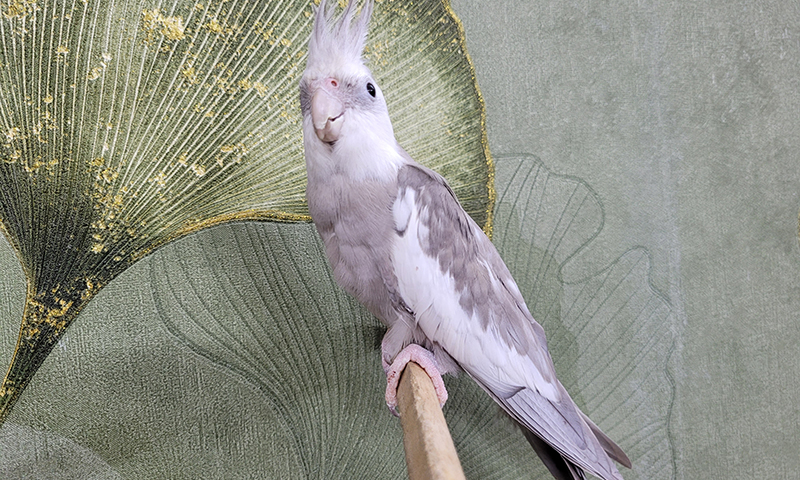
Pearl cockatiels have “pearl” spots on their feathers. These spots make a pretty design. The spots are usually white or yellow. They sit on a gray or other base color. The pattern looks like delicate lace.
-
Look: White or yellow spots dotting a darker base color.
-
Expert Insight: Male Pearl cockatiels almost always lose their pearl patterning after their first molt, turning back into what looks like a Normal Grey. Females keep their pearls for life!
Cinnamon Cockatiels
Cinnamon cockatiels have soft brown feathers instead of gray. Their colors are gentle and warm. They have lighter orange cheek patches. Their unique brown color helps them stand out.
Rare And Unique Variations
Cockatiels have many color patterns. Some colors are very unique and rare. These special birds stand out from the rest. Bird lovers often search for these rare colors. Different genes create these unusual looks.
Albino Cockatiels
Albino cockatiels are pure white. They have red or pink eyes. They have no yellow or gray colors. This makes them one of the rarest. These birds lack color pigment. Albino birds need extra care. Their eyes are sensitive to bright light.
-
Pure white feathers.
-
Red or pink eyes.
-
Sensitive to bright light.
-
A very rare color type.
Biologically speaking, true albinism doesn’t exist in cockatiels. Instead, an “Albino” cockatiel is actually a combination of two mutations: the Whiteface (removes yellow/orange) and the Lutino (removes grey/brown).
-
Look: Pure white feathers with pink/red eyes.
-
Care Tip: Birds with red eyes are highly sensitive to bright sunlight and require shaded areas in their cages.
Whiteface Cockatiels
Whiteface cockatiels lack the orange cheek patches. Their faces are white or light gray. This gives them a unique look. Their bodies are still gray. They lack the usual bright colors. Whiteface birds are often calm pets.
-
No orange cheek patches.
-
White or light gray face.
-
Gray body feathers.
-
Unique and subtle color.
Fallow Cockatiels
Fallow cockatiels have soft, light feathers. They have red or pink eyes, like Albinos. A different gene causes this color. Their colors look soft or washed out. Fallow birds are easy to handle. They look very delicate.
-
Light, pale feathers.
-
Red or pink eyes.
-
Soft, faded color look.
-
A rare and delicate variety.

Credit: www.reddit.com
Color Mutation Genetics
Cockatiel colors happen because of genetic changes. These changes affect the bird’s look. Knowing the genetics helps breeders. They can guess what color chicks will be. Genes control colors through different traits. Traits mix to make unique colors.
Dominant Vs Recessive Traits
Dominant traits always show up. You only need one copy of the gene. Recessive traits need two copies to be seen. This controls how color passes to chicks. Normal gray is a dominant color. Lutino, which is yellow, is recessive. A bird can look gray but carry the lutino gene.
-
Dominant traits show with one gene copy.
-
Recessive traits need two copies to show.
-
Carrier birds look normal but carry a hidden gene.
Combining Mutations
Cockatiel colors can mix together. This happens when a bird has multiple gene changes. Combining mutations creates new, rare colors. Each change affects the color differently. Breeders combine genes for special colors. Examples are pearl lutino or pied cinnamon. Each gene follows its own trait pattern.
-
Multiple mutations can appear in one bird.
-
Some changes hide others, altering the final color.
-
Breeders track genes to predict color mixes.
Caring For Colorful Cockatiels
Cockatiels show many beautiful colors. You see bright yellows, whites, and grays. Caring for their colors means good health. Keep them happy and healthy. Good care keeps their feathers strong and bright.
Diet And Feather Health
A good diet keeps feathers colorful. Fresh fruits and vegetables give vitamins. Vitamins make feathers shine. Seeds and pellets give needed energy. Do not feed too many fatty seeds.
-
Offer fresh fruits like apples and berries.
-
Give leafy greens such as spinach.
-
Use good pellets for daily food.
-
Provide clean water every day.
Environmental Factors
Birds need a safe, clean space for good feathers. Dust and dirt can hurt the colors. Proper light keeps the colors natural. Natural sunlight is best. Full-spectrum lights work well too.
-
Keep the cage clean and dry.
-
Place the cage away from drafts.
-
Give 10 to 12 hours of light daily.
-
Use a humidifier if the air is too dry.
- Use a humidifier if air is very dry

Credit: birds.fandom.com
Choosing Your Cockatiel Color
Picking the right color makes your pet better. Cockatiels have many beautiful looks. Each color has its own charm. A good color can match your home style.
Personality And Color
Colors may give clues about behavior. Some colors seem calmer or more active. Knowing this helps you choose a good pet. Pick a bird that fits your energy and home.
-
Normal gray birds are usually social and friendly.
-
White-faced birds often seem gentle and calm.
-
Lutino cockatiels tend to be playful and curious.
-
Pearl birds often show lively, alert behavior.
Matching Colors With Homes
Choose a color that looks good in your home. The right color can brighten your space. Think about your room and furniture colors. Find a bird color that fits well.
-
Light-colored birds look great in bright rooms.
-
Darker birds stand out in light, neutral spaces.
-
Colorful birds add fun to simple decor.
-
Soft pastel colors suit cozy rooms well.
Credit: www.kaytee.com
Frequently Asked Questions
What Are Common Cockatiel Colors?
Cockatiels come in many shades. Grey, white-faced, and pied are most common. Grey birds are the original color. White-faced birds lack the orange cheeks. Pied birds mix many colors. They all look very appealing.
Do Cockatiel Colors Affect Their Behavior?
No, color does not affect behavior. Training and the environment matter more. Social time is very important. All cockatiels are playful and social. They bond well with their owners. Every bird has a unique personality.
Can Cockatiel Colors Change Over Time?
Yes, colors change a little as they age. Molting causes a small, temporary change. Young birds get brighter colors later on. Some color changes may get darker or lighter. Good food keeps the feathers healthy. Subtle changes are normal to see.
Are There Rare Cockatiel Color Mutations?
Yes, some colors are very rare. These include lutino, albino, and cinnamon. Lutino birds are bright yellow with red eyes. Albino birds are all white. Cinnamon birds have a soft brown color. Bird fans love to find these rare colors.
Conclusion
Cockatiel colors come in many beautiful shades. Each color has unique charm and personality. Choosing the right color makes your pet special. Understanding these colors helps you with bird care. Remember, every cockatiel is lovely.
Enjoy their bright feathers and playful ways. Colors add joy and life to your home. Keep learning about these birds for a happy time. Your cockatiel’s colors tell a story you should know.