Are you looking for a simple way to bring more life and color to your garden? DIY Bird Boxes could be just what you need.
These small, cozy homes invite beautiful birds to settle right outside your window. Imagine watching baby birds hatch and grow, all from the comfort of your own space. You’ll discover why DIY Bird Boxes matter, how they help local wildlife, and how easy it is to create the perfect bird haven in your yard.
Keep reading to unlock the secrets of attracting feathered friends and making your garden a lively, natural paradise with DIY Bird Boxes.
Benefits Of DIY Bird Boxes
DIY Bird Boxes provide safe places for birds to build their nests. They help birds find homes in areas where natural spaces are scarce.
Using DIY Bird Boxes supports bird life and helps improve the environment around your home or garden.
Supporting Local Bird Populations
Nesting boxes give birds a safe spot to raise their young. This helps local bird numbers stay healthy and grow over time.
Many birds lose natural homes due to building and changes in land use. Nesting boxes replace these lost spots.
- Provides shelter from predators and bad weather
- Increases chances of bird survival and reproduction
- Supports species that need special nesting sites
Enhancing Garden Biodiversity
Birds help gardens by eating insects and spreading seeds. Having more birds makes your garden healthier.
Nesting boxes attract different bird types. This variety adds to the balance of plants and animals in the area.
- Controls pests naturally
- Helps pollinate flowers
- Supports a rich mix of garden wildlife
Educational Opportunities For All Ages
Nesting boxes let people watch birds up close. This is a great way to learn about nature and animal habits.
Children and adults can study birds’ life cycles and behavior. It encourages curiosity and care for the environment.
- Teaches about bird species and nesting habits
- Offers hands-on learning outside the classroom
- Encourages respect for wildlife and nature

Credit: www.amazon.com
Choosing The Right Nesting Box
Bird nesting boxes help birds find safe places to raise their young. Picking the right box is key to attracting the right birds.
Good nesting boxes protect birds from weather and predators. Think about materials, size, and design for best results.
Materials And Durability
Wood is the best material for nesting boxes. It keeps birds warm and cool. Avoid plastic boxes because they can get too hot.
Make sure wood is untreated and thick enough to last many seasons. The box should resist rain and wind well.
- Cedar and pine are popular wood choices
- Avoid treated wood with chemicals
- Check that the box has a sturdy roof
- Use screws instead of nails for better strength
Size And Entrance Hole Dimensions
The size of the box and hole affects which birds will use it. Small birds need smaller boxes and holes.
Too large an entrance lets predators in. Too small keeps birds out. Measure carefully for best fit.
| Bird Species | Box Size (inches) | Entrance Hole Diameter (inches) |
|---|---|---|
| Wrens | 4 x 4 x 8 | 1 1/8 |
| Bluebirds | 5 x 5 x 8 | 1 1/2 |
| Chickadees | 4 x 4 x 8 | 1 1/8 |
| Tree Swallows | 5 x 5 x 8 | 1 1/2 |
Designs For Different Bird Species
Different birds prefer different box styles. Some like open-front boxes. Others need closed boxes for safety.
Adding features like ventilation holes and clean-out doors helps keep birds healthy and safe.
- Open-front boxes suit robins and swallows
- Closed boxes are good for bluebirds and chickadees
- Include drainage holes to keep the box dry
- Add a hinged side or roof for easy cleaning
Ideal Placement Tips
Placing bird nesting boxes correctly helps birds feel safe and comfortable. Good placement increases chances that birds will use the boxes.
Follow these tips on height, position, and weather to give birds a perfect home.
Height And Positioning
Mount bird boxes at the right height to keep birds safe and visible. Most small birds prefer boxes 5 to 10 feet above the ground.
- Place boxes away from busy areas and human traffic.
- Face the box entrance away from strong winds.
- Choose a spot with a clear flight path for birds.
- Avoid placing boxes near bird feeders to reduce competition.
Avoiding Predators
Protect birds from predators like cats, raccoons, and snakes by careful placement and design.
| Predator | Protection Tip |
| Cats | Place boxes on smooth poles or trees without low branches. |
| Raccoons | Add metal guards around the mounting pole. |
| Snakes | Use a metal entrance plate to prevent chewing. |
Considering Sunlight And Weather Exposure
Bird boxes need protection from extreme sun and bad weather to keep babies safe and warm.
- Place boxes in partial shade to avoid direct midday sun.
- Face the entrance away from prevailing winds and heavy rain.
- Check that rain does not enter the box through the entrance or roof.
- Use natural shelter like trees or shrubs nearby for extra protection.

Credit: www.amazon.com
Building Your Own Nesting Box
Building DIY Bird Boxes is a great way to help local birds find shelter. You can make one with simple tools and materials. It is also fun and rewarding to see birds use your box.
This guide will walk you through the tools, steps, and tips to build a nesting box. You can customize it for different bird species to make it more inviting.
Essential Tools And Materials
You need a few basic tools and materials before you start building. These items help you make a safe and sturdy nesting box.
- Wooden boards (untreated cedar or pine)
- Measuring tape
- Hand saw or jigsaw
- Hammer and nails or wood screws
- Drill with bits
- Sandpaper
- Wood glue (optional)
- Paint or wood sealant (non-toxic and water-based)
- Screwdriver
Step-by-step Construction Guide
Follow these steps carefully to build your nesting box. Take your time to measure and cut pieces correctly.
- Cut the wood panels for the base, sides, front, back, and roof.
- Drill an entrance hole in the front panel. The size depends on the bird species.
- Sand all edges to prevent splinters and sharp points.
- Attach the sides to the base using nails or screws.
- Fix the front and back panels to the sides.
- Attach the roof, making sure it overhangs to protect from rain.
- Drill small holes in the base for drainage.
- Optionally, paint or seal the box with a safe finish.
- Mount the box on a tree or post at the right height.
Customizing For Specific Birds
Different birds prefer different sizes and features in nesting boxes. Adjust your box to fit their needs for best results.
| Bird Species | Entrance Hole Diameter | Box Size (Height x Width x Depth) | Mounting Height |
|---|---|---|---|
| Bluebird | 1.5 inches | 10″ x 6″ x 6″ | 4 to 6 feet |
| Chickadee | 1 1/8 inches | 8″ x 5″ x 5″ | 5 to 15 feet |
| Tree Swallow | 1.5 inches | 10″ x 6″ x 6″ | 5 to 15 feet |
| Nuthatch | 1 1/4 inches | 8″ x 5″ x 5″ | 5 to 20 feet |
Maintenance And Cleaning
Bird nesting boxes need regular care to keep birds safe and healthy. Cleaning and maintenance help prevent diseases and damage.
Proper care also makes the box last longer. It creates a better home for birds each year.
When To Clean
Clean bird nesting boxes after birds finish breeding. This is usually in late summer or early fall.
Do not clean during the breeding season. Disturbing nests can harm baby birds.
Cleaning Techniques
Remove old nesting material and debris from the box. Use gloves to protect your hands.
Wash the box with a mild bleach solution. Use one part bleach to nine parts water.
- Scrub the inside with a brush
- Rinse well with clean water
- Let the box dry completely before use
Preventing Parasites And Mold
Parasites and mold can harm birds and their young. Keep the box dry and clean to stop them.
Use sandpaper inside the box to remove rough spots. Rough spots can trap moisture and bugs.
- Check the box yearly for mold or parasites
- Replace the box if it is damaged or moldy
- Ensure good air flow by adding ventilation holes
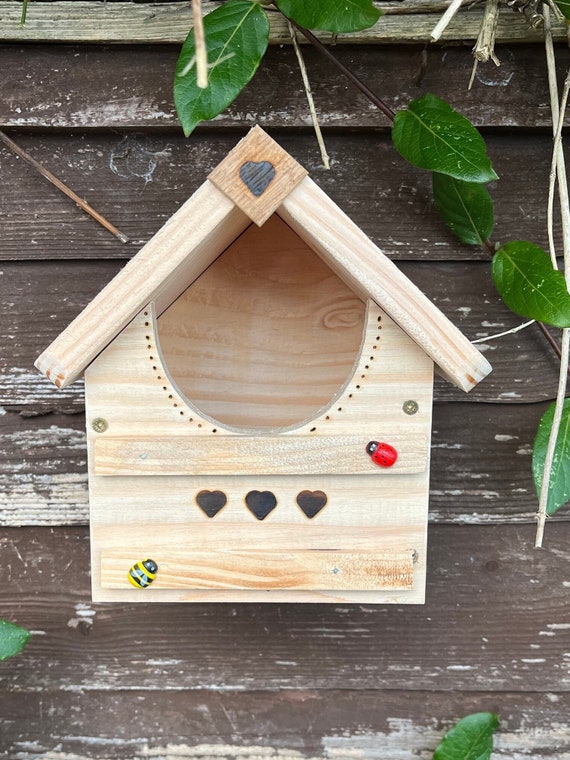
Credit: www.etsy.com
Attracting Birds To Your Nesting Boxes
Bird nesting boxes offer safe places for birds to raise their young. To attract birds, you must provide the right environment around the boxes.
Simple actions like offering food, water, and plants help birds feel welcome. Reducing noise and disturbances also makes a big difference.
Providing Food And Water
Birds need fresh food and clean water near their nesting boxes. This encourages them to visit and stay longer.
- Place bird feeders with seeds or suet nearby.
- Offer fresh water in shallow dishes or birdbaths.
- Refill food and water regularly to keep it clean and fresh.
- Avoid placing feeders too close to the nest box to prevent predators.
Planting Bird-friendly Vegetation
Plants provide shelter, food, and safety for birds. Choose native plants that produce seeds, berries, or nectar.
| Plant Type | Benefit to Birds |
| Sunflowers | Seeds for food |
| Holly | Berries for winter feeding |
| Milkweed | Attracts butterflies and insects |
| Flowering shrubs | Provide shelter and nesting material |
Minimizing Disturbances
Birds need quiet and safety to build nests and raise chicks. Keep pets and loud noises away from nesting areas.
- Place nesting boxes in quiet spots.
- Limit human activity near the boxes during nesting season.
- Keep cats and dogs indoors or supervised.
- Trim branches to avoid predators but keep some cover for safety.
Common Challenges And Solutions
Bird nesting boxes help birds find safe places to live and raise their young. Many people use them to support local bird populations. But there are some common challenges that affect how well these boxes work.
Knowing these problems and how to fix them can make nesting boxes better homes for birds. This guide explains three main challenges and offers simple solutions.
Dealing With Predators
Predators like cats, raccoons, and snakes can harm birds using nesting boxes. They may try to reach inside or break into the boxes.
To keep birds safe, you can add protective features to the boxes and place them in the right spots.
- Install metal predator guards around the box entrance
- Place boxes high on poles or trees, away from easy climbing
- Use smooth poles that predators cannot grip
- Keep the area around the box clear of branches for predators to jump from
Managing Competition Among Birds
Sometimes, many birds want to use the same nesting box. Larger or more aggressive birds can chase others away.
You can reduce fights by offering enough space and different sizes of boxes for various bird species.
- Install several boxes spaced apart to give birds room
- Use boxes with different entrance sizes for different bird types
- Check boxes regularly and remove old nests to free space
- Avoid placing boxes too close together
Weather-related Issues
Birds need nesting boxes that protect them from rain, wind, and extreme temperatures. Poor weather can harm eggs and chicks.
Good box design and placement help keep birds safe and dry during bad weather.
- Use waterproof materials and seal cracks
- Place boxes where they get shade from hot sun
- Face the box entrance away from prevailing winds
- Make sure the box has drainage holes to avoid water buildup
Monitoring And Enjoying Bird Activity
Bird nesting boxes offer a great chance to watch birds up close. You can see how they build nests and care for their young.
Watching birds helps you learn about their habits and enjoy nature right in your yard or garden.
Bird Watching Tips
Choose a quiet spot near the nesting box for watching. Move slowly and avoid loud noises to not scare the birds.
Use binoculars for a closer view without disturbing the birds. Watch during early morning or late afternoon when birds are active.
- Keep a safe distance from the nesting box
- Wear neutral colors to blend in
- Be patient and still while watching
- Record the time and date of your observations
Recording Bird Behavior
Write down what you see about the birds’ actions. Note how they build nests, feed chicks, or interact with others.
Photos and videos help capture special moments. They also let you compare changes over time.
- Keep a notebook or use a bird app for notes
- Take pictures without getting too close
- Note unusual behaviors or new species
- Track how long birds stay in the box
Sharing Your Success Stories
Share your bird watching experiences with friends or online groups. Others enjoy hearing about your bird discoveries.
Sharing photos and notes helps build a community of bird lovers. It also encourages others to try bird nesting boxes.
- Post photos and stories on bird forums
- Join local bird watching clubs
- Invite friends to see your nesting box
- Keep a blog or journal of your bird activity
Frequently Asked Questions
What Are Bird Nesting Boxes Used For?
Bird nesting boxes provide safe, sheltered places for birds to lay eggs. They help increase bird populations in urban and rural areas. These boxes protect birds from predators and harsh weather conditions. They also encourage breeding and support local biodiversity.
How Do I Choose The Right Bird Nesting Box?
Choose a bird box based on the bird species in your area. Consider the size, entrance hole diameter, and placement height. Use untreated wood for natural insulation. Ensure proper ventilation and drainage. Position boxes away from predators and direct sunlight for best results.
When Is The Best Time To Install Nesting Boxes?
Install bird nesting boxes before the breeding season starts, usually late winter or early spring. This timing allows birds to find and prepare the box for nesting. Early installation increases the chances of birds using the box successfully.
How Do I Clean And Maintain Bird Nesting Boxes?
Clean nesting boxes after each breeding season to prevent disease. Remove old nesting material and scrub the box with mild detergent and water. Rinse well and let dry completely before reinstalling. Regular maintenance extends the box’s life and keeps birds healthy.
Conclusion
Bird nesting boxes bring joy to your garden. They invite feathered friends. Birds find shelter and protection in these boxes. A simple setup can support local wildlife. It’s an easy way to connect with nature. Watch birds raise their young from your window.
Feel good about helping them thrive. Choose the right box for local bird species. Install it correctly for best results. Enjoy the songs and sights they offer. Nature rewards those who care for it. Start your bird-friendly garden today. Experience the wonders of wildlife at home.