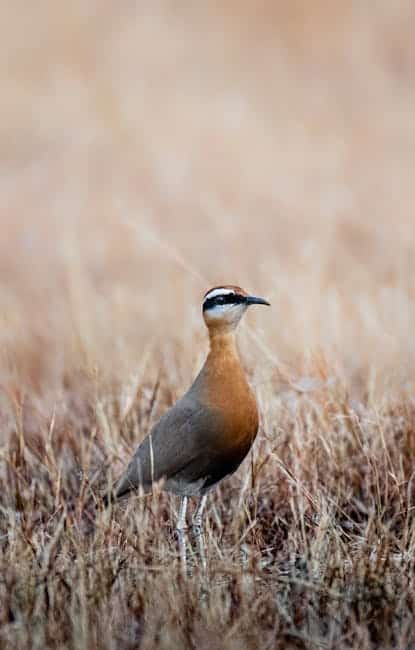
Endangered Birds 2026 Guide Facts & Protection Tips
Have you ever stopped to think about the birds you see every day? Some of these beautiful creatures are in danger of disappearing forever.
Endangered birds are more than just a worry for nature lovers—they are a warning sign for all of us. When these birds vanish, it affects the balance of our environment and your world too. You’ll discover why these birds are at risk, how it impacts you, and what you can do to help protect them.
Keep reading, because the future of these amazing birds depends on what you learn next.
Critical Endangered Birds
Many bird species face the risk of extinction. Critical endangered birds need urgent protection to survive.
These birds live in shrinking habitats and face threats like hunting and pollution. Saving them is vital for nature.
Rare Raptors
Rare raptors are birds of prey with very small populations. They suffer from habitat loss and poisoning.
Examples include the Philippine eagle and the California condor. Both need safe places to live and breed.
- Philippine eagle: lives in tropical forests
- California condor: found in western USA
- Imperial eagle: lives in parts of Asia and Europe
Vulnerable Songbirds
Vulnerable songbirds have lost much of their habitat. Their numbers are dropping due to deforestation.
Some examples are the Kirtland’s warbler and the Seychelles magpie-robin. They depend on healthy forests.
- Kirtland’s warbler: breeds in young pine forests
- Seychelles magpie-robin: lives on small islands
- Yellow-breasted chat: found in North America
Threatened Waterfowl
Waterfowl like ducks and geese face pollution and wetland loss. Many are now threatened with extinction.
The Madagascar pochard and the white-winged duck are in danger. Protecting wetlands helps these birds survive.
- Madagascar pochard: rare diving duck from Madagascar
- White-winged duck: lives in Southeast Asia
- Scaly-sided merganser: found in East Asia rivers

Credit: theconversation.com
Causes Of Decline
Many bird species face the risk of extinction. Their numbers drop each year worldwide. Understanding the causes helps protect these birds.
Several human activities and natural factors cause the decline. Each factor affects birds differently but harms their survival.
Habitat Destruction
Birds lose homes when forests and wetlands disappear. Building cities and farms cuts down important places for birds.
Without safe places to nest and find food, birds struggle to live. Many species cannot survive in small or damaged habitats.
- Deforestation removes trees where birds nest
- Wetland draining reduces water and food sources
- Urban growth shrinks natural spaces
- Farming changes the land and plants
Climate Change Effects
Rising temperatures change where birds can live. Some birds move to cooler areas, but not all survive the move.
Weather changes affect food availability and breeding times. Birds may miss the best times to raise their young.
- Warmer weather shifts bird migration patterns
- Extreme storms destroy nests and food supplies
- Changes in rainfall affect plant and insect life
- Some birds cannot adapt to new climates
Poaching And Illegal Trade
Some birds are hunted for feathers, pets, or food. Illegal trade lowers bird populations quickly and dangerously.
Poaching removes birds from the wild before they can breed. This stops populations from growing and recovers slowly.
- Rare birds often targeted for their beauty
- Illegal pet trade captures wild birds
- Hunting reduces adult breeding birds
- Weakens bird groups and genetic diversity
Pollution Impact
Pollution harms birds through toxic chemicals and waste. Chemicals in water and soil poison birds and reduce food sources.
Plastic waste and oil spills cause injury and death. Polluted environments make it hard for birds to survive and reproduce.
- Poison from pesticides kills insects birds eat
- Oil spills coat feathers, stopping flight and warmth
- Plastic debris causes injury or blocks digestion
- Air pollution damages respiratory health
Conservation Efforts
Many bird species face the risk of extinction. Conservation efforts help protect these endangered birds. These efforts focus on saving habitats and increasing bird populations.
People worldwide work together to ensure birds survive. They use different strategies like creating safe areas and breeding programs.
Protected Areas
Protected areas are special places where birds live safely. These areas keep birds away from hunting and habitat destruction.
Many countries set up national parks and wildlife reserves. These help keep bird habitats clean and safe.
- National parks protect large habitats
- Wildlife reserves focus on specific species
- Sanctuaries provide safe nesting sites
Breeding Programs
Breeding programs help increase bird numbers in controlled places. Scientists breed birds in captivity to avoid extinction.
Young birds are raised and later released into the wild. This helps boost wild populations and saves rare species.
- Careful mating to keep strong genetics
- Raising chicks in safe environments
- Releasing birds when conditions improve
Community Involvement
Local communities play a key role in protecting birds. They watch over nests and report threats to authorities.
Education programs teach people why birds matter. This helps reduce hunting and habitat damage.
- Community patrols protect bird areas
- Workshops teach bird-friendly practices
- Local groups join habitat restoration
Legislation And Policies
Governments create laws to protect endangered birds. These laws ban hunting and habitat destruction.
Policies support funding for conservation projects. They also regulate land use near bird habitats.
- Bans on hunting protected species
- Restrictions on building in bird habitats
- Funding for conservation research

Credit: www.thisiscolossal.com
How To Help
Many bird species face the risk of extinction. We can all help protect these endangered birds. Small actions add up to big changes.
Helping endangered birds means saving their homes and raising awareness. Everyone can do something to support their survival.
Supporting Wildlife Organizations
Wildlife groups work hard to protect birds and their habitats. Your support helps fund their projects and research.
Donations, volunteering, and spreading the word strengthen these organizations. They need people to keep their work going.
- Donate to trusted wildlife charities
- Volunteer for bird monitoring programs
- Share information about endangered birds
Promoting Habitat Restoration
Birds need safe places to live, eat, and breed. Restoring habitats helps bring back healthy bird populations.
You can join tree planting events or clean up local parks. Restored habitats provide food and shelter for many birds.
- Plant native trees and plants
- Remove invasive species from habitats
- Support local habitat restoration projects
Raising Awareness
Talking about endangered birds helps others learn why they matter. Awareness leads to more people taking action.
Use social media, schools, and community groups to share facts and stories about these birds. Education is a powerful tool.
- Host talks or presentations about birds
- Create posters or flyers for your community
- Share bird facts on social media platforms
Sustainable Living Choices
Our daily choices affect bird habitats and food sources. Living sustainably helps reduce harm to the environment.
Use less plastic, save water, and buy eco-friendly products. These actions protect the earth and the birds that live here.
- Reduce single-use plastic use
- Save water at home and in gardens
- Choose products made without harming wildlife

Credit: www.wildlifenomads.com
Frequently Asked Questions
What Causes Birds To Become Endangered?
Birds become endangered due to habitat loss, climate change, and pollution. Deforestation and urbanization destroy their natural habitats. Climate changes alter food availability and breeding patterns. Pollution, such as oil spills and pesticides, can be deadly. Conservation efforts are crucial to protect these species from extinction.
How Can We Help Endangered Birds?
We can help by supporting conservation organizations and protecting habitats. Plant native trees and shrubs to provide shelter and food. Reduce pesticide use to prevent poisoning. Educate others about the importance of biodiversity. Participate in birdwatching and citizen science projects to monitor bird populations.
What Are Some Endangered Bird Species?
Some endangered bird species include the Kakapo, California Condor, and Philippine Eagle. The Kakapo is a flightless parrot from New Zealand. The California Condor is North America’s largest bird. The Philippine Eagle, also known as the Monkey-eating Eagle, is critically endangered due to deforestation.
Why Is Bird Conservation Important?
Bird conservation is crucial for maintaining ecological balance and biodiversity. Birds play vital roles in ecosystems as pollinators, seed dispersers, and pest controllers. They also serve as indicators of environmental health. Protecting birds ensures the survival of many other species and ecosystems.
Conclusion
Protecting endangered birds helps keep nature balanced and alive. Each bird plays a special role in the environment. Losing them means losing part of our world’s beauty and health. Small actions, like saving habitats and reducing pollution, can make a big difference.
Everyone can help by learning and sharing about these birds. Let’s act now to give these birds a chance to survive. Their future depends on us all.