How Bird Eyes Work 2026 Guide Vision & Anatomy Explained
Birds fly with incredible precision, and their extraordinary eyes make it possible. How bird eyes work reveals fascinating secrets behind their survival, hunting, and navigation skills. Birds can spot tiny insects far away and perceive colors humans cannot. In many ways, bird eyes are nature’s high-tech cameras—designed for speed, accuracy, and detail.
Bird Eye Anatomy
Birds have some of the sharpest eyes in the animal kingdom. Understanding their anatomy helps us see how birds find food, avoid predators, and navigate their environments.
Learning how bird eyes work also helps scientists design better cameras, drones, and optical devices inspired by nature.
Eye Structure
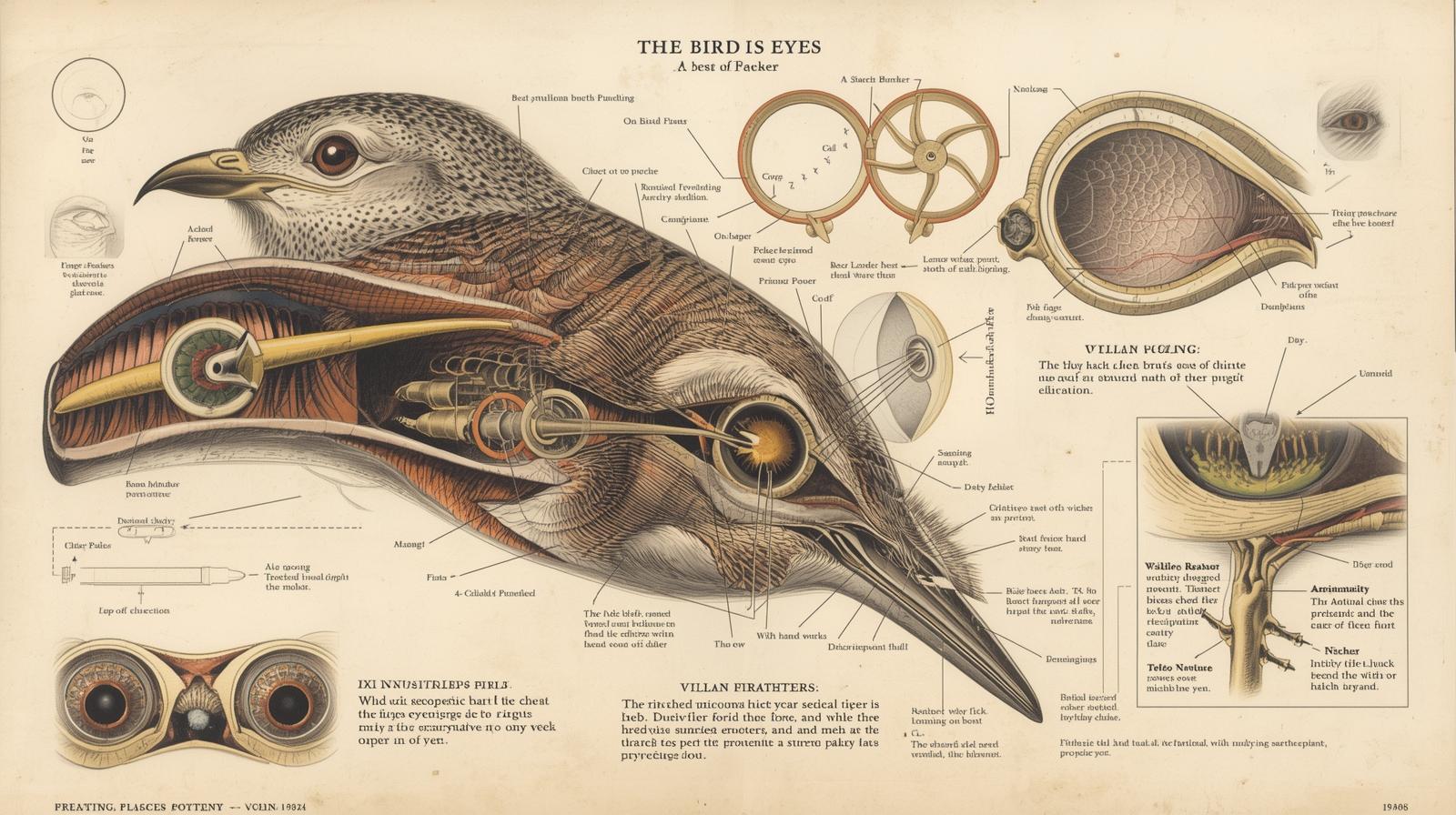
Bird eyes are similar to human eyes. They have a cornea, lens, retina, and iris. The retina holds many light-sensitive cells. This gives birds a sharp image. Their lenses quickly change shape to focus.
Unique Bird Features
Birds have special features for better sight. Their eyes are large compared to their heads. They have a third eyelid called the nictitating membrane. This protects the eye. It keeps the eye moist without blocking vision.
-
Many birds can see ultraviolet light.
-
They have two foveae for sharp focus.
-
Their eyes can track fast movements easily.
Studying how bird eyes work shows how evolution has fine-tuned vision for survival.
Comparison With Human Eyes
Bird eyes differ from human eyes in keyways. Birds see better colors and more color shades. Birds also have a wider field of view. Some birds see all around without moving their heads.
Visual Acuity in Birds
Birds have the animal kingdom's sharpest vision. Their eyes see details better than human eyes. Their eye function shows their survival skills. Sharp vision helps them hunt and navigate well.
Vision Sharpness
Birds see with great sharpness. This is due to their eye structure. Their retinas have a high density of cells. These cells detect light. Many birds have a special fovea area. This spot gives clear, detailed central vision.
Photoreceptors' Role
Photoreceptors sense light and color in the eye. Birds have two types: rods and cones. Cones help birds see color and fine detail. Rods work better in low light. Birds have more cones than humans.
-
Cones detect colors and bright light.
-
Rods detect shapes and dim light.
-
High cone density increases visual sharpness.
Impact On Hunting and Navigation
Sharp vision helps birds spot prey far away. They see small details and movements clearly. Good eyesight also helps with navigation. Birds use the sun and landmarks to fly long distances.
-
They detect prey accurately and fast.
-
They avoid obstacles while flying fast.
-
They use landmarks for migration routes.
-
They adjust paths by watching the sun.
Color Perception
Birds see colors differently than humans do. Their eyes have special cells for many shades. This ability helps them find food. They choose mates and avoid predators better.
Number Of Cone Types
Bird eyes have four types of cone cells. Humans have only three types. These cones let birds see more colors. They see a wider color range in their world.
-
Each cone type detects light wavelengths.
-
More cones mean more color details.
-
This helps birds spot mates and food easily.
Ultraviolet Vision
Birds can see ultraviolet light. Humans cannot see this light. UV vision helps birds find insects and flowers. It also helps them see signals from other birds.
-
UV light shows patterns on flowers.
-
Some feathers reflect UV for attraction.
-
This aids in hunting and navigation.
Color Detection Advantages
Birds use color vision for survival. They tell ripe fruits from unripe ones easily. Bright colors help them find mates. They also help birds avoid predators and danger.
-
Birds find food easily in complex areas.
-
They recognize friends and foes quickly.
-
They find good nesting spots by color.
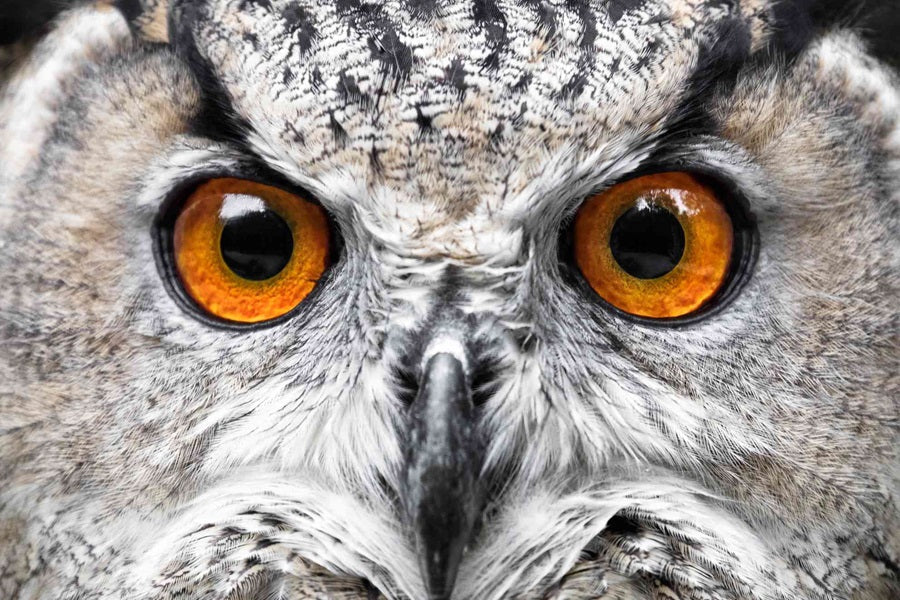
Credit: www.birdfy.com
Field Of View and Depth Perception
Birds have unique eyes. They see the world in different ways. Their depth perception and field of view are key to survival. Birds use eye placement to judge distances. They see very wide areas at once.
Eye Placement and Vision Range
Eye position affects how much they can see. Some birds have eyes on their heads' sides. This gives them a wide range of vision. It gives them less depth perception.
-
Side-placed eyes give nearly a view.
-
Front-placed eyes focus on distance and depth.
-
Vision range helps birds spot food and predators.
Binocular Vs Monocular Vision
Birds use two types of vision. Binocular vision uses both eyes on one object. Monocular vision uses each eye for different parts. This helps birds watch more area at once.
-
Binocular vision improves depth perception.
-
Monocular vision increases the field of view.
-
Predatory birds use more binocular vision.
-
Prey birds usually have wide monocular vision.
3D Perception in Flight
Birds use 3D perception to judge distances while flying. It helps them catch prey and avoid objects. Binocular vision lets them see depth clearly. This skill is vital for fast, precise moves.
-
3D perception helps birds land safely.
-
It aids in catching flying insects or prey.
-
Birds adjust their path using depth cues.
Eye Movement and Focus
Birds have amazing eyes for clear sight. Their focus and eye movement are special. These features help birds spot food. They also help birds fly safely and avoid danger.
Rapid Eye Movements
Birds move their eyes quickly to scan. These fast movements help them find prey or threats. Some birds move their eyes alone. This gives a wide view without moving the head.
Focusing Mechanisms
Birds focus by quickly changing their lens shape. This helps them see objects clearly at any distance. They have a special eye area called the fovea. It sharpens vision for fine focus.
-
The lens changes shape to focus near or far.
-
The fovea improves sharpness and detail.
-
Some birds have two fovea's for better vision.
Adaptations For Different Environments
Bird eyes adapt to where the bird lives. Bright area birds have eyes that reduce strong light. Dark or underwater birds have larger eyes. This gathers more light for better sight.
-
Desert birds have small pupils to reduce glare.
-
Nocturnal birds have large eyes for night vision.
-
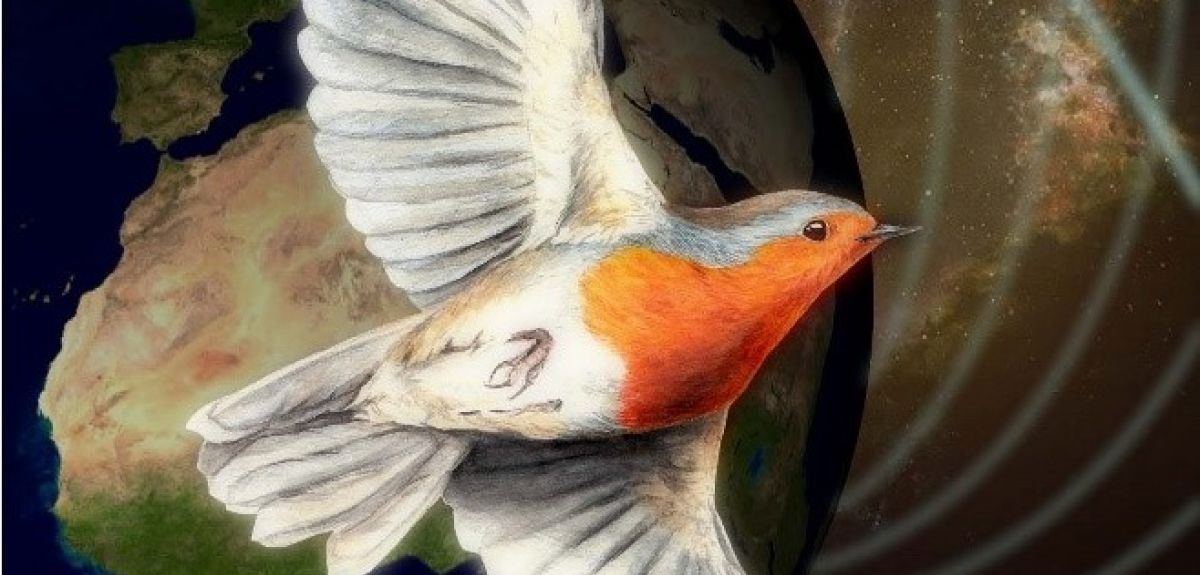
Water birds have clear eyelids to see underwater.
Credit: www.ox.ac.uk
Evolutionary Adaptations and Technology
Bird eyes evolved to improve survival, hunting, and navigation. Scientists study bird vision for biomimicry, inspiring:
-
Wide-angle camera lenses
-
Fast-focus drones
-
Advanced optical sensors
Studying how bird eyes work helps engineers create faster, sharper optical devices.
Survival Benefits
Bird eyes help them quickly spot food and danger. Sharp vision keeps them safe from predators. It also helps them catch their prey. Many birds see colors better than humans. This helps them find healthy mates or ripe fruits.
-
Wide field of view helps watch for threats.
-
Fast eye movements follow flying insects.
-
Strong focus helps them catch small prey.
Specialized Eyes in Different Species
Bird species have eyes shaped for their needs. Hawks have sharp eyes to see very far. Owls have large eyes to see at night. Water birds see well underwater. Woodpeckers have protection from tree debris.
-
Hawks: Have excellent distance vision.
-
Owls: Have enhanced night vision.
-
Ducks: Need clear underwater sight.
-
Woodpeckers: Need eye protection from wood chips.
Co-evolution With Environment
Bird eyes changed along with their homes. Desert birds have eyes that reduce sun glare. Forest birds see well in shady areas. These adaptations help birds live better. Their eyes match the light and colors around them.
-
Desert birds: Need glare reduction.
-
Forest birds: Need low light vision.
-
Arctic birds: Need protection from bright snow.
Technological Inspirations
Bird eyes inspire new technologies. Their unique vision helps us design better tools. Scientists study bird eyes to create devices. These new devices have better clarity and speed. This knowledge leads to smart inventions.
Biomimicry In Optics
Bird eyes use complex shapes and layers to see. Biomimicry copies these features for glasses and lenses. Some birds have a curved retina for better focus. Engineers use this idea to reduce lens issues.
-
Multiple focal points give sharp images.
-
Eye shape helps create a wide field of view.
-
Special cells allow fast light detection.
Applications In Cameras and Drones
Cameras and drones use bird eye designs to see better. This helps capture much clearer images from the sky. Drones copy bird vision to detect objects quickly. This allows safer navigation. Cameras get better zoom and focus.
-
Wide-angle lenses give a broad view.
-
High-speed autofocus systems are used.
-
Image stabilization is greatly improved.
Future Innovations
Future technology will use bird eye features. This can create small, powerful optical devices. This could change many industries. Scientists plan to build new sensors. These sensors will track moving objects easily. This helps cars and robots.
-
Miniature cameras with multi-focus lenses.
-
Smart sensors for quick object tracking.
-
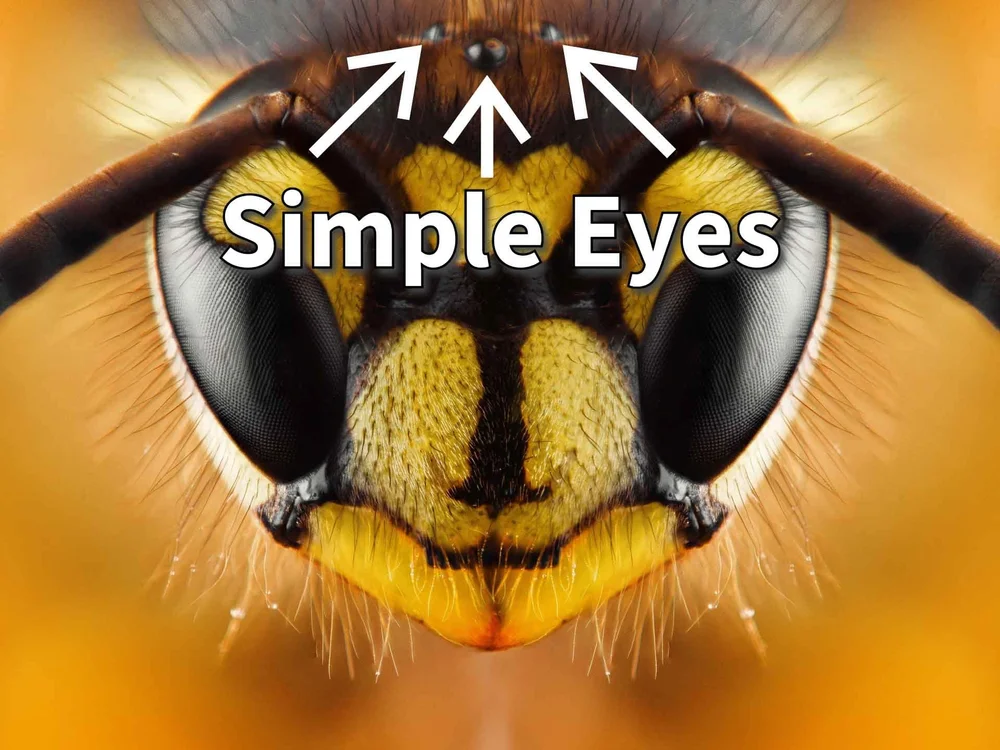
Energy-efficient vision systems are coming.
Credit: silvotherapy.co.uk
Frequently Asked Questions
How Do Bird Eyes Differ from Human Eyes?
Bird eyes have more photoreceptors. This enables much sharper vision. They see a wider color range and field of view. This helps them find prey and navigate well.
Why Do Birds Have Large Eyes?
Large eyes help birds gather more light. This gives them better vision in dim light. It helps them spot predators and food from far away.
Can Birds See Ultraviolet Light?
Yes, many birds can see ultraviolet light. This helps them find food and mates. It also aids in navigation.
How Do Birds Focus Their Vision?
Birds use a unique structure called the pecten. This nourishes the retina. They can quickly change their lens shape. This focuses on objects at different distances.
Conclusion
Bird eyes have amazing, unique features. They help birds see clearly all the time. They detect movement and colors better than humans. Their eyes work fast to spot any danger or food. Birds also have a wide field of vision for watching their world.
These unique abilities keep birds safe. They also help birds survive every day. Understanding how bird eyes work reveals the brilliance of nature’s design—and next time you see a bird, you’ll appreciate the superpower hidden in its gaze.