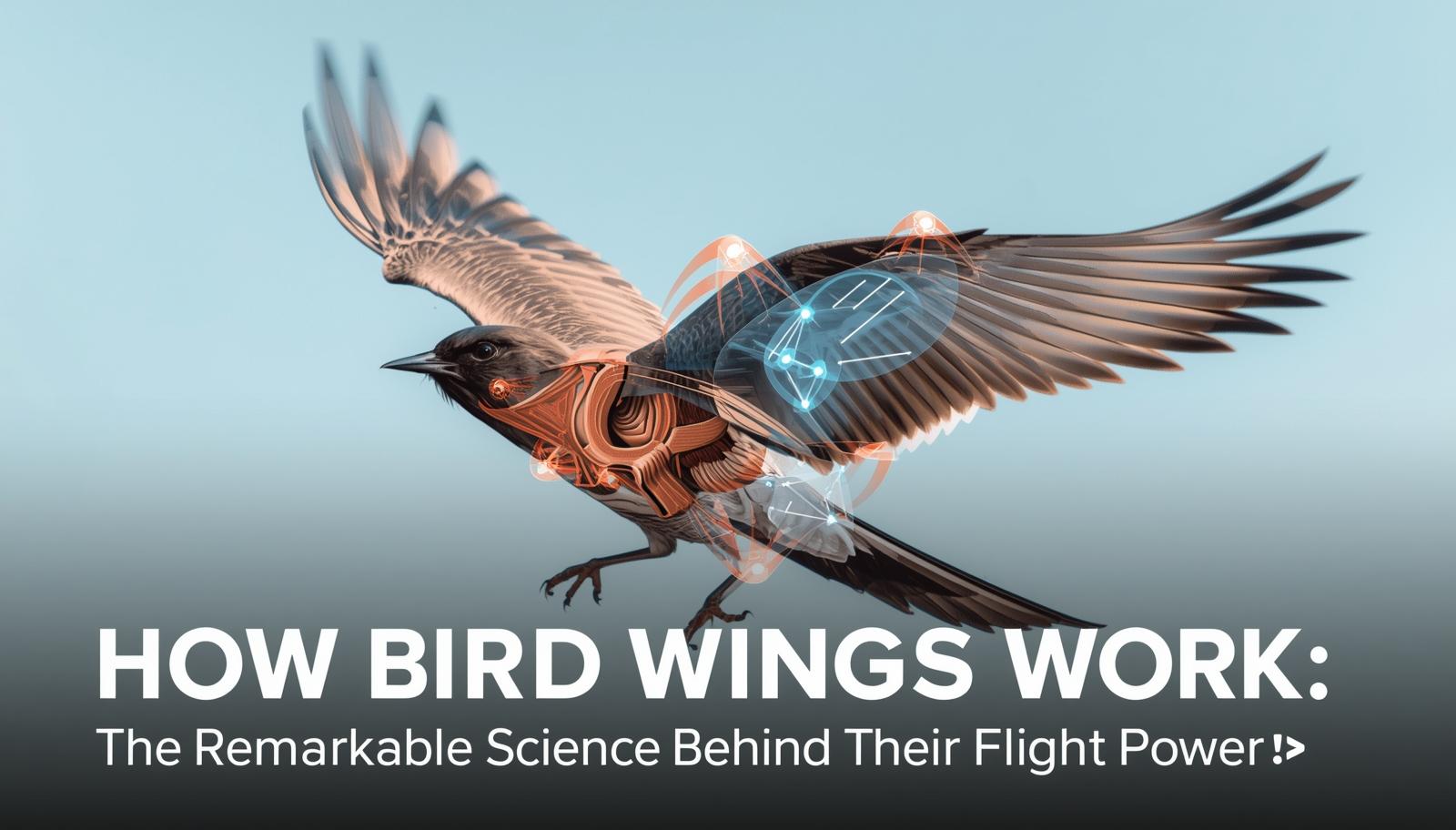
Ever Look Up and Ask: How Do Birds Fly?
Have you watched a bird soaring? They make staying up there look so easy. Bird wings are true wonders. They master flight with perfect design.
Knowing how these wings work is amazing. It changes how we see nature. We look at bird wing mechanics. We find secrets about air movement. You might be surprised by nature's clever engineering.
Ready to see birds in a new light? Let’s find out how bird wings work. We uncover the wonders of avian flight together.
Credit: nhm.org
Wing Anatomy
Bird wings are complex structures. They allow flight easily. Many parts work together for this.
Understanding wing parts helps explain bird movement. It shows how they fly through the air.
Bone Structure
Bird wings have light bones. These bones support their flight. The bones are strong but weigh little.
The main bones are the humerus, radius, and ulna. They connect to the body and feathers.
-
Humerus: The upper wing bone. It connects to the body.
-
Radius and Ulna: Forearm bones. They support the feathers.
-
Carpals and Metacarpals: Smaller bones in the wing tip.
Feather Types
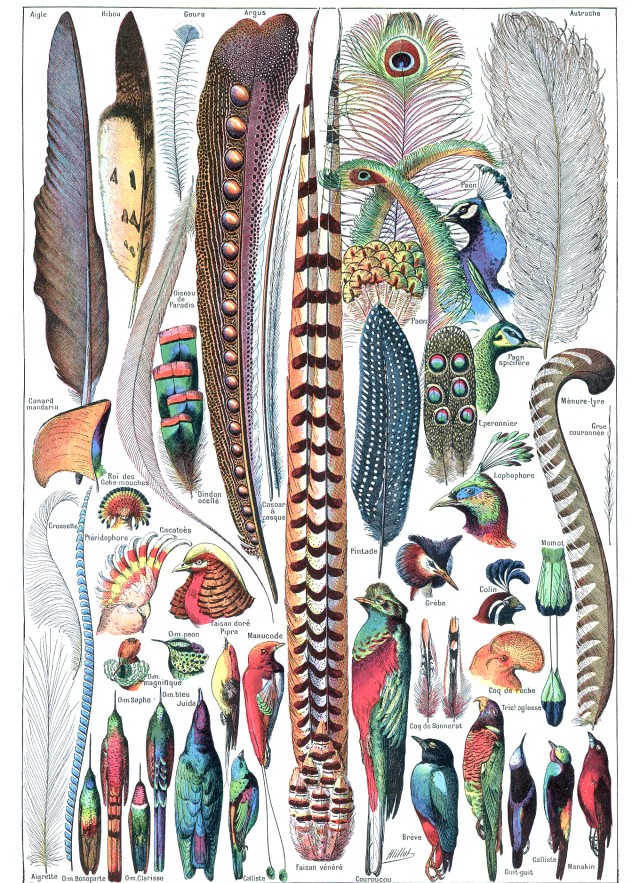
Bird wings have different feathers. Each feather has a special job. They help with steering and lift.
Three main feather types exist on wings. These are flight feathers, coverts, and down feathers.
-
Flight Feathers: Large feathers on wing edges. They are key for flying.
-
Coverts: Smaller feathers. They cover the flight feathers.
-
Down Feathers: Soft feathers near the body. They keep the bird warm.
Muscle Arrangement
Strong muscles move the wings. These muscles pull the wings up and down.
Two main muscles power the wing. They are the pectoralis and the supracoracoideus.
-
Pectoralis: A large muscle. It pulls the wings down for flight.
-
Supracoracoideus: This muscle lifts the wings up.
Flight Mechanics
Bird wings are designed to help them fly smoothly through the air. They use special movements and shapes to move up, forward, and stay balanced.
Understanding how bird wings work helps us learn about lift, thrust, and wingbeat patterns. These parts are key for flight.
Lift Generation
Lift is the upward force. It pushes a bird into the air. This happens because of the wing shape. Air moves over the wing.
Wings are curved on top. They are flat underneath. Air moves faster on top. This makes lower pressure. The pressure difference pushes the bird up.
-
Curved top speeds up air.
-
Lower pressure is above the wing.
-
Higher pressure is under the wing.
-
Pressure difference creates lift.
- Physicists explain the core principle: "The curved shape of a bird's wing is an airfoil. According to Bernoulli's Principle, as air moves faster over the curved upper surface, its pressure decreases. The slower-moving air underneath maintains higher pressure, creating an upward force called lift. This pressure differential is the fundamental mechanism that allows birds—and airplanes—to defy gravity."
Thrust Production
Thrust moves the bird forward. Birds push air backward with their wings. This helps them move ahead.
Downward wing strokes create thrust. The bird’s muscles power this action. It helps overcome air resistance.
-
Wings push air backward.
-
Thrust moves the bird forward.
-
Muscles power wing strokes.
-
This beats air resistance.
Wingbeat Patterns
Birds move their wings in various ways. The wingbeat changes based on speed. It depends on the flight type.
Slow flapping gives steady lift. Fast wingbeats create more thrust. Some birds glide. They use wide, steady wings.
-
Slow flapping gives steady lift.
-
Fast wingbeats create more thrust.
-
Gliding uses steady, wide wings.
-
Patterns fit flying needs.
Aerodynamics In Action
Bird wings use air and motion to fly. Wings create lift. They also reduce drag. This keeps the bird airborne.
We see how wings work. It shows nature's power in aerodynamics.
Airflow Dynamics
Air moves over and under the wings. The wing’s shape changes the air pressure.
Higher pressure below pushes the bird up. Lower pressure above pulls it up too.
-
Air moves faster over the top.
-
Air moves slower under the wing.
-
Pressure difference creates lift.
Wing Shape And Efficiency
Wings have curved tops. They have flatter bottoms. This shape helps birds fly easily.
Long, narrow wings glide well. Short, wide wings help with fast turns and speed.
-
Curved tops speed up air.
-
Flatter bottoms slow down air.
-
Shapes fit different flying styles.
Role Of Wing Flexibility
Bird wings twist and bend while flying. This flexibility helps control balance and movement.
Flexible wings adjust to wind shifts. They help birds save energy. They fly smoothly.
-
Wings change shape during flapping.
-
Bending helps control direction and lift.
-
Flexibility makes flight better.
- Biomimicry engineers study bird wings for future drones: "Man-made wings are rigid, but a bird's wing is a 'morphing' structure. They can change their camber (curvature), span, and area instantly mid-flight. This flexibility allows them to switch from efficient gliding to high-drag landing in seconds—a level of adaptability that modern aircraft engineers are still trying to replicate."

Credit: www.reddit.com
Energy And Power
Bird wings need much energy to flap. Power comes from strong muscles. It also comes from body changes.
How birds use energy explains their long-distance flight. It shows how they stay strong.
Muscle Energy Use
Birds use chest muscles to flap. These muscles need fuel to keep moving.
The muscles burn fats and sugars. This makes energy fast. This energy powers every wing beat.
-
Chest muscles are the main power source.
-
Muscles turn food into quick energy.
-
Energy fuels wing flapping.
Metabolic Adaptations
Birds have special metabolism to make energy fast and save it. Their bodies work hard to keep energy steady.
They use oxygen efficiently and store fat for longer flights. This helps them fly without stopping.
- High oxygen use in muscles
- Fat storage for long energy supply
- Fast energy release for wing movement
- Physiologists highlight the unique avian lung: "Unlike mammals, birds have a unidirectional flow of air through their lungs, thanks to a system of air sacs. This means they receive oxygen-rich air during both inhalation and exhalation. This highly efficient respiratory system provides the massive, continuous oxygen supply needed to fuel the flight muscles during long migrations."
Flight Endurance
Birds fly for many hours or days. Their energy systems help them keep going.
Endurance depends on muscle strength. Good metabolism also helps. Birds adjust energy use while flying.
-
Strong muscles support long wing beats.
-
Metabolism adapts to flying needs.
-
Energy use changes to save power.
Specialized Flight Styles
Birds fly in many ways. Their wings help them use different styles. Styles fit their needs. They match their environment.
Some birds soar high, saving energy. Others hover or turn quickly. Each style requires special wings.
Soaring And Gliding
Soaring birds use warm air to rise. They do not flap much. They spread wide wings to catch the wind. Gliding moves them forward smoothly.
These styles save energy on long trips. Eagles and hawks soar. They watch for food from above.
-
Wide wings catch rising air.
-
Little flapping is needed.
-
Good for long distances.
-
Used by large birds.
Hovering Techniques
Hovering means staying still in the air. Hummingbirds flap wings very fast. This keeps them steady while eating nectar.
Some birds hover facing the wind. They make small wing moves. This helps them search for food.
-
Fast wing beats provide stability.
-
Used to eat or watch closely.
-
Needs strong wing muscles.
-
Common in small birds.
Rapid Maneuvers
Some birds fly with quick turns. They make sharp moves. This helps them avoid danger. It helps them catch quick prey. Their wings are short and flexible.
Rapid moves require strong control. They need fast reactions. Falcons and swallows use this style. They hunt and stay safe.
-
Short, flexible wings.
-
Fast wing strokes.
-
Sharp dives and turns.
-
Used in escape and hunting.
Evolution Of Wings
Bird wings did not appear suddenly. They evolved over millions of years. This change helped animals move from the ground to the sky.
Wings are special limbs that allow flight. Their shape and structure changed as animals adapted to new environments.
From Dinosaurs To Birds
Birds came from small dinosaurs. These were called theropods. These dinosaurs had feathers.
Feathers first helped with warmth. They helped with display. Later, feathers were key for flight.
-
Theropods had feathered forelimbs.
-
Some used feathers to glide.
-
Feathers grew stronger over time.
Adaptive Changes
Bird wings changed to help flight. Bones became lighter. They are now hollow. Muscles grew stronger to flap.
Wings also helped birds balance. They helped them move on land. Their shape fits how the bird flies.
-
Light, hollow bones cut weight.
-
Strong muscles allow wing flapping.
-
Shapes fit different flights.
Flight Innovations
Birds developed new traits. These traits improved flight. They learned to control air with feathers. Their wings became more flexible.
These changes helped birds fly farther. They flew faster. Some birds dive, glide, or hover well.
-
Feathers control air for smooth flight.
-
Flexible joints help wing movement.
-
Special muscles control movement precisely.
Credit: nhm.org
Frequently Asked Questions
How Do Bird Wings Enable Flight?
Bird wings make lift through shape and movement. Air moves faster over the curved top. This creates lower pressure. This difference lifts the bird. Flapping provides thrust. This moves the bird forward. It allows controlled flight.
What Role Do Feathers Play In Wing Function?
Feathers make a smooth, aerodynamic surface. They help control lift and airflow. Primary feathers at the tips help with steering. Secondary feathers give lift. Together, they allow stable flight and turning.
Why Do Bird Wings Have Different Shapes?
Wing shapes fit flying styles. Long, narrow wings help soarers glide well. Short, round wings help with fast takeoffs. They also help with quick turns. Each shape balances speed and lift. It fits different environments.
How Do Birds Control Wing Movement?
Birds use strong muscles on the wing bones. These muscles control flapping speed and wing position. Changing the wing angle shifts lift and drag. This control helps birds handle different flying conditions.
Conclusion
Bird wings help birds fly. They create thrust and lift. Their movement and shape make flying efficient. Feathers are key for air flow control. Different birds have wings for their specific needs.
Understanding bird wings shows nature's solution to flight. This knowledge even inspires human planes. Watching birds soar is amazing. You now know how their wings work. Flight mixes design, strength, and clever air use. Birds truly are nature’s expert fliers.