
Have you ever gazed up at the sky, watching birds soar effortlessly and wondered, “Why does a bird fly?” It’s a question that sparks curiosity and invites you to unravel the mysteries of nature.
Understanding this marvel goes beyond mere fascination; it touches on the principles of physics, biology, and evolution. Imagine the freedom of gliding through the air, the wind beneath your wings, and the world stretched out below. You’ll discover the intricate mechanics behind a bird’s flight and why it captivates so many of us.
Dive in, and let’s uncover what makes flight possible for our feathered friends. You might find that the answer is as intriguing as the flight itself.

Credit: www.youtube.com
Bird Anatomy For Flight
Birds have special body parts that help them fly. Their bodies are built to be light and strong.
Understanding these parts shows why birds can lift off and glide through the air.
Lightweight Skeleton
Birds have bones that are hollow inside. This makes their skeleton very light but still strong.
Their bones are fused in some places to make a rigid frame for flight muscles.
- Hollow bones reduce weight
- Strong bone structure supports muscles
- Fused bones add stability during flight
Wing Structure
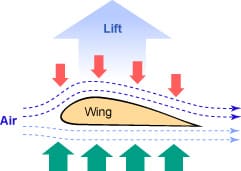
Bird wings have a special shape that helps create lift. The wing curves on top and is flatter below.
Strong muscles move the wings up and down to push air and lift the bird.
- Wing bones support feathers
- Muscles control wing movement
- Shape of wings helps lift and glide
Feather Types And Functions
Birds have different feathers for flying, staying warm, and steering. Flight feathers are strong and stiff.
Down feathers keep birds warm. Tail feathers help with balance and direction.
- Flight feathers provide lift and thrust
- Down feathers trap heat
- Tail feathers help steer and brake

Credit: ttnature.com
Flight Mechanics
Birds fly using special body parts and movements. Their wings help them move through the air.
Flying needs the right force and shape to stay up and move forward.
Lift And Thrust Generation
Lift is the force that pushes a bird up. It works against gravity and keeps the bird in the air.
Thrust moves the bird forward. It helps the bird fly fast and change direction.
- Lift comes from air pressure differences above and below wings
- Thrust comes from wing movements pushing air backward
- Both lift and thrust must work together for steady flight
Wing Flapping And Gliding
Birds flap their wings to create lift and thrust. Flapping uses energy but gives strong power.
Gliding lets birds save energy. They hold their wings still and float on air currents.
- Flapping helps birds take off and speed up
- Gliding is used for smooth, long-distance flight
- Birds switch between flapping and gliding during flight
Aerodynamics In Bird Flight
Aerodynamics is how air moves around birds. It helps reduce air resistance and saves energy.
Bird wings are shaped to control airflow. This shape helps birds fly smoothly and quickly.
- Curved wings create lift by changing air pressure
- Smooth feathers reduce drag and noise
- Wing shape changes for different flying styles
Energy And Metabolism
Birds fly using a lot of energy. Their bodies change food into fuel fast. This process is called metabolism.
Strong muscles need energy to move wings. Birds have special ways to get and use this energy.
High Metabolic Rate
Birds have a high metabolic rate. This means they burn energy quickly. It helps them stay active while flying.
Their fast metabolism keeps muscles working. It also helps keep body temperature warm during flight.
Efficient Oxygen Use
Birds use oxygen very well. Their lungs and air sacs work together to bring in fresh air.
Good oxygen flow gives muscles the power to keep flapping wings. This helps birds fly long distances.
Energy Storage And Usage
Birds store energy in fats. Fat has more energy than other food types. This is useful for long flights.
They use energy step by step. First, they burn sugars for quick energy. Then, they burn fat for longer energy.
- Store fat for long flights
- Burn sugars for fast energy
- Use fat for steady energy
Navigation And Migration
Birds fly long distances during migration to find food and better weather. They use special skills to navigate the skies.
These skills help birds find their way even when flying over oceans or unfamiliar lands.
Magnetic Field Sensing
Birds can sense Earth’s magnetic field. This helps them know which way to fly.
The magnetic field acts like a natural compass for birds during their long trips.
- Some birds have tiny magnetic particles in their heads
- These particles help them detect magnetic directions
- Birds use this sense especially when the sun or stars are not visible
Visual Landmarks
Birds remember places like rivers, mountains, and buildings to guide them.
These landmarks help birds stay on the right path during migration.
- Birds use coastlines and forests as guides
- Large rivers are common routes for many species
- Landmarks help birds find resting spots and food
Weather And Wind Patterns
Birds watch the weather before and during their flight. Good weather makes flying easier.
They use wind patterns to save energy and fly faster.
- Tailwinds help birds move quickly over long distances
- Birds avoid storms and strong headwinds
- Some birds wait for clear skies to start their journey
Evolution Of Flight
Flight is one of nature’s most amazing abilities. Birds can fly because of many changes over millions of years.
This evolution helped birds survive and live in many places around the world.
From Dinosaurs To Birds
Birds evolved from small dinosaurs called theropods. These dinosaurs had feathers and light bones.
Over time, some dinosaurs developed wings and learned to glide before they could fly fully.
Adaptations Over Time
Birds’ bodies changed a lot to help them fly. Their bones became hollow and light.
They also developed strong chest muscles to move their wings fast and lift their bodies.
- Lightweight bones
- Strong flight muscles
- Feathers shaped for flying
- Efficient breathing systems
Flight Variations Among Species
Not all birds fly the same way. Some flap their wings quickly, others glide or soar.
Flight styles depend on the bird’s size, wing shape, and habitat needs.
- Hummingbirds hover by flapping wings fast
- Eagles soar high with wide wings
- Swallows flap and glide to catch insects
- Penguins use wings to swim, not fly
Credit: www.massaudubon.org
Frequently Asked Questions
Why Do Birds Have Wings To Fly?
Birds have wings specially adapted for flight. Wings generate lift and thrust, allowing birds to rise and move through air efficiently.
How Do Birds Generate Lift To Fly?
Birds generate lift by flapping their wings. The shape of their wings creates lower pressure above and higher pressure below, lifting them up.
What Role Does Bird Feather Structure Play In Flying?
Feathers provide lightweight strength and aerodynamic shape. They reduce air resistance and help birds control direction and speed during flight.
Why Is Flying Important For Birds’ Survival?
Flying helps birds find food, escape predators, and migrate. It increases their chances of survival and reproduction in diverse environments.
Conclusion
Birds fly because their bodies are built for it. Their wings create lift, and their muscles give power. Flying helps birds find food and escape danger. It also lets them travel far and explore new places. Nature made birds perfect for the sky.
Understanding why birds fly shows how amazing life can be. Flying is not just movement; it is freedom and survival. This simple act connects birds to the world above us.



