Have you ever wondered How Birds Defend Nests from Predators? Imagine the tiny eggs or fragile chicks hidden high in a tree or tucked away in bushes.
You might think they’re easy targets, but birds have clever ways to protect their homes. You’ll discover surprising and smart tricks birds use to defend their nests. Understanding these tactics can change the way you see nature and might even inspire you to protect wildlife in your own backyard.
Keep reading to uncover the secrets behind these amazing bird defenses.
Nest Protection Strategies
Birds use many ways to protect their nests from predators. These strategies help keep eggs and chicks safe. Nest defense is key for their survival.
Some birds hide their nests well. Others build strong nests or choose safe places. These methods reduce the risk of being attacked.
Camouflage And Concealment
Birds often use camouflage to blend nests into the environment. They may use colors and materials that match leaves, bark, or ground.
- Using twigs, leaves, and moss that match the surroundings
- Building nests low in dense bushes or tall grass
- Covering eggs with debris when leaving the nest
- Choosing colors that make nests hard to see
Nest Location Choices
Birds pick nest sites that are hard for predators to reach. They avoid open areas or places near the ground.
| Location | Benefits |
| High tree branches | Hard to reach by ground predators |
| Thick bushes | Good cover and hiding spots |
| Cliffs and ledges | Protected by natural barriers |
| Inside tree holes | Safe from large animals and weather |
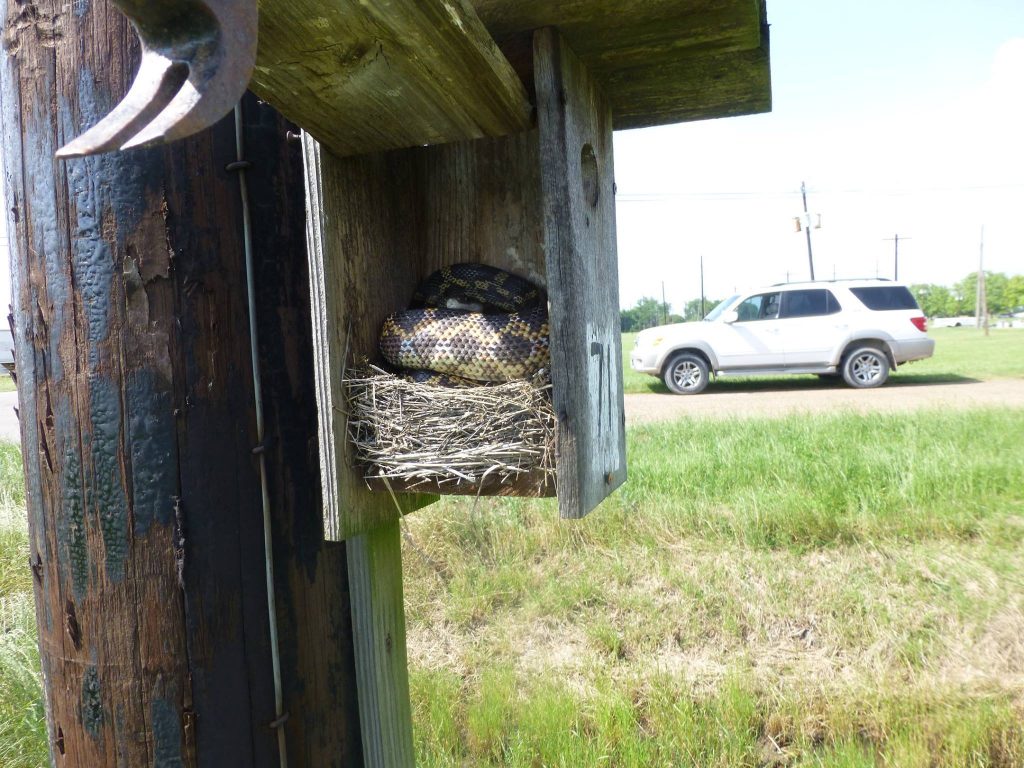
Structural Defenses
Some birds build nests with strong materials. These nests are hard to break or enter. Other birds add extra layers or spikes.
Common structural defenses include:
- Thick walls made from mud or clay
- Spiky twigs around the nest edge
- Multiple chambers to confuse predators
- Sticky or slippery surfaces to prevent climbing
Credit: nestwatch.org
Alarm And Distraction Techniques
Birds use alarm and distraction techniques to protect their nests. These actions help warn others or confuse predators.
These defense methods increase the chances that eggs and chicks stay safe from harm.
Mobbing Behavior
Mobbing happens when several birds attack or harass a predator together. They fly close and make loud noises to scare it away.
- Birds swoop at the predator
- They call loudly to draw attention
- They may peck or scratch the intruder
- This group effort makes predators leave
Ecologists analyze the risk-reward: “Mobbing is more than just a momentary annoyance; it serves a crucial educational purpose for the entire prey community. By loudly and aggressively exposing a predator—such as an owl or a raptor—the mobbing birds are teaching their young and their neighbors exactly what that predator looks like, where it is currently perched, and what its hunting style is. This is known as cultural transmission of predator recognition, and it significantly increases the long-term survival of the flock, outweighing the short-term risk to the individual mobbers.”
False Injury Displays
False injury displays trick predators by pretending to be hurt. Birds flap their wings or drag a wing as if injured.
| Action | Purpose |
|---|---|
| Dragging wing | Draws predator away from nest |
| Flapping on ground | Appears as easy prey |
| Calling loudly | Distracts predator from eggs |
Vocal Warnings
Birds use sounds to warn others about danger. Different calls signal different threats or alert the whole group.
- Sharp alarm calls warn of predators nearby
- Rapid calls alert mates to attack or flee
- Some calls mimic predator sounds to confuse enemies
- Calls help keep the nest area safe
Aggressive Defense Tactics
Birds use strong defense tactics to protect their nests from predators. They act quickly and boldly to keep their eggs safe.
These tactics include attacking, using body parts, and finding weak spots in predators. Each helps birds guard their young.
Physical Attacks
Many birds attack predators directly to scare them away. They may dive or swoop near the threat.
Some birds use their claws or feet to scratch or hit the predator. This makes the predator leave the area.
Use Of Feathers And Beak
Birds use their feathers to make themselves look bigger. Puffing up feathers can frighten predators.
The beak is a sharp tool birds use to peck or bite. It helps them fight off enemies near their nests.
Targeting Predator Vulnerabilities
Birds aim for weak spots on predators, like eyes or sensitive skin. This causes pain and stops attacks.
- Pecking at the eyes to blind or distract
- Hitting soft areas like the nose or ears
- Using loud calls to confuse or warn others
Cooperative Defense
Many bird species protect their nests by working together. This teamwork helps them guard eggs and chicks from danger.
Cooperative defense is a smart way birds stay safe. It lets them share tasks and watch for predators better.
Group Nesting Benefits
Living and nesting in groups helps birds protect their young. Many eyes see threats faster than one pair can.
Groups can scare off predators by acting bigger and louder. This lowers the chance of an attack.
- More eyes to spot danger quickly
- Predators are scared by large groups
- Sharing nest defense duties saves energy
- Better care for young in group settings
Sentinel Roles
Some birds take turns acting as sentinels. They watch for predators while others feed or rest.
Sentinels give early warnings. This helps the group prepare and defend the nest quickly.
- Sentinels stay alert for threats
- They warn others with calls or movements
- Rotation keeps everyone rested and alert
Alarm Calls Coordination
Birds use alarm calls to warn the group about predators. Different calls may mean different dangers.
These calls help birds act fast. They may hide, mob the predator, or fly away to safety.
- Specific calls signal different threats
- Calls alert group members quickly
- Coordinated response increases nest safety
Environmental Manipulation
Birds use the environment to protect their nests from predators. They change or use natural features to hide or block access. These tricks help keep eggs and chicks safe.
Many birds carefully choose and adjust their surroundings. They use plants, change the nest site, and build barriers. These actions confuse or stop predators.
Using Surrounding Vegetation
Birds pick spots with thick leaves or branches. Dense plants hide nests from view. Some birds also trim nearby plants to shape hiding spots.
- Choose dense bushes to cover nests
- Use thorny plants to discourage predators
- Place nests near tall grasses to block sight
- Keep surrounding plants growing to maintain cover
Nest Site Alterations
Birds often change the ground or tree spots to make nests safer. They dig small holes or build nests in hard-to-reach places. Sometimes, they add extra materials to confuse predators.
| Alteration Type | Purpose |
| Digging holes | Hide nests below surface |
| Building in tree forks | Make access harder |
| Adding extra twigs | Camouflage nest shape |
| Using mud or leaves | Blend nest with surroundings |
Creating Barriers
Some birds build walls or fences around nests. These barriers block or slow predators. Barriers can be made from sticks, mud, or even spider webs.
- Stick fences stop small animals
- Mud walls add a strong shield
- Spider webs trap or confuse insects and small predators
- Some birds add sharp thorns as natural spikes

Credit: lafeber.com
Species-specific Defense Examples
Birds use many ways to protect their nests from predators. These defenses often match their habitats and lifestyles.
Understanding these species-specific tactics shows how birds survive and keep their young safe.
Seabirds’ Unique Tactics
Seabirds often nest on cliffs or islands. They use loud calls to scare off predators. Some species like gulls attack by dive-bombing intruders.
- Protect nests with aggressive flying attacks
- Use strong, sharp beaks to defend
- Build nests in hard-to-reach places
- Group nesting to confuse predators
Forest Birds’ Camouflage Tricks
Forest birds hide their nests by blending in with leaves and branches. Their eggs and feathers often match the color of tree bark or moss.
| Species | Camouflage Method | Effect |
|---|---|---|
| Common Potoo | Mimics tree bark with plumage | Hard to spot during the day |
| Wood Thrush | Speckled eggs blend with leaf litter | Eggs hidden from ground predators |
| American Robin | Nests built with mud and twigs | Camouflages nest shape and color |
Urban Birds’ Adaptations
Birds in cities face new dangers. They use buildings and ledges to hide nests. Some species stay alert and use alarm calls to warn others.
- Building nests in protected corners
- Using human noise to mask sounds
- Quickly attacking or distracting predators
- Alerting other birds with loud calls

Credit: www.telegraph.co.uk
Frequently Asked Questions
How Do Birds Detect Predators Near Nests?
Birds use keen eyesight and hearing to spot predators early. They remain alert and watch for unusual movements or sounds around their nests. This helps them react quickly to protect their eggs or chicks from harm.
What Common Defense Tactics Do Birds Use?
Birds use tactics like mobbing, alarm calls, and distraction displays. Mobbing involves group attacks to scare predators away. Alarm calls warn other birds. Distraction displays lead predators away from the nest to protect offspring.
Which Bird Species Are Most Protective Of Their Nests?
Species like crows, robins, and gulls show strong nest defense. They aggressively chase predators and use loud calls. Their protective behavior ensures higher survival rates for their young.
Can Nest Location Help Birds Avoid Predators?
Yes, birds often build nests in hidden or hard-to-reach places. Dense foliage, tree branches, or cliffs provide natural protection. Strategic nest placement reduces the chances of predator attacks significantly.
Conclusion
Birds show amazing skills in protecting their nests. They use clever tactics to keep predators away. Some birds build nests in hidden places. Others use loud calls to scare threats. Protective behavior is crucial for their survival. These strategies ensure the safety of their young ones.
Understanding these methods helps us appreciate birds more. They are nature’s brave guardians. Each bird species has its unique defense strategy. This highlights the diversity in nature. Observing these actions can be both educational and fascinating. Birds continue to inspire with their courage and intelligence.