Have you ever wondered how birds decide where to build their nests? It’s not random—birds are very picky about their nesting sites.
Choosing the right spot can mean the difference between safety and danger for their eggs and chicks. You’ll discover the surprising factors birds consider when picking their homes. By understanding their choices, you’ll see nature from a whole new perspective.
Keep reading to find out what really guides a bird’s nesting decisions.
Factors Influencing Nest Site Selection
Birds carefully choose where to build their nests. The right spot helps keep their eggs and chicks safe.
Several key factors affect their choice. These include safety, food access, shelter, and space.
Safety From Predators
Birds look for places where predators cannot reach their nests easily. They avoid open areas or spots near animal trails.
- High branches on tall trees
- Thick bushes or dense foliage
- Cliffs or rocky ledges
- Near aggressive insects or animals that scare predators
Proximity To Food Sources
Birds prefer nesting close to places with plenty of food. This helps parents feed their young more often and quickly.
| Food Type | Nearby Habitat |
| Insects | Meadows, forests |
| Seeds and grains | Fields, grasslands |
| Fish or aquatic life | Near lakes, rivers |
| Nectar | Flowering plants |
Shelter And Weather Protection
Birds seek sites that protect nests from rain, wind, and sun. Good shelter keeps eggs warm and dry.
They often nest under leaves, inside tree hollows, or behind dense branches to block harsh weather.
Territorial Considerations
Birds pick spots where they can defend their territory. They avoid areas with many other birds or animals.
| Territory Factor | Effect on Nest Site |
|---|---|
| Nearby nests | May cause competition, so often avoided |
| Space to fly | Needed for feeding and defense |
| Visibility | Good view helps spot threats early |

Credit: www.callnorthwest.com
Types Of Nesting Sites
Birds choose nesting sites that offer safety and comfort. The right site helps protect eggs and chicks from predators and weather.
Nesting sites vary widely. Some birds nest on the ground, while others prefer trees or cavities.
Ground Nests
Many birds build nests on the ground. These nests are often hidden in tall grass or bushes. Ground nests are simple and easy to make.
- Plovers and terns often nest on beaches or open ground.
- Some ducks nest near water on low vegetation.
- Birds choose spots with good cover to hide from predators.
Tree And Shrub Nests
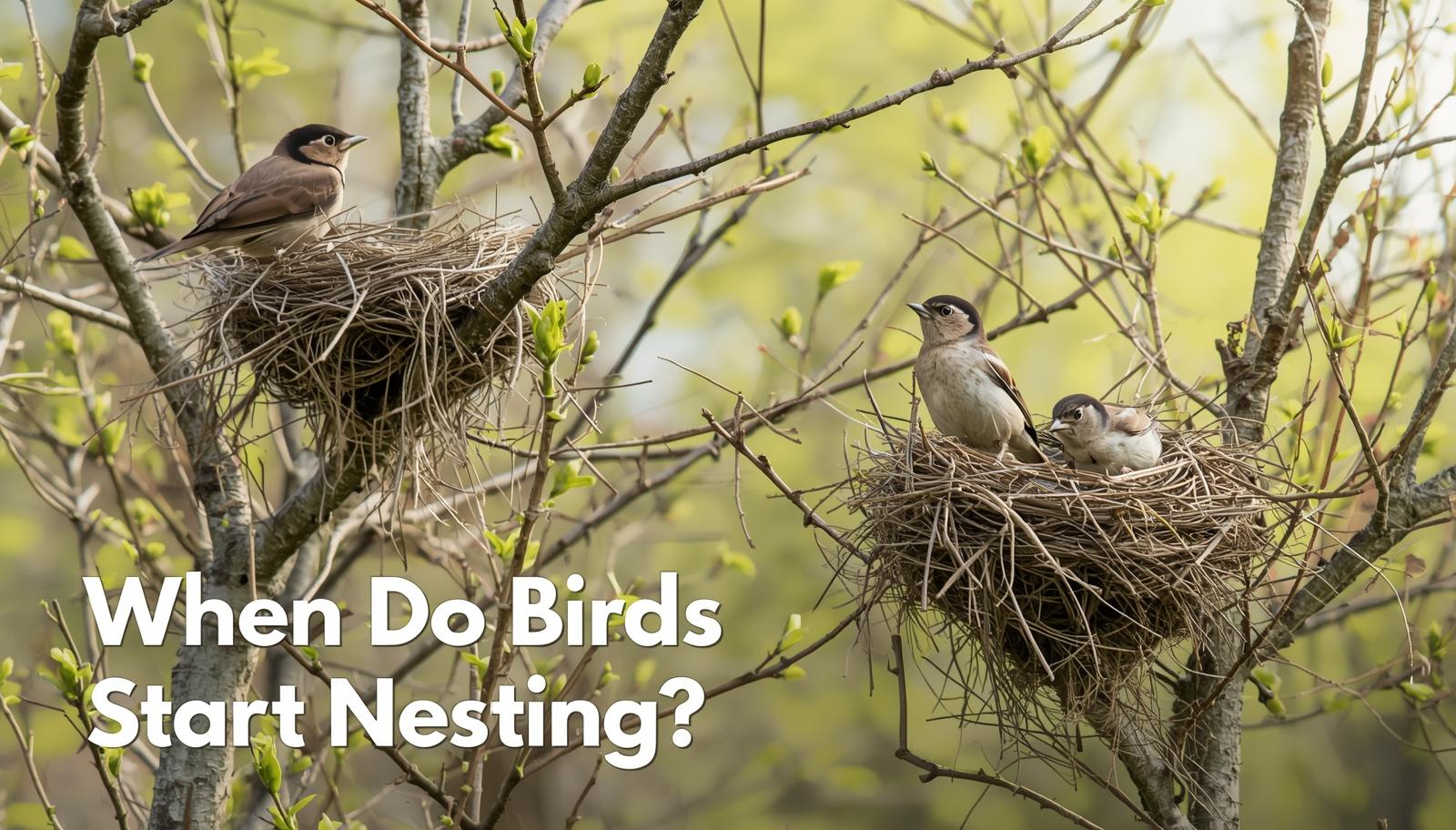
Many birds build nests in trees or shrubs. These nests are safer from ground predators. Birds use twigs, leaves, and moss to build their homes.
Examples include robins and sparrows. They often place nests on branches or in forks of trees.
Cavity Nests
Cavity nests are built inside holes in trees or logs. Some birds find natural holes, while others dig their own.
| Bird Species | Nesting Cavity Type |
| Woodpeckers | Drill holes in trees |
| Owls | Use old woodpecker holes |
| Bluebirds | Use tree cavities or nest boxes |
Man-made Structures
Some birds use buildings, bridges, and nest boxes made by people. These sites can offer good shelter and safety.
Common man-made nesting sites include:
- Birdhouses installed in yards
- Under bridges or eaves of buildings
- Old machinery or unused pipes
Bird Species And Nesting Preferences
Birds choose nesting sites carefully to protect their eggs and young. Different bird species prefer different types of places for nesting.
Understanding these preferences helps us learn more about birds and their habits in nature and cities.
Songbirds
Songbirds usually build nests in trees or shrubs. They like places that hide their nests from predators.
Many songbirds use twigs, leaves, and grass to create cup-shaped nests. They often choose spots with thick leaves.
- Prefer dense shrubs or tree branches
- Build cup or dome-shaped nests
- Use soft materials like feathers and moss
Waterfowl
Waterfowl, such as ducks and geese, nest near water bodies. They choose safe spots close to lakes, rivers, or ponds.
They often build nests on the ground or in tall grass near water. Some use reeds or floating vegetation to hide their nests.
- Nest near water edges
- Use grasses and reeds for nests
- Choose hidden ground spots or floating plants
Raptors
Raptors, like hawks and eagles, build large nests high in trees or on cliffs. They pick places that give a wide view.
These birds use sticks and branches to make sturdy nests. They return to the same nest year after year.
- Choose high and open locations
- Build large nests with sticks
- Reuse nests across seasons
Urban Dwellers
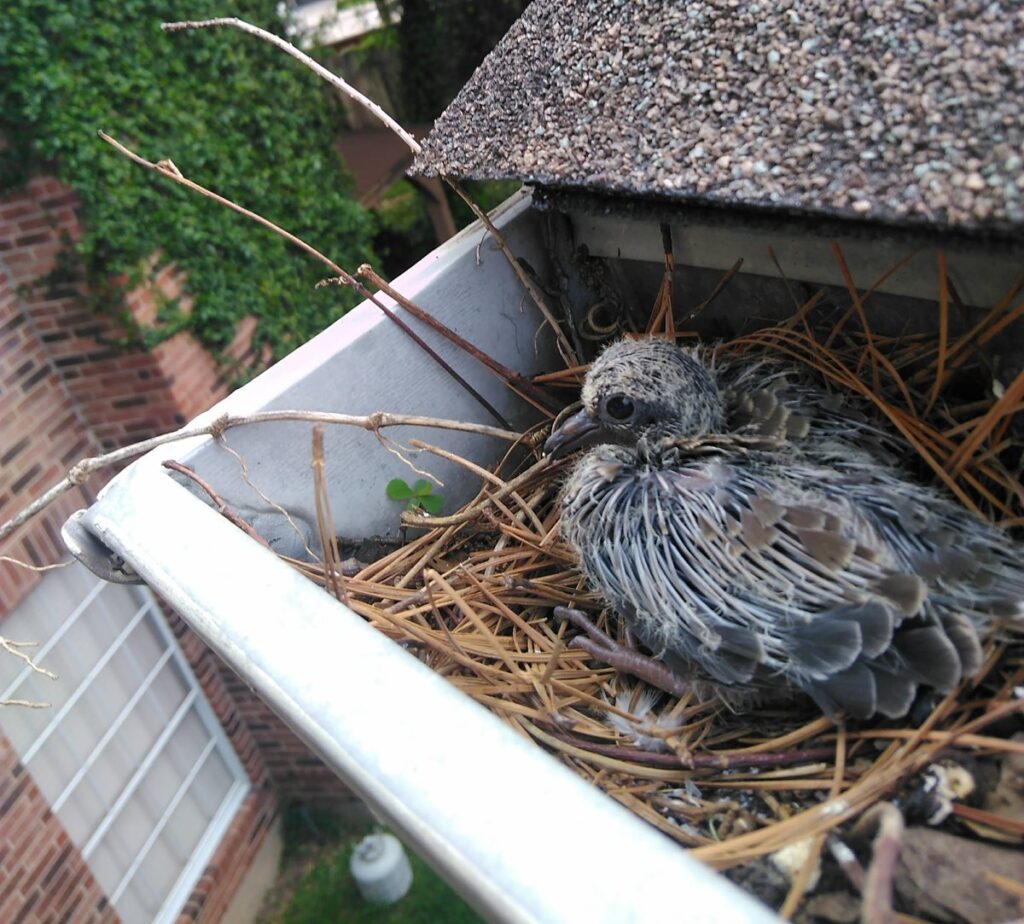
Birds living in cities use buildings, ledges, and other structures for nests. They adapt to human spaces well.
They often choose small cavities or gaps in walls. These spots offer safety from predators and weather.
- Use building ledges and gaps
- Build nests in small cavities
- Adapt to noisy, busy environments
Credit: www.crittercontrol.com
Role Of Environmental Cues
Birds use many clues from nature to pick where to build nests. These clues help them find safe and good spots.
Environmental signals guide birds in choosing places that protect their eggs and chicks.
Visual Signals
Birds look at colors, shapes, and light when picking nesting sites. Bright or hidden places may attract them.
They also notice the presence of other birds’ nests or landmarks like trees and bushes.
- Leaf cover can hide nests from predators
- Open spaces help birds watch for danger
- Nearby water can indicate good food sources
Scent And Sound
Birds use smells to find safe places. Strong scents from predators or other animals can warn them away.
Sound is important too. Birds listen for calls from others to find areas where nesting is safe.
- Quiet areas reduce risk of predators
- Sounds of other birds can mean safety
- Some birds use their own calls to mark territory
Seasonal Timing
Birds choose nesting sites based on the season. They pick times when food is easy to find.
Weather and daylight hours also affect where and when birds build nests.
- Spring often signals start of nesting
- Longer days help birds gather food
- Weather changes can make some sites unsafe
Adaptations To Changing Habitats
Birds must change where and how they build nests. Changes in habitats force birds to adapt quickly.
Choosing the right nesting site helps birds keep their eggs safe and raise their young well.
Urbanization Impact
Urban areas change the natural places birds use for nesting. Some birds use buildings and parks to build nests.
- Birds may choose rooftops or ledges instead of trees.
- Artificial materials like wires and plastics are used in nests.
- Noise and light pollution affect where birds feel safe.
Climate Change Effects
Birds change nesting times and places as weather patterns shift. They may move to cooler areas or higher altitudes.
| Effect | Bird Adaptation |
| Warmer spring | Nesting earlier in the year |
| More storms | Choosing stronger nest sites |
| Dry habitats | Seeking wetter areas for nesting |
Human Interventions
Humans help birds by providing safe nesting places. Nest boxes and protected areas support bird populations.
- Installing nest boxes in gardens and parks
- Protecting natural forests and wetlands
- Reducing use of harmful pesticides near nesting sites

Credit: www.natureswaybirds.com
Expert Tips For Supporting Nesting Birds
Birds choose nesting sites based on safety, food, and quiet surroundings. You can help birds by making your yard welcoming.
Simple actions help birds build nests and raise their young safely. Learn how to support nesting birds in your area.
Creating Safe Nesting Spots
Birds look for places safe from predators and weather. Offer natural or man-made shelters to keep nests protected.
Plant shrubs or trees with dense leaves. You can also install birdhouses with proper entrance sizes for local species.
- Use native plants for natural cover
- Place birdhouses away from busy areas
- Keep nesting spots dry and sheltered
Providing Food And Water
Birds need food and water close to their nests. Offer fresh water in shallow dishes or birdbaths.
Provide seeds, berries, and insects that match the birds’ diets. Change water often to keep it clean.
- Fill bird feeders with native seeds
- Include plants that attract insects
- Place water sources in safe, quiet spots
Minimizing Disturbances
Birds avoid nesting where there is noise or frequent movement. Keep pets and people away from nests.
Do not touch or move nests. Limit yard work near nesting areas during breeding season.
- Mark nesting areas to remind family members
- Avoid loud noises near nests
- Keep pets indoors or on leashes
Frequently Asked Questions
How Do Birds Select Safe Nesting Sites?
Birds choose nesting sites based on safety from predators and environmental threats. They prefer concealed locations and sturdy structures to protect eggs and chicks.
What Factors Influence Bird Nesting Site Choice?
Birds consider food availability, shelter, climate, and proximity to water. These factors ensure the survival and growth of their offspring in ideal conditions.
Why Do Some Birds Reuse Nesting Sites Annually?
Reusing nests saves energy and time. Birds return to proven safe and resource-rich areas, increasing breeding success and chick survival rates.
How Do Birds Identify Ideal Nesting Materials?
Birds select materials based on availability, durability, and insulation properties. These materials provide comfort and protection for eggs and hatchlings.
Conclusion
Birds choose nesting sites with care and precision. Safety matters most. They look for places away from predators. Nearby food sources play a key role too. Birds need materials like twigs and leaves. These help build strong nests. Weather conditions also influence their choices.
Birds avoid places with harsh weather. They prefer stable environments for their young. Understanding these factors helps us protect bird habitats. By doing so, we support their survival. Observing birds offers insights into nature's wonders. Their choices reveal much about their world.
Let's cherish and preserve these natural spaces. They are vital for birds and for us.