Have you ever wondered how tiny baby birds get their food when they first hatch? It’s a fascinating process that shows just how caring and hardworking parent birds can be.
If you’ve seen a mother bird feeding her chicks, you might have noticed something special happening. Understanding how birds feed hatchlings not only reveals nature’s amazing teamwork but also helps you appreciate the delicate balance of life. Keep reading, and you’ll discover surprising facts about these early moments in a bird’s life that you won’t want to miss.
Feeding Methods Of Birds
Birds use different ways to feed their hatchlings. Feeding helps young birds grow strong and healthy.
Parents work hard to bring food to their chicks. They use simple but effective feeding methods.
Regurgitation Feeding
Many birds feed their chicks by regurgitating food. The parent eats, then brings it back up to feed the hatchlings.
This method gives soft, easy-to-digest food to the young birds. It helps when the food is hard or large.
- Common in pigeons, gulls, and some seabirds
- Food is partially digested before feeding
- Chicks open their mouths wide to receive food
Direct Food Transfer
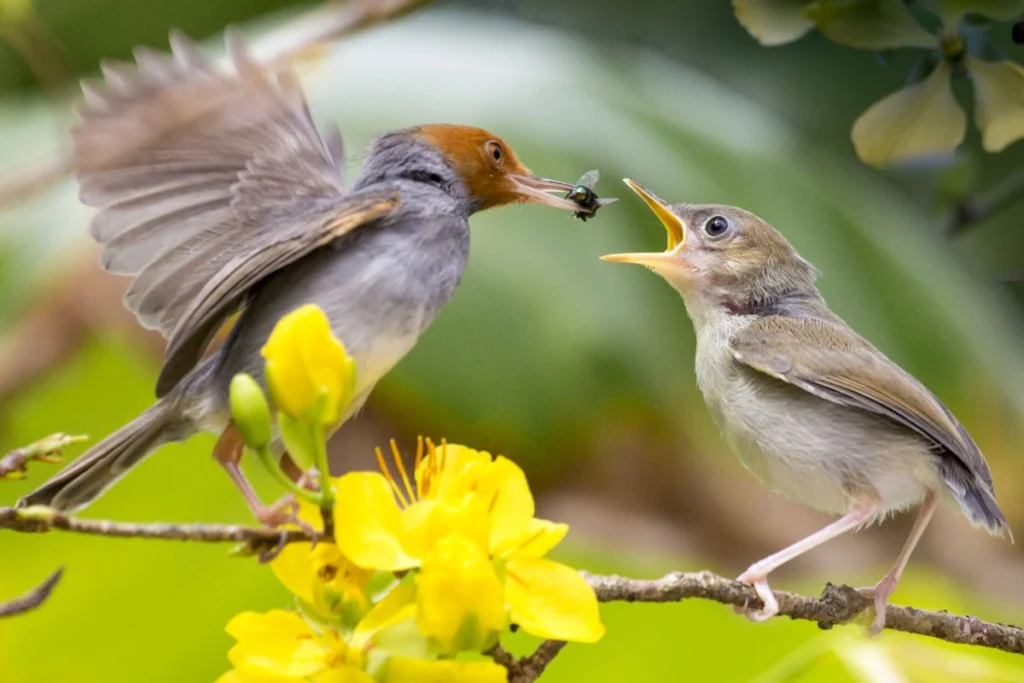
Some birds feed their chicks by directly giving food from their beak. The parent catches insects or small prey.
The parent passes the food straight into the chick’s mouth. This method is quick and helps protect the food.
- Seen in many songbirds and raptors
- Parents hunt and catch fresh food
- Chicks learn to recognize food this way
Feeding Frequency
Birds feed their hatchlings many times each day. Feeding frequency depends on the species and chick needs.
Young chicks need food often because they grow fast. Parents may feed every 10 to 30 minutes.
- Small birds feed more often than large birds
- Feeding slows as chicks grow older
- Parents balance feeding with resting and guarding
Types Of Food Given To Hatchlings
Bird parents feed their hatchlings with different kinds of food. The food depends on the bird species and the hatchlings’ needs. Feeding helps the young birds grow strong and healthy.
Most hatchlings eat soft and easy-to-digest food. This food gives them energy and nutrients for fast growth.
Insects And Worms
Many birds feed their hatchlings insects and worms. These foods are rich in protein. Protein is important for building muscles and tissues in young birds.
- Common insects include caterpillars, beetles, and flies.
- Earthworms are a favorite for many bird species.
- Some birds catch spiders to feed their chicks.
Seeds And Fruits
Some birds feed hatchlings seeds and fruits. These foods give energy through carbohydrates and vitamins. Seeds must be soft or partly crushed for easy eating.
| Food Type | Examples | Benefit |
| Seeds | Sunflower, millet, flax | Energy and fats |
| Fruits | Berries, small apples, grapes | Vitamins and water |
Special Diets For Different Species
Some bird species have special diets for their hatchlings. Their food matches the young birds’ unique needs and habitats.
Examples of special diets:
- Woodpeckers feed insects and tree sap.
- Hummingbirds feed nectar to their chicks.
- Seabirds often feed fish and small marine animals.
Parental Roles In Feeding
Bird parents work hard to feed their hatchlings. Both mother and father play important roles.
Feeding young birds is a team effort. Each parent helps in different ways to keep babies healthy.
Mother’s Role
The mother bird usually stays close to the nest. She keeps the hatchlings warm and safe.
She feeds the babies by bringing soft, easy-to-digest food. This helps them grow strong.
- Feeds hatchlings with small insects or worms
- Stays with babies to protect and warm them
- Helps clean the nest and remove waste
Father’s Role
The father bird often searches for food far from the nest. He brings it back to the mother or babies.
He helps by finding enough food to feed the whole family. This support is very important.
- Hunts for insects, seeds, or small animals
- Protects the nest from predators
- Feeds babies directly or gives food to the mother
Shared Responsibilities
Both parents work together to raise strong hatchlings. They take turns feeding and watching the nest.
This teamwork helps the young birds get enough food and stay safe until they can fly.
- Taking turns feeding the babies
- Keeping the nest clean and safe
- Protecting hatchlings from danger
- Teaching young birds to find food

Credit: m.youtube.com
Feeding Adaptations In Birds
Birds have special ways to feed their hatchlings. These ways help baby birds get enough food to grow strong.
Different birds use different tools and behaviors to feed their young. These changes in their bodies and nests help with feeding.
Beak Shapes And Functions
Birds have different beak shapes that help them feed their babies. Some beaks are sharp, and others are wide or long.
Birds with sharp beaks catch insects to feed their hatchlings. Birds with wide beaks can carry many seeds or insects at once.
- Sharp beaks catch and hold insects easily
- Wide beaks deliver more food to many babies
- Long beaks reach deep into flowers or holes
Nest Design For Feeding
Nests help protect hatchlings and make feeding easier. Some nests hold food safely near the babies.
Some birds build cup-shaped nests to keep babies warm and close. Others build nests with soft materials to hold food well.
- Cup-shaped nests keep hatchlings warm and safe
- Soft nests hold food and keep it from falling
- Nests near food sources reduce travel time
Feather And Mouth Structures
Feathers around the mouth help birds feed their hatchlings. These feathers guide the baby’s mouth to the food.
Some hatchlings have bright mouths that signal parents where to feed. Soft feathers protect the babies while feeding.
- Feathers near the mouth guide hatchlings to food
- Bright mouth colors attract parent’s attention
- Soft feathers protect hatchlings during feeding
Challenges Hatchlings Face
Newly hatched birds face many problems as they grow. They rely on their parents for food and safety. These challenges affect their chances to survive.
Hatchlings deal with competition, danger from predators, and changes in the environment. These factors make feeding time risky and hard.
Competition Among Siblings
Hatchlings often compete with their brothers and sisters for food. Parents bring limited food, so not all chicks get enough to eat. The stronger chicks usually get more food.
This competition can cause weaker chicks to grow slowly or die. Sometimes, the older siblings push the younger ones away to get more food.
- Stronger chicks get more food
- Weaker chicks may starve
- Siblings can push or block each other
Predation Risks During Feeding
Feeding time is dangerous because predators watch the nests closely. Birds making trips to feed hatchlings can attract animals like snakes and crows. This puts hatchlings at risk of being eaten.
Parents try to be quiet and fast to protect their young. Still, predators may attack when the nest is open or when hatchlings make noise.
- Predators watch for feeding activity
- Parents try to avoid drawing attention
- Hatchlings are vulnerable when begging for food
Environmental Impact On Food Supply
Weather and seasons change how much food is available. Rain, drought, or cold can reduce insects and seeds parents feed their hatchlings. This makes feeding harder and less frequent.
Sometimes, food shortages cause parents to bring less food or leave the nest early. This lowers hatchlings’ chances to grow strong and survive.
- Bad weather lowers food availability
- Fewer insects or seeds for feeding
- Parents may reduce feeding trips
Credit: wildbloo.com
Surprising Feeding Behaviors
Birds feed their hatchlings in many surprising ways. Some behaviors show how clever and caring birds can be.
These feeding habits help young birds grow strong and survive in the wild.
Feeding By Other Species
Some bird species let other animals feed their babies. This is rare but happens in nature.
For example, certain cuckoo birds trick other birds into feeding their chicks. The host birds think the chicks are their own.
- Cuckoo chicks push out other eggs to get all food
- Host birds bring food thinking it’s for their babies
- Some ants even feed young birds in rare cases
Food Sharing Outside The Nest
Bird parents sometimes share food away from the nest. They do this to teach young birds how to find food.
Parents might bring food to a safe spot outside the nest. Young birds learn to catch or eat food there.
- Parents show hunting or foraging skills
- Young birds practice eating without nest safety
- This helps young birds prepare for life outside the nest
Unusual Feeding Techniques
Some birds use unusual ways to feed their hatchlings. These techniques protect chicks or save energy.
For example, some birds regurgitate food directly into their babies’ mouths. Others tear food into tiny pieces to make eating easier.
- Regurgitating soft food for easy swallowing
- Tearing insects or seeds into small bits
- Dropping food near chicks to encourage movement

Credit: www.youtube.com
Frequently Asked Questions
How Do Parent Birds Feed Their Hatchlings?
Parent birds feed hatchlings by regurgitating partially digested food. They transfer this food directly into the chicks’ open mouths. This method ensures hatchlings get easily digestible, nutritious meals essential for their growth and survival during early life stages.
What Types Of Food Do Birds Feed Hatchlings?
Birds feed hatchlings a diet mainly consisting of insects, worms, and soft seeds. The food varies by species and chick age. This diet provides protein and nutrients necessary for rapid growth and development in young birds.
How Often Do Birds Feed Their Baby Chicks?
Parent birds feed their baby chicks frequently, often every 15 to 30 minutes. Frequent feeding helps meet the hatchlings’ high energy demands. This constant care supports healthy development until the chicks can eat independently.
Do All Birds Feed Hatchlings The Same Way?
No, feeding methods differ among bird species. Some regurgitate food, while others bring whole prey to the nest. These variations depend on species, chick size, and feeding needs to ensure optimal nourishment.
Conclusion
Birds nurturing their hatchlings is a fascinating process. They feed them with care and precision. Parents gather food tirelessly. Each meal is vital for the chicks’ growth. Small insects and seeds provide needed nutrients. The young birds chirp eagerly for their turn.
Their survival depends on the parents’ dedication. This cycle of feeding and nurturing is crucial. It ensures the next generation flourishes. Observing this natural process is truly amazing. Birds exemplify commitment in their role as caregivers. Their methods might seem simple, yet they are effective.
Nature’s way of sustaining life is truly remarkable.