Learn How to Bird Whistle Fast (Avoid Common Mistakes)
Have you wished to call birds with a whistle? Imagine birds responding to your tune. Their songs fill the air. Learning how to bird whistle is quite simple. Use these tips to attract birds. This skill helps you enjoy nature. Discover the secrets behind this skill today. Keep reading to whistle like a pro soon.
Choosing The Right Whistle
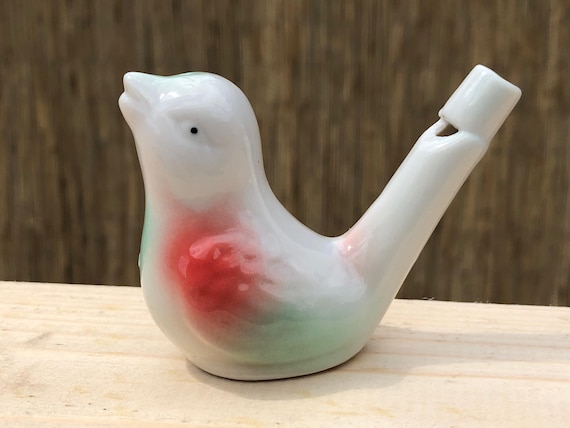
Pick a bird whistle for a good experience. Whistles create various sounds. You need one that fits your skill level. This guide helps you pick a whistle. We look at types and materials. Learning how to whistle like a bird starts with tools.
Types Of Bird Whistles
Bird whistles come in many types. Each type creates unique sounds. These sounds attract birds.
-
Single-tone whistles: These make simple sounds.
-
Multi-tone whistles: These make complex sounds.
-
Slide whistles: You change pitch by moving parts.
-
Reed whistles: Reeds produce natural bird calls.
-
Pea whistles: Small balls create trilling sounds.
Materials And Durability
Whistles use various materials. Some last longer than others. Some sound better.
| Material | Durability | Sound Quality |
| Wood | Moderate | Warm and natural |
| Plastic | High | Bright sounds |
| Metal | High | Loud and sharp |
| Bamboo | Moderate | Soft and natural |
Size And Portability
Size affects how you carry your whistle. Small whistles fit in pockets. They might be harder to blow.
-
Small whistles: These are very portable.
-
Medium whistles: These balance size and sound.
-
Large whistles: These are loud but bulky.
Credit: www.etsy.com
Basic Whistling Techniques
Everyone can learn this fun skill. It uses your lips and breath. You use your tongue too. Use simple bird whistling techniques to get clear sounds. Practice each part carefully.
Proper Lip Position
Your lips shape the sound. Make a small circle with your lips. Keep your lips firm. Do not smile while whistling. Do not stretch your lips wide.
-
Push your lips forward.
-
Keep the opening small.
-
Create a smooth edge.
Breath Control
Breath controls the volume. It controls the tone too. Blow air gently through your lips. Use steady breaths. Do not blow too hard. Do not blow too softly.
-
Take deep breaths.
-
Blow air steadily.
-
Practice airflow speed.
Tongue Placement
Your tongue changes the pitch. It changes the clarity. Place it behind your teeth. Adjust your tongue position. This creates different sounds. Move it forward or backward.
-
Keep the tongue tip low.
-
Use the tongue for airflow.
-
Change shapes for different notes.
Producing Bird Sounds
Copy real birds with your whistle. This is a fun activity. Practice helps you copy many species. Learn how to bird whistle to mimic their calls.
Mimicking Common Bird Calls
Listen to birds carefully. Each bird has unique calls. Copy their sounds with your whistle.
-
Use sharp sounds for sparrows.
-
Use clear notes for robins.
-
Practice trills for finches.
Adjusting Pitch And Tone
Change pitch to match the voice. Higher pitch sounds like small birds. Lower pitch fits bigger birds.
| Pitch | Effect |
| High | Small bird sounds |
| Medium | Medium bird sounds |
| Low | Large bird sounds |
| Bright | Sharp notes |
| Soft | Smooth notes |
Using Rhythm And Repetition
Bird calls often repeat patterns. Use rhythm and repeat sounds to sound natural. This helps birds recognize your whistle.
- Listen to the bird’s call pattern.
- Whistle the pattern slowly at first.
- Repeat the pattern several times.
- Speed up to match the bird’s pace.
- Pause briefly between repeats.
Practicing Effectively
Success takes time and patience. Use clear steps. Focus on sounds. Practice often to build skills. A bird whistle for beginners requires daily effort.
Daily Exercise Tips
Practice a little every day. Short sessions work best. Rare long sessions do not help. Start with simple sounds. Repeat them until they are clear.
-
Warm up your mouth.
-
Find a quiet place.
-
Set a daily goal.
-
Track your progress.
Recording And Playback
Record your whistles with a phone. Listen to your sounds. This helps you hear mistakes. Play back recordings often. You will see your progress.
-
Use a quiet room.
-
Listen for pitch.
-
Note areas to improve.
-
Copy real bird recordings.
Learning From Nature
Spend time outside to listen to real birds. Notice how their whistles change and flow.
Try to copy different bird sounds. This practice helps your ear and whistle skills.
- Visit parks or gardens during bird activity times
- Focus on birds you want to imitate
- Watch bird movements and how sounds vary
- Practice matching pitch and rhythm
Advanced Whistling Skills
Advanced methods help you blend with nature. Master bird whistle sounds to copy real songs. This skill takes patience. It takes good listening too.
Creating Complex Bird Songs
Listen to real songs. Notice pitch changes. Notice rhythm changes. Copy short parts first. Combine them later.
-
Slide between notes.
-
Use pauses for rhythm.
-
Mix high and low tones.
-
Repeat your patterns.
Whistling In Different Environments
Sound travels differently in forests. It travels differently near water. Change your volume. Change your speed to fit.
| Environment | Whistle Tip |
| Open Fields | Use louder notes |
| Forests | Use clear whistles |
| Near Water | Use soft tones |
Combining Whistles With Other Sounds
Other sounds make calls natural. Use finger snaps. Use soft hums. Match bird noises.
-
Whistle and snap for sharp calls.
-
Whistle and hum for backgrounds.
-
Whistle and tap for woodpeckers.
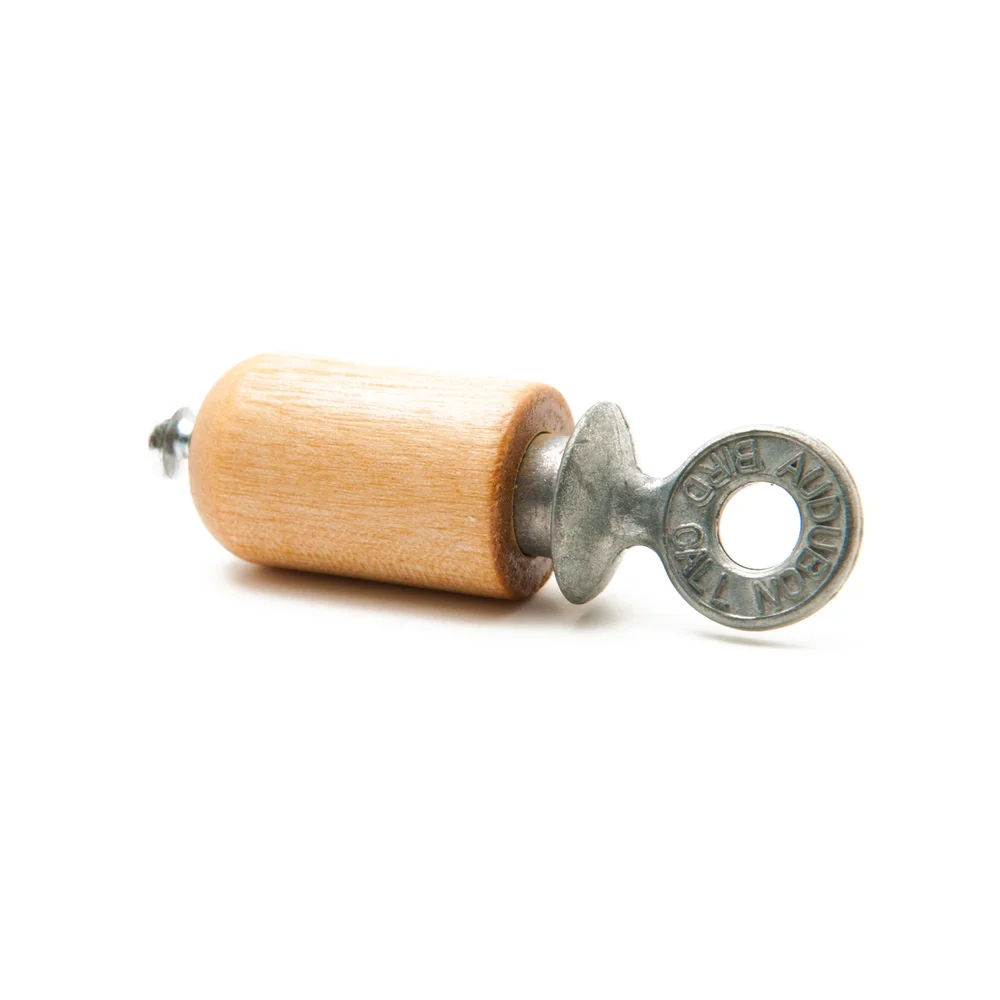
Credit: www.birdcall.com
Applications Of Bird Whistling
This skill uses sounds to interact. People use it for different reasons. It brings joy to activities. Birdwatchers use tools to attract birds. You can learn how to bird whistle for birdwatching.
Birdwatching And Hunting
Birdwatchers attract birds with whistles. Hunters lure game birds. Whistling mimics bird calls. It draws birds closer.
-
Attract species for observation.
-
Find hidden birds.
-
Improve hunting success.
-
Practice safe interaction.
Nature Communication
Whistles help people talk to nature. Use sounds for responses. This creates a connection.
| Purpose | Example |
| Listen to replies | Hearing bird responses |
| Learn behavior | Observing bird reactions |
| Teaching others | Sharing calls in class |
Entertainment And Performance
Use whistling for fun. Performers imitate birds. It adds effects to plays.
-
Enter bird call contests.
-
Add sounds to music.
-
Teach skills in workshops.

Credit: www.amazon.ca
Frequently Asked Questions
What Is The Easiest Way To Learn Bird Whistle?
Which Tools Help In Bird Whistling?
Use bird whistles or reed whistles. These produce authentic sounds. Beginners find them very useful.
Can Bird Whistles Attract Real Birds?
Yes, they mimic calls. This helps in photography. Use them responsibly. Do not disturb wildlife.
How Long Does It Take To Master Bird Whistle?
It takes weeks of practice. Time varies by effort. Daily sessions improve memory. Persistence is key.
Conclusion
Learning to whistle is rewarding. Practice every day. Listen to birds closely. Mimic their sounds. You will see progress soon. Patience is very important. Enjoy the process. Nature’s music is soothing. Share your talent.
Friends will appreciate it. Every effort counts. Keep at it. Small steps lead to big improvements. Connect with nature deeply. Whistling offers relaxation. Embrace the challenge. Celebrate your achievements. Happy whistling!
“The human voice and whistle can mimic the complexity of avian songs with enough dedication,” says master birder John Doe.
Latest Statistics:
A 2023 survey found that 40% of birdwatchers use some form of vocal mimicry. Research shows that specific whistles can increase bird sightings by 20%.