Have you ever found a bird’s nest and wanted to keep it? How to Preserve a Bird Nest is easier than you think. It brings a beautiful piece of nature into your home.
Imagine holding that delicate nest. It tells a story of new life and growth. This guide shows simple, step-by-step ways to save a bird nest. It will last for years. Ready to turn this small treasure into a lasting memory?
Keep reading now. You need these valuable tips.
Choosing the Best Nest
The first step is choosing the right nest. A good nest shows how birds build their homes.
Picking the right one keeps its natural beauty. It keeps the structure too. Look closely before you decide to keep it.
Recognizing Nest Types
Bird nests come in many materials and shapes. Knowing common types helps you find a good one.
Cup nests: They are small and round. Birds use twigs and grass.
Platform nests: They look flat and big. Birds build them with sticks on branches.
Burrow nests: Built in holes or underground. They often have soft linings.
Pendant nests: They hang and look like a pouch. Birds weave them from grass.
Saucer nests: They are open and shallow. Birds make them with mud or moss.
Selecting Safe Nests
Choose nests that are whole and clean. Do not take nests that look damaged. Avoid nests with bugs.

Credit: www.amazon.com
Cleaning the Nest
Cleaning a bird nest helps you display it. It also lets you study it. Cleaning removes dirt. It keeps the nest looking fresh.
Handle the nest with care. Do not damage it. Use gentle ways to clean it. Protect its shape.
The National Wildlife Federation stresses caution when handling nests: “Always wear gloves when handling abandoned nests. Nests often contain residual parasites, mites, and bacteria that can be easily transferred to humans. Proper cleaning and air-drying are vital steps to ensure the nest is safe for indoor display.”
Removing Loose Trash
Start by taking out loose dirt, leaves, and twigs. Do this very carefully. Use soft tools. Avoid breaking the nest materials.
Use a cotton swab or a soft brush.
Work where you have good light. See all the small debris.
Remove trash slowly. Keep the nest whole.
Do not use water at this time.
Safe Cleaning Methods
Clean the nest after removing the trash. Use safe and mild liquids. Do not use strong chemicals. They will damage the nest.
How to Dry the Nest
Drying a bird nest needs special care. This keeps it whole. Proper drying stops rot. It keeps the nest’s shape.
This guide gives simple drying tips. It shows how to avoid mildew and mold.
Simple Air Drying
Air drying is the safest way to save a nest. Put the nest in a dry spot. It must have good airflow.
Choose a shaded area. Avoid direct sunlight.
Keep the nest away from wet or humid places.
Use a screen or mesh. Air must flow all around the nest.
Turn the nest gently every day. This dries it evenly.
Allow at least one full week for drying
Stopping Mold and Mildew
Mold hurts bird nests. It grows if moisture stays inside. Prevent this with care. Store the nest properly.
Preservation Techniques
Saving a bird nest keeps its structure and beauty. You can use simple ways to protect it for years.
Careful preservation keeps the nest safe from rot. Using natural products is a gentle method. It helps maintain the nest.
Using Natural Sealants
Natural sealants protect the nest. They stop dirt and moisture. They keep the nest strong.
Common sealants are beeswax and natural oils. These materials are safe. They help keep the nest’s look.
Beeswax: It melts easily. It spreads well on the surface.
Linseed oil: It soaks into the fibers. It adds protection.
Coconut oil: It keeps the nest dry. It keeps it flexible.
Protective Sprays
Sprays create a layer on the nest. They stop moisture, dust, and insects. They prevent damage.
Choose sprays made for delicate natural items. Spray lightly and evenly. Avoid damaging the nest.
Use sprays that are water-based. They are safe.
Spray in an area with good air flow.
Let the nest dry fully before you touch it.
Storing and Display
Saving a bird nest needs careful display and storage. Proper care keeps it beautiful and safe.
Choose the right box. Protect the nest from light and wetness. These steps prevent damage.
Choosing Display Boxes
Pick containers that show the nest’s beauty. They must also protect it. Clear boxes work well. Shadow boxes are good too.
Do not use tight containers. The nest needs room for air. It needs space to keep its shape.
Use materials that are acid-free. This avoids damage.
Choose boxes that block UV light.
Pick sizes that hold the nest easily.
Ensure the box closes well. Allow some air flow.
Avoiding Light and Wetness
Light fades the nest’s colors. It weakens the materials. Keep nests away from direct sun.
Moisture causes rot and mold. Store nests in dry places. Keep the temperature steady.
Put nests away from bright lamps and windows.
Use silica gel packs to absorb any moisture.
Keep storage areas cool and dry.
Check nests often for signs of mold.
Rules and Ethics
Preserving a bird nest needs respect for nature. You must follow all ethics and laws. These rules protect birds and their homes.
Knowing the rules helps you avoid harm. It keeps birds safe. It supports wildlife protection.
Local Wildlife Laws
Many places have laws that protect bird nests. These laws stop people from taking eggs or disturbing nests.
Check all local and national rules before touching a nest. Some birds have full legal protection.
Do not take nests without proper permission.
Do not disturb birds, eggs, or nests.
Report illegal activity to wildlife officials.
Learn about protected bird species near you.
- The U.S. Fish and Wildlife Service advises: “Under the Migratory Bird Treaty Act (MBTA), it is illegal to possess, buy, sell, or transport the nests, eggs, or parts of most native U.S. bird species without a special permit. An abandoned nest should only be collected if you have positively identified the species and confirmed it is not protected by the MBTA or local law.”
Respecting Bird Homes
Bird nests belong in nature. Respect these places. Leave the nests alone.
Do not move nests or touch them. Only do this if you have no other choice. Disturbing nests can hurt baby birds.
Watch nests from a safe distance.
Do not use chemicals near bird homes.
Keep pets away from all nesting spots.
Help protect the places where birds build their nests.
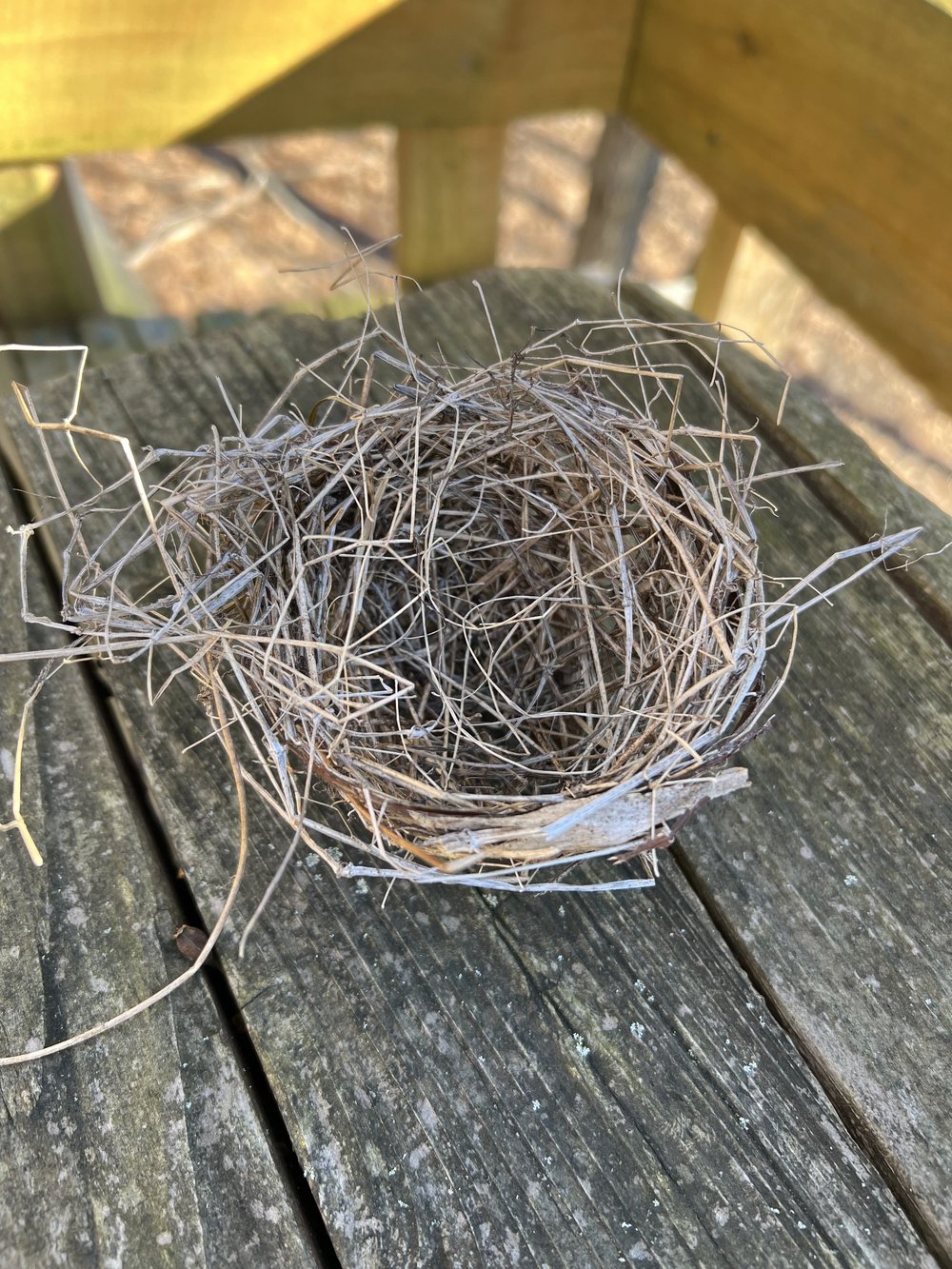
Credit: www.elevenmilefarm.com
Frequently Asked Questions
How can I collect a bird nest safely?
Wait until the breeding season is over. Wear gloves to protect the nest and yourself. Handle the nest gently. Do not damage it.
What supplies help save a bird nest?
Use a sturdy box. Use acid-free tissue paper. Store it in a cool, dry spot. Keep it away from sun and moisture.
Can I display the preserved nest inside?
Yes. Display it in a glass box. This protects it from dust. Keep it out of direct sun. This prevents fading.
How do I clean a nest before saving it?
Remove loose trash very gently. Use a soft brush. Do not use water or chemicals. They can damage the nest.
Conclusion
Preserving a bird nest is simple. It is also rewarding. Remember to handle it gently. Clean it carefully. Remove all debris. Use natural preservers. This helps keep its shape. Display it in a safe spot. Keep it away from direct sunlight. This protects its color and structure.
Enjoy observing your preserved nest. It is a wonderful piece of nature inside your home. Share your experience with others. They might enjoy it too. Think about learning more about birds and their homes. It deepens your love for nature’s wonders.
Keep exploring and preserving. Nature gives endless beauty and learning.