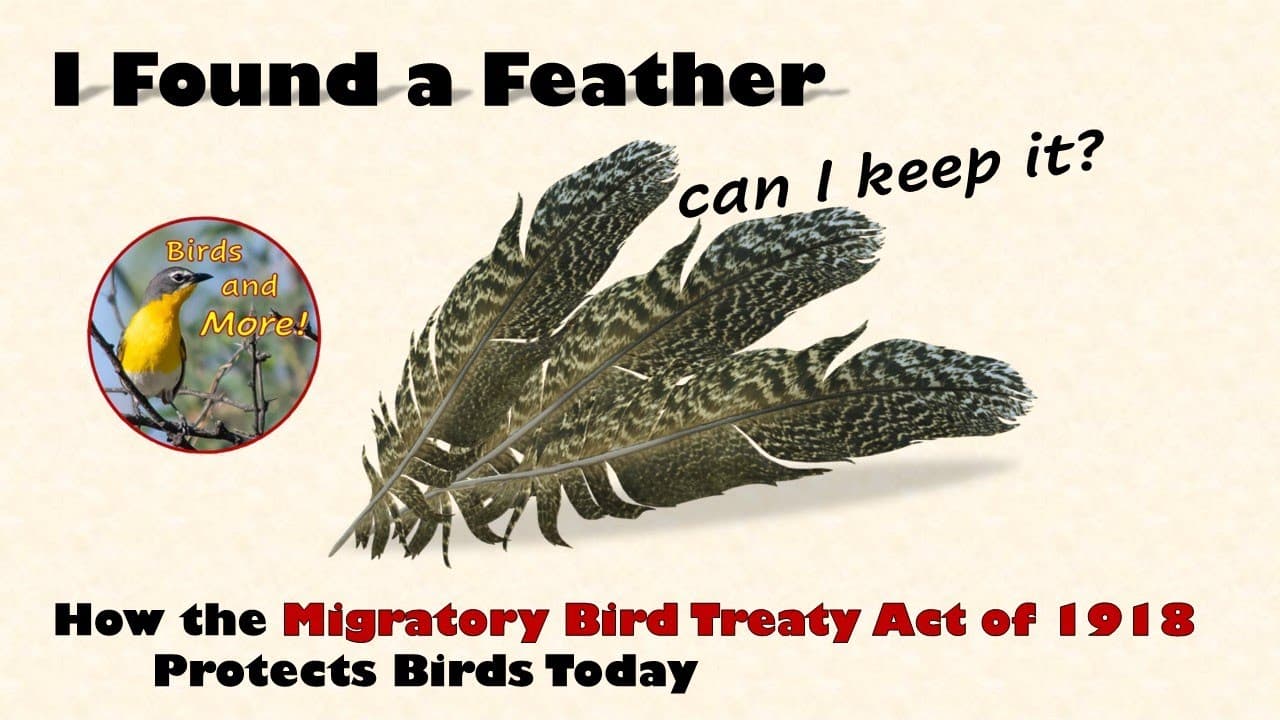
Have you ever wondered how countries work together to protect the beautiful birds that travel thousands of miles every year? The Migratory Bird Treaty is a powerful agreement that keeps your favorite feathered friends safe during their long journeys.
Understanding this treaty not only helps you appreciate these amazing creatures more but also shows how your actions can make a difference. Keep reading to discover why the Migratory Bird Treaty matters to you and the world around you.

Credit: www.ebay.ca
History Of The Migratory Bird Treaty
The Migratory Bird Treaty is an important agreement to protect many bird species. It helps stop hunting and habitat loss.
This treaty has a long history that started in the early 1900s. It set rules for countries to work together on bird conservation.
Origins And Early Agreements
The idea of protecting migratory birds began in the late 1800s. People saw many birds were disappearing.
Early laws focused on hunting limits. These laws were the first step to international agreements.
Countries Involved
The first treaty was between the United States and Great Britain. Great Britain represented Canada at that time.
Later, Mexico joined the treaty to help protect birds that travel south in the winter.
- United States
- Great Britain (for Canada)
- Mexico
Key Milestones
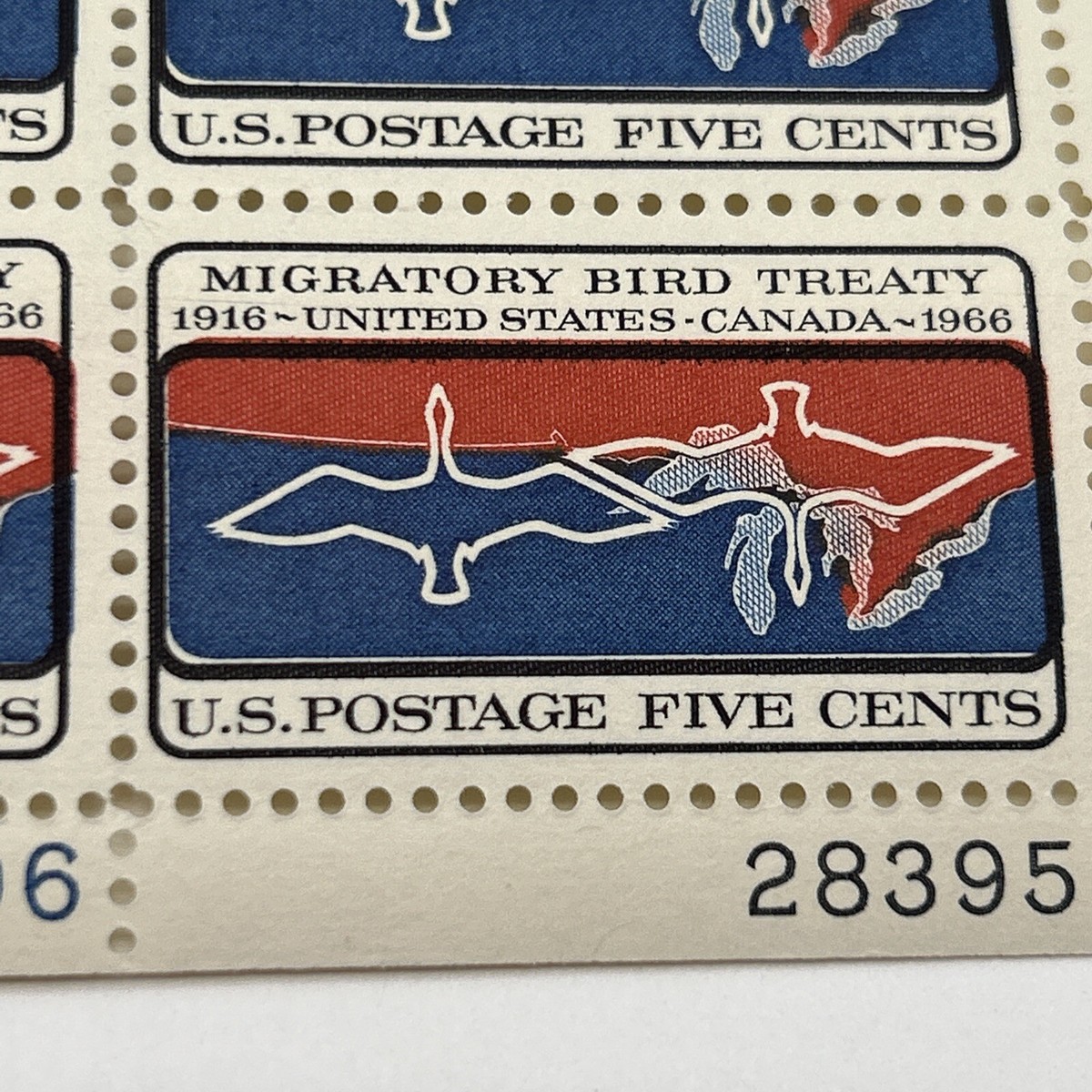
The treaty was signed in 1916. It made hunting certain birds illegal during nesting seasons.
In 1918, the treaty became law in the US. Later, Canada and Mexico also passed laws to protect birds.
- 1916: Treaty signed between US and Great Britain
- 1918: US passed the Migratory Bird Act
- 1936: Mexico joined the treaty
- Later years: Updates added more protections
Purpose And Goals
The Migratory Bird Treaty aims to protect many bird species that travel long distances. It helps keep their populations safe and healthy.
The treaty sets goals to stop hunting and harming these birds. It also promotes habitat preservation and research.
Protecting Migratory Birds
The treaty makes it illegal to capture or kill migratory birds without permission. This protects birds during their journeys.
It covers many species, including songbirds, waterfowl, and birds of prey. Protection helps prevent their numbers from dropping.
Conservation Efforts
Conservation efforts focus on preserving bird habitats and food sources. Healthy habitats help birds survive and breed.
- Protect wetlands and forests
- Restore damaged habitats
- Monitor bird populations
- Educate the public about birds
Legal Framework
The treaty is a legal agreement between countries. It creates rules to protect migratory birds across borders.
Countries work together to enforce laws and share data. This helps track bird movements and threats worldwide.
Species Covered
The Migratory Bird Treaty protects many bird species that travel between countries. It helps keep these birds safe during migration.
This treaty covers a wide range of birds found in North America. It aims to conserve their populations and habitats.
Common Protected Birds
Many common birds are protected under the treaty. These birds often live near water or in forests.
- American Robin
- Canada Goose
- Red-winged Blackbird
- Great Blue Heron
- Mallard Duck
Endangered Species
Some birds protected by the treaty are endangered. They need extra care to survive.
- Piping Plover
- Whooping Crane
- California Condor
- Yellow-billed Cuckoo
These species face threats like habitat loss and pollution.
Birds Not Included
Not all birds are covered by the treaty. Birds that do not migrate are usually excluded.
- Ostriches
- Penguins
- Birds that live only in one country
- Domestic birds like chickens
Credit: www.ebay.ca
Impact On Bird Conservation
The Migratory Bird Treaty helps protect many bird species. It creates laws to stop hunting and trading birds illegally.
This treaty improves the safety of birds during their migration. It supports efforts to save bird populations and their homes.
Population Recovery
The treaty has helped some bird species increase in number. It stopped harmful hunting that made some birds rare.
Many birds once close to extinction are now coming back. This shows how laws can help protect wildlife.
Habitat Preservation
The treaty encourages keeping bird habitats safe. Protecting wetlands, forests, and fields helps birds find food and shelter.
Habitat preservation stops land from being destroyed. This gives birds places to live and raise their young.
- Protects breeding areas
- Preserves stopover sites during migration
- Maintains feeding grounds
Research And Monitoring
The treaty supports studying bird populations and their health. Scientists watch birds to see how they are doing over time.
Research helps find problems early. It shows if new threats like pollution or climate change affect birds.
Legal Implications For Bird Lovers
The Migratory Bird Treaty protects many bird species in the United States. It makes it illegal to harm or capture these birds without permission.
Bird watchers and lovers should understand the laws to avoid breaking the rules accidentally. Knowing the legal limits helps protect birds and enjoy birding safely.
Permits And Regulations
The law requires permits for activities like capturing, killing, or selling migratory birds. Permits are only given for scientific, educational, or conservation purposes.
Some common rules include not disturbing nests or eggs and not using illegal traps or poisons. These rules help keep bird populations safe.
- Obtain federal or state permits before handling birds
- Do not disturb nests or remove eggs
- Avoid using harmful traps or pesticides
- Follow seasonal restrictions on bird activities
Penalties For Violations
Violating the Migratory Bird Treaty can lead to fines and jail time. Penalties depend on the severity of the offense and whether it is a repeat violation.
Fines can reach thousands of dollars. In some cases, violators can face up to six months in prison. The law is strict to discourage harming protected birds.
- Fines from $250 up to $15,000 or more
- Prison sentences up to six months
- Confiscation of equipment used in violations
- Criminal records for serious offenses
How To Stay Compliant
Learn the rules before doing any bird-related activity. Check with wildlife agencies for permit requirements and protected species lists.
Respect bird habitats and avoid disturbing nests. Use binoculars and cameras for observation instead of handling birds.
- Contact local wildlife offices for permit information
- Use ethical birdwatching practices
- Report illegal activities to authorities
- Stay updated on changes in bird protection laws
Challenges And Criticisms
The Migratory Bird Treaty aims to protect many bird species across countries. It faces several challenges that make its work difficult.
Some people also criticize the treaty for not handling all problems well. These issues affect how well the treaty can protect birds.
Enforcement Issues
Enforcing the rules of the Migratory Bird Treaty is hard. Many areas lack enough officers to watch and protect birds.
Some people break the rules by hunting birds illegally. It is difficult to catch and punish all offenders.
- Limited funding for patrols
- Large areas to monitor
- Illegal hunting and trading
- Weak penalties in some places
Climate Change Effects
Climate change changes bird habitats and migration patterns. This makes it hard for the treaty to protect birds in the right places.
Birds may move to new areas where the treaty rules do not apply. This puts their safety at risk.
- Shifting migration routes
- Loss of breeding grounds
- New threats from weather changes
- Need for updated protection zones
Balancing Human Activities
People build cities and farms on bird habitats. The treaty tries to protect birds while allowing human growth.
Finding a balance is tough. Sometimes human needs conflict with bird protection goals.
- Urban expansion reduces habitats
- Farming affects food sources
- Industry can pollute bird areas
- Need for cooperation between groups
How Bird Lovers Can Help
The Migratory Bird Treaty protects many bird species in North America. Bird lovers play a big role in keeping these birds safe.
There are simple ways to help. You can support groups, join science projects, and make homes safe for birds.
Supporting Conservation Groups
Conservation groups work hard to protect birds and their habitats. They need help from volunteers and donors.
You can donate money or time to these groups. Even small help makes a difference for bird safety.
- Join local bird protection clubs
- Attend events and fundraisers
- Help spread awareness about bird laws
Participating In Citizen Science
Citizen science lets bird lovers collect important data. This helps experts track bird numbers and health.
You can report bird sightings or take part in bird counts. This data guides conservation efforts.
- Use apps to log bird sightings
- Join annual bird count events
- Share photos and notes with scientists
Creating Bird-friendly Habitats
Birds need safe places to live and find food. You can make your yard a good home for them.
Plant native flowers and trees. Avoid using chemicals that can harm birds and insects.
- Set up bird feeders and baths
- Keep cats indoors or supervised
- Provide nesting boxes for shelter

Credit: www.ebay.ca
Frequently Asked Questions
What Is The Migratory Bird Treaty?
The Migratory Bird Treaty is a conservation agreement. It was established to protect migratory bird species across borders. The treaty involves multiple countries, aiming to preserve habitats and manage bird populations. It plays a crucial role in biodiversity conservation and environmental protection.
How Does The Treaty Protect Birds?
The treaty provides legal protection to migratory birds. It restricts hunting and capturing of these birds. Additionally, it promotes habitat preservation and restoration efforts. By fostering international cooperation, it ensures sustainable management of bird populations and ecosystems.
Which Countries Are Part Of The Treaty?
The Migratory Bird Treaty includes the United States, Canada, and Mexico. It also involves Japan and Russia in separate agreements. These countries collaborate to enforce regulations and conservation strategies. They work together to safeguard migratory bird species and their habitats.
Why Is The Treaty Important?
The treaty is vital for conserving biodiversity. It helps maintain ecological balance by protecting bird species. By preventing habitat destruction, it ensures birds’ survival. The treaty also encourages international cooperation for environmental sustainability. It plays a significant role in global conservation efforts.
Conclusion
The Migratory Bird Treaty protects many bird species across countries. It helps keep bird populations healthy and safe. People benefit from birds in nature and the environment. This treaty shows how nations can work together well. Protecting birds means protecting our world too.
Every effort counts to save these beautiful creatures. Let’s support laws that keep birds flying free. The future of migratory birds depends on our care. Simple actions can make a big difference today.